
Beginner's Guide to Building a Garden Pond (UK 2026)
A beginner's guide to building a garden pond in the UK, plus our pick of the best preformed ponds, liners, pumps, filters and fish food - and why a wildlife pond needs different features from a fish pond.
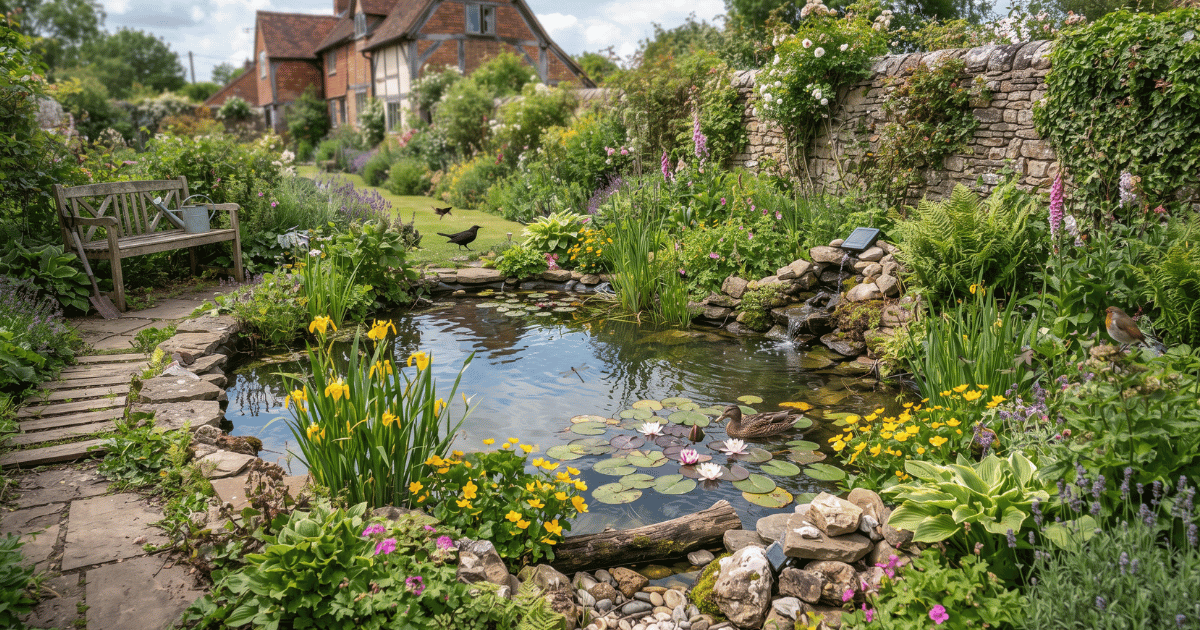
Buying Guides › Wildlife Gardening
Beginner's Guide to Building a Garden Pond (UK 2026)
By Jim Fellows, Garden Machinery Specialist · Updated 6 September 2026 · 10 min read
⚡ Quick Answer
For a first pond, a preformed pond shell is far more forgiving than a flexible liner - drop it in a dug hole, backfill, fill with water, done. Save a flexible liner for your second pond, once you know the exact shape you actually want.
📌 Key Takeaways
- Wildlife ponds and fish ponds have different needs - fish need filtration and aeration; a wildlife-only pond mostly needs a shallow, sloped escape ramp.
- Even a small pond helps wildlife - a preformed shell as small as a large washing-up bowl still gives insects, birds and amphibians somewhere to drink and breed.
- Position matters more than size - some sun, some shade, and away from overhanging trees that will fill it with leaves every autumn.
- Never buy or move wild spawn or plants between ponds - it's how invasive species and disease spread between UK ponds.
A pond does more for a garden's wildlife value than almost any other single feature - frogs, newts, dragonflies and birds will all use it, often within the first season. This guide is built around a first pond project: what you actually need, what you can skip, and the one decision (wildlife vs fish) that changes almost everything else on this list.
Pond Building Kit 2026: At a Glance
| Pick | Product | Best for |
|---|---|---|
| Best First Pond | Bermuda Cove Plus Preformed Pond | Simple, forgiving install |
| Best Liner | SolaDirect 200GSM Pond Liner | Custom shapes and larger ponds |
| Best Pump | Blagdon Midi Pond Pump | Running a filter or small waterfall |
| Best Filter | Pontec MultiClear Set | Keeping water clear with fish |
| Best Aerator | Blagdon Pond Oxygenator 1800 | Fish health in summer heat and winter ice |
| Best Fish Food | Nishikoi Pond Fish Food Pellets | A stocked fish pond |
| Best for Maintenance | Oase Pondovac 3 Pond Vacuum | Removing sludge without draining |
| Finishing Touch | Woodside Wooden Garden Bridge | Larger or stream-fed ponds |
1. Bermuda Cove Plus Preformed Pond - Best First Pond
A rigid, pre-shaped shell takes almost all the guesswork out of a first pond - dig a hole to match its profile, bed it level on sand, backfill around the edges and fill with water. There's no liner to fold, crease or puncture, which is where most first-time flexible-liner ponds go wrong. Bermuda's Sand-formed alternative is a similarly well-rated option if you want a slightly different shape.
✓ Pros
- Far more forgiving install than a flexible liner
- No risk of a fold or crease puncturing later
✗ Cons
- Fixed shape and size - no customising once you've bought it
- Getting the hole profile right still takes some care
2. SolaDirect 200GSM Pond Liner - Best Liner
Flexible liner is the right choice once you know you want a pond shaped around the garden rather than the garden shaped around a preformed shell - a bean shape, a natural-looking irregular edge, or simply a size that doesn't come as a standard mould. UV-resistant, tear-resistant material matters here, since a liner sits exposed to full sun at the waterline for years. Always lay an underlay or old carpet beneath it - sharp stones puncture liners more often than anything else.
✓ Pros
- Total freedom over shape and size
- UV-resistant, built for permanent outdoor exposure
✗ Cons
- Needs an underlay and careful folding - a fiddlier first project
3. Blagdon Midi Pond Pump - Best Pump
Needed if you're running a filter or a small waterfall or fountain - moving water is also part of keeping a fish pond healthy, since it helps circulate oxygen through the water column. A wildlife-only pond with no fish generally doesn't need a pump at all, which is worth knowing before you spend on one you don't need.
✓ Pros
- Powers a filter, fountain or small waterfall
- Helps keep water oxygenated for fish
✗ Cons
- Unnecessary running cost if you're keeping a wildlife-only pond
4. Pontec MultiClear Set - Best Filter
If you're stocking fish, filtration stops waste and uneaten food turning the water green and unhealthy - this is the piece of kit that separates a clear, thriving fish pond from a murky one. Pair it with the pump above; most filter systems need one to circulate water through the media.
✓ Pros
- Keeps water clear with fish present
- Removes waste before it builds up in the water
✗ Cons
- Needs periodic cleaning to keep working effectively
5. Blagdon Pond Oxygenator 1800 - Best Aerator
A six-outlet air pump that adds dissolved oxygen directly to the water - genuinely important for a stocked fish pond during a hot summer, when warm water holds far less oxygen and fish can struggle, and equally useful keeping a small area ice-free in winter so gases can still escape rather than building up under a frozen surface.
✓ Pros
- Genuinely helps fish through summer heat
- Doubles as a winter ice-prevention aid
✗ Cons
- Another running cost - only worth it with fish present
6. Nishikoi Pond Fish Food Pellets - Best Fish Food
Sinking pellets suit cooler water and bottom-feeding fish better than floating food, and are a sensible everyday choice for a mixed pond. Only feed what fish clear in a few minutes - uneaten food is the single biggest thing pushing extra filtration and clean-up work onto pick #4 and #7.
✓ Pros
- Sinking format suits a wider range of feeding fish
- Well-established, trusted UK pond brand
✗ Cons
- Overfeeding is an easy, common mistake - little and often is better than a lot at once
7. Oase Pondovac 3 - Best for Maintenance
A pond vacuum lets you pull sludge and debris off the bottom without draining and refilling the whole pond, which is a genuinely bigger job than it sounds once fish and plants are established. Once or twice a year with one of these keeps a pond from silting up over time. PondHero's Sludge Muncher is a cheaper alternative if a full Oase unit is more than you need for a smaller pond.
✓ Pros
- No draining or disturbing fish and plants to clean the bottom
- Saves a genuinely unpleasant manual sludge-clearing job
✗ Cons
- Only worth the spend if the pond's big enough to actually need it
8. Woodside Wooden Garden Bridge - Finishing Touch
Purely for larger ponds, a linked pair of ponds, or a stream feature, a decorative bridge is the finishing touch rather than an essential - but it's a nice way to make a bigger water feature into a proper focal point rather than just a hole full of water.
✓ Pros
- Turns a water feature into a genuine garden focal point
✗ Cons
- Only makes sense at a certain pond size - not for a small preformed shell
Wildlife Pond vs Fish Pond: The One Decision That Changes Everything
Decide this before you buy anything else on this list, because it changes what you actually need. A wildlife pond with no fish is simpler and cheaper: no pump, no filter and no aerator are strictly necessary, since there's no bioload to manage and native wildlife will find it on its own, often within weeks. What it does need is at least one shallow, gently sloping edge or a ramp of stones down into the water - this is the single most important design feature of a wildlife pond, since it lets hedgehogs, birds and small mammals climb back out if they fall or wade in, rather than becoming trapped by steep sides.
A fish pond is a different, more ongoing commitment: filtration and aeration (picks #4 and #5) become genuinely necessary rather than optional, feeding needs managing, and water quality needs occasional checking. Neither is the "correct" choice - a small wildlife pond does a huge amount of ecological good for very little ongoing effort, while a stocked fish pond is a bigger but more rewarding project if that's what you actually want.
🏆 Jim's Verdict
For a first pond, buy the preformed shell, add a shallow sloped edge for wildlife access, and stop there - you'll have a genuinely useful wildlife feature for a modest spend. Only add the pump, filter and aerator once you've decided you actually want fish, since none of them are needed otherwise. Whichever route you take, plan for a bit of annual maintenance with a pond vacuum rather than letting sludge build up for years.
About the Author
Jim Fellows is Garden Review's garden machinery specialist with 15 years' experience covering outdoor power equipment, tools and garden kit for UK buyers. His guides are based on detailed product research, specification analysis and verified owner feedback rather than manufacturer claims.
How we chose: This guide is based on detailed research into widely available pond-building products on Amazon UK - comparing materials, capacity and verified customer feedback. We have not physically tested every product listed. Amazon prices change frequently, so rather than quote figures that may be out of date, we've linked directly to each product so you can check the live price.
Garden Review is reader-supported. As an Amazon Associate we earn from qualifying purchases made through links on this page, at no extra cost to you. This does not influence our recommendations.
Frequently Asked Questions: Beginner's Guide to Building a Garden Pond (UK 2026)
Do I need a permit to build a garden pond in the UK?
How long does it take for wildlife to find a new pond?
Can I keep fish in a small wildlife pond?
Is it safe to have a pond with young children in the garden?
Tags
Comments
Join the conversation
Create a free account to leave comments, share photos, and connect with other gardeners.
Related Articles
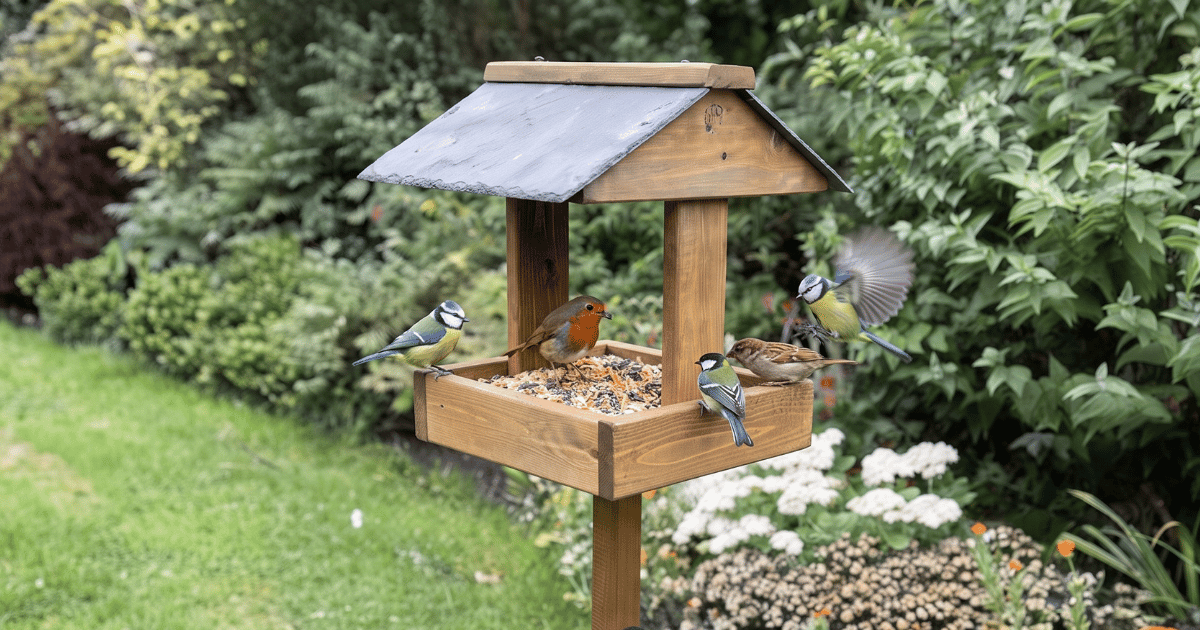
Best Bird Feeders & Hedgehog Houses for UK Gardens 2026
Our pick of the best bird feeders, hedgehog houses, bird tables and bird baths for UK gardens in 2026 - including a smart camera feeder that identifies visiting species - plus how to keep squirrels and rats off your feeders.
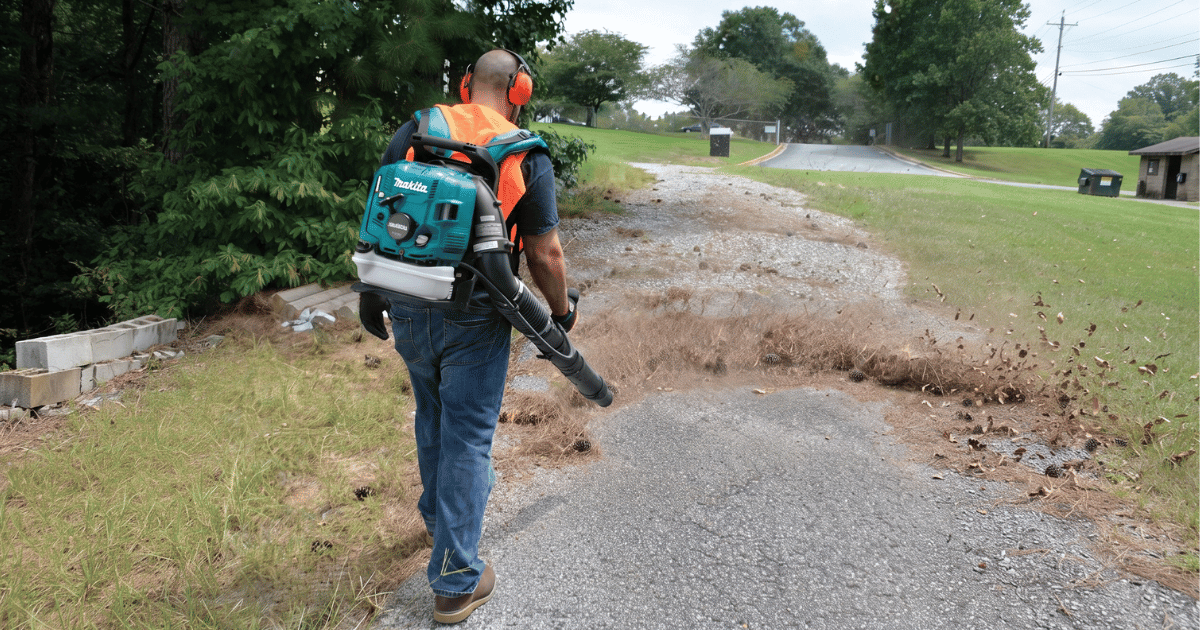
Professional Leaf Blowers Buying Guide (UK 2026)
Commercial-grade leaf blowers for landscapers and contractors — duty cycles, warranty terms, HSE vibration exposure and total cost of ownership.
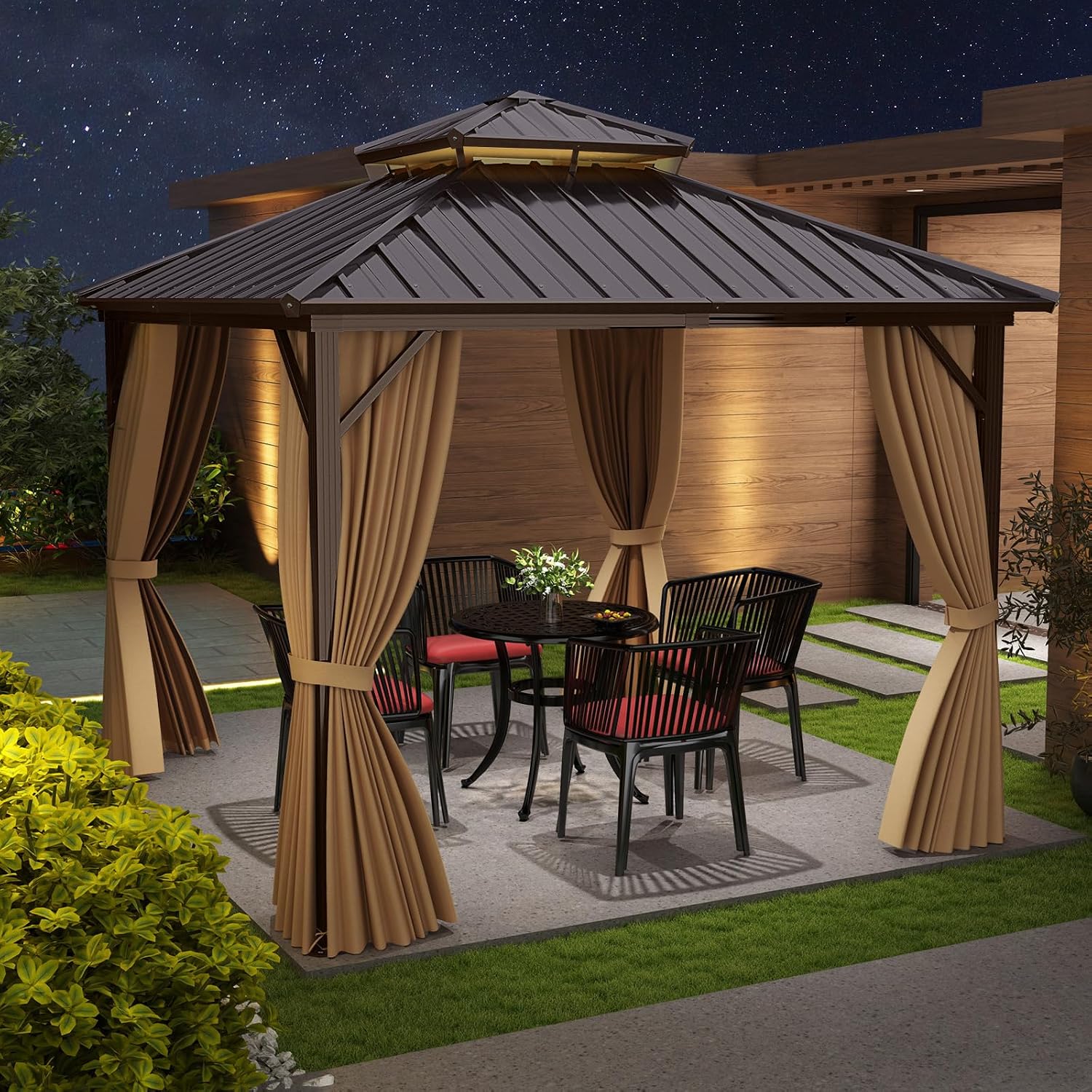
Best Garden Gazebos & Patio Furniture UK 2026
Our pick of the best garden gazebos, parasols and patio furniture for UK gardens in 2026 — hardtop and pop-up gazebos, parasols, bistro sets and garden benches — plus the wind-safety step almost every buyer skips.
Best Gardening Books & Gifts for Gardeners UK 2026
Our pick of the best gardening books and gifts for gardeners in 2026 - from the RHS Encyclopedia of Gardening to Monty Don's The Gardening Book - organised by who you're buying for.
Best Fire Pits & Patio Heaters UK 2026
Our pick of the best fire pits and patio heaters for UK gardens in 2026 - gas fire pit tables, smokeless wood-burners, portable options and infrared heaters - plus the smoke control rules most buyers don't know about.
Best Plant Pots & Planters UK 2026: From Windowsill Herbs to Raised Beds
Our pick of the best pots, planters and raised beds for UK gardens in 2026, from frost-proof everyday pots to self-watering planters and VegTrug raised beds, curated from Amazon's own noisy Pots & Planters listing.