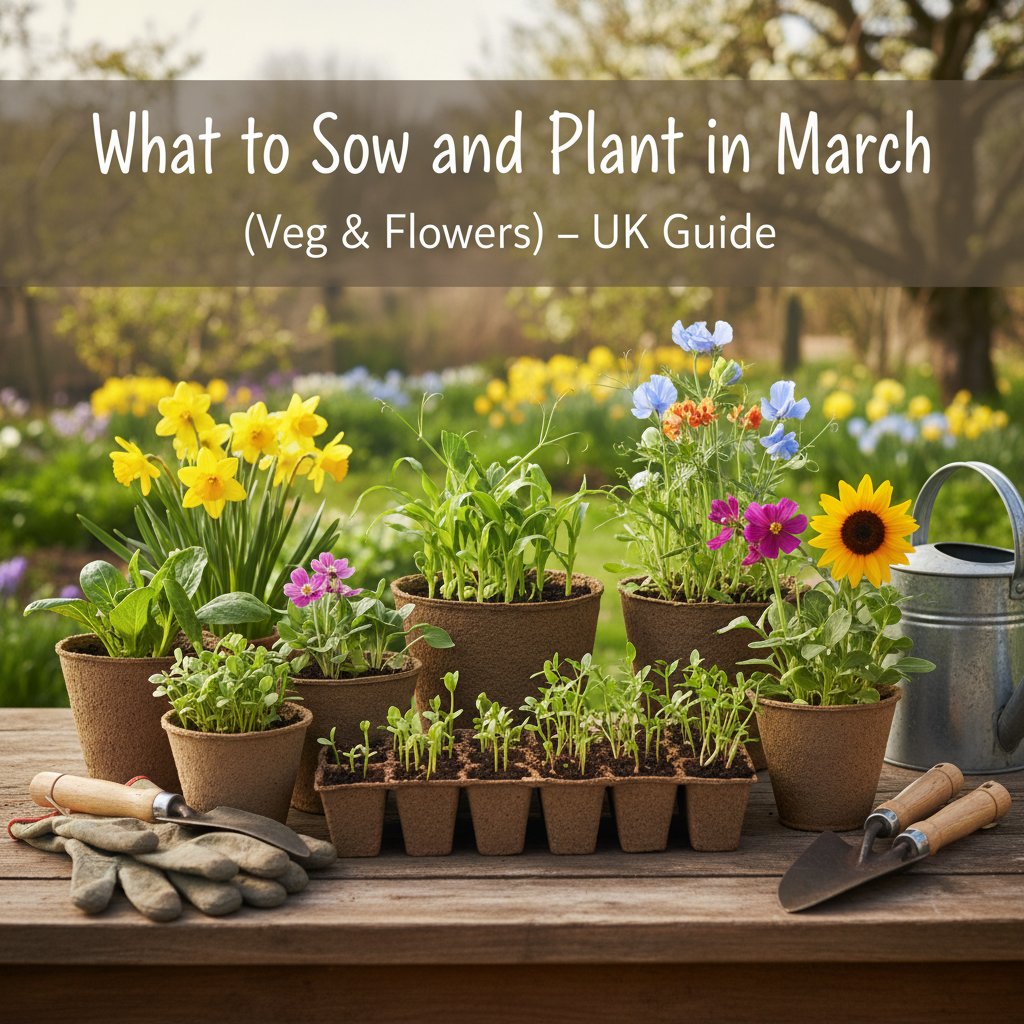
What to Plant in March
Discover what to plant in March in the UK - vegetables, flowers, fruits & herbs for a vibrant, pollinator-friendly garden.
Key takeaways
- March marks the true start of the growing season across the UK.
- Hardy vegetables can usually be sown directly into prepared soil once it is workable.
- Certain crops are planted rather than sown from seed during March.
- Early spring is one of the last opportunities to plant fruit bushes and trees before they break into active growth.
- ✅ Add compost or well-rotted manure to beds before planting.
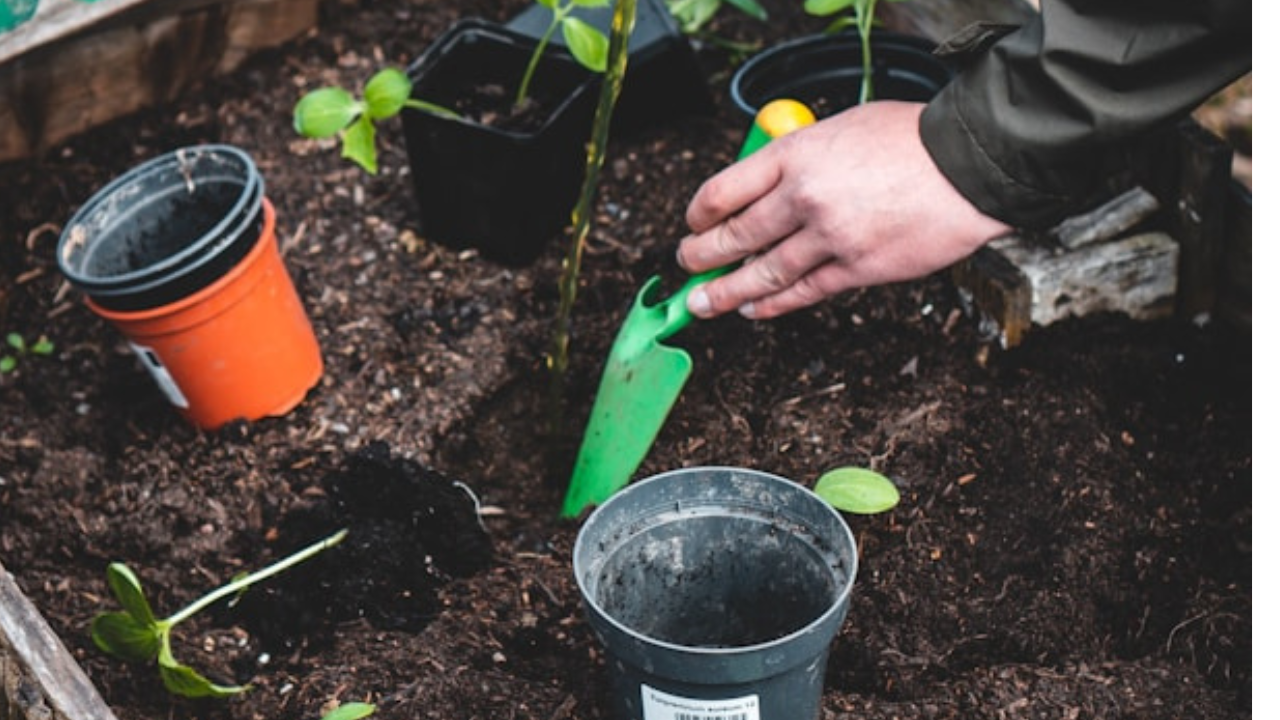
March is one of the most exciting months in the gardening calendar. As winter fades and daylight hours increase, soil temperatures slowly begin to rise, making it the perfect time for UK gardeners to start sowing seeds and planting early crops.
While late frosts are still possible, many hardy vegetables, flowers, fruits, and herbs thrive when planted in early spring. With the right preparation and protection, March planting sets the foundation for a productive garden throughout the year.
In this guide, we’ll cover what to plant in March in the UK, including vegetables, flowers, fruits, and herbs, along with practical tips to help you get the best results.
Why March Is an Important Month for UK Gardeners
March marks the true start of the growing season across the UK. Gardens begin waking up from winter dormancy, and gardeners can finally start sowing outdoors again.
Key gardening activities in March include:
✅ Sowing hardy vegetables directly into the soil
✅ Starting tender crops indoors or in a greenhouse
✅ Planting fruit bushes and perennial crops
✅ Preparing beds with compost or organic matter
Because the weather can still be unpredictable, it’s wise to keep horticultural fleece, cloches, or cold frames ready to protect young plants from sudden cold snaps.
Vegetables to Plant in March
March is a productive month for the vegetable garden or allotment. Many cool-season crops grow particularly well when planted in early spring.
Vegetables to Sow Outdoors in March
Hardy vegetables can usually be sown directly into prepared soil once it is workable.
Popular choices include:
Broad beans, Peas, Carrots, Parsnips, Beetroot, Radishes, Spinach, Lettuce and mixed salad leaves, Turnips, Swiss chard.
These crops tolerate cooler conditions and often germinate reliably in early spring soil.
Tip: If your soil is heavy or cold, cover it with cloches or plastic for a week before sowing to warm it slightly.
Some crops benefit from an early start indoors before being transplanted outside later in spring.
Vegetables to sow indoors include: Tomatoes, Chillies, Sweet peppers, Aubergines, Cucumbers
Starting these plants indoors on a warm windowsill or in a heated propagator gives them a longer growing season and stronger growth.
Vegetables to Plant from Sets, Tubers, or Crowns
Certain crops are planted rather than sown from seed during March.
These include: Onion sets, Shallots, Garlic, Asparagus crowns, Jerusalem artichokes, Early potatoes (after chitting)
Planting these now allows them to establish strong root systems before the warmer weather arrives.
Flowers to Plant in March
March is also an excellent time to sow flowers that will brighten your garden through summer while supporting pollinators like bees and butterflies.
These flowers cope well with cool spring weather: Cornflowers, Poppies-,Calendula (pot marigold), Nigella (Love-in-a-mist), Poached egg plant, Nasturtiums
Many of these varieties are easy to grow and excellent for wildlife-friendly gardens.
Flowers to Start Indoors
For earlier summer colour, start these flowers indoors in March: Sweet peas, Zinnias, Stocks, Coreopsis
Starting seeds indoors helps extend the flowering season and produces stronger plants ready to transplant later in spring.
Fruits to Plant in March
Early spring is one of the last opportunities to plant fruit bushes and trees before they break into active growth.
Fruit plants to consider planting include:
Strawberry plants or runners, Raspberry canes, Gooseberry bushes, Blackcurrant and redcurrant bushes, Bare-root fruit trees (before the end of the dormant season)
Planting fruit now allows roots to establish before the summer growing season begins.
Herbs to Plant in March
Many herbs can be started in March, especially indoors or in sheltered locations.
Popular herbs to sow include: Parsley, Basil, Chives, Coriander
These herbs grow well in containers, raised beds, or kitchen gardens and provide fresh flavours throughout the year.
Essential March Gardening Tips
To make the most of March planting, follow these helpful gardening tips.
Improve Your Soil
✅ Add compost or well-rotted manure to beds before planting. This improves soil structure and provides nutrients for new growth.
✅ Protect Seedlings from Frost, late frosts are still possible in March.
✅ Protect young plants using: Horticultural fleece, Cloches, Cold frames, Sow Little and Often
Instead of planting everything at once, sow small batches every two weeks. This technique extends harvesting periods for crops such as lettuce and radishes.
Start Seeds Indoors for Stronger Plants
A sunny windowsill, greenhouse, or propagator helps tender plants establish before they face outdoor conditions.
March is the perfect month to kick-start your garden for the year ahead. By sowing hardy vegetables outdoors and starting tender plants indoors, you can create a steady supply of crops, flowers, and herbs throughout spring and summer.
With a little preparation and frost protection, planting in March will help you build a productive and colourful garden for the months ahead.
March Planting : Frequently Asked Questions
Is March too early to start planting in the UK?
What vegetables grow best when planted in March?
Can I plant potatoes in March?
What flowers should I sow in March?
Should I worry about frost when planting in March?
Can herbs be planted in March?
Tags
Comments
Join the conversation
Create a free account to leave comments, share photos, and connect with other gardeners.