
How to Grow Jasmine: Complete UK Care Guide
A guide to growing summer, winter and star jasmine in UK gardens, covering hardiness, planting and pruning for each type.
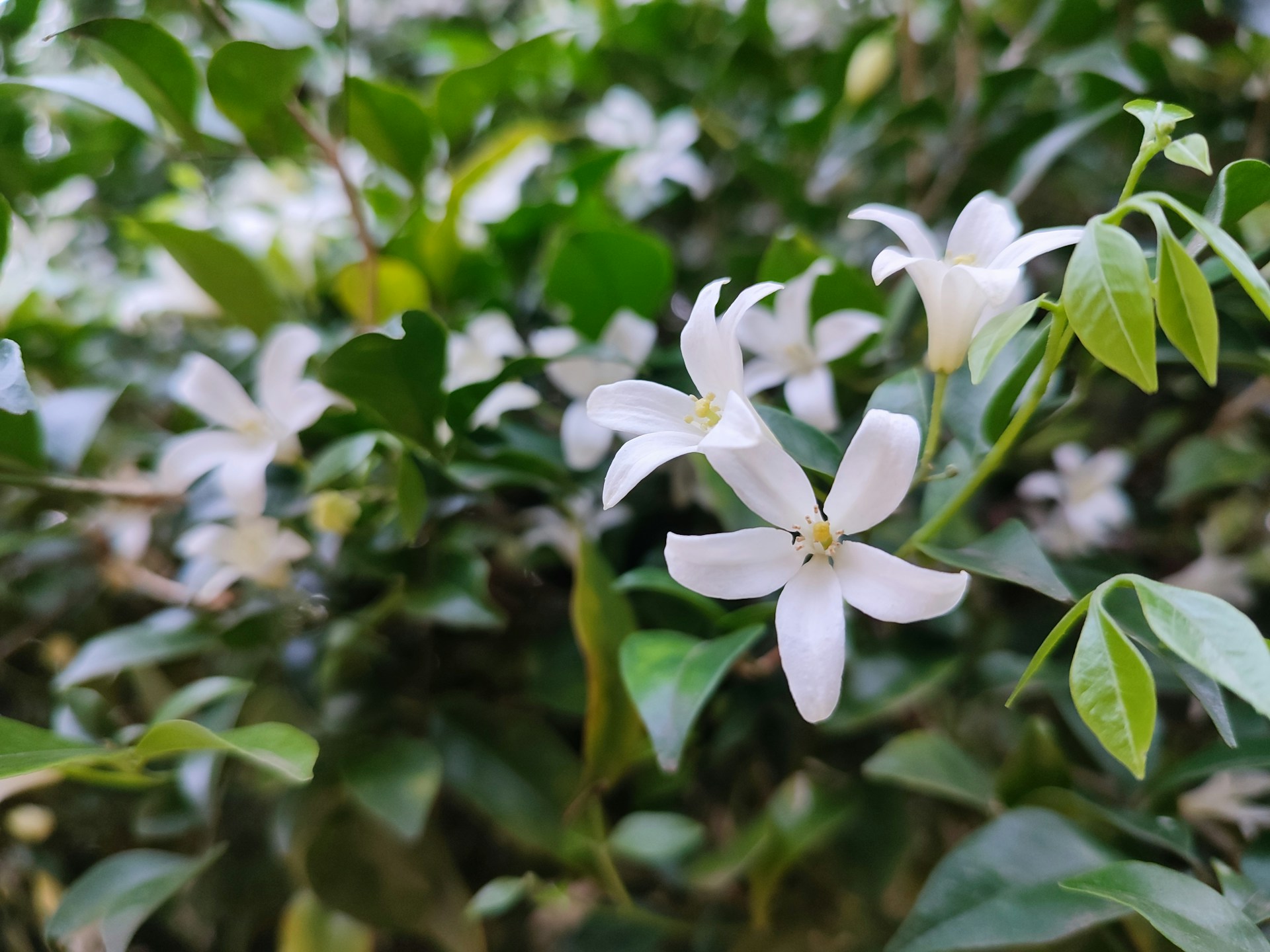
Jasmine brings scented flowers to UK gardens, but the right species depends on your climate and site. Summer jasmine (Jasminum officinale) is a hardy, fragrant climber for a sunny wall, winter jasmine (Jasminum nudiflorum) offers cheerful yellow flowers in the coldest months, while star jasmine (Trachelospermum jasminoides) needs a sheltered spot due to its more borderline hardiness.
Key takeaways
- Summer jasmine (Jasminum officinale) is fully hardy and highly fragrant, flowering June to September.
- Winter jasmine (Jasminum nudiflorum) flowers on bare stems from November to February and needs no support to scramble.
- Star jasmine (Trachelospermum jasminoides) is only borderline hardy and needs a sheltered, sunny wall in most of the UK.
- Prune summer jasmine after flowering; prune winter jasmine after flowering finishes in spring.
- All types benefit from a warm, sheltered position and free-draining soil.
| Attribute | Detail |
|---|---|
| Botanical name | Jasminum officinale, Jasminum nudiflorum, Trachelospermum jasminoides |
| Plant type | Climber (deciduous or evergreen depending on species) |
| Height & spread | Up to 3-9m depending on species |
| Hardiness | RHS H5-H6 for true jasmine; H4 for star jasmine |
| Position | Full sun, sheltered from cold winds |
| Soil | Fertile, well-drained |
| Flowering/interest period | Summer (officinale), winter (nudiflorum), summer (star jasmine) |
| Difficulty | Easy to moderate depending on species |
Choosing varieties
Jasmine sold in the UK covers several distinct species, so check the botanical name carefully before buying, as care and hardiness differ significantly.
| Variety | Type | Flowering time | Notes |
|---|---|---|---|
| Jasminum officinale | Summer jasmine | June-September | Fully hardy, strongly scented white flowers |
| Jasminum officinale 'Argenteovariegatum' | Summer jasmine | June-September | Variegated foliage, still fragrant |
| Jasminum nudiflorum | Winter jasmine | November-February | No scent, bright yellow, self-clinging habit needs tying in |
| Trachelospermum jasminoides | Star jasmine | June-August | Evergreen, needs sheltered wall, not truly hardy everywhere |
| Jasminum x stephanense | Summer jasmine hybrid | June-July | Pale pink flowers, vigorous |
Supports and where to plant
Summer jasmine and star jasmine twine and need trellis, wires or netting on a warm, sheltered, south or south-west facing wall. Winter jasmine has a lax, sprawling habit and does not climb by itself, so stems must be tied in to a support or allowed to cascade over a bank or wall. In colder or exposed parts of the UK, grow star jasmine against a warm wall or in a pot that can be moved under cover in winter. See our plants section for more climbing plant ideas.
How to plant jasmine
- Choose a sheltered, sunny site, ideally against a south or west-facing wall.
- Improve the soil with well-rotted organic matter, ensuring good drainage.
- Dig a hole slightly wider than the root ball, around 30-40cm from the support.
- Plant at the same depth as in the pot and backfill firmly.
- Water thoroughly after planting.
- Tie in young stems to their support, angling them towards it.
- Mulch to retain moisture and protect roots over winter.
Watering and feeding
Water regularly during the first two growing seasons, especially in dry weather, and continue watering established plants in prolonged drought. Feed in spring with a balanced, slow-release fertiliser, and apply a potash-rich feed such as a tomato feed during summer to boost flowering. Mulch annually to conserve moisture and protect roots.
Pruning
Prune summer jasmine after flowering in early autumn, thinning congested growth and shortening overly long stems, taking care not to cut too hard as flowers form on the current season's growth from the previous year. Winter jasmine should be pruned immediately after flowering finishes in spring, cutting flowered shoots back hard to encourage new growth for the following winter. Star jasmine needs only light trimming in spring to control size and shape, as it flowers on new growth.
Propagation
Take semi-ripe cuttings in summer from all three types, using a free-draining compost and providing warmth and humidity until rooted. Winter jasmine can also be propagated easily by layering, as its trailing stems root readily where they touch the soil.
Growing jasmine in pots
Jasmine, particularly star jasmine, grows well in pots at least 40cm wide with good drainage, using a loam-based compost such as John Innes No.3. Containers allow tender types to be moved to a sheltered spot, porch or greenhouse over winter in colder regions. Water more frequently than border plants and feed fortnightly through the growing season.
Common problems
| Problem | Symptom | Fix |
|---|---|---|
| Aphids | Sticky residue and distorted new growth | Encourage natural predators, wash off with water |
| Frost damage | Blackened leaves and shoot tips, especially star jasmine | Grow in a sheltered spot, protect with fleece in cold snaps |
| Scale insects | Small brown bumps on stems, sticky leaves | Wipe off with a cloth, encourage natural predators |
| Poor flowering | Few or no flowers | Increase sunlight, feed with potash-rich fertiliser |
Month-by-month care calendar
| Month | Task |
|---|---|
| January-February | Enjoy winter jasmine flowers, protect star jasmine from hard frost |
| March | Prune winter jasmine after flowering, apply feed |
| April-May | Tie in new growth, watch for aphids |
| June-August | Enjoy summer jasmine and star jasmine flowers, water in dry spells |
| September | Prune summer jasmine after flowering |
| October-December | Mulch for winter protection, watch for frost damage |
Jasmine FAQs
What is the difference between summer and winter jasmine?
Is star jasmine hardy in the UK?
Does winter jasmine need a support to climb?
When should I prune summer jasmine?
Can jasmine be grown in a container?
Why has my jasmine stopped flowering?
Tags
Comments
Join the conversation
Create a free account to leave comments, share photos, and connect with other gardeners.
Related Articles

Choosing and Growing the Best Clematis for UK Gardens
Discover how to grow beautiful Clematis in the UK. This guide covers pruning groups, seasonal care, and the best varieties for vertical interest in your garden.
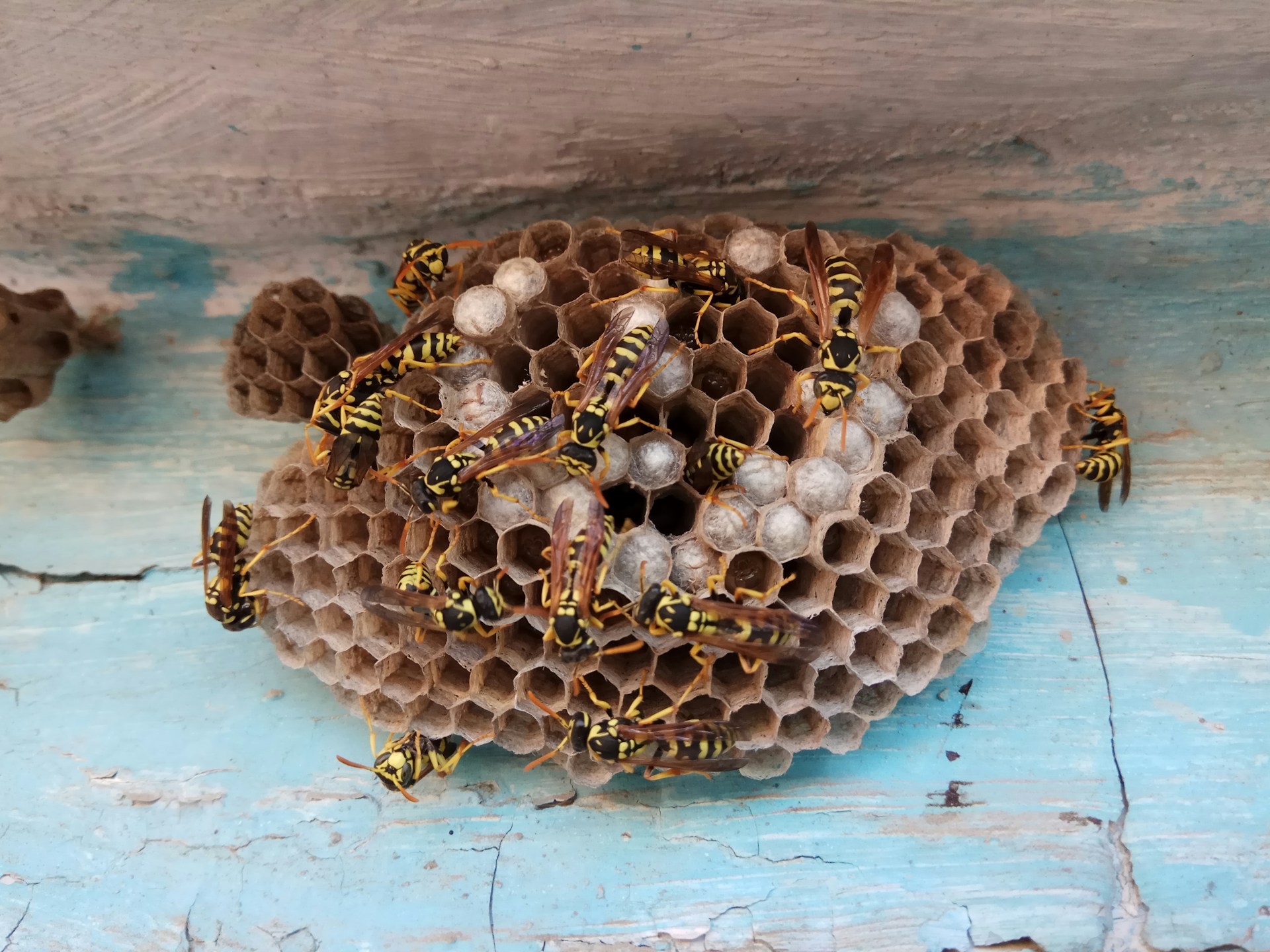
How to Get Rid of Flies and Wasps in Your Garden: UK Guide
Wasps peak in late summer as colonies max out and turn to scavenging, while flies breed fast around bins and fallen fruit all season - this guide covers prevention, physical control and when a chemical treatment is actually needed.

Discover the Top 5 Clematis Varieties to Flourish in the UK
If you’re a gardening enthusiast in the UK, you’re likely familiar with the allure of clematis, the stunning flowering vine that adds a touch of elegance to any garden. Discover the Top 5 Clematis Varieties to Flourish in the UK

How to Care for a Snake Plant: Complete UK Guide
Snake plants are one of the toughest houseplants around, tolerating low light and irregular watering while purifying indoor air.
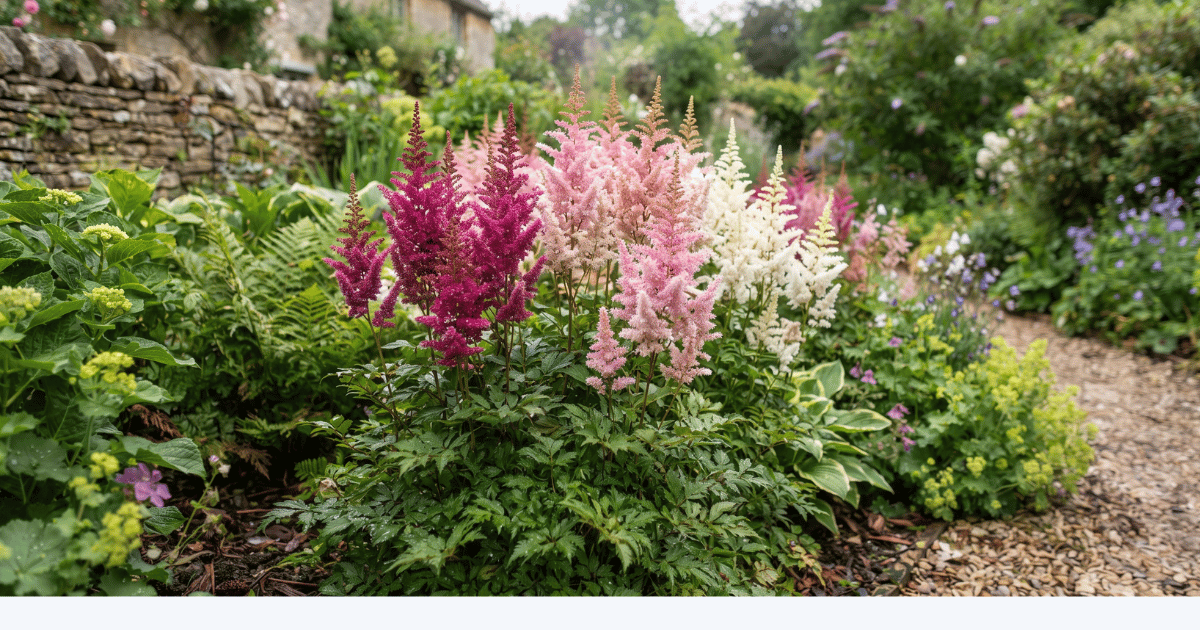
How to Grow Astilbe: Complete UK Care Guide
Astilbe brings feathery plumes of colour to moist, shady borders in summer, but needs consistently damp soil to prevent scorched, crispy foliage.
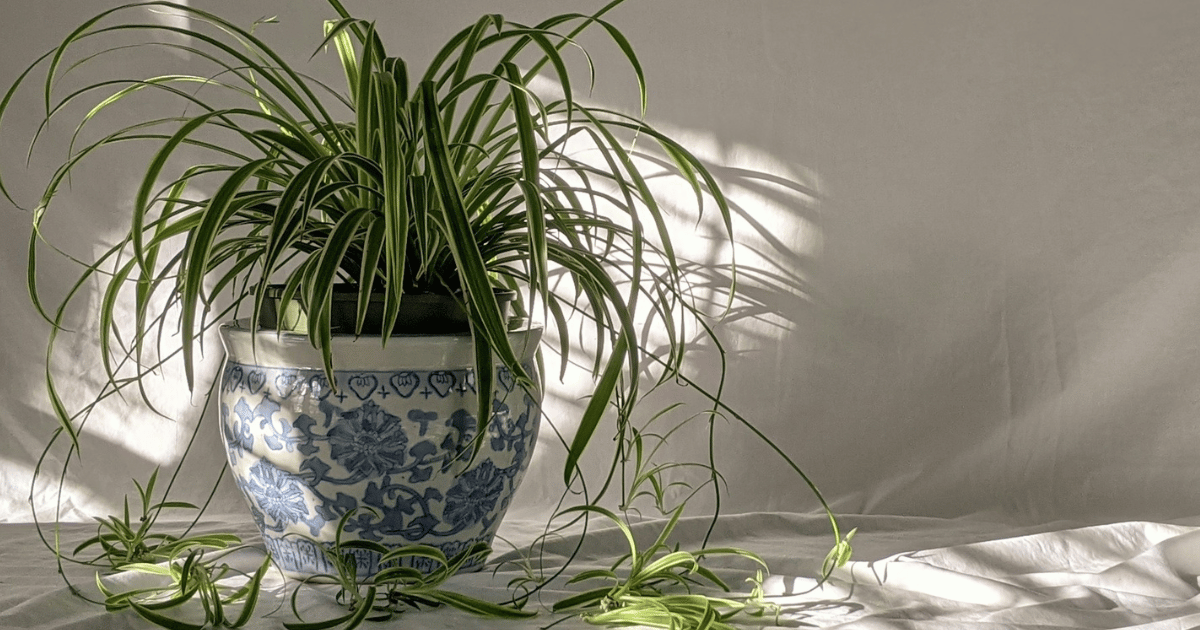
How to Care for a Spider Plant: Complete UK Guide
Spider plants are cheerful, resilient houseplants that produce cascades of plantlets, making them ideal for beginners and easy propagation.