
How to Grow Honeysuckle: Complete UK Care Guide
Learn how to plant, prune and care for honeysuckle in the UK, plus how to deal with common pests like aphids and mildew.
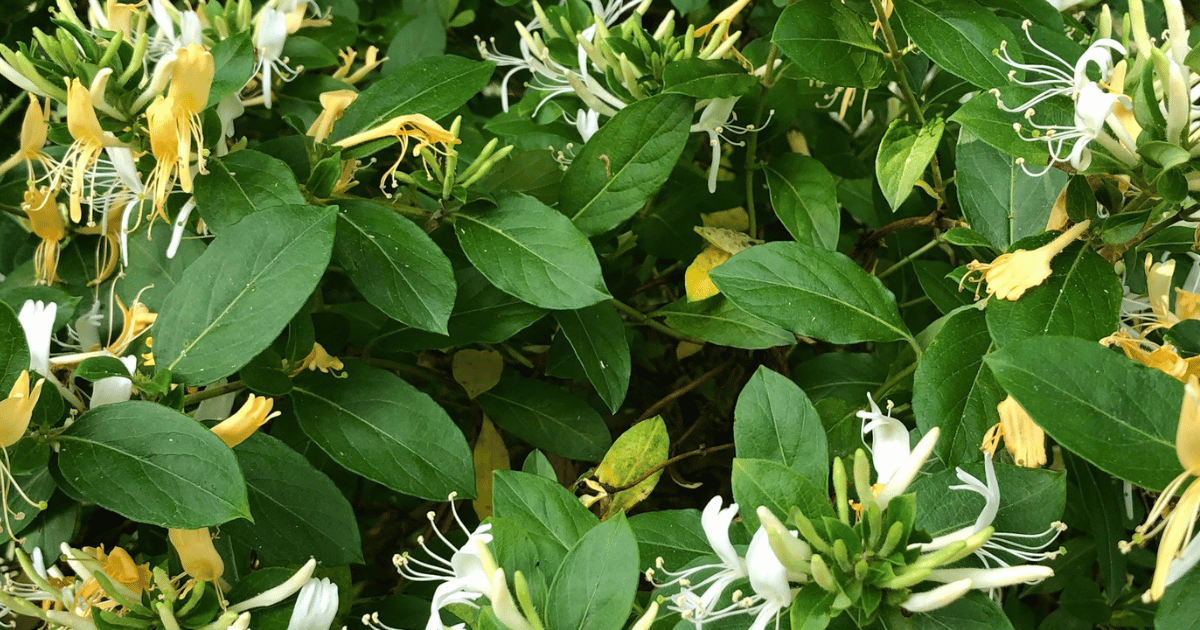
Honeysuckle (Lonicera) is a fragrant, vigorous climber prized for its scented summer flowers and value to pollinators. It thrives in UK gardens on a trellis or fence with its roots shaded and cool, and once established needs only modest pruning and feeding to flower reliably year after year.
Key takeaways
- Honeysuckle flowers best with roots in shade and top growth reaching for the sun.
- Choose Lonicera periclymenum cultivars for the strongest evening fragrance.
- Prune after flowering, removing a third of old growth to prevent bare, leggy stems.
- Aphids and powdery mildew are the most common problems, especially in dry summers.
- Honeysuckle flowers are an excellent nectar source for moths and bees at dusk.
| Attribute | Detail |
|---|---|
| Botanical name | Lonicera periclymenum and related species |
| Plant type | Deciduous or semi-evergreen climber |
| Height & spread | Up to 4-7m x 1.5-2m |
| Hardiness | RHS H5-H6 (fully hardy) |
| Position | Full sun to partial shade, shaded roots |
| Soil | Moist, well-drained, fertile |
| Flowering/interest period | June to September |
| Difficulty | Easy |
Choosing varieties
There are dozens of honeysuckle cultivars suited to UK gardens, ranging from strongly scented native types to bold, less fragrant hybrids.
| Variety | Flower colour | Scent | Notes |
|---|---|---|---|
| Lonicera periclymenum 'Graham Thomas' | Cream to yellow | Strong, especially evening | Long flowering season |
| Lonicera periclymenum 'Serotina' | Purple-red and cream | Strong | Late flowering into autumn |
| Lonicera x brownii 'Dropmore Scarlet' | Scarlet-orange | Little to none | Loved by hummingbird hawk-moths |
| Lonicera japonica 'Halliana' | White ageing to yellow | Strong | Semi-evergreen, vigorous |
| Lonicera x americana | Yellow flushed purple | Very strong | Excellent for pergolas |
Supports and where to plant
Honeysuckle twines its stems around supports, so trellis, wires, obelisks or a rustic arch all work well. Plant near a door, window or seating area to make the most of the evening fragrance. As with other climbers, keep the roots cool and shaded with a mulch or low planting, while allowing the top to grow into sun or light shade. Avoid deep shade, which reduces flowering. For further planting inspiration, see our grow guides.
How to plant honeysuckle
- Prepare the soil by digging in well-rotted organic matter.
- Dig a hole around 30cm from the base of the support, angling the plant towards it.
- Soak the root ball before planting.
- Plant at the same depth as it was in the pot and backfill firmly.
- Water thoroughly and mulch to retain moisture and shade the roots.
- Loosely tie young stems to the support until they begin twining unaided.
Watering and feeding
Water regularly in the first two seasons, particularly during dry spells, as honeysuckle dislikes drying out at the roots. Established plants tolerate short dry periods but flower better with consistent moisture. Apply a balanced, slow-release fertiliser in spring and mulch annually with garden compost to conserve moisture and feed the soil.
Pruning
Prune honeysuckle after flowering, typically in late summer, cutting back flowered shoots by around a third to keep growth compact. Every few years, remove around a third of the oldest, woodiest stems at the base to rejuvenate a congested plant and encourage strong new growth from lower down. Avoid pruning in spring, as this removes the developing flower buds.
Propagation
Take softwood cuttings in early summer or semi-ripe cuttings in late summer, inserting them into free-draining compost and keeping humid until rooted. Layering is also reliable: peg a low stem into the soil in autumn and it should have rooted by the following autumn, ready to be severed and transplanted.
Growing honeysuckle in pots
Honeysuckle can be grown in a large container of at least 40-50cm diameter with a sturdy support such as an obelisk. Use a loam-based compost like John Innes No.3 and water more frequently than border plants, as pots dry out faster. Feed fortnightly during the growing season and repot or top-dress every couple of years.
Common problems
| Problem | Symptom | Fix |
|---|---|---|
| Aphids | Clusters on new shoots and buds, sticky honeydew | Encourage ladybirds and hoverflies, hose off or use soapy water |
| Powdery mildew | White powder on leaves, common in dry summers | Water at the base, mulch to retain moisture, improve airflow |
| Leaf-rolling sawfly | Rolled, distorted leaves | Remove and dispose of affected leaves |
| Legginess | Bare stems at the base, flowers only at the top | Rejuvenation prune, removing a third of old wood |
Month-by-month care calendar
| Month | Task |
|---|---|
| March | Apply balanced feed and mulch |
| April-May | Tie in new growth, watch for aphids |
| June-August | Enjoy flowering, water in dry spells, watch for mildew |
| September | Prune after flowering finishes |
| October-November | Plant new honeysuckle, take semi-ripe cuttings |
| December-February | Check supports and structure, plan rejuvenation pruning if needed |
Honeysuckle FAQs
Is honeysuckle easy to grow in the UK?
Why does my honeysuckle smell weaker than expected?
When is the best time to prune honeysuckle?
Is honeysuckle good for wildlife?
Can honeysuckle be grown in a container?
Why are the leaves on my honeysuckle turning white and powdery?
Tags
Comments
Join the conversation
Create a free account to leave comments, share photos, and connect with other gardeners.
Related Articles

Choosing and Growing the Best Clematis for UK Gardens
Discover how to grow beautiful Clematis in the UK. This guide covers pruning groups, seasonal care, and the best varieties for vertical interest in your garden.
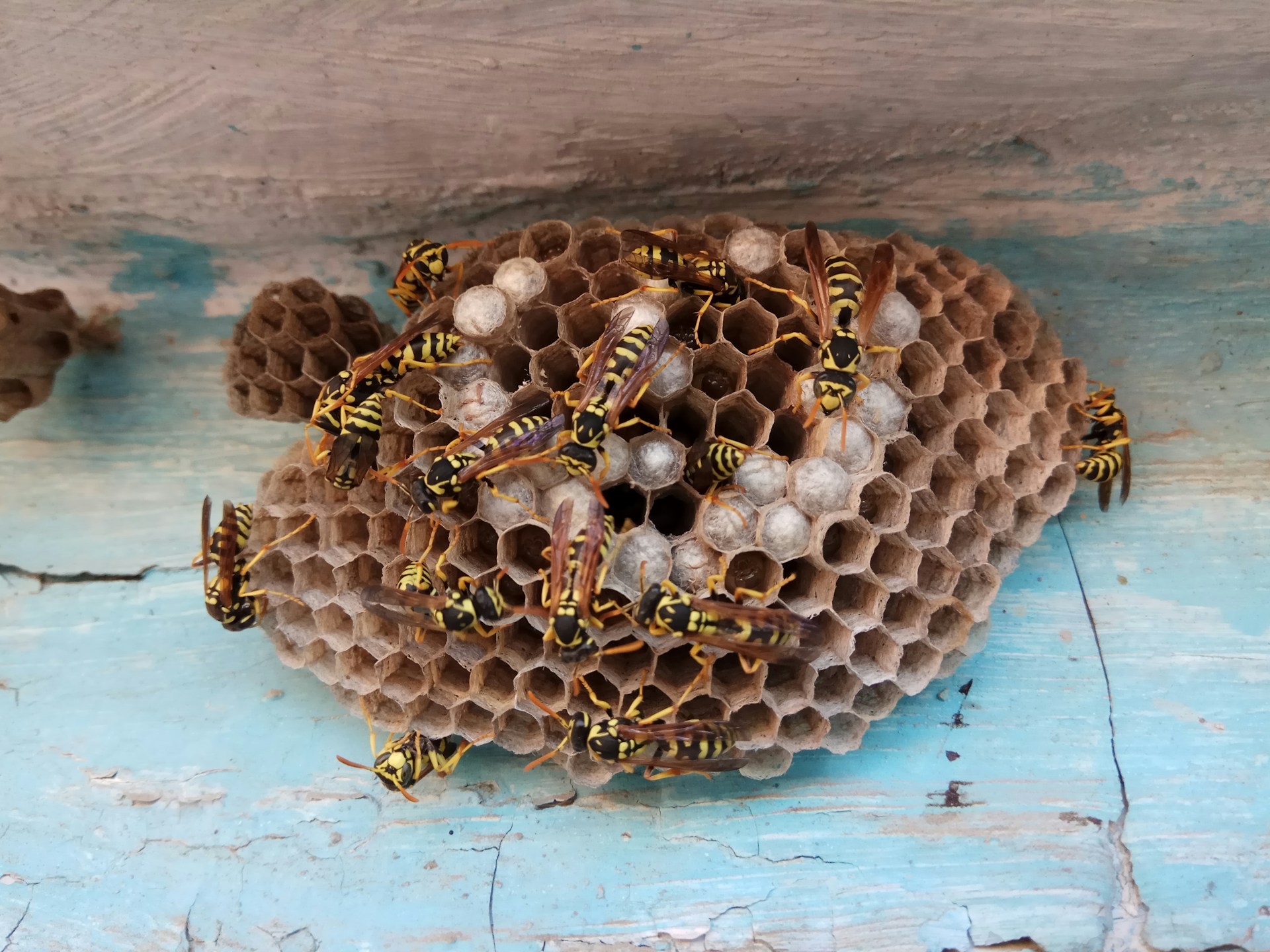
How to Get Rid of Flies and Wasps in Your Garden: UK Guide
Wasps peak in late summer as colonies max out and turn to scavenging, while flies breed fast around bins and fallen fruit all season - this guide covers prevention, physical control and when a chemical treatment is actually needed.

Discover the Top 5 Clematis Varieties to Flourish in the UK
If you’re a gardening enthusiast in the UK, you’re likely familiar with the allure of clematis, the stunning flowering vine that adds a touch of elegance to any garden. Discover the Top 5 Clematis Varieties to Flourish in the UK

How to Care for a Snake Plant: Complete UK Guide
Snake plants are one of the toughest houseplants around, tolerating low light and irregular watering while purifying indoor air.
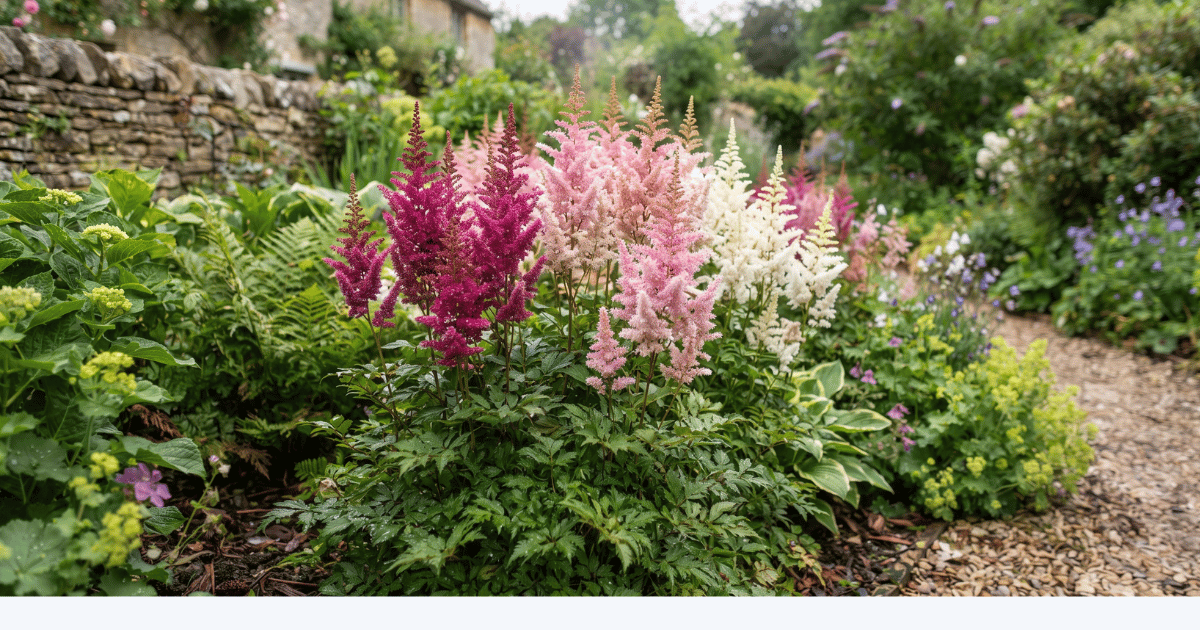
How to Grow Astilbe: Complete UK Care Guide
Astilbe brings feathery plumes of colour to moist, shady borders in summer, but needs consistently damp soil to prevent scorched, crispy foliage.
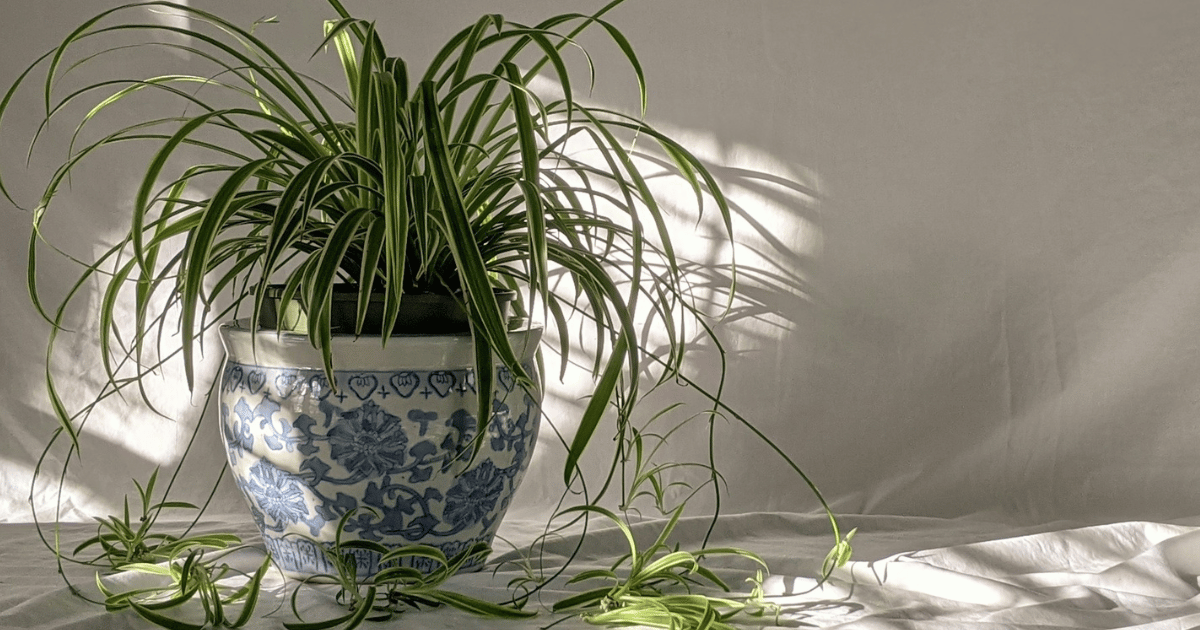
How to Care for a Spider Plant: Complete UK Guide
Spider plants are cheerful, resilient houseplants that produce cascades of plantlets, making them ideal for beginners and easy propagation.