
How to Grow Ivy: Complete UK Care Guide
Everything you need to know about growing, controlling and living with ivy in a UK garden, including its wildlife value.
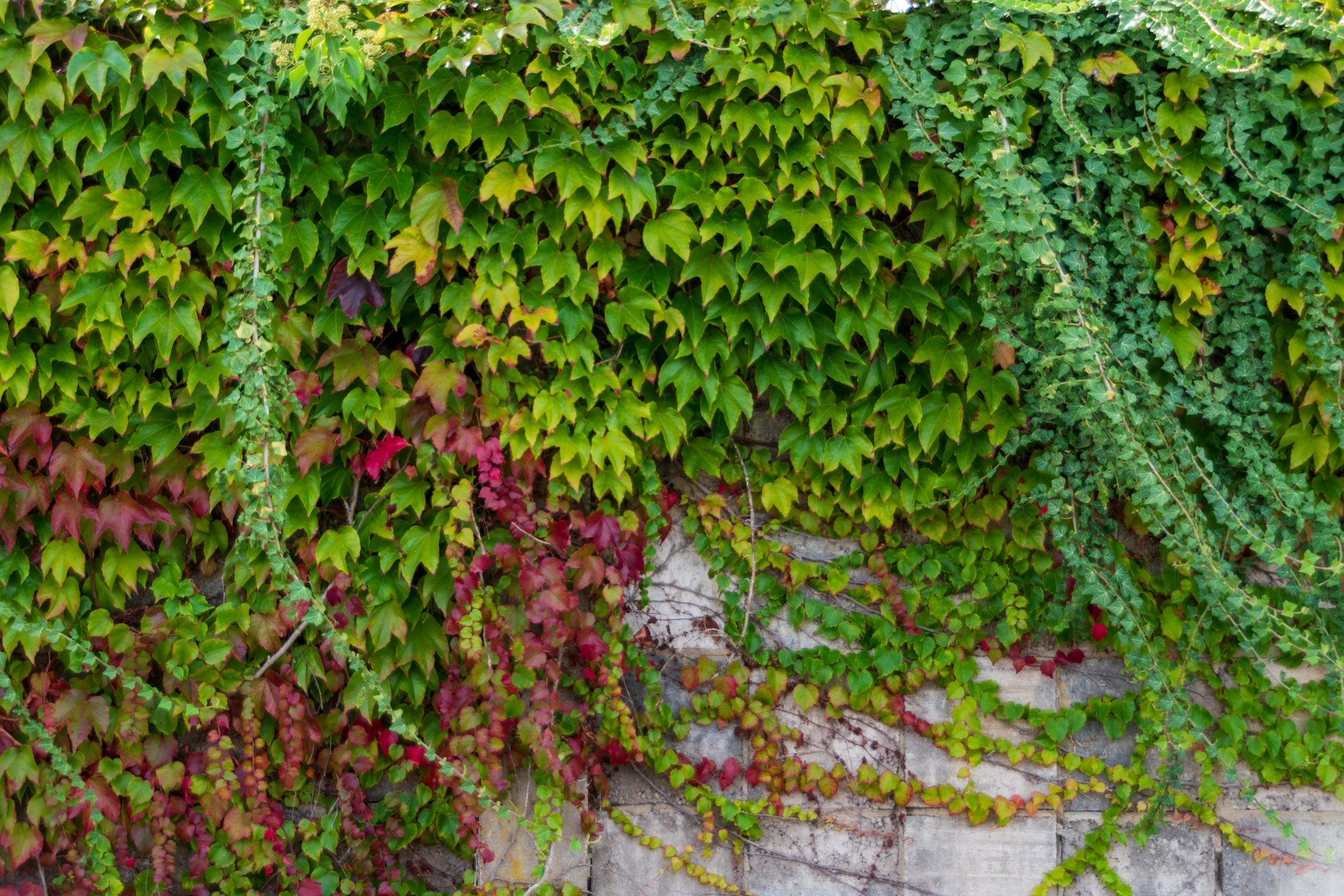
Ivy (Hedera) is a self-clinging evergreen climber valued for year-round cover, low maintenance and wildlife benefits. Contrary to popular belief, ivy rarely damages sound brickwork but can worsen existing cracks or damp mortar, so it is worth checking wall condition before letting it climb freely, and controlling growth with an annual trim.
Key takeaways
- Ivy climbs using aerial roots that cling to surfaces rather than penetrate sound masonry.
- It is one of the best UK plants for wildlife, offering autumn nectar and winter shelter and berries.
- Damage to walls is usually linked to existing cracks or poor mortar, not the ivy itself.
- Keep growth in check with an annual trim in late winter or early spring before nesting season.
- Variegated cultivars offer colourful groundcover or climbing options for shadier spots.
| Attribute | Detail |
|---|---|
| Botanical name | Hedera helix and Hedera hibernica |
| Plant type | Evergreen self-clinging climber or groundcover |
| Height & spread | Up to 10m if unchecked, spreading widely as groundcover |
| Hardiness | RHS H6 (fully hardy) |
| Position | Sun to full shade |
| Soil | Any well-drained soil |
| Flowering/interest period | Autumn flowers, winter berries, year-round foliage |
| Difficulty | Easy |
Choosing varieties
Ivy comes in many leaf shapes and colours, from plain green types for wildlife cover to variegated cultivars for decorative effect.
| Variety | Leaf type | Growth habit | Notes |
|---|---|---|---|
| Hedera helix 'Glacier' | Grey-green, cream-edged | Moderate | Good for containers and shade |
| Hedera helix 'Goldheart' | Green with gold centre | Vigorous | Bright colour, needs some sun |
| Hedera hibernica | Large, dark green | Vigorous | Common Irish ivy, excellent groundcover |
| Hedera helix 'Buttercup' | Yellow-green | Slower | Colour best in full sun |
| Hedera colchica 'Sulphur Heart' | Large, splashed yellow | Vigorous | Bold variegation, good screening |
Supports and where to plant
Ivy is self-clinging, attaching itself to walls, fences and tree trunks using aerial roots, so no additional support or tying in is needed. It is ideal for covering unattractive structures, shady fences, or as groundcover under trees where little else thrives. Take care when planting against rendered or already-damaged walls, and consider a trellis set slightly away from the surface if you want cover without direct wall contact. For more planting ideas, browse our plants and how-to sections.
How to plant ivy
- Choose a site in sun or shade, checking the wall or fence is sound if growing as a climber.
- Prepare the soil by loosening it and adding organic matter if poor.
- Dig a hole slightly larger than the root ball, close to the base of the support.
- Plant at the same depth as in the pot and firm in well.
- Water thoroughly after planting and during the first growing season.
- Direct young shoots towards the support to help establish initial contact.
Watering and feeding
Ivy needs regular watering only in its first year while establishing; thereafter it is drought-tolerant and rarely needs feeding. On poor soils, an annual mulch of garden compost in spring is usually sufficient to keep growth healthy without encouraging excessive vigour.
Pruning: controlling ivy
Trim ivy annually in late winter or early spring, before birds begin nesting, cutting back to control spread and prevent it smothering gutters, windows or other plants. Use secateurs or shears depending on the area, and clear growth away from roof tiles, guttering and window frames regularly, as these areas are most likely to suffer damage. For groundcover ivy, mow or strim periodically to prevent it encroaching on lawns or paths. To remove ivy entirely, cut through stems at the base first and allow the top growth to die back before pulling it away, rather than ripping it off a wall while alive, which can damage the surface.
Does ivy damage walls?
Ivy's aerial roots cling to surfaces rather than actively penetrating sound brick or stone, so on well-maintained masonry it generally causes little harm and can even offer some insulation and weather protection. However, it can exploit and widen existing cracks, trap damp against poor mortar, and cause problems if allowed to grow into guttering, under roof tiles or over window frames. Inspect walls periodically and keep ivy trimmed away from vulnerable points.
Propagation
Ivy is easy to propagate from semi-ripe cuttings taken in summer, or simply by rooting sections of stem in water before potting on. Cuttings root readily, making ivy one of the simplest climbers to propagate for filling gaps elsewhere in the garden.
Growing ivy in pots
Ivy grows well in containers, either trained up a small support or left to trail over the edge. Use a peat-free multipurpose or loam-based compost, water regularly as pots dry faster than open ground, and trim periodically to keep a neat shape. Variegated types often show best colour in a container in good light.
Common problems
| Problem | Symptom | Fix |
|---|---|---|
| Excessive spread | Ivy smothering other plants, gutters or windows | Trim annually in late winter, cut back hard if needed |
| Leaf spot | Brown or black spots on leaves | Remove affected leaves, improve airflow |
| Scale insects | Small brown bumps, sticky residue on leaves | Wipe off affected areas, encourage natural predators |
| Damage to weak mortar | Cracking or damp patches on old walls | Remove ivy carefully, repair mortar before replanting |
Month-by-month care calendar
| Month | Task |
|---|---|
| January-February | Trim before nesting season begins |
| March | Apply mulch if soil is poor |
| April-June | Avoid pruning during bird nesting season |
| July-August | Take semi-ripe cuttings, check for scale insects |
| September-October | Enjoy autumn flowers, valuable for pollinators |
| November-December | Berries provide winter food for birds; inspect wall condition |
Ivy FAQs
Does ivy really damage walls?
Is ivy good for wildlife?
How do I stop ivy taking over my garden?
When should I prune ivy?
Can ivy grow in full shade?
How do I remove ivy from a wall safely?
Tags
Comments
Join the conversation
Create a free account to leave comments, share photos, and connect with other gardeners.
Related Articles

Choosing and Growing the Best Clematis for UK Gardens
Discover how to grow beautiful Clematis in the UK. This guide covers pruning groups, seasonal care, and the best varieties for vertical interest in your garden.
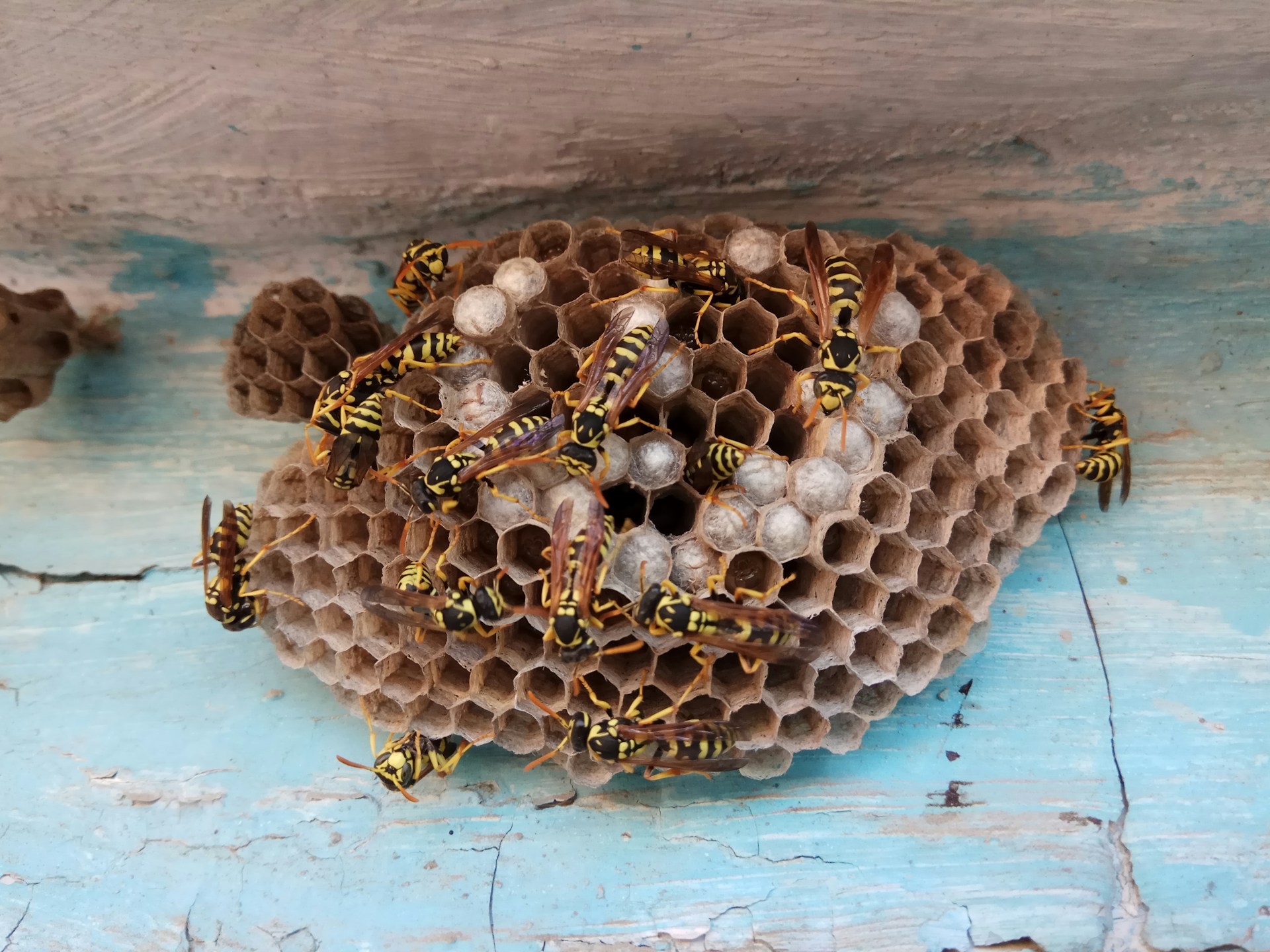
How to Get Rid of Flies and Wasps in Your Garden: UK Guide
Wasps peak in late summer as colonies max out and turn to scavenging, while flies breed fast around bins and fallen fruit all season - this guide covers prevention, physical control and when a chemical treatment is actually needed.

Discover the Top 5 Clematis Varieties to Flourish in the UK
If you’re a gardening enthusiast in the UK, you’re likely familiar with the allure of clematis, the stunning flowering vine that adds a touch of elegance to any garden. Discover the Top 5 Clematis Varieties to Flourish in the UK

How to Care for a Snake Plant: Complete UK Guide
Snake plants are one of the toughest houseplants around, tolerating low light and irregular watering while purifying indoor air.
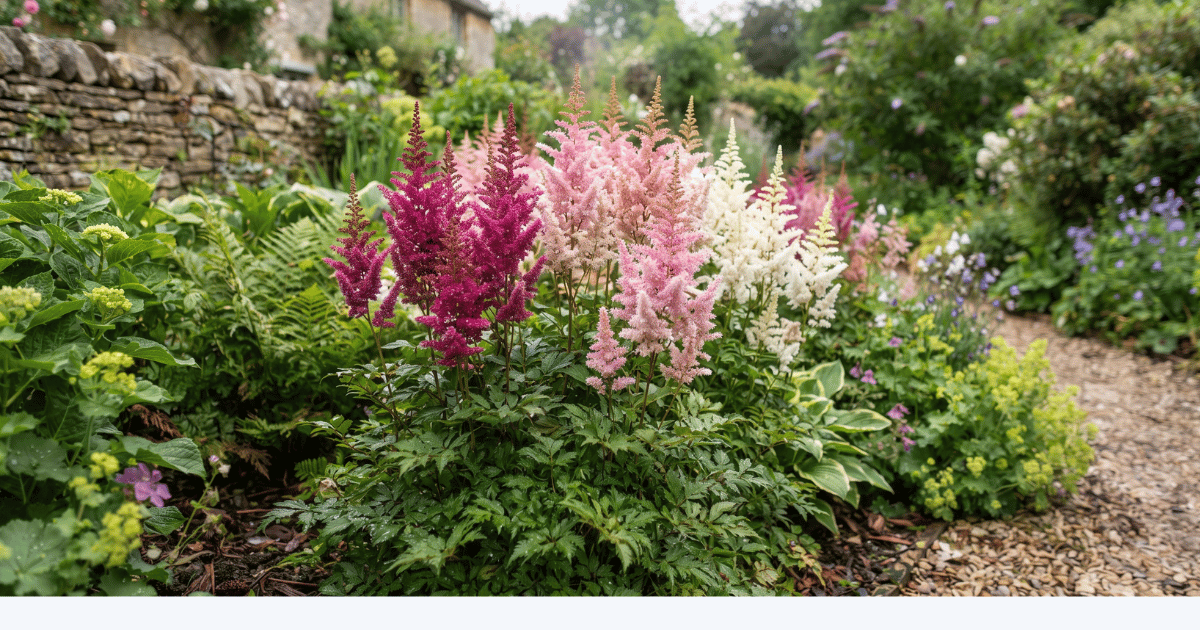
How to Grow Astilbe: Complete UK Care Guide
Astilbe brings feathery plumes of colour to moist, shady borders in summer, but needs consistently damp soil to prevent scorched, crispy foliage.
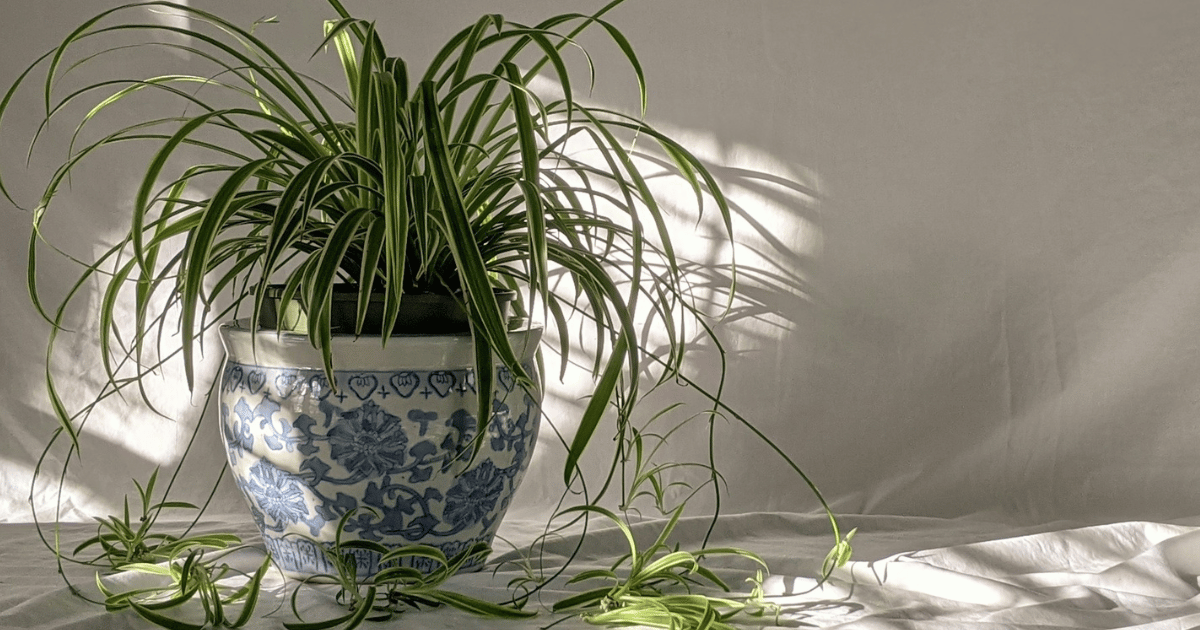
How to Care for a Spider Plant: Complete UK Guide
Spider plants are cheerful, resilient houseplants that produce cascades of plantlets, making them ideal for beginners and easy propagation.