
How to add colour to your garden year round
Achieving year-round garden colour is defined by combining evergreen structure, succession planting, and non-floral elements to maintain visual interest through every season.
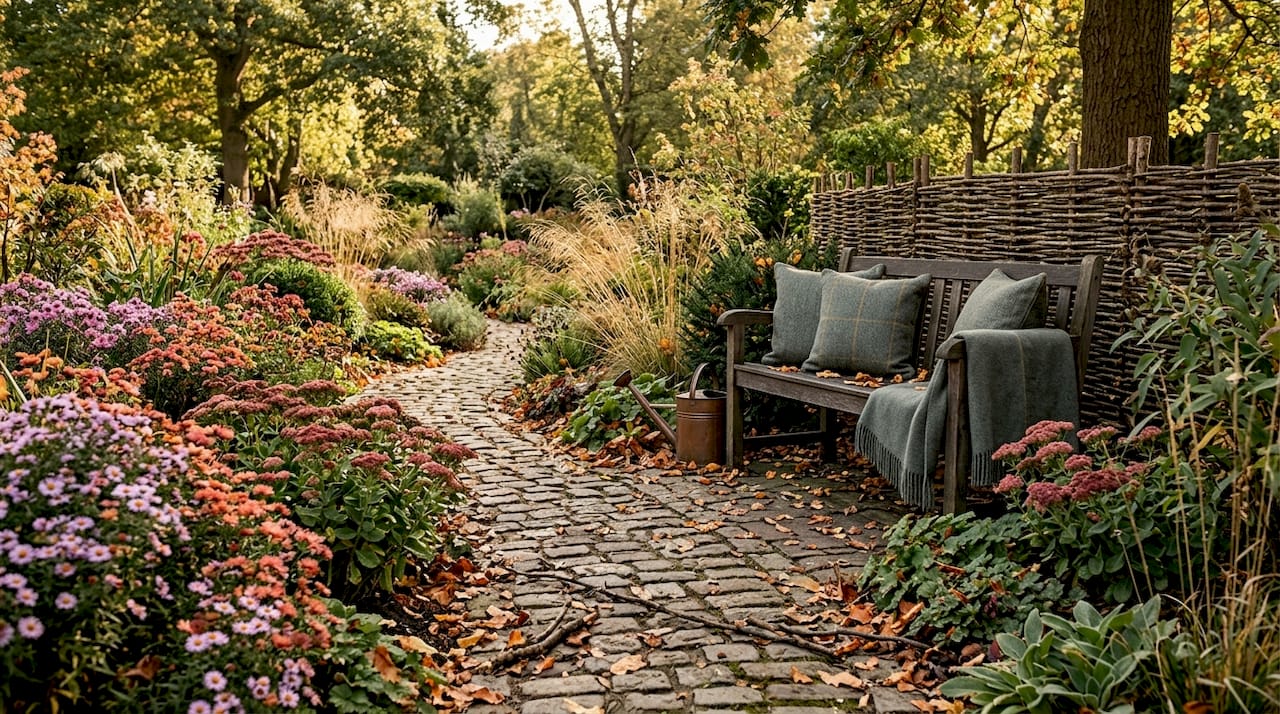
Achieving year-round garden colour is defined by combining evergreen structure, succession planting, and non-floral elements to maintain visual interest through every season. The approach, which Rain Bird describes as an “everblooming garden,” avoids colour dead zones by staging bloom times across spring, summer, autumn, and winter. For UK homeowners, this means thinking beyond flowers alone. When you add colour to your garden year round, you are building a layered system where plants, foliage, and decorative features each carry their weight at different points in the calendar.
Which plants provide the best evergreen structure for year-round colour?
Evergreens like Viburnum and Boxwoods provide year-round structure and a green backdrop even when flowers are absent. They form the backbone of any year-round garden design, giving the space a sense of permanence and depth regardless of the season. Without this structural layer, a garden can look bare and flat from November through to March.
For UK gardens specifically, a handful of evergreen shrubs stand out for their reliability and visual impact:
- Buxus sempervirens (Common Boxwood): Dense, clippable, and tolerant of most UK soils. Ideal for formal structure and low hedging.
- Viburnum tinus: Produces white or pink flower clusters from late autumn through winter, then holds glossy dark foliage all year.
- Lavandula (Lavender): Grey-green foliage persists through winter, with purple flower spikes from June to August. Drought-tolerant and bee-friendly.
- Euonymus fortunei: Variegated foliage in gold, cream, or white provides bright contrast even in deep winter.
- Pittosporum tenuifolium: Wavy-edged leaves in silver, purple, or green add texture and colour to borders from January to December.
Mediterranean shrubs such as Lavandula, Salvia rosmarinus, and Cistus stay evergreen and drought-tolerant in British gardens, adding resilience and year-round greenery. They suit well-drained soils and south-facing borders particularly well, making them a practical choice for gardens that receive little summer rainfall.
Pro Tip: Place your tallest evergreen shrubs at the back of borders or along fence lines. This creates a permanent green frame that makes seasonal flowers in front look more deliberate and polished, even in the depths of winter.
For a detailed selection of the best options for British conditions, Garden-Review’s guide to top evergreen shrubs covers ten reliable varieties with planting and care advice.
How does succession planting keep flowers blooming all year?
Succession planting is the practice of choosing plants with staggered flowering times so that as one plant finishes blooming, another begins. Staggering bloom times maintains a continuous transition of floral displays from season to season, which is the single most effective strategy for keeping a garden colourful without replanting from scratch each year.
Here is how to build a succession planting plan across the four seasons:
- Spring: Plant tulips, daffodils, and alliums as bulbs in autumn for colour from February through May. Combine early-flowering Helleborus orientalis with mid-season Narcissus for a rolling display.
- Early summer: Peonies, Geranium ‘Rozanne’, and Salvia nemorosa bridge the gap between spring bulbs and high-summer perennials. These are reliable, low-maintenance, and return year after year.
- Late summer: Roses, Echinacea purpurea, and Rudbeckia fulgida carry colour from July into September. Deadhead regularly to extend flowering.
- Autumn: Japanese anemones, asters, and Sedum ‘Autumn Joy’ take over as summer plants fade. These are often overlooked but provide some of the richest pinks and purples of the gardening year.
- Winter: Hellebores, Cyclamen coum, and Sarcococca confusa (sweet box) flower in the coldest months. Pair them with plants like Redtwig Dogwood, whose red stems and holly berries maintain striking colour and texture through frost.
Planting spring-flowering bulbs in autumn is one of the most reliable ways to extend vibrancy into early spring, yet many gardeners skip this step and then wonder why their garden looks dull in February. Bulbs planted in October and November require almost no maintenance and deliver a reliable return every year.
Containers and hanging baskets add flexibility to this system. You can swap in seasonal plants without disturbing your borders, which is particularly useful for patios and small gardens. Garden-Review’s guide to shrubs for garden pots covers the best container choices for year-round interest.
Pro Tip: When planning your succession, aim for at least one plant in flower at any given week of the year. Write down the flowering periods of every plant you own and look for the gaps. Those gaps are where you need to add something new.
What non-floral elements add colour when plants aren’t blooming?
Colourful garden furniture holds vibrancy through leaf fall and winter rain, offering reliable outdoor colour when plants are not in bloom. This is the most underused strategy in UK gardens. Most homeowners invest heavily in plants but ignore the visual impact of a well-chosen bench, a set of painted pots, or a brightly coloured outdoor rug.
Non-floral colour elements worth considering include:
- Garden furniture: UV-resistant frames in teal, mustard, or terracotta hold their colour through British winters far better than most flowering plants. Weatherproof fabrics on cushions and seat pads extend the palette further.
- Painted pots and containers: A cluster of pots in complementary colours creates a focal point that works in any season. Terracotta painted in cobalt blue or sage green looks striking against winter foliage.
- Decorative hardscaping: Coloured gravel, mosaic stepping stones, and painted fences or walls provide a permanent colour backdrop that requires no seasonal maintenance.
- Ornaments and sculpture: A single well-placed piece in a bold colour draws the eye and anchors the garden’s visual composition during bare months.
UV-resistant outdoor fabrics and weatherproof frames prolong furniture colour through the seasons, which means a one-time investment in quality pieces pays off across multiple winters. The key is to choose colours that complement your planting palette rather than compete with it.
Position these elements where they are visible from inside the house, particularly from the kitchen or living room window. A garden that looks good from indoors during January is worth far more to daily life than one that only performs in July.
How to layer plants for depth and year-round visual interest
Layering plants by height adds garden depth and avoids monotony by mixing plant heights, bloom times, and foliage for seasonal variety. The principle is straightforward: tall structural plants at the back, mid-size perennials and shrubs in the middle, and low groundcovers or edging plants at the front. This arrangement means every plant is visible and contributes to the overall composition.
The table below shows how to combine layers for continuous colour across the year:
| Layer | Plant examples | Primary season of interest |
|---|---|---|
| Tall (back) | Viburnum tinus, Pittosporum, ornamental grasses | Autumn through spring |
| Mid (centre) | Peonies, Salvia, Rudbeckia, Japanese anemones | Spring through autumn |
| Low (front) | Lavender, Geranium, Cyclamen, Ajuga reptans | Year-round, varies by variety |
| Ground cover | Vinca minor, Pachysandra, Epimedium | Year-round foliage |
Combining evergreen anchors, seasonal flowering plants, and structural accents creates continuous seasonal interest, which is why the layered approach outperforms single-season planting every time. Foliage colour matters as much as flower colour here. Purple-leaved Heuchera, silver-leaved Stachys byzantina, and golden Carex grasses all contribute colour without ever producing a single bloom.
Mixing textures is equally important. Feathery grasses next to bold-leaved Hostas, or fine-leaved Lavender beside the large rounded leaves of Hydrangea, create contrast that holds the eye even when nothing is in flower. For gardeners with shaded areas, Garden-Review’s north-facing garden guide provides specific plant choices that perform well in low light.
Seasonal care tips to keep your garden colourful all year
Maintaining year-round colour requires consistent care through Britain’s changing weather. The plants that provide the most reliable colour are also the ones most likely to suffer from neglect during the off-season.
Key maintenance practices by season:
- Autumn: Mulch borders with a 5 to 8 cm layer of well-rotted compost or bark chippings to protect roots from frost and suppress weeds. Plant spring bulbs before the end of October.
- Winter: Protect tender evergreens like Pittosporum with fleece during hard frosts. Avoid cutting back ornamental grasses and seed heads, as these provide winter structure and wildlife habitat.
- Spring: Prune shrubs like Buddleja and Salvia hard to encourage fresh, vigorous growth. Feed borders with a slow-release granular fertiliser as new growth begins.
- Summer: Water Mediterranean shrubs like Lavandula and Cistus at the base rather than overhead, and only when the soil is genuinely dry. Overwatering is the most common cause of failure with these plants in UK conditions.
Deadheading is one of the most effective and underrated maintenance tasks. Removing spent flowers from Roses, Dahlias, and Echinacea regularly can extend their flowering period by several weeks. For gardeners unsure about timing, Garden-Review’s guide on when to plant perennials covers the full seasonal calendar.
Pro Tip: Do not cut back all your autumn plants in October. Leave the stems of Rudbeckia, Sedum, and ornamental grasses standing through winter. They provide structure, seed heads for birds, and a visual reminder that the garden is still alive and working.
Key takeaways
A garden with year-round colour requires evergreen structure, succession planting across all four seasons, and non-floral elements to fill the gaps when nothing is in bloom.
| Point | Details |
|---|---|
| Evergreen structure is the foundation | Shrubs like Viburnum tinus and Buxus provide permanent colour and form throughout winter. |
| Succession planting fills seasonal gaps | Stagger bloom times from spring bulbs through to winter Hellebores to maintain continuous colour. |
| Non-floral elements carry winter colour | UV-resistant furniture, painted pots, and hardscaping hold visual interest when plants are dormant. |
| Layering by height creates depth | Arrange plants in tall, mid, and low tiers to ensure every plant contributes to the overall display. |
| Consistent maintenance preserves colour | Mulching, deadheading, and seasonal pruning keep plants healthy and blooming for longer. |
Why I think most UK gardeners are solving this problem backwards
Most gardeners I speak to start by choosing their favourite flowers and then wonder why the garden looks empty in January. The logic feels sound: buy what you love, plant it, enjoy it. But it misses the point entirely. Year-round colour is an architectural problem before it is a planting problem.
The gardens I have seen that genuinely look good in every month share one thing: a strong evergreen skeleton. Viburnum, Pittosporum, and Sarcococca do not photograph well in June, but they are the reason those same gardens look intentional and cared-for in February. Once that structure is in place, the seasonal flowers become highlights rather than the whole show.
I have also found that non-floral colour is consistently underestimated. A cobalt-blue pot or a terracotta-painted bench does more for a winter garden than most people expect, and it requires no watering, feeding, or pruning. The year-round garden design principle that works best is simple: build the bones first, then add the seasonal colour on top. Experiment with one new plant per season rather than overhauling everything at once. Small, deliberate additions compound over time into a garden that genuinely performs all year.
— Max
Plan your year-round garden with Garden-Review
Garden-Review has a full library of guides built specifically for UK gardeners who want colour and structure in every season. Whether you are choosing the right evergreen shrubs for a shaded border, selecting winter flowers that survive a British frost, or planning a container display for a small patio, the advice is practical, specific, and written for British conditions. Browse the Garden-Review expert guides to find seasonal planting plans, plant comparisons, and care advice that takes the guesswork out of year-round garden design. From first-time gardeners to experienced enthusiasts, there is guidance on the site to help every outdoor space look its best in January as much as in July.
Recommended
Frequently Asked Questions
What is the easiest way to add colour to a garden in winter?
How many plants do I need for year-round colour?
What are the best perennial plants for continuous colour in UK gardens?
Can I achieve year-round colour in a small garden or on a patio?
When should I plant bulbs for spring colour?
Tags
Comments
Join the conversation
Create a free account to leave comments, share photos, and connect with other gardeners.