
How to Grow Magnolias: Complete UK Care Guide
Magnolias bring dramatic spring or summer flowers to UK gardens with minimal fuss once established in the right soil and position.
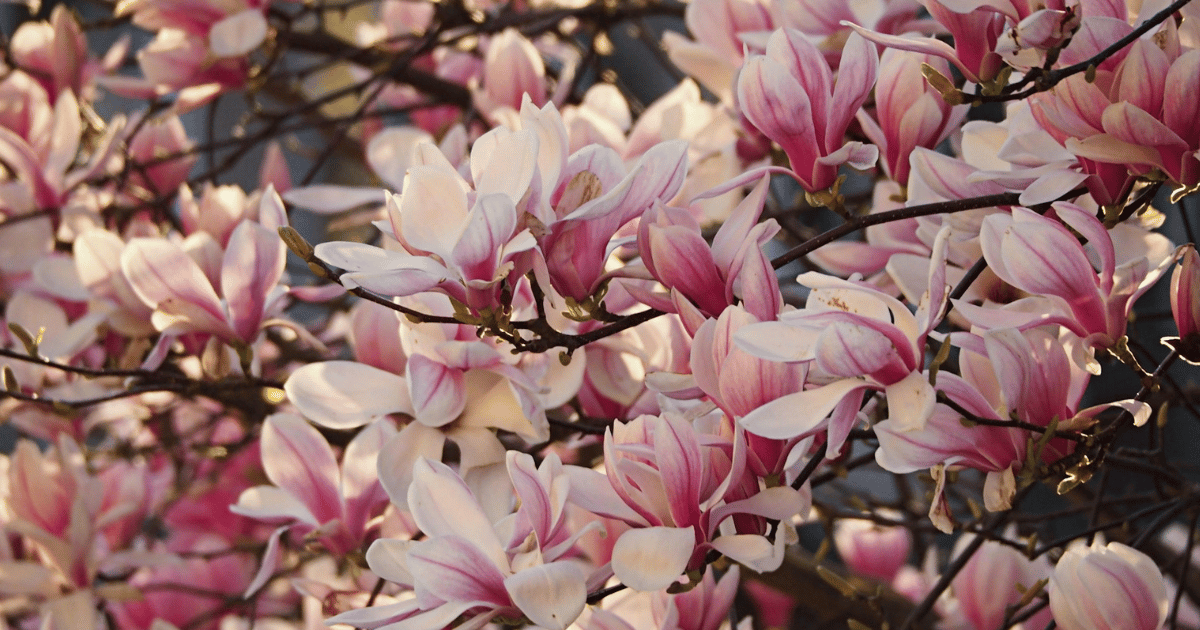
Magnolias are grown in the UK for their spectacular spring or summer flowers and handsome foliage. Success depends on choosing between deciduous and evergreen types, planting in fertile, neutral to acid soil, sheltering blooms from late frosts, and pruning only lightly. Grafted plants establish and flower faster than seed-grown specimens.
Key takeaways
- Deciduous magnolias flower on bare stems in spring; evergreen types such as Magnolia grandiflora flower later in summer.
- Late frosts can scorch open blooms brown, so a sheltered spot away from early morning sun is ideal.
- Most magnolias prefer neutral to slightly acid, moisture-retentive soil enriched with organic matter.
- Pruning should be minimal and carried out after flowering, as large cuts heal slowly.
- Buying a grafted magnolia gives a named cultivar that flowers much sooner than a seedling.
| Attribute | Detail |
|---|---|
| Botanical name | Magnolia spp. |
| Plant type | Deciduous or evergreen flowering tree/shrub |
| Height & spread | 2m to 12m depending on cultivar |
| Hardiness | RHS H5–H7 |
| Position | Full sun to light shade, sheltered from cold wind and early morning sun |
| Soil | Fertile, well-drained, neutral to slightly acid |
| Flowering/interest period | March to May (deciduous types); July to September (evergreen types) |
| Difficulty | Moderate |
Choosing varieties
Selecting the right cultivar for your garden's size and soil is the most important decision when growing magnolias. See our wider plant guides for further inspiration on choosing shrubs and trees.
| Cultivar | Type | Height | Flower colour | Notes |
|---|---|---|---|---|
| Magnolia stellata | Deciduous | 2-3m | White, star-shaped | Compact, ideal for smaller gardens and pots |
| Magnolia x soulangeana | Deciduous | 4-6m | Pink and white goblets | Tolerant of slightly alkaline soil |
| Magnolia grandiflora 'Exmouth' | Evergreen | 6-9m | Creamy white, fragrant | Flowers later, avoiding frost damage |
| Magnolia 'Susan' | Deciduous | 3-4m | Deep purple-pink | Compact and reliable, flowers slightly later than soulangeana |
| Magnolia campbellii | Deciduous | Up to 12m | Pink | Needs acid soil and space; best for larger gardens |
Where and when to plant
Plant magnolias between October and April while the plant is dormant, avoiding periods of hard frost or waterlogged soil. Choose a sheltered position out of strong winds, ideally facing away from the early morning sun so that frosted flower buds thaw slowly and are less likely to brown. Evergreen Magnolia grandiflora appreciates a warm, south or west-facing wall. Container-grown plants can be planted at any time of year if watered well afterwards.
How to plant
- Dig a hole twice the width of the root ball and to the same depth.
- Fork in well-rotted compost or leaf mould to improve soil structure.
- Remove the plant from its pot and gently tease out the roots.
- Position the magnolia so the top of the root ball sits level with the surrounding soil.
- Backfill, firm gently and water thoroughly.
- Stake young trees loosely for the first two years until established.
- Apply a mulch of bark or leaf mould around the base, keeping it clear of the stem.
Watering and feeding
Water newly planted magnolias regularly for the first two growing seasons, especially during dry spells, as they dislike drying out. Once established, they need watering only in prolonged drought. Apply a balanced, slow-release fertiliser in spring, and use an ericaceous feed if grown on slightly acid soil or in containers. A yearly mulch helps retain moisture and adds nutrients.
Pruning and trimming
Magnolias need very little pruning. Remove dead, damaged or crossing branches after flowering has finished, using clean, sharp secateurs, as large wounds can be slow to heal and prone to infection. Avoid hard pruning or cutting back into old wood unless renovating an overgrown specimen, and always shape gradually over several seasons. For general seasonal pruning advice, see our how-to guides.
Propagation
Most gardeners buy grafted magnolias, which flower far sooner than plants raised from seed, sometimes within two to three years rather than a decade. Semi-ripe cuttings taken in summer can root with bottom heat and rooting hormone, though success rates vary. Layering low branches in spring is a reliable, if slow, method for deciduous types.
Common problems
| Problem | Symptom | Fix |
|---|---|---|
| Frost damage | Brown, mushy petals on open flowers | Choose a sheltered site or later-flowering cultivar; avoid east-facing spots |
| Chlorosis | Yellowing leaves with green veins | Improve soil acidity and apply an ericaceous or sequestered iron feed |
| Honey fungus | Wilting, dieback and bracket fungi at the base | Remove and destroy affected plant material; avoid replanting magnolias in the same spot |
| Scale insects | Sticky honeydew and sooty mould on leaves | Encourage natural predators and treat with a suitable horticultural wash |
Month-by-month care calendar
| Month | Task |
|---|---|
| January-February | Plan planting sites; avoid working frozen or waterlogged soil |
| March | Deciduous magnolias begin flowering; watch for frost forecasts |
| April | Continue planting; apply balanced fertiliser and mulch |
| May | Flowering finishes on most deciduous types; prune lightly if needed |
| June-July | Evergreen magnolias flower; water during dry spells |
| August | Take semi-ripe cuttings for propagation |
| September | Reduce feeding as growth slows |
| October-November | Ideal time to plant bare-root or container-grown magnolias |
| December | Check stakes and ties on young trees before winter storms |
Magnolia FAQs
Do magnolias need acid soil?
Why did my magnolia's flowers turn brown?
How much should I prune a magnolia?
Are magnolias evergreen or deciduous?
How long does a magnolia take to flower?
Can magnolias be grown in pots?
Tags
Comments
Join the conversation
Create a free account to leave comments, share photos, and connect with other gardeners.
Related Articles
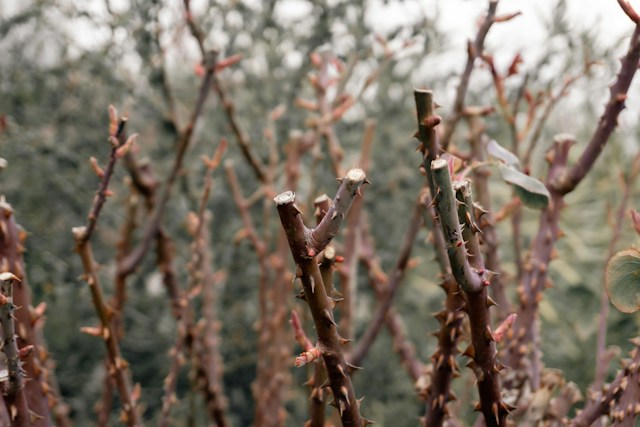
Essential Winter Pruning Guide for UK Gardens
Winter pruning is a vital task for many UK gardeners, ensuring plant health, vigour, and a bountiful display in the coming seasons. This comprehensive guide covers everything you need to know about pruning dormant plants for optimal results.
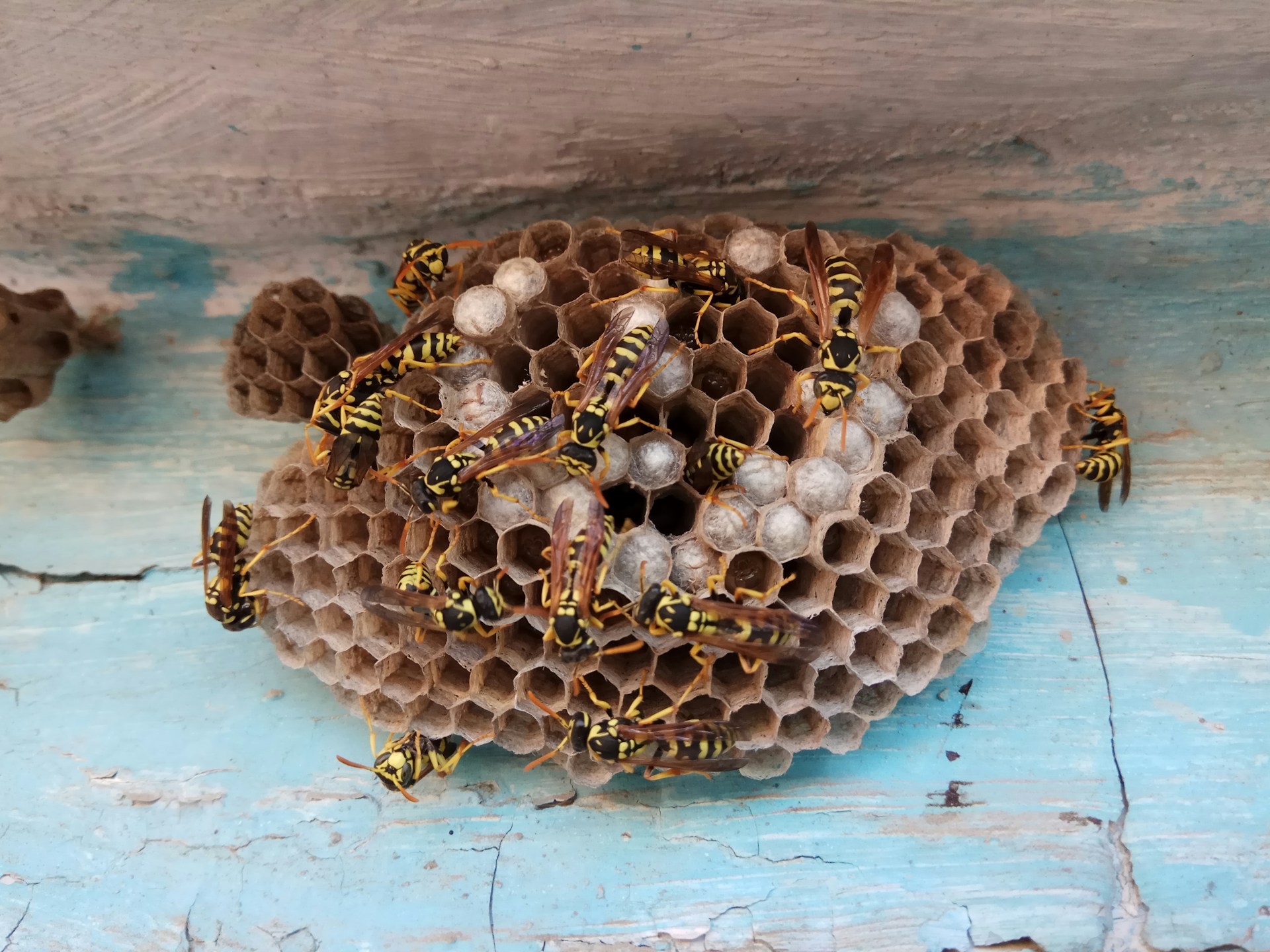
How to Get Rid of Flies and Wasps in Your Garden: UK Guide
Wasps peak in late summer as colonies max out and turn to scavenging, while flies breed fast around bins and fallen fruit all season - this guide covers prevention, physical control and when a chemical treatment is actually needed.

How to Care for a Snake Plant: Complete UK Guide
Snake plants are one of the toughest houseplants around, tolerating low light and irregular watering while purifying indoor air.
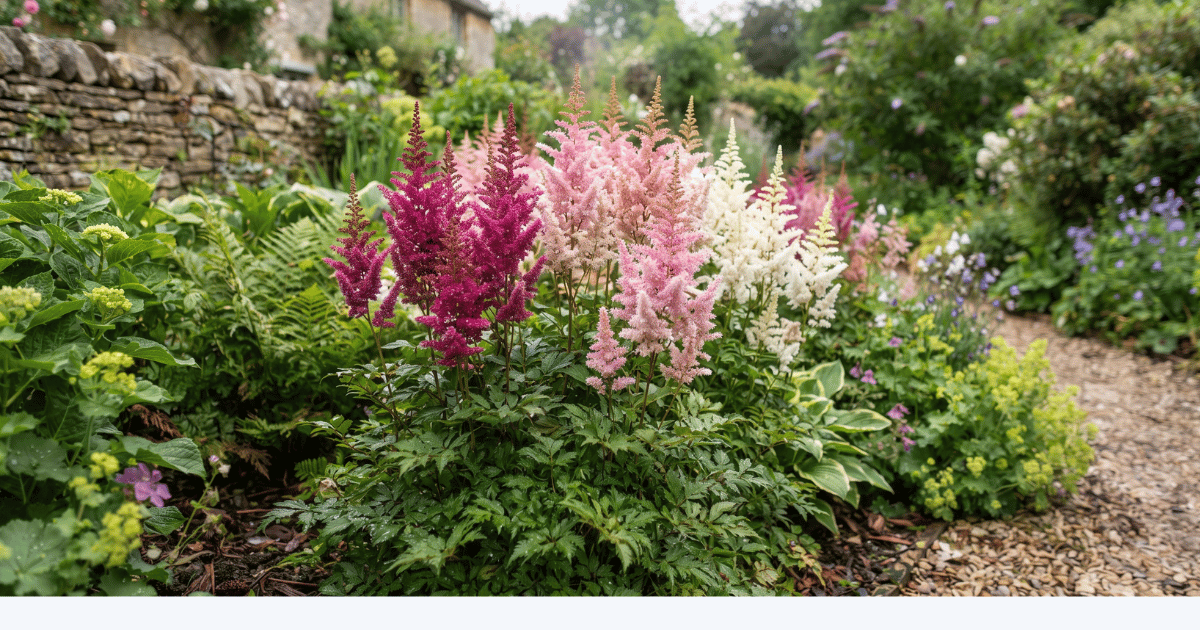
How to Grow Astilbe: Complete UK Care Guide
Astilbe brings feathery plumes of colour to moist, shady borders in summer, but needs consistently damp soil to prevent scorched, crispy foliage.
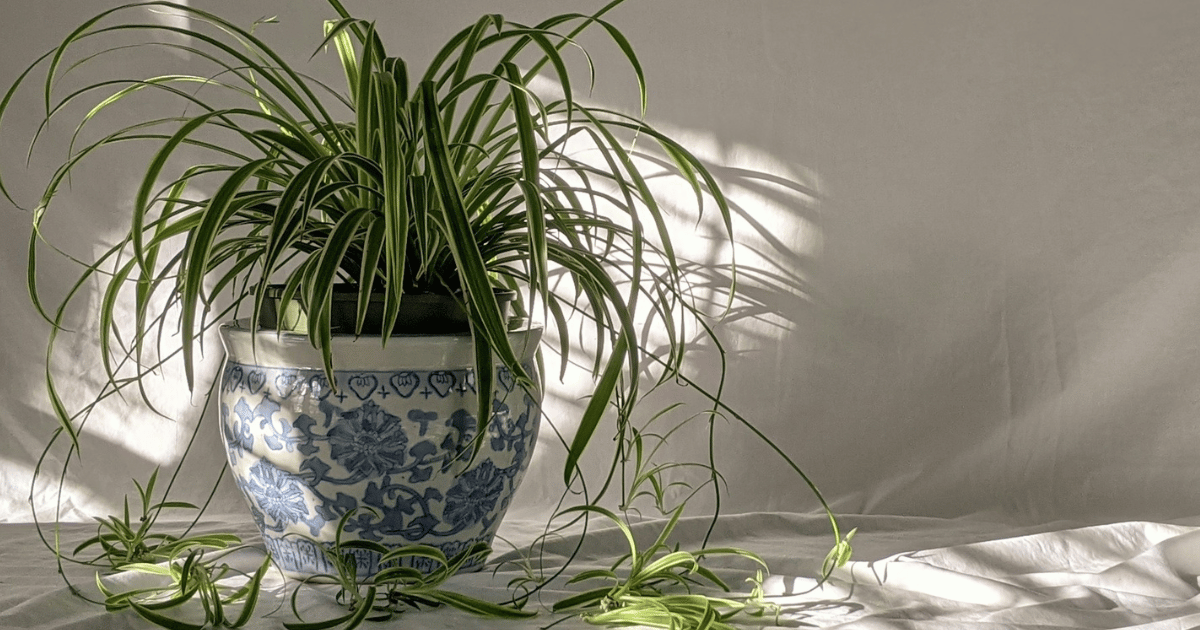
How to Care for a Spider Plant: Complete UK Guide
Spider plants are cheerful, resilient houseplants that produce cascades of plantlets, making them ideal for beginners and easy propagation.
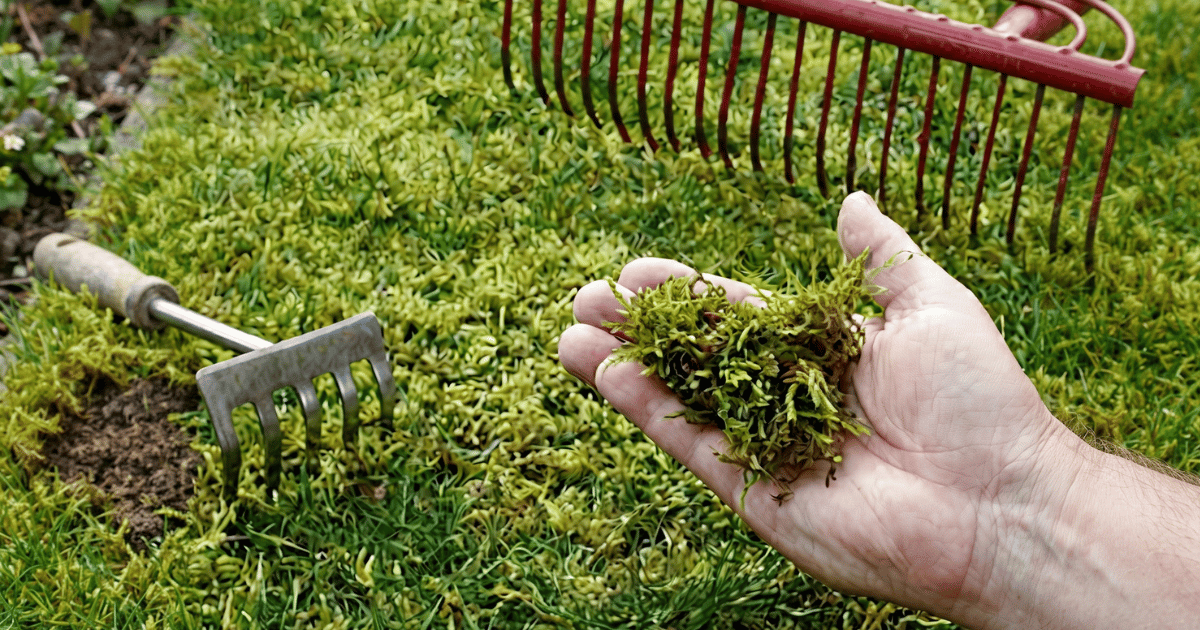
How to Get Rid of Moss in Your Lawn: UK Guide
Moss thrives in compacted, shaded or poorly drained UK lawns, and lasting control means combining scarifying and iron sulphate treatment with fixing the underlying drainage, shade and fertility issues.