
How to Grow Camellias: Complete UK Care Guide
A complete UK guide to growing camellias, covering ericaceous soil, siting to avoid frost damage, watering to prevent bud drop, and pruning.
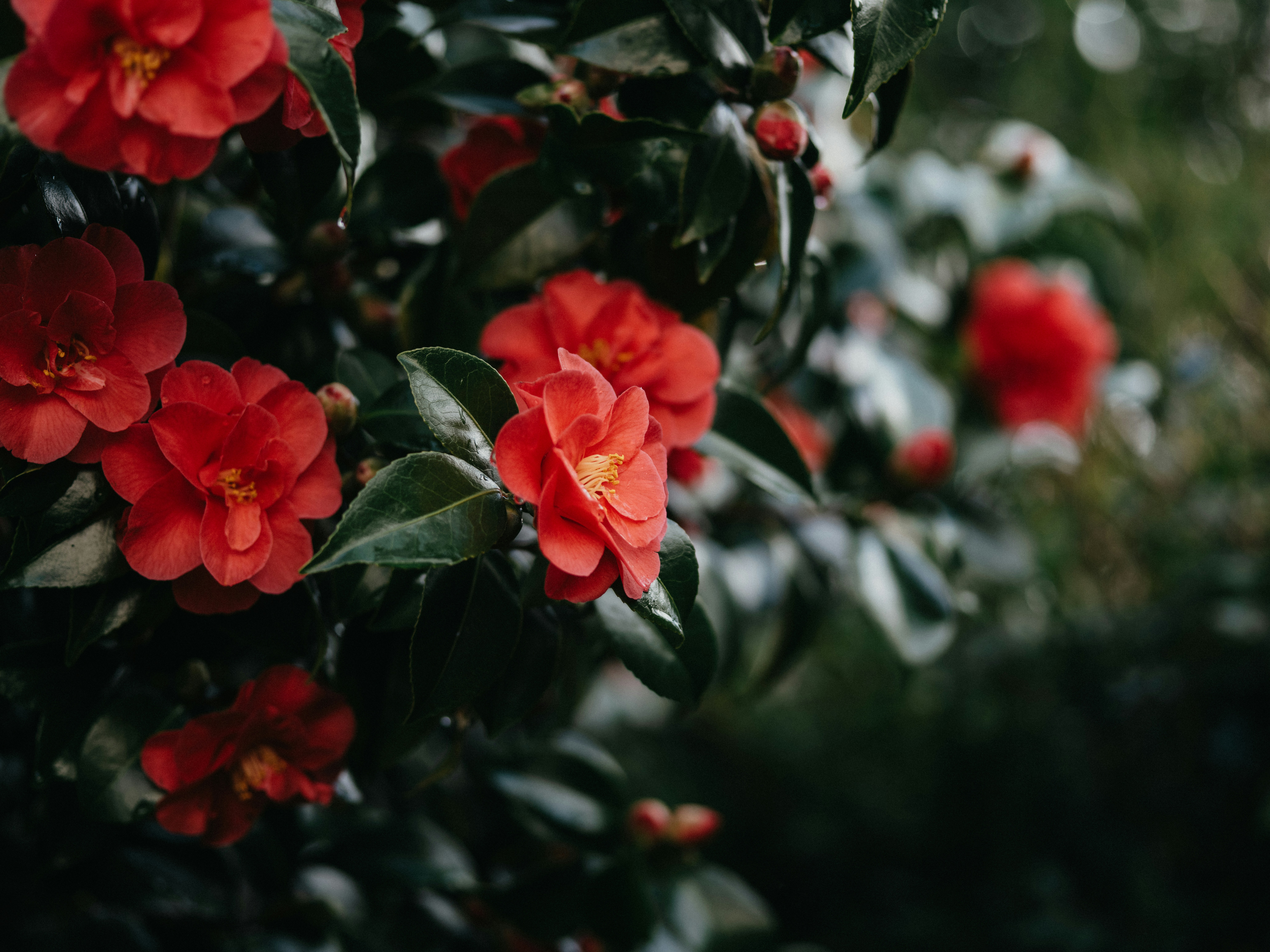
Camellias grow best in the UK in acidic, humus-rich soil in a sheltered spot with some shade, ideally avoiding direct early morning sun that can scorch frosted buds. Grow in ericaceous compost if your soil is alkaline, water consistently through summer when next year's buds are forming, and prune only lightly, straight after flowering.
Key takeaways
- Camellias need acidic, ericaceous soil or compost; they struggle and yellow on alkaline ground.
- Avoid east-facing spots with early morning sun, as rapid thawing of frosted buds and flowers causes browning.
- Consistent watering in summer, when next year's flower buds are forming, helps prevent bud drop.
- Little pruning is needed; only trim immediately after flowering to avoid removing next year's buds.
- Camellias make excellent, long-lived container plants on alkaline soil using ericaceous compost.
| Attribute | Detail |
|---|---|
| Botanical name | Camellia japonica, Camellia x williamsii |
| Plant type | Evergreen flowering shrub |
| Height & spread | 1.5-4m depending on variety and age |
| Hardiness | RHS H4-H5 (fully to frost hardy) |
| Position | Partial shade, sheltered from cold winds and early morning sun |
| Soil | Acidic (ericaceous), moist, well-drained, humus-rich |
| Flowering/interest period | February to April, some autumn-flowering forms |
| Difficulty | Moderate; needs the right soil and siting |
Choosing camellia varieties
Camellia x williamsii hybrids are generally the most reliable in UK gardens, dropping spent flowers cleanly and tolerating a wider range of conditions than Camellia japonica, which holds onto browned blooms. Choose flowering time and form to suit your garden and frost risk.
| Variety | Flower colour/form | Flowering time | Notes |
|---|---|---|---|
| Camellia x williamsii 'Donation' | Pink, semi-double | March-April | Very reliable, sheds spent flowers cleanly |
| Camellia japonica 'Adolphe Audusson' | Deep red, semi-double | February-April | Classic bold blooms, needs sheltered spot |
| Camellia x williamsii 'Anticipation' | Deep rose-red, peony-form | March-April | Compact habit, good for smaller gardens |
| Camellia japonica 'Nuccio's Pearl' | Pale pink, formal double | March-April | Elegant form, good for cutting |
| Camellia sasanqua 'Narumigata' | White flushed pink, single | Autumn-early winter | Earlier, autumn flowering, more sun-tolerant |
Where and when to plant camellias
Plant camellias in autumn or spring in a sheltered position with dappled shade, such as beneath high tree canopy or against a north or west-facing wall. Crucially, avoid spots that catch direct early morning sun in winter and spring, since buds and flowers frosted overnight can be badly scorched by rapid thawing in strong sun. Shelter from cold, drying winds is also important, particularly in exposed or northern gardens.
How to plant a camellia
- If your soil is alkaline, plant in a large container of ericaceous compost instead of the open ground.
- Dig a hole twice the width of the root ball on acidic soil.
- Mix in ericaceous compost or composted bark to improve acidity and moisture retention.
- Position the plant so the top of the root ball sits slightly proud of the soil surface.
- Backfill, firm gently, and water in thoroughly with rainwater if possible.
- Mulch with an acidic mulch such as chipped bark, keeping it away from the stem.
Watering and feeding
Camellias need consistently moist but well-drained soil, especially through summer when flower buds for the following spring are developing; drought stress at this stage is a leading cause of bud drop. Water with rainwater rather than tap water where possible, as hard tap water can raise soil pH over time. Feed in spring with a proprietary ericaceous fertiliser, and again lightly after flowering, avoiding feeding late in the season, which can encourage soft growth vulnerable to frost.
Preventing frost damage and bud drop
Camellias flower early in the year, from February, when frosts are still common, and both buds and open flowers can be badly browned by frost damage, particularly if thawed too quickly by direct morning sun. Siting is the best defence: choose a west or north-facing position sheltered from early sun. In very cold snaps, horticultural fleece can be draped over smaller plants overnight. Bud drop before opening is usually linked to a dry summer the previous year, so consistent watering from June to September is one of the most effective preventative measures.
Pruning camellias
Camellias need minimal pruning and generally keep a good shape naturally. If reshaping or reducing size is necessary, do it immediately after flowering has finished in spring, as flower buds for the next year form on new growth made over the following summer; pruning any later risks removing next season's display. Simply cut back to just above a leaf node, and remove any dead, damaged or crossing branches at the same time.
Propagation
Camellias can be propagated from semi-ripe cuttings taken in late summer. Select a firm, current-season shoot about 10cm long, remove lower leaves, dip the cut end in rooting hormone, and insert into a free-draining, ericaceous cutting mix. Keep in a humid, shaded propagator; rooting can take several months, so patience is needed.
Growing camellias in pots
Camellias are ideal for pots, especially where garden soil is alkaline. Use a peat-free ericaceous compost, choose a sturdy pot with good drainage, and water regularly with rainwater. Feed with an ericaceous liquid feed through spring and summer, and move pots to a more sheltered spot for winter to protect buds from hard frost.
Common problems
| Problem | Symptom | Fix |
|---|---|---|
| Bud drop | Buds fall before opening | Ensure consistent summer watering; avoid drought stress |
| Frost-damaged flowers | Browned, mushy petals | Site away from direct early morning sun; use fleece in cold snaps |
| Chlorosis | Yellow leaves with green veins | Switch to ericaceous compost and feed, use rainwater |
| Vine weevil | Notched leaves, grubs in compost | Use biological nematode control, check pots regularly |
| Camellia petal blight | Brown blotches then flower collapse | Remove and destroy fallen petals promptly; avoid overhead watering |
Month-by-month camellia care
| Month | Task |
|---|---|
| January-February | Protect buds from hard frost with fleece if needed |
| March-April | Main flowering period; deadhead japonica varieties |
| April-May | Prune lightly if needed straight after flowering; apply ericaceous feed |
| June-August | Water consistently as next year's buds form; take semi-ripe cuttings |
| September | Continue watering in dry spells; avoid late feeding |
| October-November | Mulch with acidic mulch; plant new camellias |
| December | Check container plants for frost protection |
For more acid-loving shrubs to grow alongside camellias, see our plant guides hub, or browse grow guides for related spring-flowering shrubs.
Camellia FAQs
Why do camellia buds fall off before opening?
Do camellias need ericaceous soil?
Why is morning sun bad for camellia flowers?
When should I prune a camellia?
Can camellias be grown in pots in the UK?
Why are my camellia leaves turning yellow?
Tags
Comments
Join the conversation
Create a free account to leave comments, share photos, and connect with other gardeners.
Related Articles
Essential Winter Pruning Guide for UK Gardens
Winter pruning is a vital task for many UK gardeners, ensuring plant health, vigour, and a bountiful display in the coming seasons. This comprehensive guide covers everything you need to know about pruning dormant plants for optimal results.
How to Get Rid of Flies and Wasps in Your Garden: UK Guide
Wasps peak in late summer as colonies max out and turn to scavenging, while flies breed fast around bins and fallen fruit all season - this guide covers prevention, physical control and when a chemical treatment is actually needed.

How to Care for a Snake Plant: Complete UK Guide
Snake plants are one of the toughest houseplants around, tolerating low light and irregular watering while purifying indoor air.
How to Grow Astilbe: Complete UK Care Guide
Astilbe brings feathery plumes of colour to moist, shady borders in summer, but needs consistently damp soil to prevent scorched, crispy foliage.
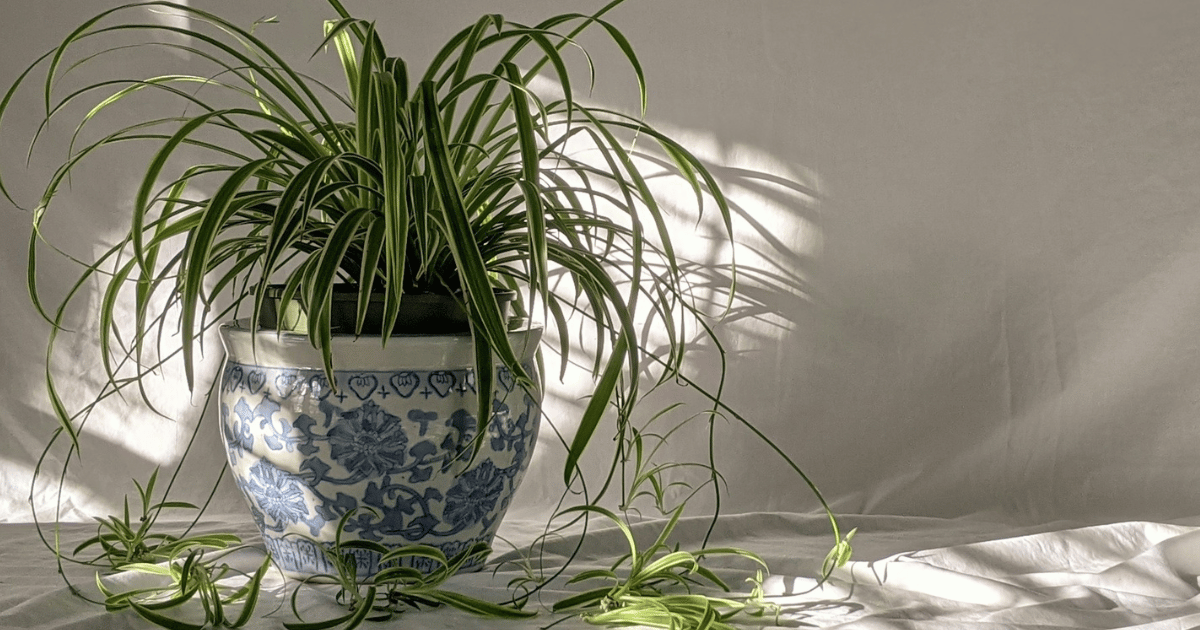
How to Care for a Spider Plant: Complete UK Guide
Spider plants are cheerful, resilient houseplants that produce cascades of plantlets, making them ideal for beginners and easy propagation.
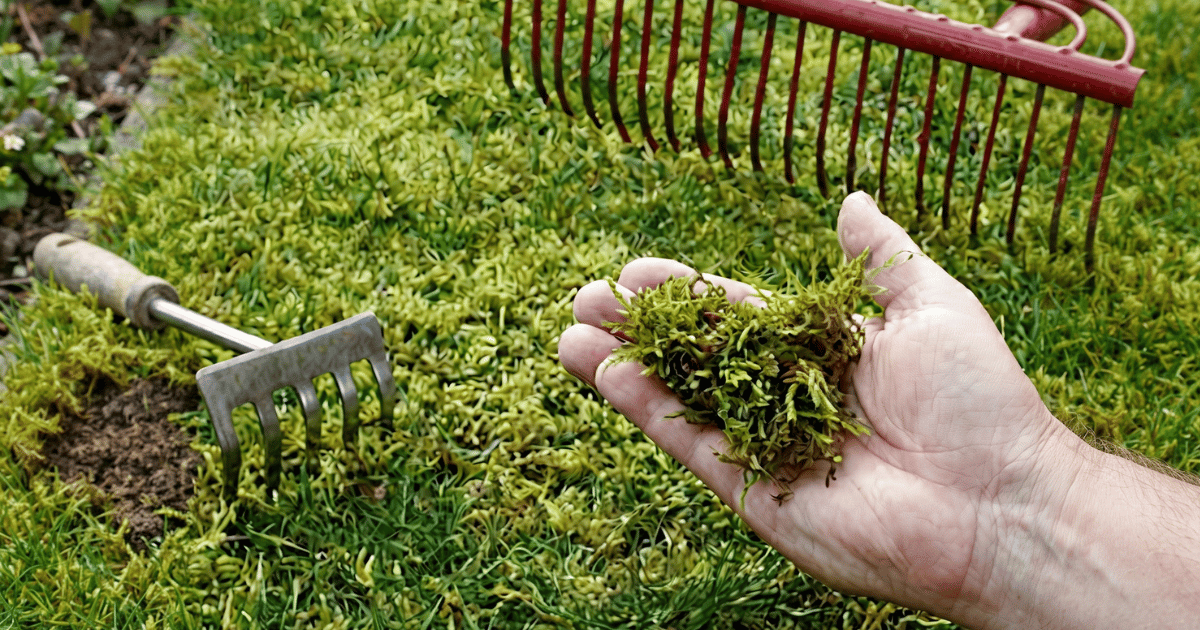
How to Get Rid of Moss in Your Lawn: UK Guide
Moss thrives in compacted, shaded or poorly drained UK lawns, and lasting control means combining scarifying and iron sulphate treatment with fixing the underlying drainage, shade and fertility issues.