
How to Grow Lupins: Complete UK Care Guide
Lupins bring tall, colourful flower spikes to early summer borders and reward deadheading with a valuable second flush later in the season.
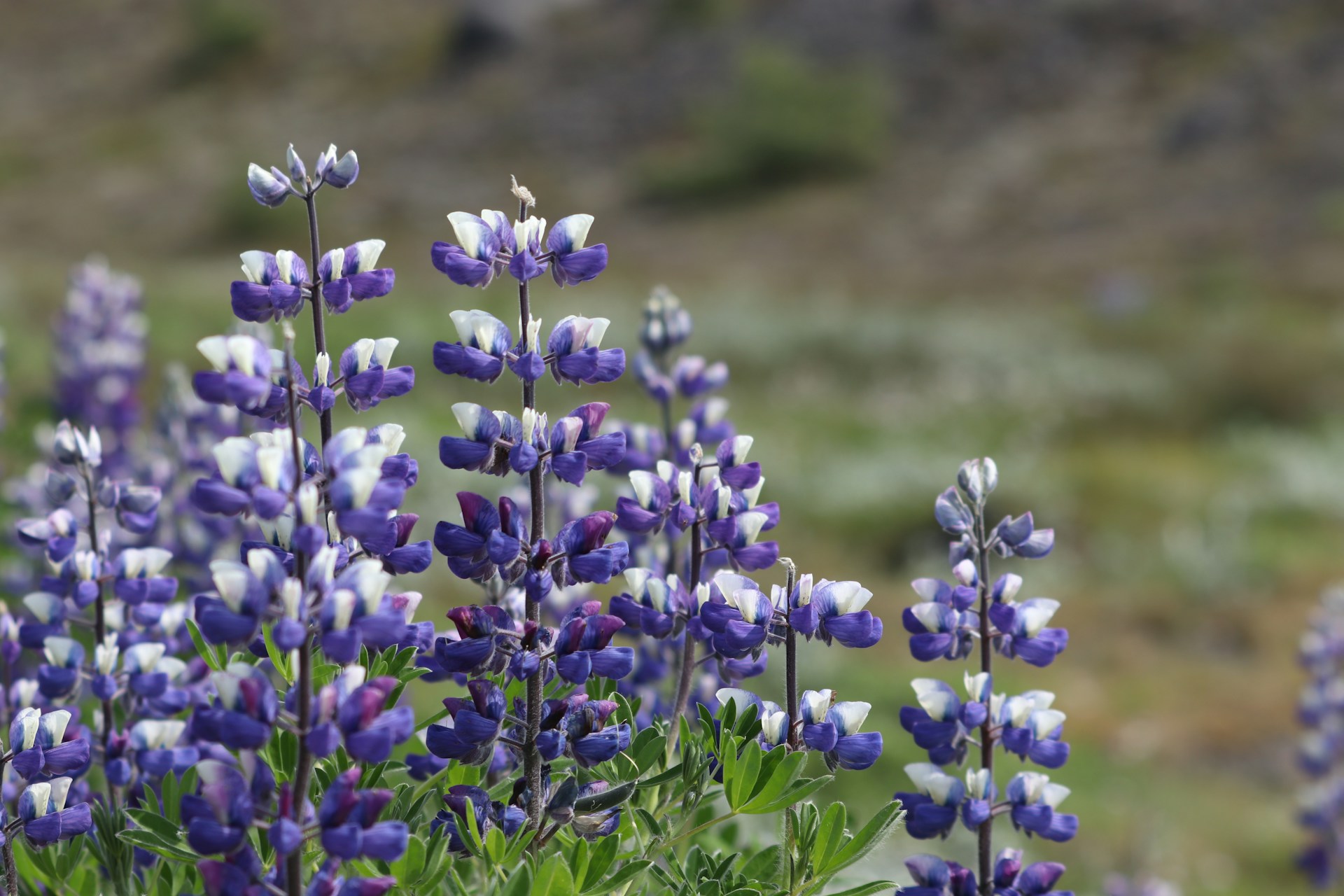
Lupins are cottage garden favourites, producing tall, densely packed flower spikes in early summer in a striking range of colours. They thrive in sun on well-drained, slightly acidic soil and, once established, reward regular deadheading with a valuable second flush of smaller spikes later in the season. Watch closely for lupin aphid, which can build up rapidly on stems in warm weather.
Key takeaways
- Lupins prefer full sun and free-draining, slightly acidic soil.
- Sow seed in spring or autumn, soaking or nicking the coat to speed germination.
- Deadhead the main spike promptly to encourage a second flush of flowers.
- Check regularly for lupin aphid, which can smother stems in summer.
- Lupins are often short-lived, so raise fresh plants from seed every few years.
| Attribute | Detail |
|---|---|
| Botanical name | Lupinus polyphyllus and hybrids |
| Plant type | Herbaceous perennial (sometimes short-lived) |
| Height & spread | 60cm–1.2m tall, 45–60cm spread |
| Hardiness | RHS H6 (fully hardy) |
| Position | Full sun to light shade |
| Soil | Well-drained, slightly acidic, moderately fertile |
| Flowering period | June to July, second flush August |
| Difficulty | Easy to moderate |
Choosing varieties
The Band of Nobles series remains a popular choice for reliable colour, while West Country lupins offer bicolour spikes bred for vigour and disease resistance.
| Variety | Flower colour | Height | Notes |
|---|---|---|---|
| Lupinus 'The Governor' | Blue and white bicolour | 90cm | Band of Nobles series, classic cottage garden choice |
| Lupinus 'Chandelier' | Yellow | 90cm | Bright, long spikes |
| Lupinus 'The Chatelaine' | Pink and white | 85cm | Reliable bicolour form |
| Lupinus 'Persian Slipper' | Deep blue-purple | 90cm | West Country lupin, good vigour |
| Lupinus 'Gallery Red' | Red | 50cm | Compact, suits smaller borders or pots |
Where and when to plant
Plant young lupins in spring or early autumn in an open, sunny position with free-draining soil; they dislike heavy, waterlogged clay and rich, recently manured ground. Lupins pair well with irises and oriental poppies in a traditional herbaceous border. Browse more ideas in our perennials and how-to sections.
How to plant lupins
- Choose a sunny spot with well-drained, slightly acidic soil.
- Dig a hole slightly larger than the root ball, avoiding freshly manured ground.
- Tease out any circling roots gently before planting.
- Set the plant at the same depth it was growing in its pot.
- Backfill, firm in and water well to settle the roots.
- Space plants 45–60cm apart to allow air movement around foliage.
Watering and feeding
Water young lupins regularly until established, then water during dry spells, particularly while in bud and flower. Avoid rich, high-nitrogen feeds, which encourage soft, aphid-prone growth; a light spring mulch of well-rotted compost is usually sufficient.
Cutting back and deadheading
Cut the main flower spike back to a healthy leaf once flowers fade, before seed pods form, to redirect energy into side shoots. This deadheading often produces a lighter second flush of flower spikes in late summer. Cut all growth back to ground level once foliage dies back in autumn.
Dividing and propagation
Lupins resent root disturbance and are best raised from seed rather than divided. Sow seed in spring or early autumn, soaking overnight or nicking the tough seed coat with a knife to improve germination. Named varieties can also be increased from basal cuttings taken in spring.
Growing in pots
Compact varieties such as 'Gallery Red' suit large pots of at least 30cm diameter filled with peat-free, loam-based compost. Ensure good drainage with crocks or grit in the base, water regularly through the growing season, and feed sparingly to avoid weak, floppy growth.
Common problems
| Problem | Symptom | Fix |
|---|---|---|
| Lupin aphid | Dense grey-green aphid clusters on stems and buds | Check from late spring, wash off with water, encourage natural predators |
| Slugs and snails | Young shoots eaten to the ground | Protect emerging growth with barriers or torchlight checks |
| Powdery mildew | White coating on leaves in late summer | Improve air circulation and water at the base, not over foliage |
| Root rot | Wilting and collapse in waterlogged soil | Improve drainage before planting; avoid heavy clay sites |
Month-by-month care calendar
| Month | Task |
|---|---|
| March | Sow seed under cover; prepare planting sites |
| April | Plant out young lupins; watch for slugs |
| May | Stake tall varieties; check for early aphids |
| June | Peak flowering; monitor for lupin aphid |
| July | Deadhead spent spikes for a second flush |
| August | Enjoy second flush; continue deadheading |
| September | Sow seed for new plants; tidy fading foliage |
| October | Cut back dying growth to ground level |
| November | Mulch borders lightly for winter protection |
| December | Order seed catalogues and plan new varieties |
| January | Chit or soak seed ready for spring sowing |
| February | Prepare soil, improving drainage where needed |
Lupin FAQs
Why are my lupins covered in aphids?
Do lupins flower more than once?
How long do lupins live?
Can I grow lupins from seed?
Do lupins need staking?
Are lupins poisonous?
Tags
Comments
Join the conversation
Create a free account to leave comments, share photos, and connect with other gardeners.
Related Articles
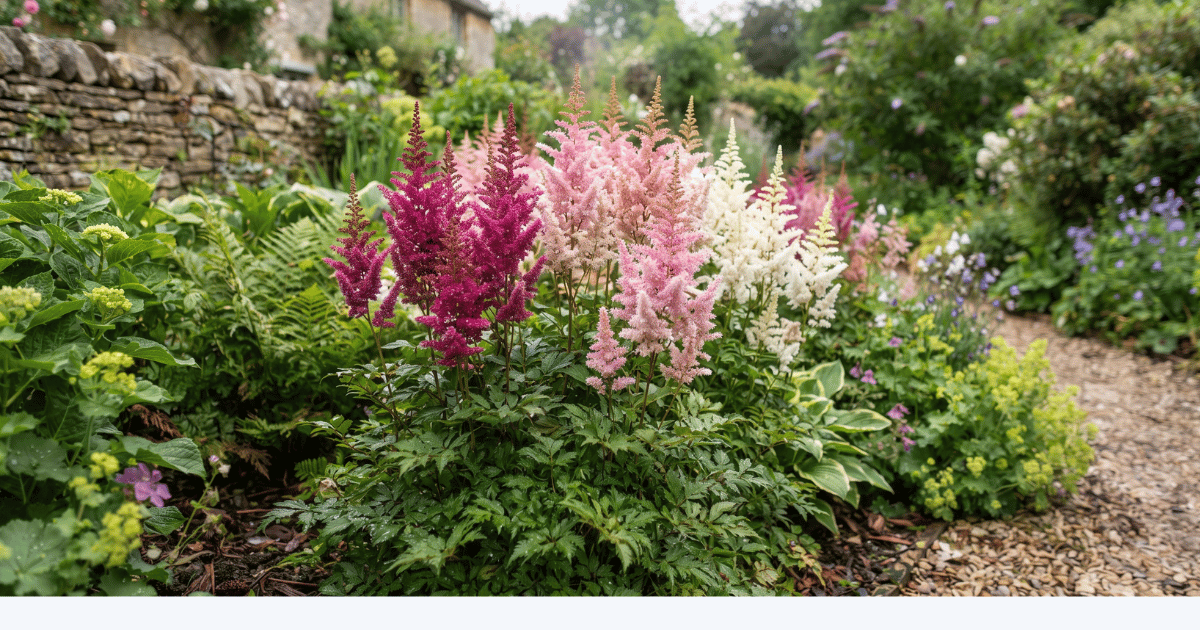
How to Grow Astilbe: Complete UK Care Guide
Astilbe brings feathery plumes of colour to moist, shady borders in summer, but needs consistently damp soil to prevent scorched, crispy foliage.
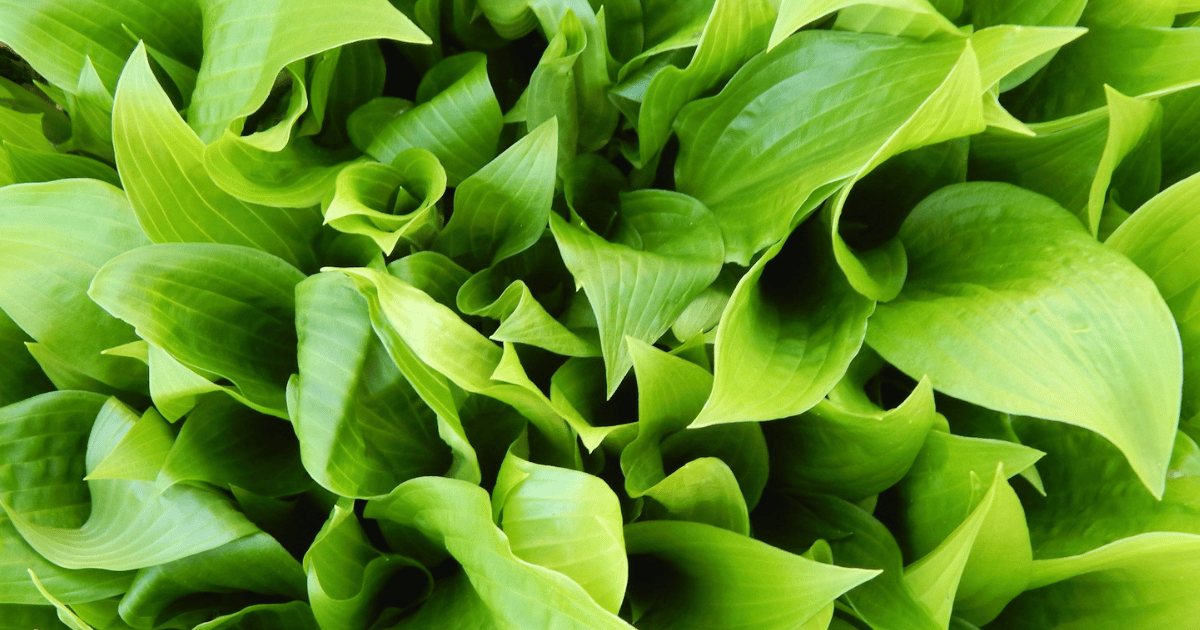
How to Grow Hostas: Complete UK Care Guide
Hostas are among the best foliage perennials for shady UK gardens, but slugs and snails mean choosing the right variety and site is essential for success.
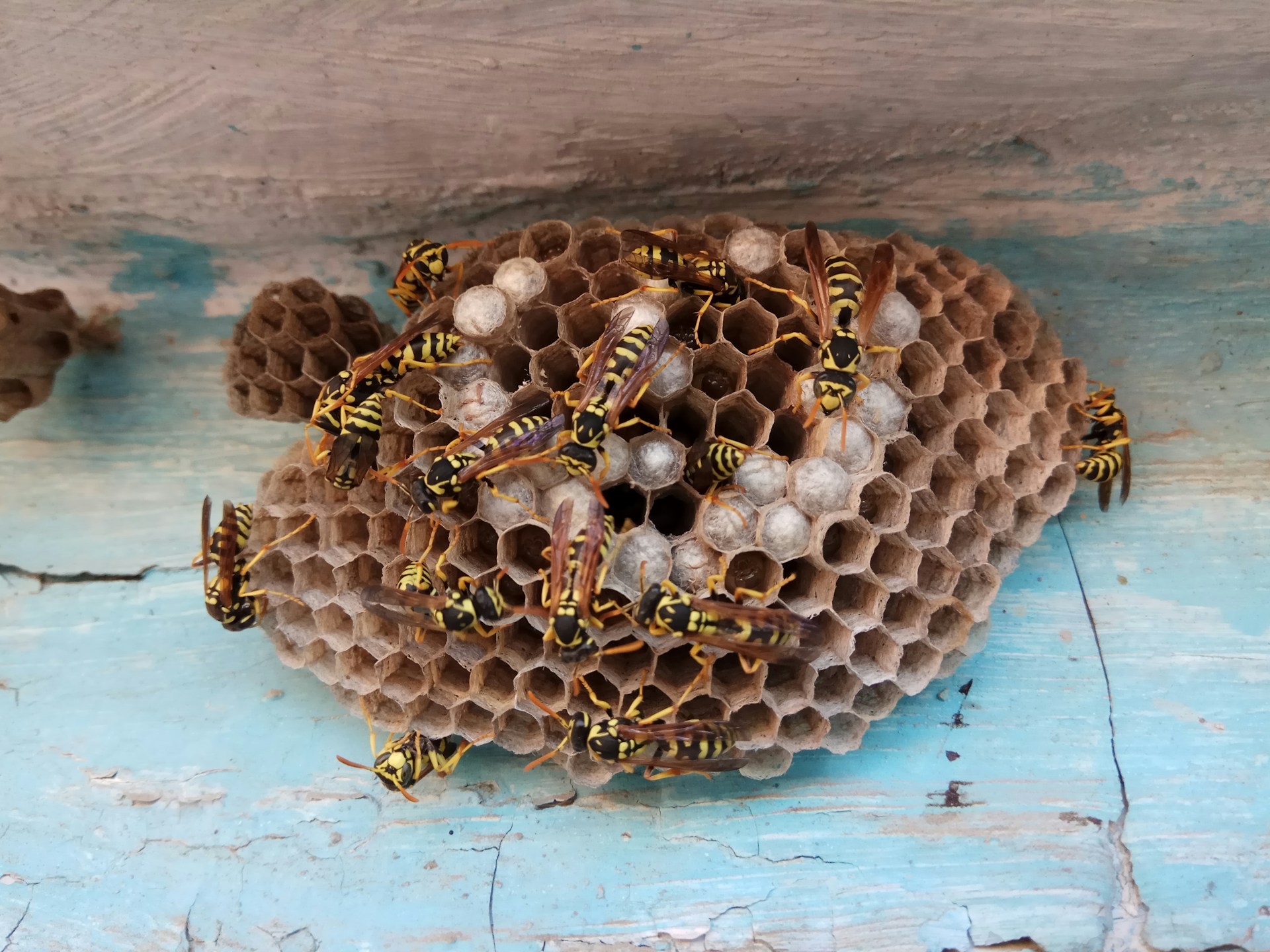
How to Get Rid of Flies and Wasps in Your Garden: UK Guide
Wasps peak in late summer as colonies max out and turn to scavenging, while flies breed fast around bins and fallen fruit all season - this guide covers prevention, physical control and when a chemical treatment is actually needed.

How to Care for a Snake Plant: Complete UK Guide
Snake plants are one of the toughest houseplants around, tolerating low light and irregular watering while purifying indoor air.
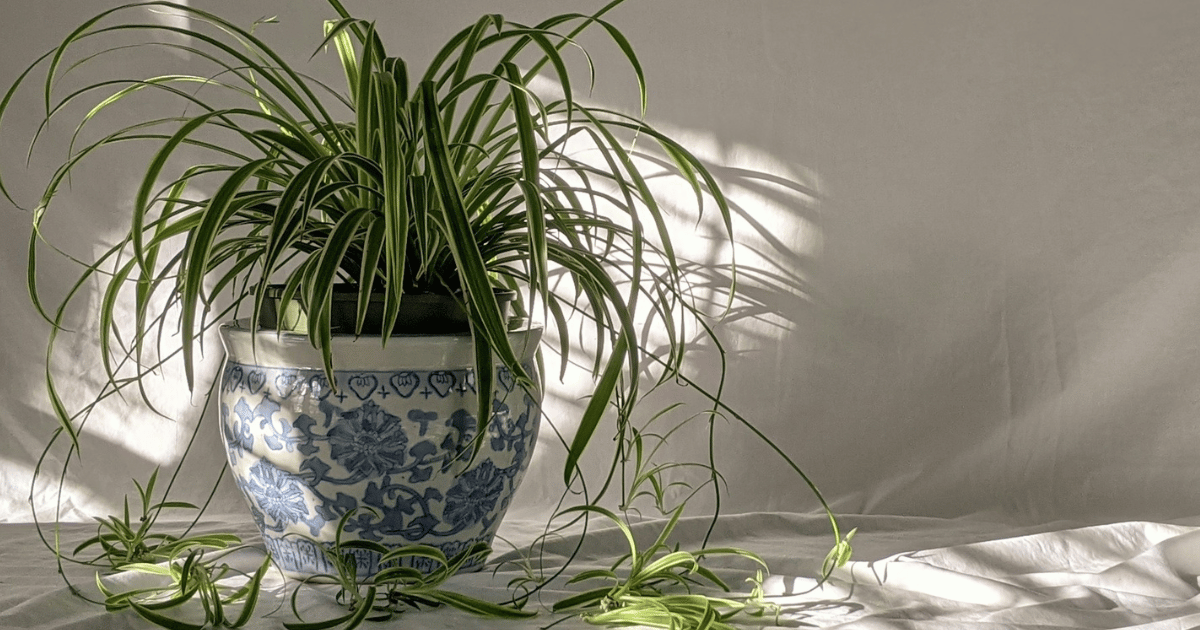
How to Care for a Spider Plant: Complete UK Guide
Spider plants are cheerful, resilient houseplants that produce cascades of plantlets, making them ideal for beginners and easy propagation.
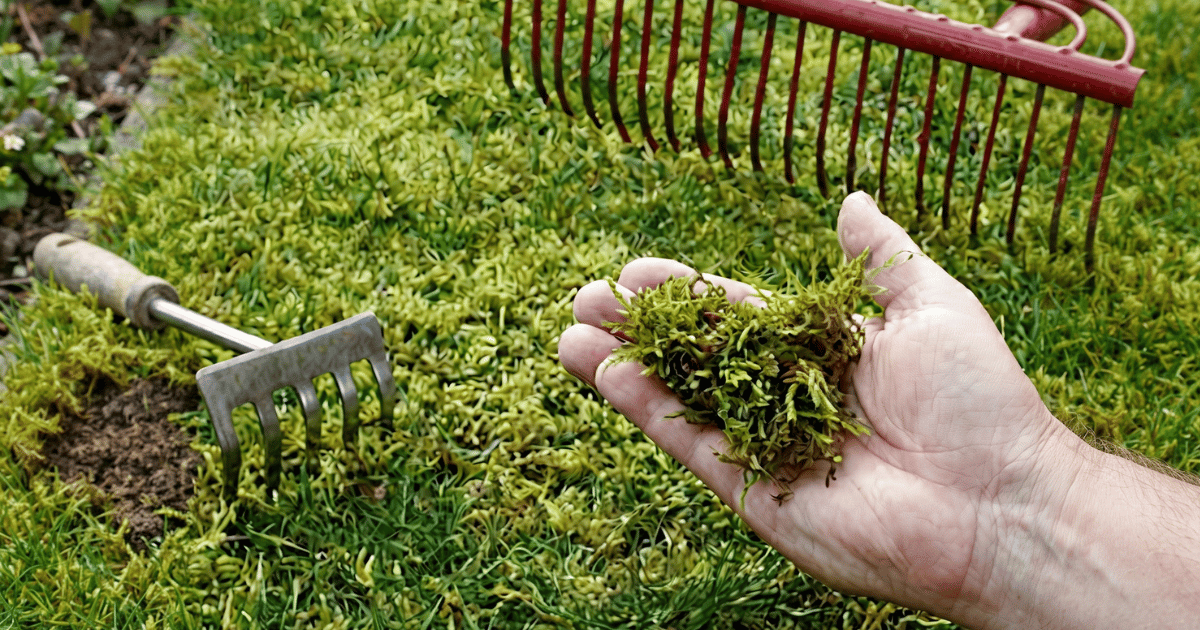
How to Get Rid of Moss in Your Lawn: UK Guide
Moss thrives in compacted, shaded or poorly drained UK lawns, and lasting control means combining scarifying and iron sulphate treatment with fixing the underlying drainage, shade and fertility issues.