
How to Grow Daffodils: Complete UK Care Guide
Daffodils are one of the easiest and most reliable spring bulbs for UK gardens, bringing cheerful colour from late winter through to April.
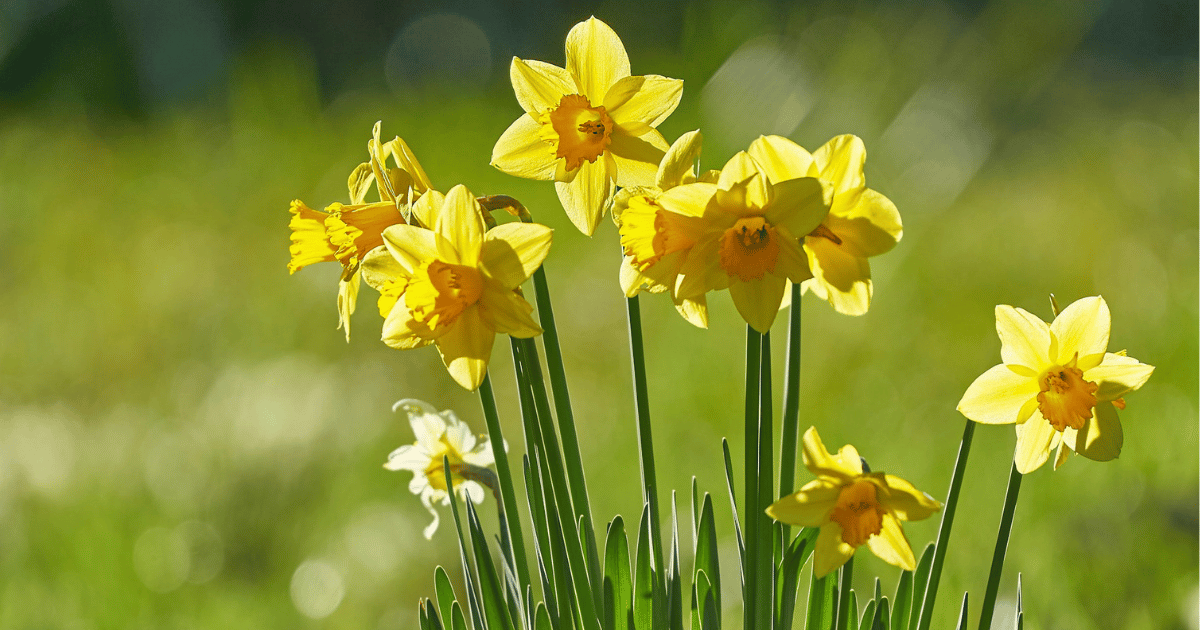
Daffodils (Narcissus) are among the most rewarding spring-flowering bulbs for UK gardens, offering reliable, low-maintenance colour from February to April. Plant bulbs in autumn in well-drained soil and full sun or light shade, and most varieties will naturalise happily in borders or grass, returning and multiplying for years with minimal attention.
Key takeaways
- Plant daffodil bulbs between September and November at a depth of two to three times their own height.
- Choose a sunny or lightly shaded spot with free-draining soil to avoid bulb rot.
- Always allow foliage to die back naturally for at least six weeks after flowering to feed next year's blooms.
- Prevent "blindness" by dividing congested clumps and avoiding overly dry summers.
- Mound soil over the bulb neck after flowering to deter narcissus bulb fly.
| Attribute | Detail |
|---|---|
| Botanical name | Narcissus spp. and cultivars |
| Plant type | Hardy spring-flowering bulb |
| Height & spread | 10-45cm depending on variety; spread 10-15cm |
| Hardiness | RHS H6 (fully hardy) |
| Position | Full sun to light dappled shade |
| Soil | Moist but well-drained, fertile soil |
| Flowering period | February to April, depending on variety |
| Planting depth | 10-15cm, roughly two to three times bulb height |
| Difficulty | Easy |
Choosing varieties
There are thousands of daffodil cultivars, from classic large trumpets to dainty miniatures suited to pots and rockeries. Choosing a mix of early, mid and late-flowering types extends the display across several months.
| Variety | Type | Height | Flowering time |
|---|---|---|---|
| 'Tete-a-Tete' | Miniature | 15cm | Early (February-March) |
| 'Carlton' | Large-cupped | 45cm | Mid-season (April) |
| 'King Alfred' | Trumpet | 40cm | Early-mid season |
| 'Thalia' | Triandrus | 35cm | Mid-season, white multi-headed |
| 'February Gold' | Cyclamineus | 30cm | Very early |
| 'Actaea' | Poeticus | 40cm | Late season, scented |
When and where to plant
Autumn is the ideal time to plant, from September through to November, giving bulbs time to establish roots before the ground turns cold. Daffodils suit borders, mixed beds, naturalised areas of grass and containers. Choose a site with full sun or partial shade and soil that does not become waterlogged in winter, as sitting in wet ground is the main cause of bulb rot. For planting ideas across a border, see our guide to seasonal plant combinations.
How to plant
- Choose firm, plump bulbs and discard any that are soft, mouldy or damaged.
- Dig a hole or trench to a depth of 10-15cm, roughly two to three times the height of the bulb.
- Space bulbs 10-15cm apart for a natural, drift-like effect.
- Place bulbs pointed end up, firm the soil back over gently, and water well if the soil is dry.
- Add a little grit to the base of the planting hole on heavy clay soils to improve drainage.
Naturalising in grass
Daffodils are superb for naturalising in lawns and orchard-style plantings, creating an informal drift of colour each spring. Scatter bulbs by hand and plant them where they fall for a natural distribution, using a bulb planter to lift small plugs of turf. Avoid mowing the area until foliage has died back naturally, usually around six weeks after flowering finishes; if you are planning your mowing routine around bulb areas, our lawn mower buying advice can help you choose a machine suited to longer, rougher grass.
Aftercare and feeding
Deadhead spent flowers to prevent energy being wasted on seed production, but leave the stem and foliage in place. Apply a balanced, potassium-rich liquid feed every couple of weeks while leaves are green to build up the bulb for next year. Watering during dry spells in spring, particularly for potted bulbs, helps maintain strong growth.
What to do after flowering
Resist the urge to tie, plait or cut back daffodil foliage after flowering, as the leaves are busy photosynthesising and feeding the bulb for the following year's display. Leave foliage untouched for at least six weeks, ideally until it turns yellow and falls over naturally, before tidying it away. Cutting back too soon is one of the most common causes of daffodils failing to flower the following spring.
Lifting, storing and dividing
Daffodils can be left undisturbed for several years, but congested clumps that produce lots of leaves and few flowers benefit from lifting and dividing. Lift bulbs once foliage has died down, gently separate offsets by hand, and either replant immediately at the correct depth and spacing or store in a cool, dry, well-ventilated place until autumn.
Growing in pots
Compact varieties such as 'Tete-a-Tete' and 'February Gold' are ideal for containers. Use peat-free multi-purpose compost with extra grit, plant bulbs closely (almost touching) at the same depth as in the ground, and keep pots in a sheltered spot over winter, moving them to a prominent position once buds appear.
Common problems
| Problem | Symptom | Fix |
|---|---|---|
| Narcissus bulb fly | Soft, hollow bulbs with no growth in spring | Mound soil over the neck after flowering; discard affected bulbs |
| Blindness | Plenty of leaves but no flowers | Divide congested clumps; avoid cutting foliage early; feed after flowering |
| Basal rot | Bulbs turn brown and mushy from the base | Improve drainage; remove and destroy infected bulbs |
| Slugs and snails | Ragged holes in emerging leaves | Use barriers or torchlight removal in damp weather |
Month-by-month care calendar
| Month | Task |
|---|---|
| September-November | Plant bulbs in beds, borders and pots |
| December-January | Little action needed; check pots aren't waterlogged |
| February-April | Flowering period; deadhead and feed |
| May-June | Leave foliage to die back naturally; lift and divide if needed |
| July-August | Store lifted bulbs in a cool, dry place |
Daffodil FAQs
When is the best time to plant daffodil bulbs in the UK?
Why have my daffodils stopped flowering?
What is narcissus bulb fly and how do I control it?
Can daffodils be grown in pots?
Do daffodil bulbs need to be lifted every year?
Are daffodils poisonous to pets?
Tags
Comments
Join the conversation
Create a free account to leave comments, share photos, and connect with other gardeners.
Related Articles

5 Bulbs you can grow in water in time for Christmas
Bringing indoor bulbs like hyacinth, paperwhite, and amaryllis in water enhances Christmas décor with fragrant and vibrant displays.
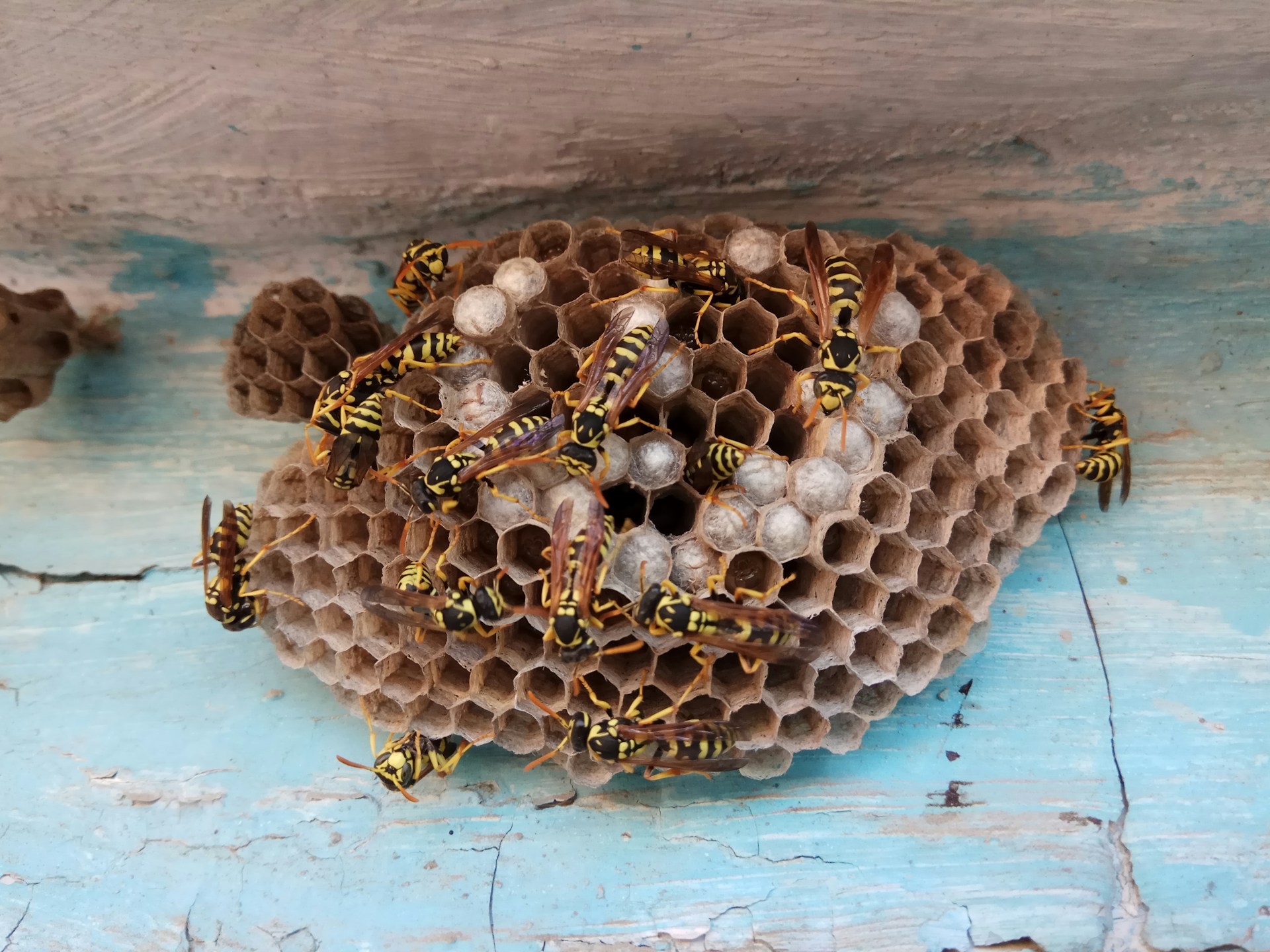
How to Get Rid of Flies and Wasps in Your Garden: UK Guide
Wasps peak in late summer as colonies max out and turn to scavenging, while flies breed fast around bins and fallen fruit all season - this guide covers prevention, physical control and when a chemical treatment is actually needed.

How to Care for a Snake Plant: Complete UK Guide
Snake plants are one of the toughest houseplants around, tolerating low light and irregular watering while purifying indoor air.
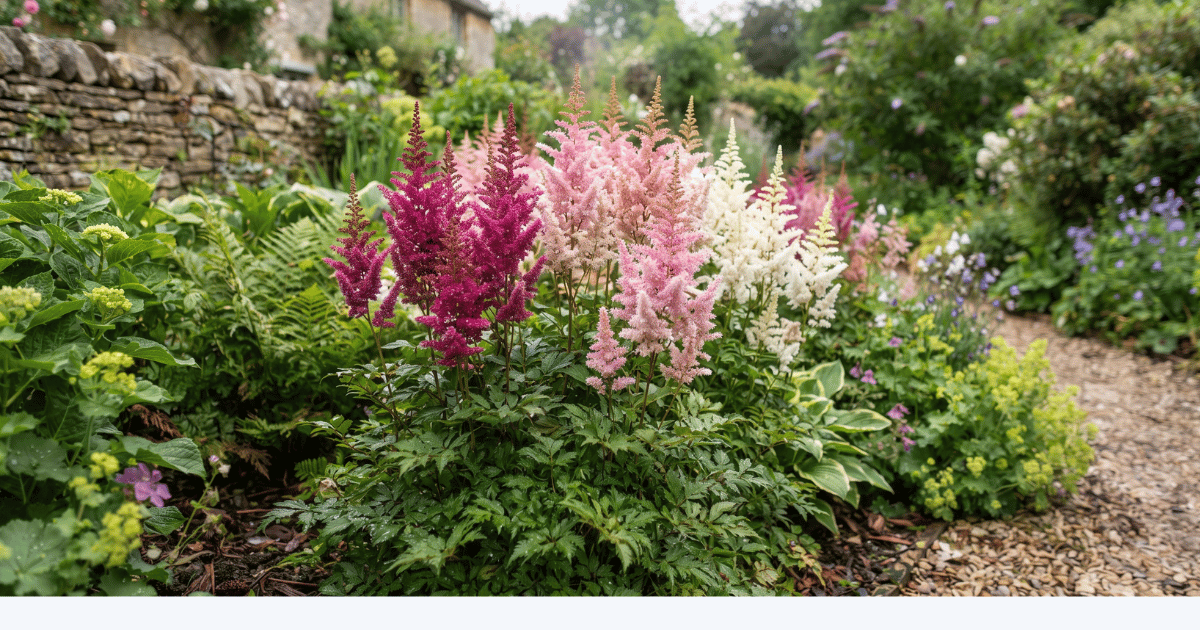
How to Grow Astilbe: Complete UK Care Guide
Astilbe brings feathery plumes of colour to moist, shady borders in summer, but needs consistently damp soil to prevent scorched, crispy foliage.
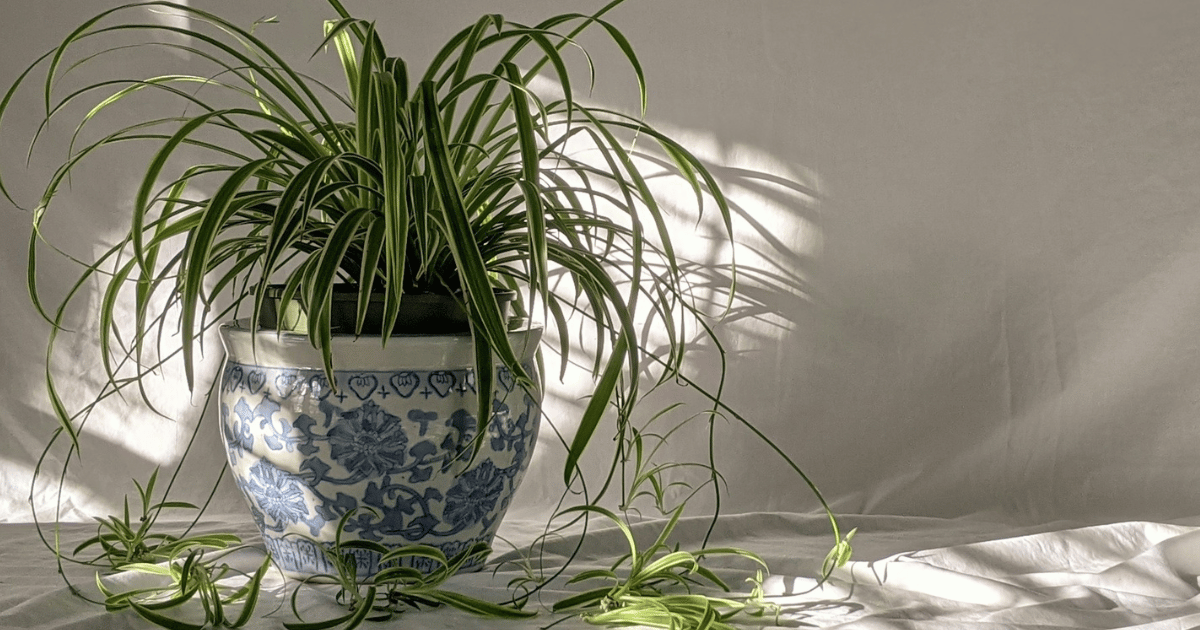
How to Care for a Spider Plant: Complete UK Guide
Spider plants are cheerful, resilient houseplants that produce cascades of plantlets, making them ideal for beginners and easy propagation.
How to Get Rid of Moss in Your Lawn: UK Guide
Moss thrives in compacted, shaded or poorly drained UK lawns, and lasting control means combining scarifying and iron sulphate treatment with fixing the underlying drainage, shade and fertility issues.