
How to Grow Hydrangeas: Complete UK Care Guide
A full UK guide to growing hydrangeas, covering the best varieties, planting, pruning and how soil pH controls flower colour.
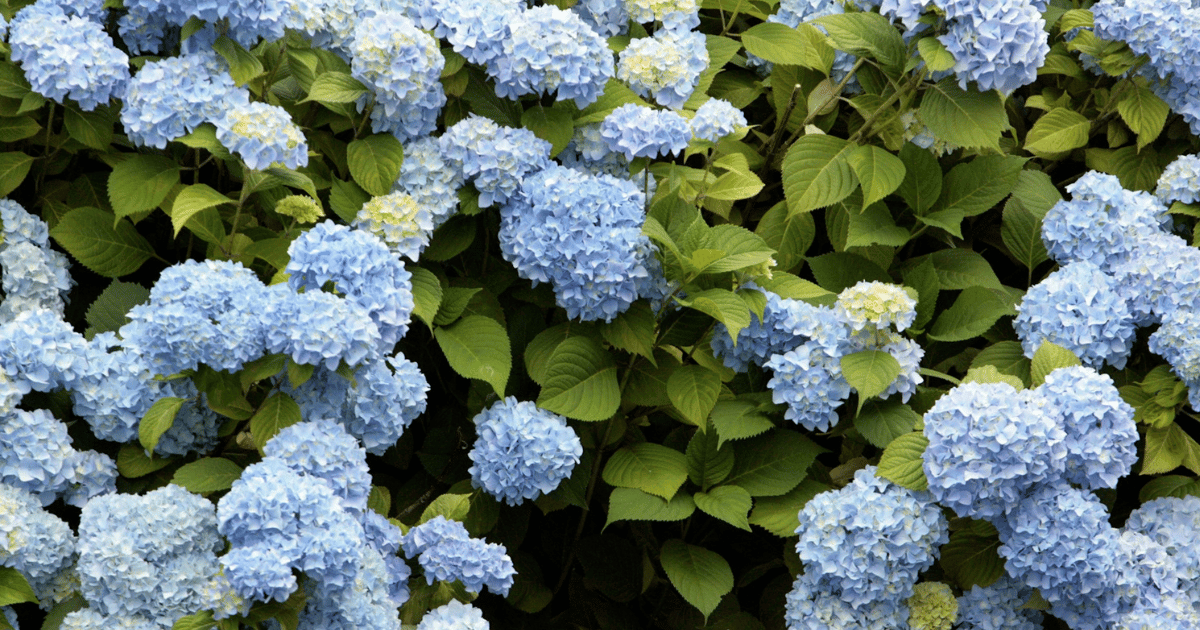
Hydrangeas grow well across most of the UK when planted in moisture-retentive, humus-rich soil in a sheltered spot with morning sun and afternoon shade. Choose the right type for your garden, water consistently through summer, and prune according to variety, since mopheads and lacecaps flower on old wood while paniculata and Annabelle types flower on new growth.
Key takeaways
- Match the hydrangea type to your garden: mopheads and lacecaps for sheltered borders, paniculata for sun and exposure, Annabelle for reliable hardiness.
- Soil pH determines flower colour only in Hydrangea macrophylla varieties, not in paniculata, arborescens or oakleaf types.
- Leave faded flowerheads on over winter to protect next year's buds from frost, then prune in March.
- Consistent watering is essential; hydrangeas wilt quickly in dry spells and the name literally means "water vessel".
- Mulch annually with well-rotted organic matter to retain moisture and feed the roots.
| Attribute | Detail |
|---|---|
| Botanical name | Hydrangea spp. |
| Plant type | Deciduous flowering shrub |
| Height & spread | 1-2.5m depending on variety |
| Hardiness | RHS H5-H6 (fully hardy, most UK regions) |
| Position | Partial shade to full sun, shelter from strong wind |
| Soil | Moist, fertile, humus-rich; acidic for blue macrophylla flowers |
| Flowering/interest period | June to September, dried heads into winter |
| Difficulty | Easy to moderate |
Choosing hydrangea varieties
There are several distinct groups of hydrangea suited to UK gardens, each with different flower forms, pruning needs and hardiness. Mopheads and lacecaps (Hydrangea macrophylla) are the most popular for borders and pots, while paniculata and arborescens types are tougher and more forgiving.
| Variety | Type | Flower colour | Notes |
|---|---|---|---|
| Hydrangea macrophylla 'Endless Summer' | Mophead | Blue or pink (pH dependent) | Reblooms on old and new wood |
| Hydrangea macrophylla 'Ayesha' | Mophead | Lilac-pink, cupped petals | Distinctive lilac-scented blooms |
| Hydrangea macrophylla 'Blue Wave' | Lacecap | Blue on acid soil | Delicate flat flowerheads, good for wildlife |
| Hydrangea paniculata 'Limelight' | Paniculata | Lime-green fading to pink | Sun-tolerant, flowers on new wood |
| Hydrangea arborescens 'Annabelle' | Arborescens | White | Very hardy, large round blooms |
| Hydrangea quercifolia 'Snow Queen' | Oakleaf | White ageing to pink | Good autumn leaf colour |
Where and when to plant hydrangeas
Plant hydrangeas in autumn or spring when the soil is workable and not waterlogged or frozen. Choose a sheltered position with dappled or morning sun; full midday sun can scorch leaves and dry blooms, especially in southern England. Avoid frost pockets, as late spring frosts can damage emerging shoots and flower buds.
How to plant a hydrangea
- Dig a hole twice the width of the root ball and the same depth.
- Fork over the base and mix in well-rotted compost or manure.
- Soak the plant in its pot with water before removing it.
- Position so the top of the root ball sits level with the surrounding soil.
- Backfill, firm gently, and water thoroughly.
- Apply a 5cm mulch around the base, keeping it clear of the stems.
Watering and feeding
Hydrangeas need regular watering, particularly in the first two years and during dry spells, as they have a shallow root system. Water deeply at the base rather than little and often. In spring, apply a balanced granular feed or well-rotted manure mulch, followed by a potash-rich feed such as tomato fertiliser in early summer to boost flowering.
Changing flower colour
To turn macrophylla flowers blue, keep soil pH below 5.5 using ericaceous compost, sulphur chips or a proprietary hydrangea colourant, and water with rainwater rather than lime-rich tap water. For pink flowers, maintain a neutral to alkaline soil around pH 6.5 and apply lime if necessary. White varieties and paniculata types are unaffected by pH.
Pruning hydrangeas
Pruning timing depends on whether the variety flowers on old or new wood. For mopheads and lacecaps, leave the dried flowerheads over winter as frost protection, then in March cut back to the first strong pair of healthy buds below the old flowerhead, removing a fifth of the oldest stems at the base to rejuvenate the plant. Paniculata and Annabelle types flower on new wood, so cut back hard in late February to a low framework of buds to encourage large blooms. If you use secateurs or a small pruning saw for thicker old stems, keep blades clean and sharp; see our how-to hub for more seasonal pruning guidance.
Propagation
Hydrangeas root easily from softwood cuttings taken in early summer. Select a non-flowering shoot, cut a 10-15cm length just below a leaf node, remove the lower leaves, and insert into free-draining cutting compost. Keep in a humid, shaded spot until rooted, usually within four to six weeks, then pot on individually.
Growing hydrangeas in pots
Compact varieties such as 'Ayesha' or dwarf paniculata cultivars suit large containers. Use a peat-free ericaceous compost if you want to control flower colour, ensure the pot has good drainage, and water more frequently than border-grown plants, as containers dry out quickly. Move pots to a sheltered spot for winter to protect roots from freezing.
Common problems
| Problem | Symptom | Fix |
|---|---|---|
| Powdery mildew | White powdery coating on leaves | Improve air circulation, water at the base, remove affected leaves |
| Frost damage | Blackened new shoots in spring | Delay pruning until after last frost, use fleece in cold snaps |
| Vine weevil | Notched leaf edges, grubs in compost | Use biological nematode control, check pots for larvae |
| Leaf scorch | Crispy brown leaf edges | Move to a shadier spot, increase watering |
| No flowers | Healthy leaves but no blooms | Check pruning method matches variety, avoid over-feeding with nitrogen |
Month-by-month hydrangea care
| Month | Task |
|---|---|
| January-February | Leave old flowerheads for frost protection; prune paniculata and Annabelle |
| March | Prune macrophylla types; apply mulch and balanced feed |
| April-May | Watch for late frosts; protect new growth with fleece if needed |
| June-July | Water regularly; apply potash feed; take softwood cuttings |
| August | Deadhead spent blooms where reblooming; keep watering in dry spells |
| September | Reduce feeding; continue watering |
| October-November | Plant new hydrangeas; leave old flowerheads on for winter protection |
| December | Check container plants are protected from hard frost |
For more flowering shrubs to combine with hydrangeas in a UK border, browse our plant guides and grow guides hub.
Hydrangea FAQs
Why has my hydrangea not flowered?
How do I turn my hydrangea blue?
Can hydrangeas grow in shade?
When is the best time to prune hydrangeas?
Why are my hydrangea flowers turning brown early?
Do hydrangeas need feeding?
Tags
Comments
Join the conversation
Create a free account to leave comments, share photos, and connect with other gardeners.
Related Articles
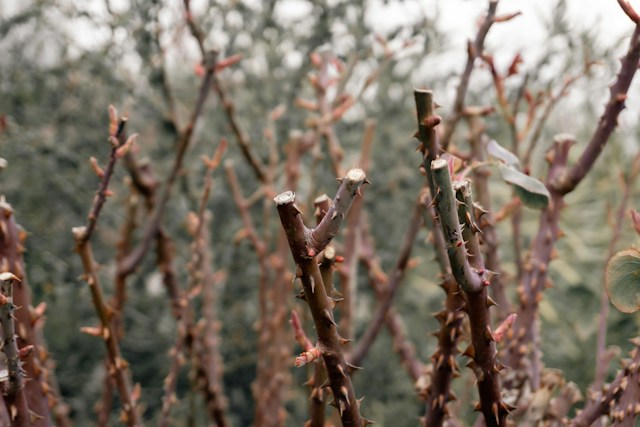
Essential Winter Pruning Guide for UK Gardens
Winter pruning is a vital task for many UK gardeners, ensuring plant health, vigour, and a bountiful display in the coming seasons. This comprehensive guide covers everything you need to know about pruning dormant plants for optimal results.
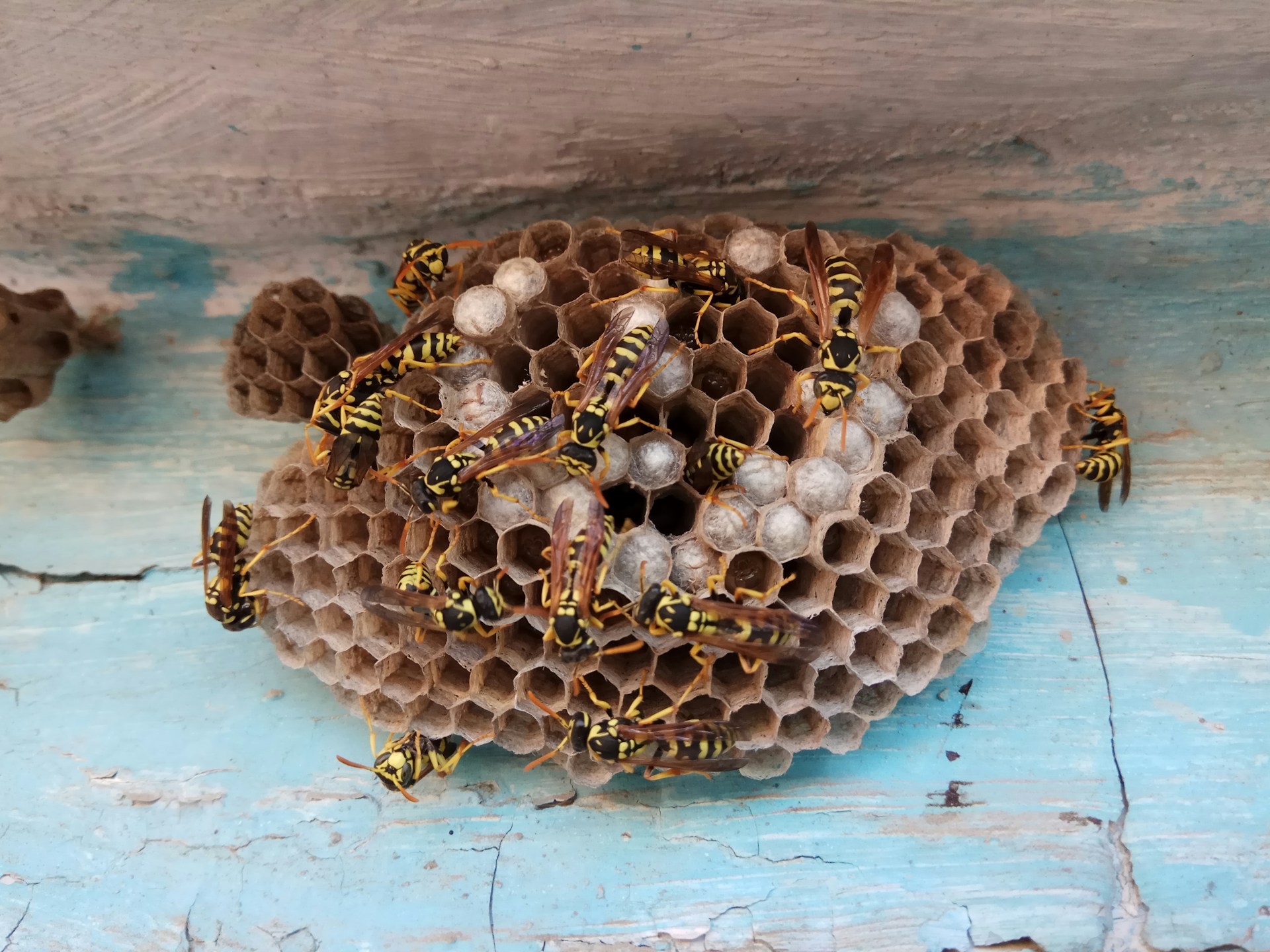
How to Get Rid of Flies and Wasps in Your Garden: UK Guide
Wasps peak in late summer as colonies max out and turn to scavenging, while flies breed fast around bins and fallen fruit all season - this guide covers prevention, physical control and when a chemical treatment is actually needed.

How to Care for a Snake Plant: Complete UK Guide
Snake plants are one of the toughest houseplants around, tolerating low light and irregular watering while purifying indoor air.
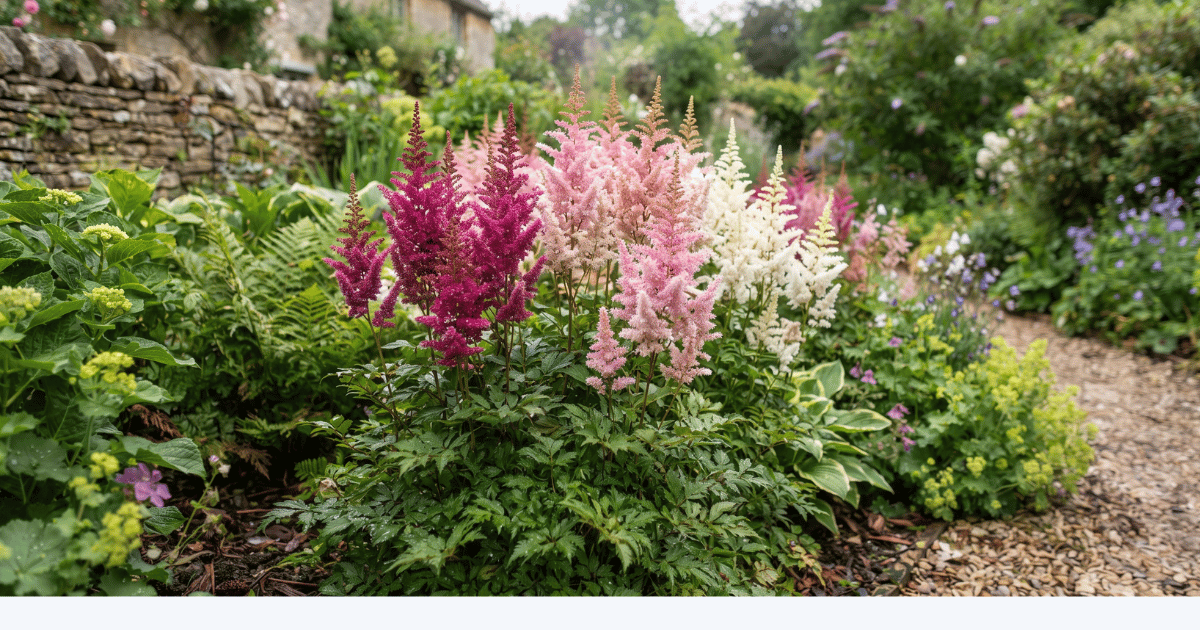
How to Grow Astilbe: Complete UK Care Guide
Astilbe brings feathery plumes of colour to moist, shady borders in summer, but needs consistently damp soil to prevent scorched, crispy foliage.
How to Care for a Spider Plant: Complete UK Guide
Spider plants are cheerful, resilient houseplants that produce cascades of plantlets, making them ideal for beginners and easy propagation.
How to Get Rid of Moss in Your Lawn: UK Guide
Moss thrives in compacted, shaded or poorly drained UK lawns, and lasting control means combining scarifying and iron sulphate treatment with fixing the underlying drainage, shade and fertility issues.