
How to Grow Salvias: Complete UK Care Guide
Salvias offer months of colourful flowers for UK borders and pots, but knowing which types are hardy and how to overwinter tender ones is essential.
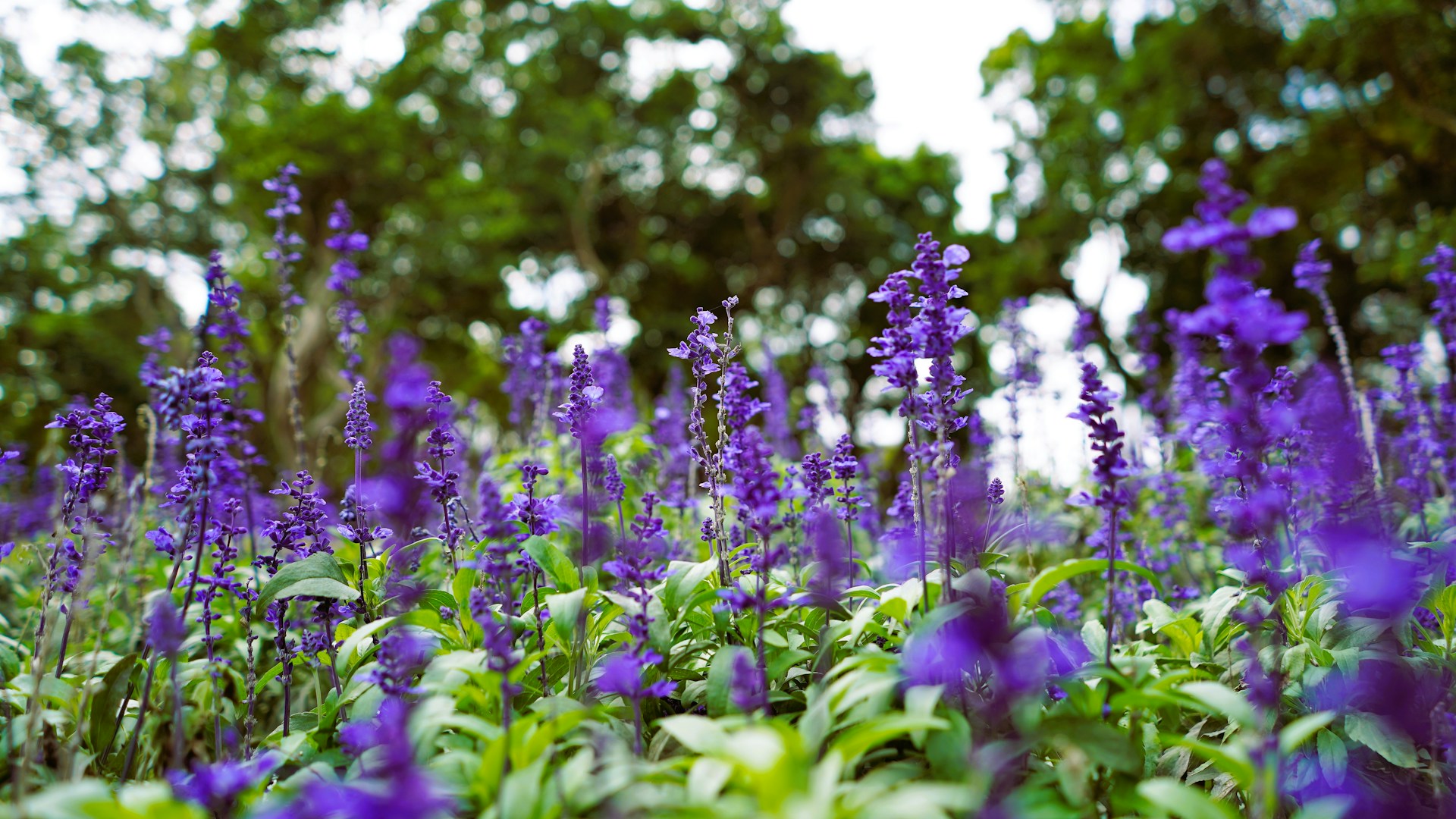
Salvias are among the best value perennials for UK gardens, flowering prolifically from early summer into autumn in a huge range of colours. The key to long-term success is knowing whether your chosen variety is fully hardy or half-hardy, since many of the most popular border salvias need winter protection or propagation by cuttings to guarantee plants for next year.
Key takeaways
- Salvia hardiness varies enormously, from fully hardy Salvia nemorosa types to tender bedding varieties.
- Half-hardy salvias such as 'Amistad' and 'Hot Lips' need winter protection or replacing in cold areas.
- Take cuttings in late summer as insurance against winter losses of tender varieties.
- Regular deadheading keeps salvias flowering from early summer right through to the first frosts.
- A sunny, sheltered position with free-draining soil suits almost all salvias.
| Attribute | Detail |
|---|---|
| Botanical name | Salvia spp. and cultivars |
| Plant type | Herbaceous or subshrubby perennial |
| Height & spread | 0.3–1.2m depending on variety |
| Hardiness | RHS H3-H7, varies by variety |
| Position | Full sun, sheltered |
| Soil | Free-draining, moderately fertile |
| Flowering period | June to October |
| Difficulty | Easy to moderate; tender types need extra care |
Choosing varieties: hardy vs half-hardy
Choosing the right type of salvia for your garden and how much winter protection you can offer makes a big difference to long-term success.
| Variety | Hardiness | Flower colour | Notes |
|---|---|---|---|
| Salvia nemorosa 'Caradonna' | Fully hardy | Deep violet-blue | Reliable perennial border staple |
| Salvia x sylvestris 'Mainacht' | Fully hardy | Indigo-blue | Compact, early flowering |
| Salvia 'Amistad' | Half-hardy | Deep purple | Vigorous, needs winter protection or cuttings |
| Salvia microphylla 'Hot Lips' | Half-hardy | Red and white bicolour | Long flowering, benefits from mulch in winter |
| Salvia guaranitica 'Black and Blue' | Tender | Cobalt blue | Best overwintered under glass |
Where and when to plant
Plant salvias in late spring once the risk of frost has passed, into a sunny, sheltered spot with free-draining soil; heavy, waterlogged ground is the main cause of losses, especially over winter. Improve heavy clay with grit or horticultural sand before planting. Salvias combine well with grasses and other sun-lovers; browse our flowers and seasonal guide for planting partners.
How to plant
- Harden off young plants gradually if raised under cover.
- Dig a hole slightly larger than the root ball, improving drainage with grit if needed.
- Plant at the same depth as in its pot.
- Backfill, firm gently and water in well.
- Space plants 30–45cm apart depending on eventual size.
- Apply a light mulch, avoiding piling material against the stems.
Watering and feeding
Water regularly while establishing, then reduce once plants are settled, as most salvias tolerate short dry spells well and dislike sitting in wet soil. Feed lightly in spring with a balanced fertiliser, and apply a potash-rich feed through summer to sustain flowering, particularly for container-grown plants.
Pruning, cutting back and deadheading
Deadhead spent flower spikes regularly throughout summer to encourage continuous flowering into autumn. Leave the top growth on tender and half-hardy salvias over winter as extra frost protection for the crown, cutting back hard in spring once new shoots appear at the base. Fully hardy herbaceous types can be cut back to ground level in autumn or left for winter structure.
Dividing and propagation
Hardy clump-forming salvias such as Salvia nemorosa can be divided in spring every few years to maintain vigour. For half-hardy and tender varieties, take softwood cuttings in late spring or semi-ripe cuttings in late summer as insurance against winter losses; these root readily in free-draining, gritty compost on a windowsill or in a propagator.
Growing in pots
Salvias thrive in containers, which suit their preference for sharp drainage and make it easy to move tender varieties under cover for winter. Use a peat-free, gritty compost mix and a pot with good drainage holes. Feed regularly through summer and move pots to a frost-free porch, greenhouse or conservatory once temperatures drop in autumn.
Common problems
| Problem | Symptom | Fix |
|---|---|---|
| Winter cold damage | Blackened, mushy growth after frost | Mulch crowns, take cuttings as insurance, or move pots under cover |
| Waterlogging | Rotting roots and collapsing stems | Improve drainage, avoid heavy wet soils |
| Powdery mildew | White coating on leaves in late summer | Improve air circulation and water at the base |
| Leggy growth | Sparse flowering, sprawling stems | Pinch out young growth in spring to encourage bushiness |
Month-by-month care calendar
| Month | Task |
|---|---|
| March–April | Cut back tender salvia top growth; feed with balanced fertiliser |
| May | Plant out new salvias once frost risk has passed; take softwood cuttings |
| June–August | Deadhead regularly; feed with potash-rich fertiliser |
| September | Take semi-ripe cuttings as winter insurance |
| October | Lift and pot tender varieties to move under cover |
| November | Mulch crowns of half-hardy plants left in the ground |
| Winter | Keep overwintering cuttings and pots frost-free and on the dry side |
Salvia FAQs
Are all salvias hardy in the UK?
How do I overwinter tender salvias?
When should salvia cuttings be taken?
Do salvias need deadheading?
Can salvias be grown in pots?
What is the difference between hardy and half-hardy salvias?
Tags
Comments
Join the conversation
Create a free account to leave comments, share photos, and connect with other gardeners.
Related Articles
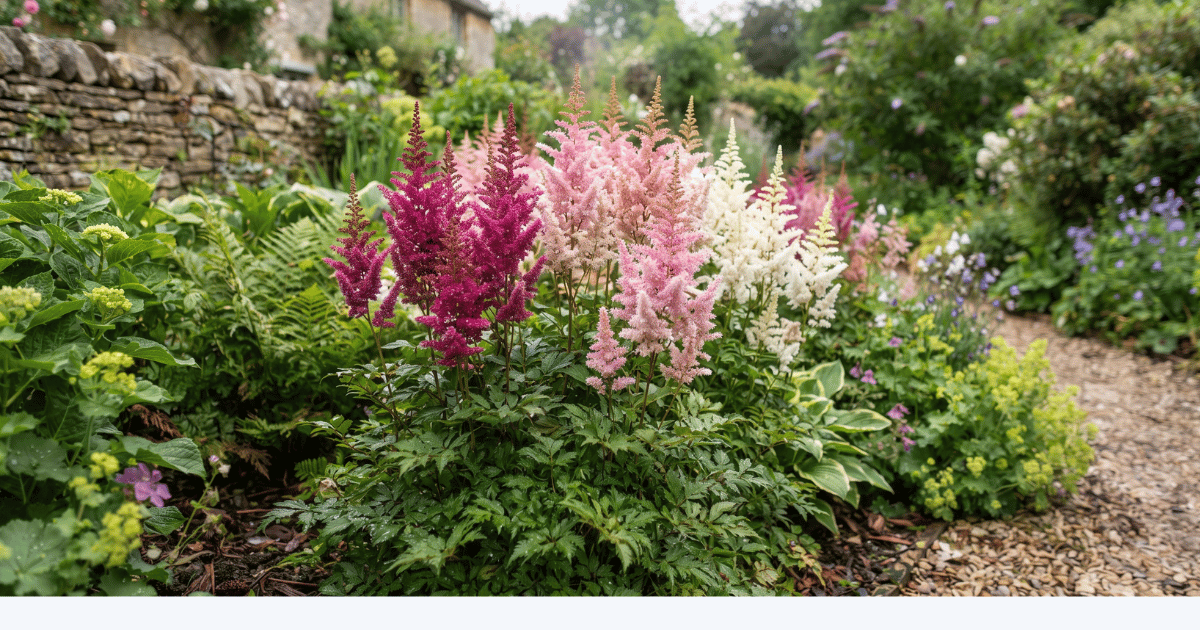
How to Grow Astilbe: Complete UK Care Guide
Astilbe brings feathery plumes of colour to moist, shady borders in summer, but needs consistently damp soil to prevent scorched, crispy foliage.
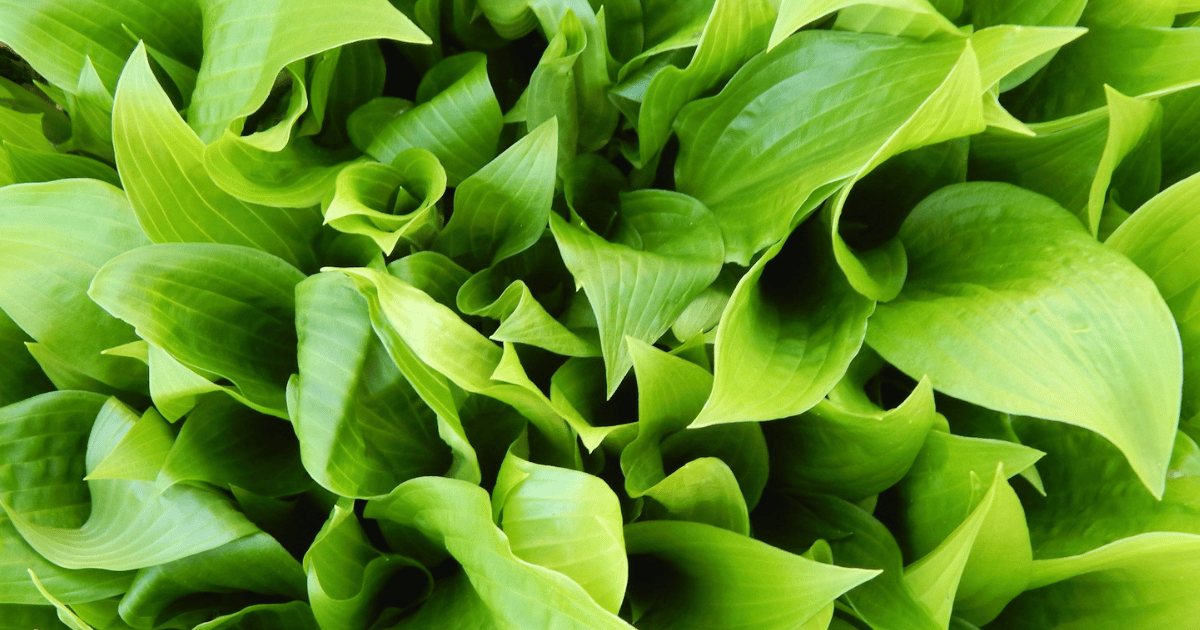
How to Grow Hostas: Complete UK Care Guide
Hostas are among the best foliage perennials for shady UK gardens, but slugs and snails mean choosing the right variety and site is essential for success.
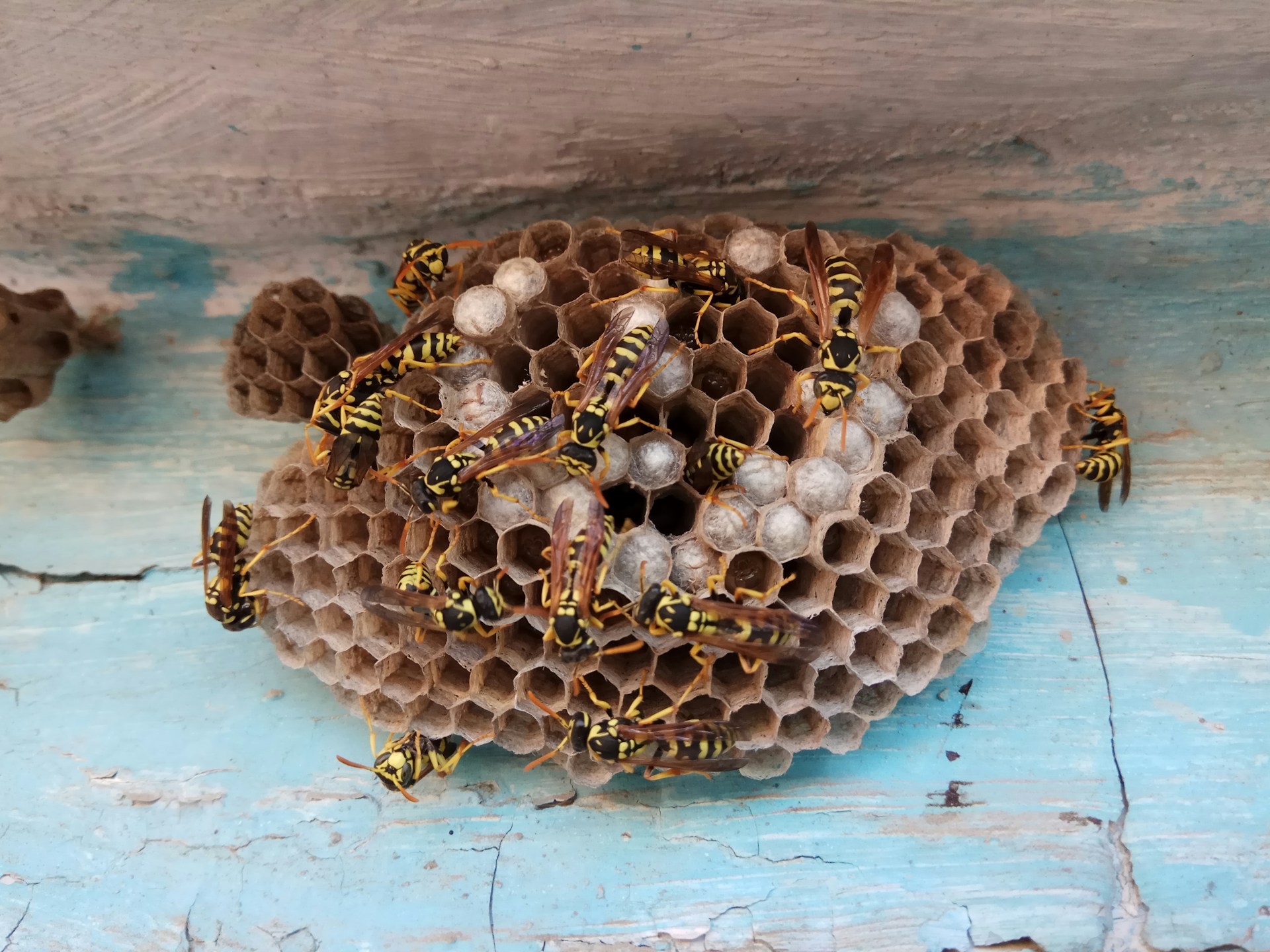
How to Get Rid of Flies and Wasps in Your Garden: UK Guide
Wasps peak in late summer as colonies max out and turn to scavenging, while flies breed fast around bins and fallen fruit all season - this guide covers prevention, physical control and when a chemical treatment is actually needed.

How to Care for a Snake Plant: Complete UK Guide
Snake plants are one of the toughest houseplants around, tolerating low light and irregular watering while purifying indoor air.
How to Care for a Spider Plant: Complete UK Guide
Spider plants are cheerful, resilient houseplants that produce cascades of plantlets, making them ideal for beginners and easy propagation.
How to Get Rid of Moss in Your Lawn: UK Guide
Moss thrives in compacted, shaded or poorly drained UK lawns, and lasting control means combining scarifying and iron sulphate treatment with fixing the underlying drainage, shade and fertility issues.