
How to Grow Clematis: Complete UK Care Guide
A complete guide to growing clematis in the UK, covering pruning groups, planting depth and how to avoid clematis wilt.
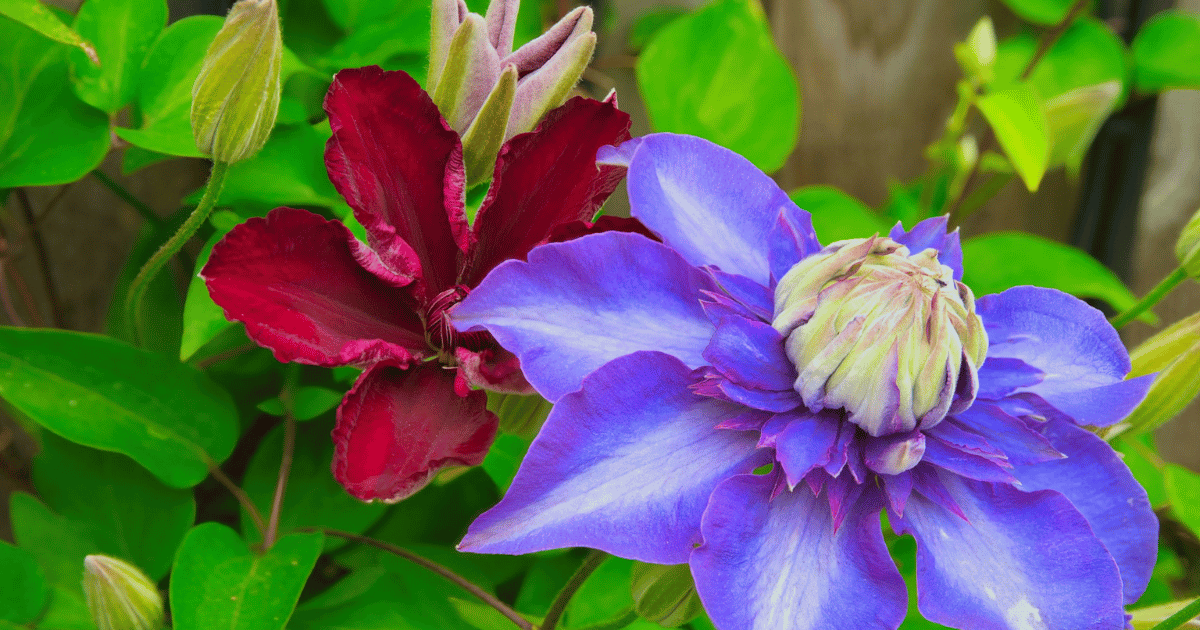
Clematis is a versatile flowering climber that thrives in UK gardens when given a cool, shaded root run and a sunny top. Success depends on choosing the right variety for your pruning group, planting deeply to guard against clematis wilt, and providing sturdy support such as trellis, wires or an obelisk.
Key takeaways
- Plant clematis 5-8cm deeper than the pot to encourage resilient buds below soil level.
- Identify the pruning group (1, 2 or 3) before cutting, as timing differs for each.
- Keep roots cool and shaded with paving slabs or low planting, while the top grows into sun.
- Clematis wilt affects large-flowered hybrids most; deep planting helps plants recover.
- Feed with a potassium-rich fertiliser in spring to support strong flowering.
| Attribute | Detail |
|---|---|
| Botanical name | Clematis spp. |
| Plant type | Deciduous or evergreen climber |
| Height & spread | Up to 3-6m x 1-2m depending on variety |
| Hardiness | RHS H5-H7 (fully hardy in most of the UK) |
| Position | Full sun to partial shade, shaded roots |
| Soil | Fertile, humus-rich, well-drained, neutral to alkaline |
| Flowering/interest period | Spring to autumn depending on group |
| Difficulty | Moderate |
Choosing varieties
Selecting the right cultivar makes pruning and care far simpler. Below are reliable choices available from UK nurseries, covering all three pruning groups.
| Variety | Pruning group | Flowers | Notes |
|---|---|---|---|
| Clematis armandii | Group 1 | White, scented, early spring | Evergreen, needs a sheltered wall |
| Clematis montana 'Elizabeth' | Group 1 | Pale pink, late spring | Vigorous, good for covering fences |
| Clematis 'Nelly Moser' | Group 2 | Pale pink with darker stripe, early/late summer | Fades in strong sun |
| Clematis 'The President' | Group 2 | Deep purple-blue | Repeat flowering, reliable |
| Clematis 'Etoile Violette' | Group 3 | Violet-purple, summer | Vigorous, great for pergolas |
| Clematis viticella 'Polish Spirit' | Group 3 | Purple-blue, late summer | Resistant to wilt |
Supports and where to plant
Clematis climb by twisting their leaf stalks around thin supports, so trellis, wires spaced 20-30cm apart, or netting work better than smooth poles. Choose a spot where roots stay cool and shaded, ideally behind a low shrub or paving slab, with the top growth able to reach sunlight. Walls, obelisks, arches and shrubs for scrambling through are all suitable, but avoid exposed, windy sites for large-flowered hybrids. See our how-to guides for support installation tips.
How to plant clematis
- Choose a planting site with sun on the top growth and shade at the base.
- Dig a hole twice the width of the root ball and enrich with well-rotted compost.
- Soak the pot thoroughly before planting.
- Position the plant 5-8cm deeper than it sat in its pot, to protect against wilt.
- Backfill, firm gently and water well.
- Add a mulch or slate chippings to keep roots cool, avoiding the stem base.
- Tie initial growth loosely to its support until it begins to climb naturally.
Watering and feeding
Water regularly during the first two years while the root system establishes, especially in dry spells, as clematis are thirsty plants. Once established, water deeply during prolonged drought. Feed in early spring with a balanced or potassium-rich fertiliser such as a tomato feed to encourage flowering, and mulch annually with well-rotted manure or compost, keeping it away from the crown.
Pruning: understanding the three groups
Correct pruning is the single most important skill for clematis success, and it depends entirely on flowering habit.
Group 1 (early flowering, prune after flowering)
Includes Clematis armandii and montana types, which flower on the previous year's growth. Prune lightly straight after flowering only to remove dead or overcrowded stems and control size; hard pruning removes next year's flowers.
Group 2 (large-flowered hybrids, prune in late winter)
Includes 'Nelly Moser' and 'The President'. In late February, cut back to a strong pair of buds, removing weak or dead growth, retaining a framework of healthy stems for the first flush, with a second flush later on new growth.
Group 3 (late-flowering, prune hard in late winter)
Includes viticella types and 'Etoile Violette', flowering on current year's growth. In late February, cut all stems back hard to a pair of strong buds around 20-30cm above ground level. This is the easiest group for beginners.
Clematis wilt
Clematis wilt is a fungal disease that causes sudden blackening and collapse of stems, particularly in large-flowered hybrids. If wilt strikes, cut affected stems back to healthy growth or ground level and destroy the debris; do not compost it. Deep planting encourages dormant buds below soil level, so the plant can usually regrow even if top growth is lost. Viticella types, such as those in Group 3, show good resistance.
Propagation
Propagate clematis by layering in summer: bend a low, flexible stem to the ground, nick the underside, bury the section and peg it down, leaving the tip exposed. Roots should form within a year, after which the new plant can be severed from the parent. Softwood cuttings taken in early summer are also possible but require more care with humidity.
Growing clematis in pots
Compact varieties suit large containers of at least 45cm diameter with good drainage. Use a loam-based compost such as John Innes No.3, provide a support built into the pot, and shade the container itself with other pots or a decorative sleeve to keep roots cool. Water more frequently than border-grown plants and feed fortnightly through the growing season.
Common problems
| Problem | Symptom | Fix |
|---|---|---|
| Clematis wilt | Sudden blackening and collapse of stems | Cut back to healthy growth, plant deeply next time |
| Aphids | Sticky new shoots, distorted leaves | Encourage ladybirds, spray with soapy water if severe |
| Powdery mildew | White coating on leaves in dry summers | Improve air circulation, water at the base |
| Slugs and snails | Chewed young shoots | Protect new growth with barriers or torchlight removal |
Month-by-month care calendar
| Month | Task |
|---|---|
| January-February | Prune Group 2 and Group 3 varieties |
| March | Apply mulch and balanced feed |
| April-May | Tie in new growth, watch for early aphids |
| June-August | Deadhead, water in dry weather, prune Group 1 after flowering |
| September | Continue watering, watch for mildew |
| October-November | Plant new clematis, clear fallen debris |
| December | Plan next year's pruning group, check supports |
Clematis FAQs
What is clematis wilt and how do I stop it?
How do I know which pruning group my clematis is in?
Can clematis grow in shade?
When should I plant clematis?
Why is my clematis not flowering?
Do all clematis need pruning every year?
Tags
Comments
Join the conversation
Create a free account to leave comments, share photos, and connect with other gardeners.
Related Articles

Choosing and Growing the Best Clematis for UK Gardens
Discover how to grow beautiful Clematis in the UK. This guide covers pruning groups, seasonal care, and the best varieties for vertical interest in your garden.

Discover the Top 5 Clematis Varieties to Flourish in the UK
If you’re a gardening enthusiast in the UK, you’re likely familiar with the allure of clematis, the stunning flowering vine that adds a touch of elegance to any garden. Discover the Top 5 Clematis Varieties to Flourish in the UK
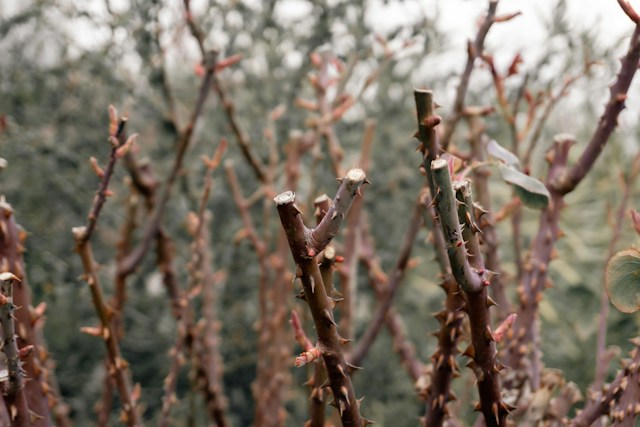
Essential Winter Pruning Guide for UK Gardens
Winter pruning is a vital task for many UK gardeners, ensuring plant health, vigour, and a bountiful display in the coming seasons. This comprehensive guide covers everything you need to know about pruning dormant plants for optimal results.
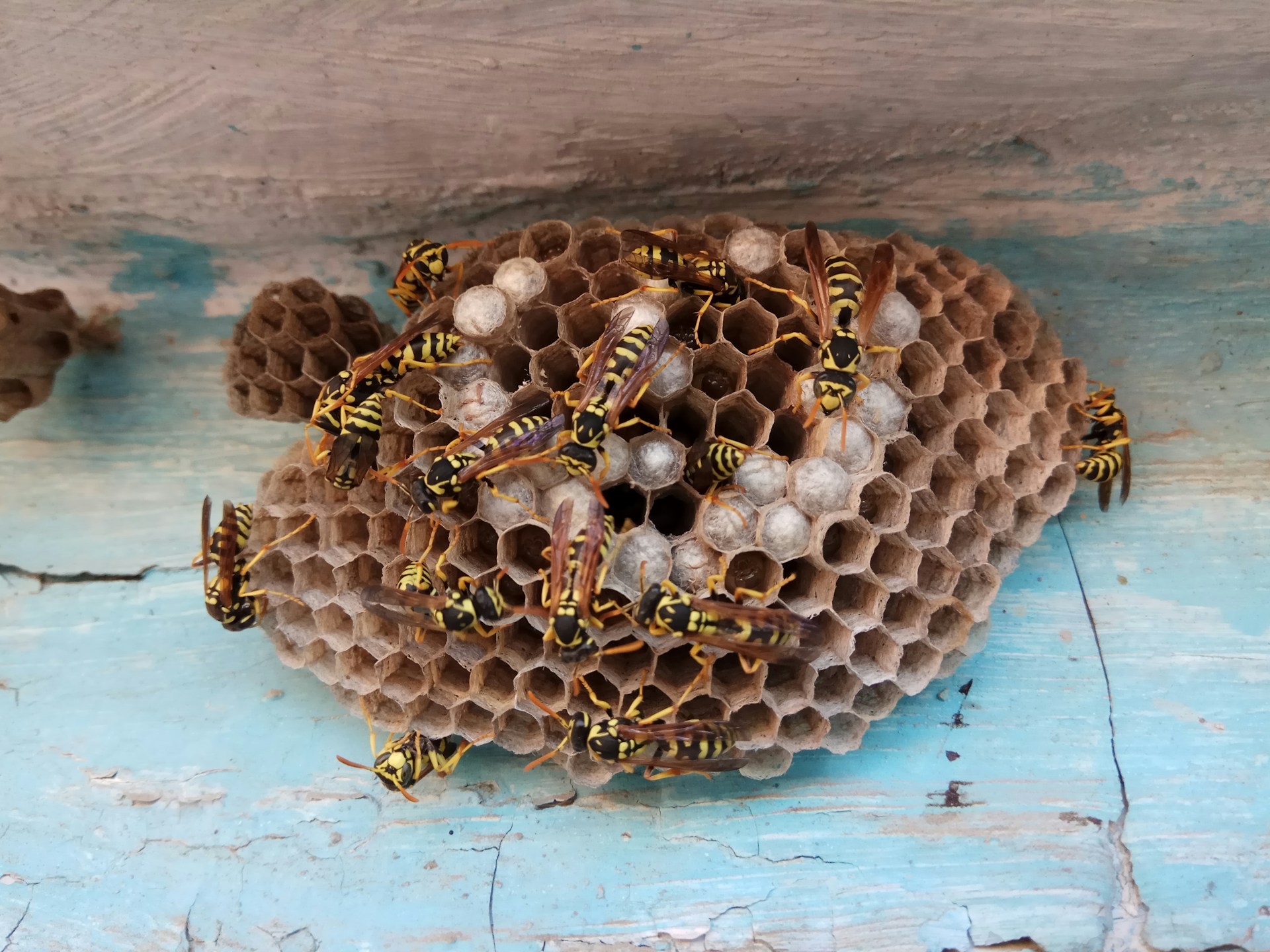
How to Get Rid of Flies and Wasps in Your Garden: UK Guide
Wasps peak in late summer as colonies max out and turn to scavenging, while flies breed fast around bins and fallen fruit all season - this guide covers prevention, physical control and when a chemical treatment is actually needed.

How to Care for a Snake Plant: Complete UK Guide
Snake plants are one of the toughest houseplants around, tolerating low light and irregular watering while purifying indoor air.

How to Grow Astilbe: Complete UK Care Guide
Astilbe brings feathery plumes of colour to moist, shady borders in summer, but needs consistently damp soil to prevent scorched, crispy foliage.