
How to Grow Buddleia: Complete UK Care Guide
A complete UK guide to growing buddleia, covering varieties, hard spring pruning, managing its invasive self-seeding habit, and wildlife benefits.
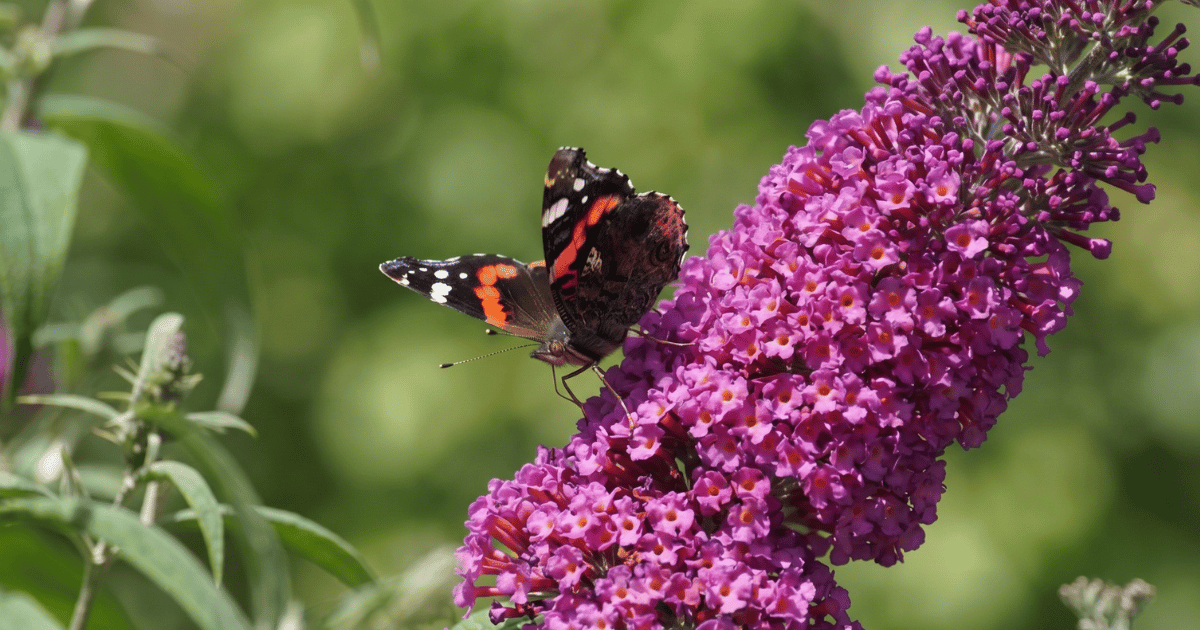
Buddleia grows easily almost anywhere in the UK, tolerating poor soil and exposed sites, and rewards minimal care with masses of nectar-rich flowers loved by butterflies. Plant in full sun, prune hard every spring to keep growth compact and floriferous, and deadhead promptly through summer to stop the prolific self-seeding that makes it invasive on waste ground.
Key takeaways
- Buddleja davidii flowers on new wood, so hard pruning in late February or March is essential for a good display.
- Deadhead spent flower spikes regularly through summer to prevent excessive self-seeding into wild areas.
- Buddleia tolerates poor, dry soil and exposed positions, making it useful for difficult sites.
- It is one of the best UK shrubs for feeding adult butterflies and moths with nectar.
- Unpruned plants become tall, leggy and top-heavy with fewer flowers over time.
| Attribute | Detail |
|---|---|
| Botanical name | Buddleja davidii |
| Plant type | Deciduous flowering shrub |
| Height & spread | Up to 3m unpruned; kept to 1.5-2m with annual pruning |
| Hardiness | RHS H5 (fully hardy) |
| Position | Full sun |
| Soil | Any well-drained soil, tolerates poor and dry conditions |
| Flowering/interest period | July to September |
| Difficulty | Very easy |
Choosing buddleia varieties
Standard Buddleja davidii cultivars are vigorous and best for wilder areas or where space allows for annual hard pruning. For smaller gardens, compact cultivars bred to stay dense without losing flower power are a better fit, and Buddleja x weyeriana hybrids offer a longer flowering season.
| Variety | Flower colour | Height | Notes |
|---|---|---|---|
| Buddleja davidii 'Black Knight' | Deep purple | Up to 3m | Classic vigorous form, very popular with butterflies |
| Buddleja davidii 'Royal Red' | Magenta-red | Up to 2.5m | Long flower spikes, strong scent |
| Buddleja davidii 'White Profusion' | White with orange eye | Up to 2.5m | Bright contrast in mixed borders |
| Buddleja 'Buzz' series | Various | 1-1.5m | Compact, ideal for small gardens and pots |
| Buddleja x weyeriana 'Sungold' | Golden-orange | Up to 2m | Long flowering into fresh autumn, unusual colour |
Where and when to plant buddleia
Plant buddleia in autumn or spring in a sunny, open position. It is highly tolerant of poor, chalky, sandy or even quite dry soils, making it a good choice for difficult banks, coastal gardens or neglected corners. Avoid heavy shade, which reduces flowering considerably.
How to plant buddleia
- Dig a hole roughly twice the width of the root ball.
- Loosen the surrounding soil and mix in some compost if the ground is very poor.
- Remove the plant from its pot and gently tease out the roots.
- Place at the same depth as it was in the pot.
- Backfill and firm in well, then water thoroughly.
- Water regularly through the first summer until established.
Watering and feeding
Once established, buddleia rarely needs supplementary watering except in extended drought, as it is naturally tough and adaptable. Little to no feeding is required; an annual spring mulch of garden compost is generally sufficient, and overly rich soil can encourage lush, weak growth at the expense of flowers.
Hard pruning: the key to good buddleia
Buddleja davidii flowers only on the current season's growth, so hard annual pruning is essential rather than optional. In late February or March, cut all stems back hard to a low, permanent framework around 30-60cm above ground level, pruning just above a pair of buds. This encourages vigorous new shoots that carry the summer flower spikes and keeps the shrub compact rather than tall and woody. Loppers or a pruning saw may be needed for older, thicker stems; see our tools hub if you are tackling larger overgrown specimens, though secateurs and loppers are usually sufficient for routine buddleia pruning. Deadhead spent flower spikes through summer by cutting back to the next pair of buds or side shoot, which encourages further flowering and, crucially, prevents the huge quantities of seed that make this shrub invasive on waste ground and railway verges.
Propagation
Buddleia roots very readily from hardwood cuttings taken in late autumn after leaf fall. Cut 20-25cm lengths of firm, pencil-thick stem, insert two-thirds of their length into a trench of free-draining soil or pots of gritty compost outdoors, and leave over winter; most will have rooted by the following autumn.
Growing buddleia in pots
Compact cultivars such as those in the 'Buzz' series are well suited to large pots on a sunny patio. Use a peat-free multipurpose compost, ensure good drainage, and water more frequently than border plants since containers dry out fast. Prune hard each spring exactly as for border plants to maintain a manageable size.
Common problems
| Problem | Symptom | Fix |
|---|---|---|
| Self-seeding | Unwanted seedlings in paving, walls, waste ground | Deadhead promptly, pull up seedlings while small |
| Legginess | Tall, bare stems with flowers only at the top | Carry out hard annual spring pruning |
| Capsid bugs | Distorted, holed young leaves | Usually cosmetic; tolerate or remove by hand |
| Frost dieback on soft tips | Blackened shoot tips after cold snap | Prune out damage in spring before main pruning |
Month-by-month buddleia care
| Month | Task |
|---|---|
| January | Leave stems in place; plan spring pruning |
| February-March | Hard prune to a low framework |
| April-May | Watch for new growth; water in dry spells while establishing |
| June | Buds forming; take hardwood cuttings noted for late autumn |
| July-August | Deadhead regularly as flowers fade to prevent seeding |
| September | Continue deadheading; enjoy late butterfly activity |
| October-November | Take hardwood cuttings; general autumn tidy |
| December | Leave structure for winter interest and shelter for wildlife |
Buddleia is a valuable addition to a wildlife-friendly border; explore more pollinator-friendly planting in our plant guides and seasonal guide hubs.
Buddleia FAQs
Is buddleia invasive in the UK?
When should I prune buddleia?
Why is my buddleia not flowering?
Do butterflies really prefer buddleia?
Can buddleia be grown in a small garden?
Is buddleia poisonous?
Tags
Comments
Join the conversation
Create a free account to leave comments, share photos, and connect with other gardeners.
Related Articles
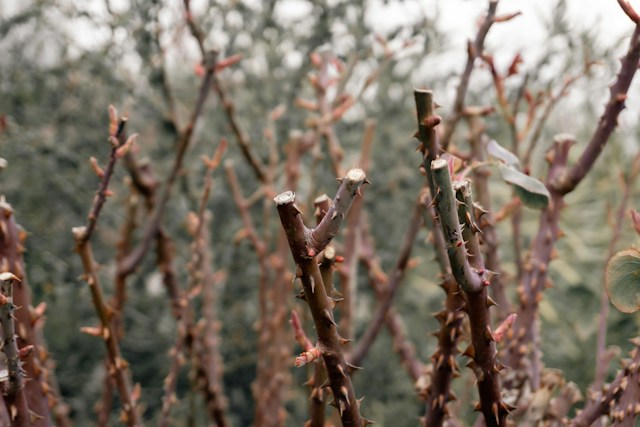
Essential Winter Pruning Guide for UK Gardens
Winter pruning is a vital task for many UK gardeners, ensuring plant health, vigour, and a bountiful display in the coming seasons. This comprehensive guide covers everything you need to know about pruning dormant plants for optimal results.
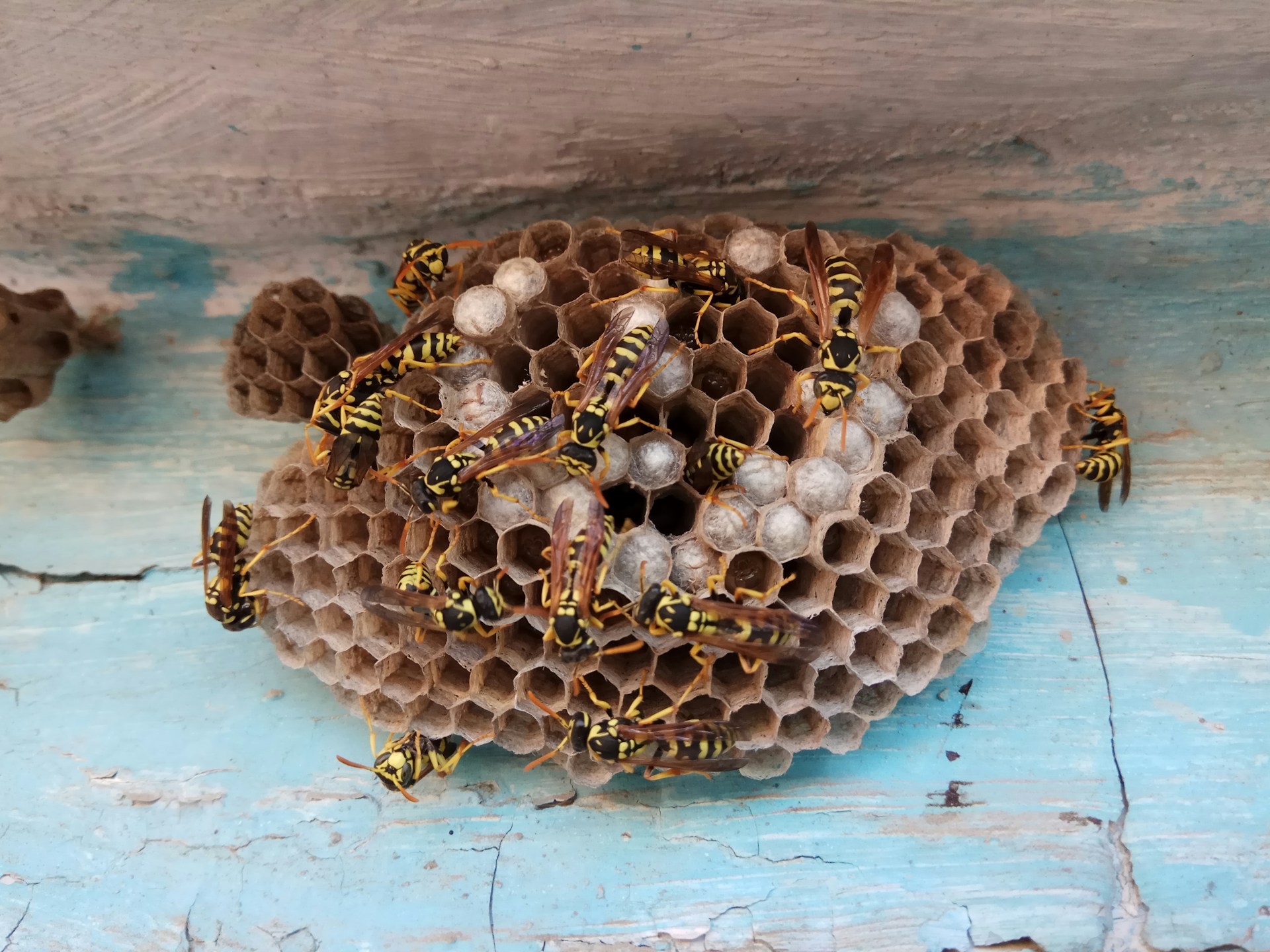
How to Get Rid of Flies and Wasps in Your Garden: UK Guide
Wasps peak in late summer as colonies max out and turn to scavenging, while flies breed fast around bins and fallen fruit all season - this guide covers prevention, physical control and when a chemical treatment is actually needed.

How to Care for a Snake Plant: Complete UK Guide
Snake plants are one of the toughest houseplants around, tolerating low light and irregular watering while purifying indoor air.
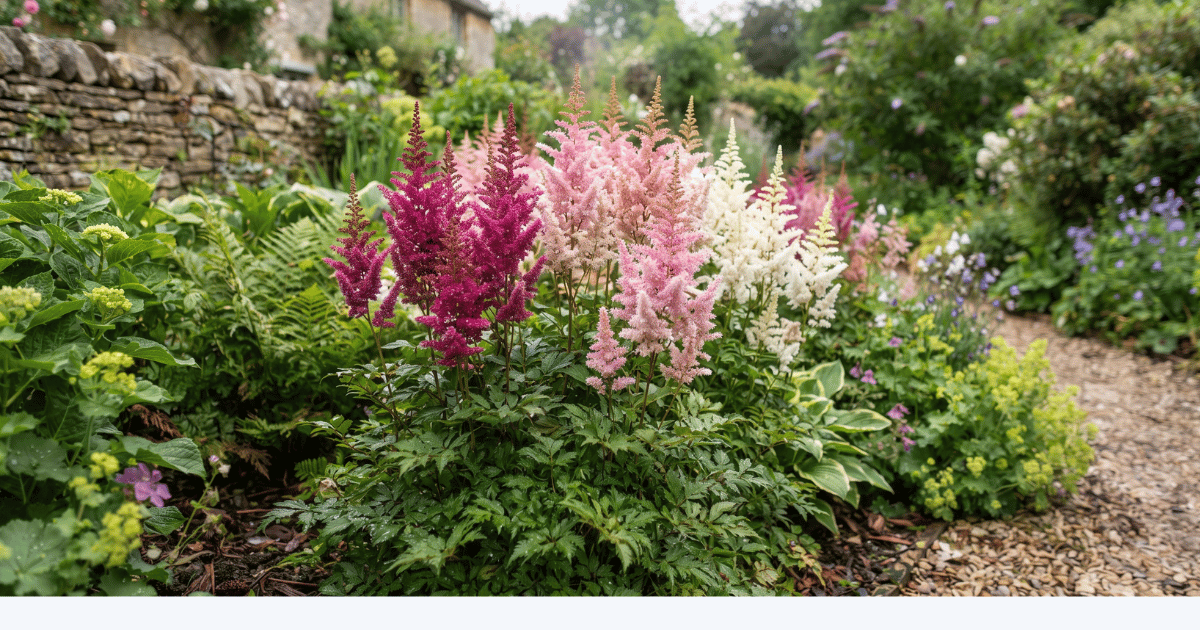
How to Grow Astilbe: Complete UK Care Guide
Astilbe brings feathery plumes of colour to moist, shady borders in summer, but needs consistently damp soil to prevent scorched, crispy foliage.
How to Care for a Spider Plant: Complete UK Guide
Spider plants are cheerful, resilient houseplants that produce cascades of plantlets, making them ideal for beginners and easy propagation.
How to Get Rid of Moss in Your Lawn: UK Guide
Moss thrives in compacted, shaded or poorly drained UK lawns, and lasting control means combining scarifying and iron sulphate treatment with fixing the underlying drainage, shade and fertility issues.