
A Guide to Pruning Apple and Pear Trees for UK Gardens
Master the art of winter and summer pruning for apple and pear trees. Our guide covers timing, techniques, and tool care for a bumper British fruit harvest.
Key takeaways
- There is nothing quite like harvesting apples and pears from your own garden.
- It plays a critical role in fruit production, tree health and long-term structure.
- Before making any cuts, it is vital to understand whether your tree is a spur-bearer or a tip-bearer.
- Winter pruning is the most important pruning session for free-standing apple and pear trees.
- Summer pruning is mainly used for restricted forms such as cordons, espaliers and fans.
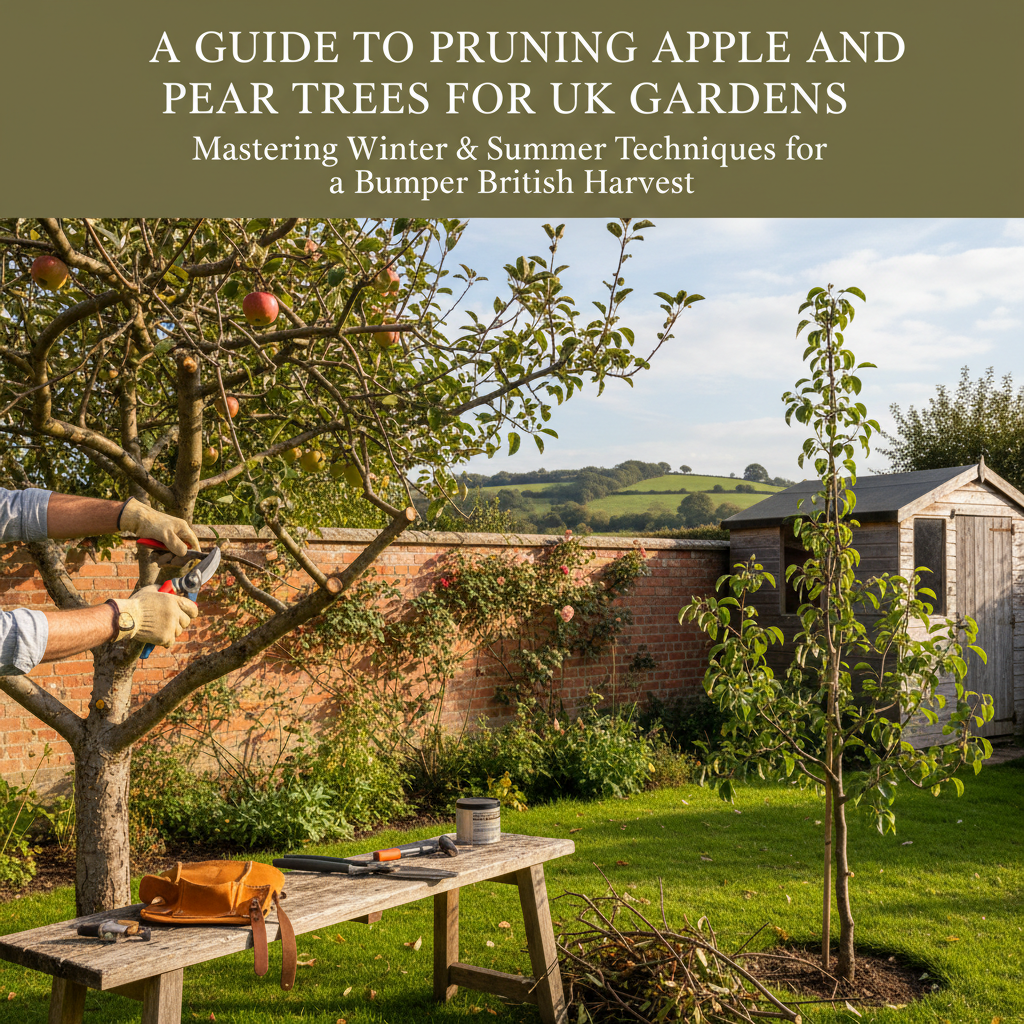
Mastering the Art of Pruning Apple and Pear Trees
There is nothing quite like harvesting apples and pears from your own garden. From the crisp bite of a ‘Braeburn’ to the delicate sweetness of a ‘Conference’ pear, homegrown fruit offers superior flavour and freshness. To keep apple and pear trees healthy, productive and manageable in a typical UK garden, correct pruning is essential.
Many gardeners feel unsure when faced with pruning fruit trees, often fearing that one wrong cut could ruin the harvest. In reality, thoughtful pruning improves airflow, boosts fruit quality and extends the lifespan of the tree. This guide explains how and when to prune apple and pear trees in the British climate, using proven horticultural principles.
Why Pruning Matters for Apple and Pear Trees
Pruning is about far more than tidiness. It plays a critical role in fruit production, tree health and long-term structure.
- Tree health: Removing dead, damaged and diseased wood (the “Three Ds”) limits the spread of fungal problems such as apple canker and silver leaf.
- Light and airflow: An open structure allows sunlight to penetrate the canopy, improving fruit ripening and reducing disease risk.
- Balanced growth: Pruning encourages a healthy balance between older fruiting wood and new shoots, supporting reliable crops year after year.
Understanding How Apple and Pear Trees Fruit
Before making any cuts, it is vital to understand whether your tree is a spur-bearer or a tip-bearer. This determines where fruit is produced and how pruning should be approached.
Spur-Bearing Varieties
Most traditional apple and pear varieties, including ‘Cox’s Orange Pippin’ and ‘Conference’, produce fruit on short, woody spurs along older branches. These trees respond well to structured pruning and are ideal for trained forms such as cordons, espaliers and fans.
Tip-Bearing Varieties
Tip-bearing apples, such as ‘Bramley’s Seedling’ and ‘Discovery’, carry fruit at the ends of shoots formed the previous year. Heavy winter pruning of shoot tips will remove the following season’s crop, so these trees require a lighter, more selective approach and are best grown as bush trees.
Winter Pruning Apple and Pear Trees
Winter pruning is the most important pruning session for free-standing apple and pear trees. While the tree is dormant and leafless, its framework is clearly visible, making structural decisions easier.
Best Time to Prune in the UK
In the UK, winter pruning is best carried out in January or February. Avoid pruning during hard frosts, as frozen wood can split and become vulnerable to disease. Winter pruning encourages strong regrowth in spring.
Step-by-Step Winter Pruning Method
- Remove the Three Ds: Cut out any dead, damaged or diseased wood first, pruning back to healthy tissue.
- Open the centre: Remove inward-growing branches to create an open, goblet-shaped canopy that allows light and air to circulate.
- Deal with crossing branches: Where branches rub together, remove the weaker one to prevent wounds that invite infection.
- Shorten leading shoots: Reduce the previous year’s growth on main branches by around one third, cutting just above an outward-facing bud.
Summer Pruning for Size Control and Fruit Quality
Summer pruning is mainly used for restricted forms such as cordons, espaliers and fans. Unlike winter pruning, which stimulates growth, summer pruning limits vigour and encourages fruit bud formation.
When to Summer Prune
Prune once the lower part of new shoots has turned woody. In southern England this is usually mid-July, while northern regions and Scotland should wait until mid to late August.
Summer Pruning Technique
Cut back new lateral shoots longer than 20cm to three leaves above the basal cluster. This redirects energy away from leafy growth and into fruit development and next year’s flower buds.
Step-by-Step Winter Pruning Method
- Remove the Three Ds: Cut out any dead, damaged or diseased wood first, pruning back to healthy tissue.
- Open the centre: Remove inward-growing branches to create an open, goblet-shaped canopy that allows light and air to circulate.
- Deal with crossing branches: Where branches rub together, remove the weaker one to prevent wounds that invite infection.
- Shorten leading shoots: Reduce the previous year’s growth on main branches by around one third, cutting just above an outward-facing bud.
Pruning time is ideal for spotting early signs of pests and disease common in UK gardens.
- Apple canker: Sunken or cracked bark indicates infection. Prune affected branches back to clean wood.
- Woolly aphid: White, cotton-like clusters on stems can be removed manually or treated with organic sprays.
- Pear rust: Bright orange leaf spots appear in summer. While pruning will not cure it, thinning the canopy improves airflow and reduces moisture.
Essential Pruning Tools
Using sharp, well-maintained tools ensures clean cuts that heal quickly and reduce the risk of disease.
- Bypass secateurs: Ideal for thin, green wood and precise cuts.
- Loppers: Suitable for branches thicker than a pencil.
- Pruning saw: A folding pull-saw is invaluable for larger limbs.
- Disinfectant: Clean blades between trees to prevent spreading disease.
Choosing the Right Apple and Pear Varieties for UK Gardens
For Small Gardens
- Apple ‘Falstaff’: Heavy cropping and easier to grow than many traditional varieties.
- Pear ‘Concorde’: Compact, reliable and well suited to smaller spaces.
For Traditional Orchards
- Apple ‘Ashmead’s Kernel’: Hardy and full of character, thriving in cooler UK regions.
- Pear ‘Beurré Hardy’: Wind-tolerant and highly productive in British conditions.
Apple and Pear Pruning Calendar
- January–February: Main winter prune for bush and standard trees.
- March: Final checks before bud burst; apply mulch around the root zone.
- May–June: Thin excess fruit after the June drop.
- July–August: Summer prune cordons, espaliers and fans.
- October–November: Harvest fruit and remove fallen leaves to reduce pests.
Pruning apple and pear trees is a skill that improves with confidence and observation. By opening the canopy in winter and controlling growth in summer, you encourage healthier trees and better harvests. Start by removing dead wood, work methodically, and remember that fruit trees are remarkably resilient. With consistent care, they will reward you with abundant crops for many years to come.
Tags
Comments
Join the conversation
Create a free account to leave comments, share photos, and connect with other gardeners.
Related Articles

Choosing and Growing the Best Clematis for UK Gardens
Discover how to grow beautiful Clematis in the UK. This guide covers pruning groups, seasonal care, and the best varieties for vertical interest in your garden.
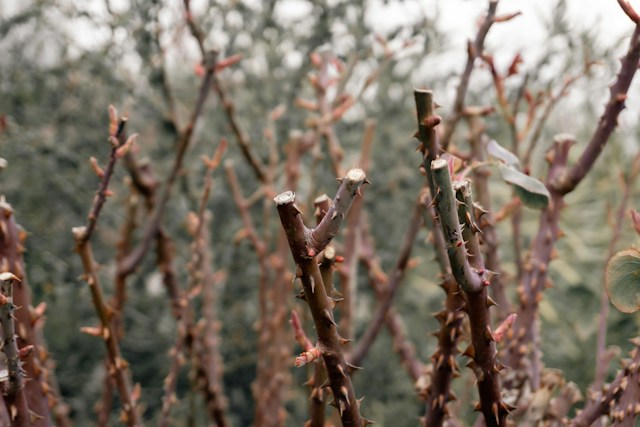
Essential Winter Pruning Guide for UK Gardens
Winter pruning is a vital task for many UK gardeners, ensuring plant health, vigour, and a bountiful display in the coming seasons. This comprehensive guide covers everything you need to know about pruning dormant plants for optimal results.

Choosing and Planting Ornamental Trees for Small Gardens
Transform your outdoor space with the best ornamental trees for small gardens. Expert advice on UK varieties, planting techniques, and seasonal care.
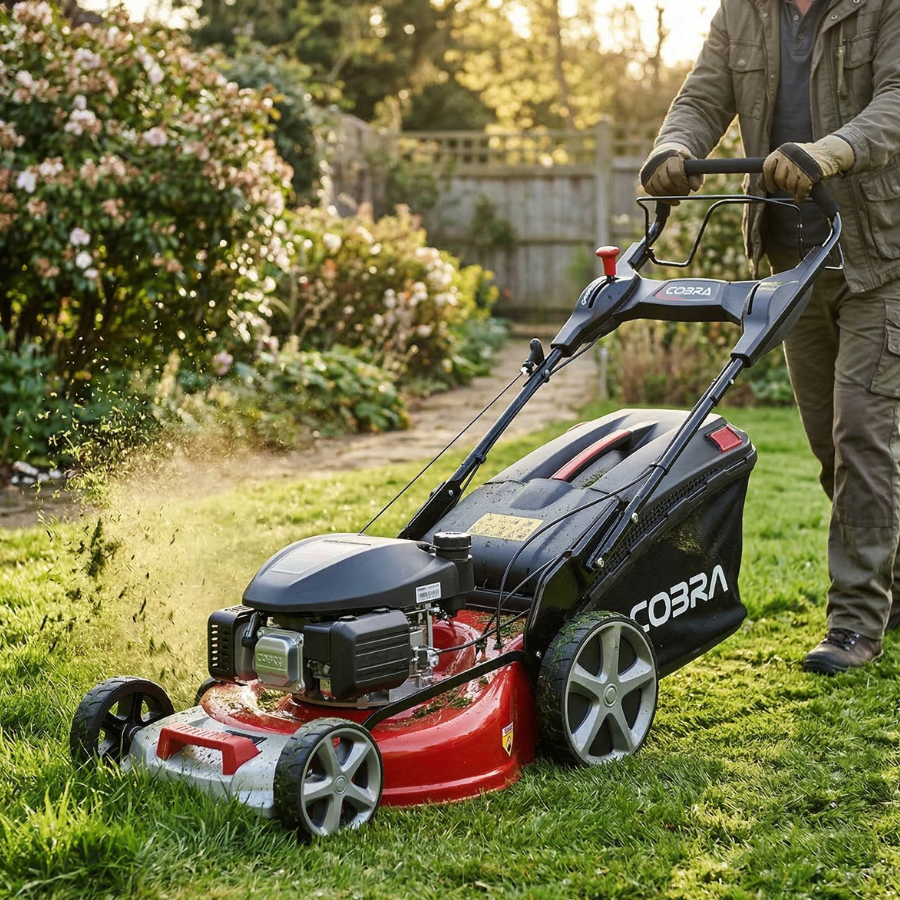
Cobra MX534SPH Review: UK Gardener's Guide
The Cobra MX534SPH is a popular petrol lawnmower among UK gardeners, boasting a powerful Honda GCVX170 engine and versatile 4-in-1 cutting options. Our in-depth review explores its suitability for various British lawn types, from suburban plots to expansive country gardens, providing specific insights, practical advice, and comparisons to help you make an informed decision.
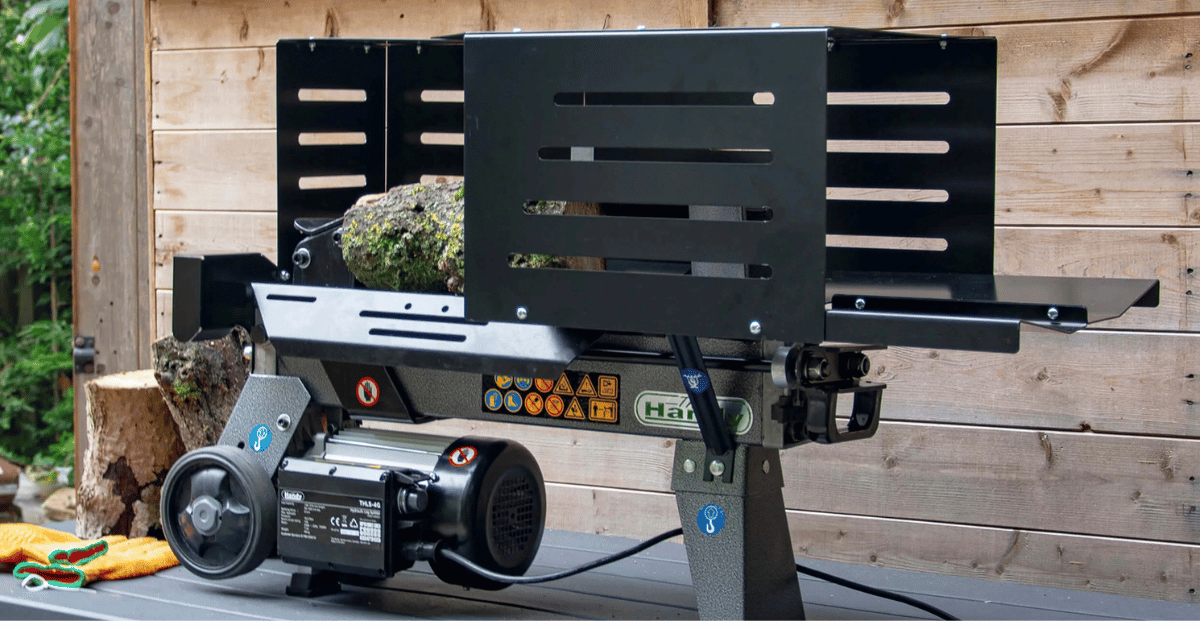
The Handy THLS-4G Electric Log Splitter Review: Your UK Garden Guide
Discover if The Handy THLS-4G Electric Log Splitter is the right tool for your UK garden. We provide an in-depth, honest review, covering its power, performance, safety features, and overall value for British homeowners.
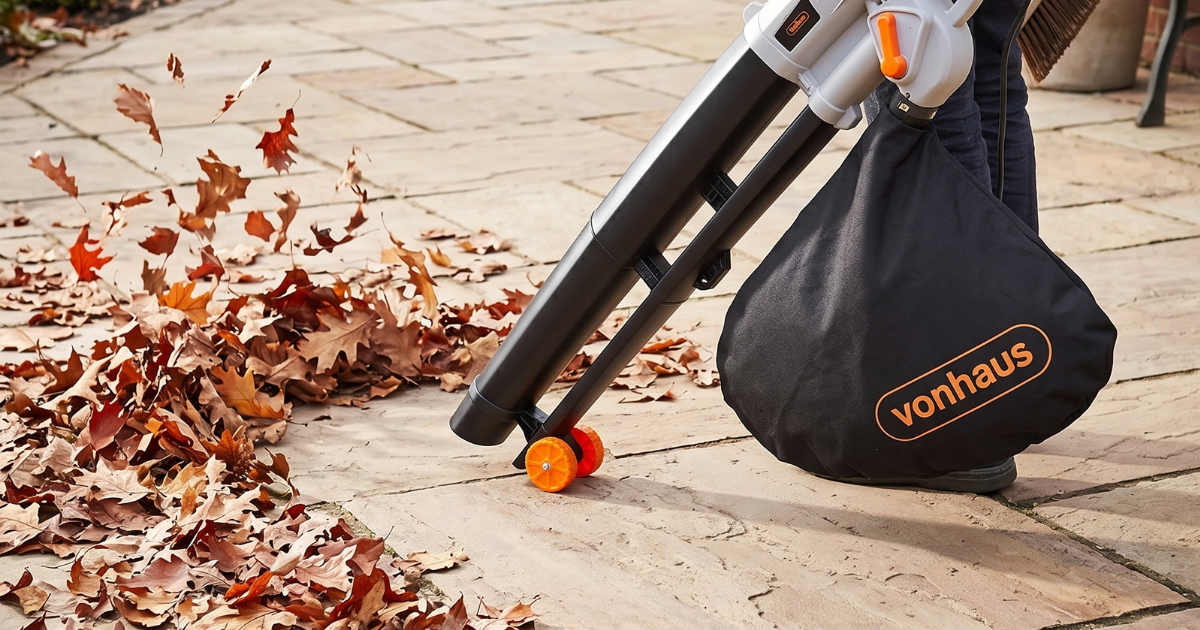
VonHaus 3-in-1 Leaf Blower & Vacuum Review
Discover our detailed, independent review of the VonHaus 3-in-1 3000W Leaf Blower, Vacuum, and Mulcher. We put this popular garden tool through its paces to see how it performs for the typical UK gardener, covering everything from power and efficiency to ease of use and long-term durability.