
What We Learned From the UK's Hottest Summer
Summer 2026 was officially the UK's hottest on record, and England had its driest July since 1836. Now the rain is back, Jim Fellows looks at what the summer taught us. He covers how brown lawns are recovering and the one autumn treatment the RHS says to skip this year. He also covers drought-tolerant plants to get in the ground now, the autumn machinery worth buying, and what's coming up in October.
Key takeaways
- The question we were asked most this summer was some version of "is my lawn dead?" For nearly everyone, the answer was no.
- When the rain came back in September, it showed which gardens had coped and which hadn't.
- If the summer made you want to change what's in your borders, September is the best time to do it.
- A scarifier, if your lawn is more than a pocket handkerchief.
- If you only read a handful of things from us this month, make it these: 10 Things to Do in Your Garden Before October The complete checklist: bulbs, lawns, ponds, hedges and machinery.
By Jim Fellows · Garden Machinery Specialist, Garden-Review
Monthly round-up · Published 23 September 2026 · 8 min read
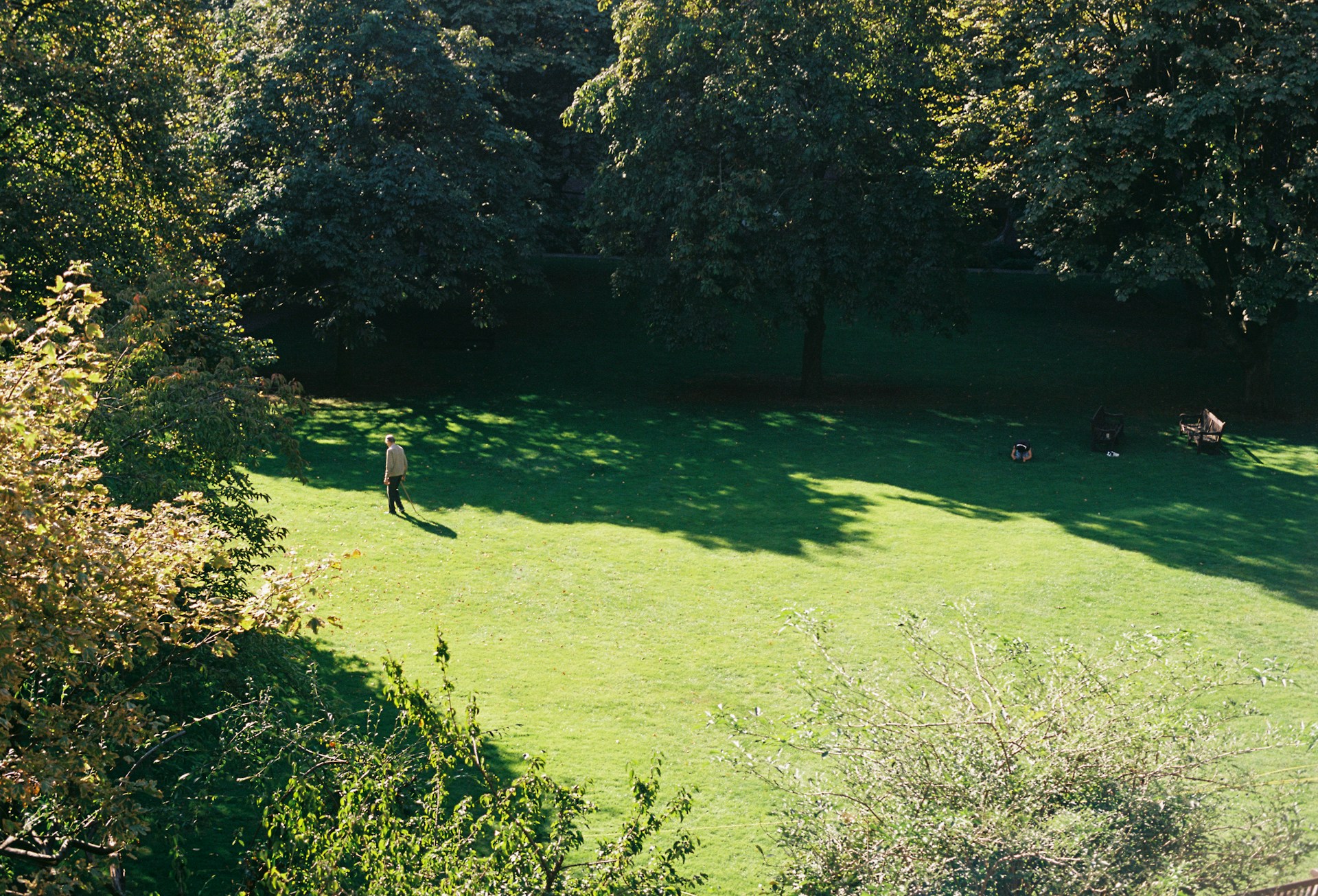
There's a particular sound a lawn makes in a drought. It crunches. For most of July, much of southern England crunched underfoot, and this month, finally, it stopped.
It's official now: the Met Office has provisionally named summer 2026 the hottest UK summer on record, beating last year's record by 0.4°C. The UK mean temperature was 16.5°C, 1.9°C above the 1991–2020 average. England had its driest July since records began in 1836, with just 6.5mm of rain, and southern England saw only 1.9mm, its driest month ever recorded. On 29 July the Environment Agency declared drought across seven areas of England, and at the peak, ten water companies had hosepipe bans in force.
This is our look back at the season: what the summer did to our gardens, what September has shown us, and what we're doing about it.
16.5°C
UK summer mean, hottest on record
10%
of normal July rainfall in England
38.2°C
Summer peak, Hartpury, 13 Aug
7
EA areas declared in drought
The lawn recovery story
The question we were asked most this summer was some version of "is my lawn dead?" For nearly everyone, the answer was no.
Grass is tougher than it looks. In a drought it goes dormant: the leaves brown off and the plant pulls back to the crown and roots and waits. The RHS is blunt about this. Its advice is to "resist the temptation to water established lawns through the summer months, however brown they get, as the grass will send up new leaves once it rains." Under a hosepipe ban most of us had no choice anyway, and the grass has proved the point. Once proper rain returned, lawns that looked finished in August started greening up within a couple of weeks.
It hasn't been even, though. The lawns that bounced back quickest were the ones that had been mown high all summer and had clippings left on as a mulch. Scalped lawns, heavily used lawns and thin grass on sandy soil have come back patchy, with gaps that weeds and moss will fill if you leave them.
The one thing to get right this autumn
Reseed bare patches now, using a drought-tolerant seed mix. But go easy on the chemicals: the RHS advises against using fertiliser or weedkiller on drought-affected turf this autumn and suggests waiting until spring. A gentle scarify and aerate will help the new seed take.
Our September lawn care guide covers the full renovation routine, and should you cut your lawn short before winter? explains why the mower should stay on a high setting.
What September taught us about drought
When the rain came back in September, it showed which gardens had coped and which hadn't. Four lessons stood out.
1. Summers like this aren't rare any more. The Met Office's attribution scientists estimate a summer like 2026 would have been roughly a one-in-a-thousand-year event without climate change, and is now closer to one in nine. Dr Amy Doherty of the Met Office's National Climate Information Centre put it plainly: "These records are now breaking with increasing frequency." Water Minister Emma Hardy called droughts "the new normal". Whatever you think of the framing, the practical conclusion for gardeners is the same: plan for dry summers.
2. Save water in winter to use in summer. The gardens that stayed greenest under hosepipe bans had water butts that filled over winter and spring. A ban doesn't stop you using a watering can filled from your own butt. If you're adding storage, autumn is the time, because a butt installed now will be full by spring. Our Beat the Hosepipe Ban watering kit guide and 800L rain tank review are good places to start.
3. Mulch works. The RHS recommends a 5cm layer of organic mulch, or 5–7.5cm of gravel, after planting. Borders that had been mulched in spring held their moisture well into August. With the leaves about to fall, this is also the moment to start a leaf-mould bin, so you have next year's mulch for free.
4. Plant for dry conditions. The plants that looked best in August were mostly the Mediterranean types that were built for it: lavender, sedum, euphorbia and sea holly. Which brings us to planting.
What to plant
If the summer made you want to change what's in your borders, September is the best time to do it. The RHS suggests planting "in September when the soil is still warm", which gives roots the whole autumn and winter to establish before next summer's dry spell. Small plants in 9cm pots establish faster than big ones.
Drought-tolerant plants the RHS recommends, all worth planting this autumn:
- Perennials: Hylotelephium spectabile (the autumn-flowering ice plant, formerly sedum), Euphorbia characias subsp. wulfenii, Eryngium (sea holly), Echinops (globe thistle) and verbena.
- Shrubs: lavender, Santolina, Artemisia, ceanothus (California lilac) and Abelia × grandiflora.
- Grasses: Stipa gigantea (golden oats) gives height and movement and doesn't need watering.
One RHS tip worth following: many drought-tolerant plants have silver or grey-green leaves. If you're unsure about a plant at the garden centre, leaf colour is a good clue. Even tough plants need watering through their first year, so plant now while autumn rain can do most of that for you.
It's also spring-bulb season. Daffodils, crocus and hyacinths should go in by the end of the month, and tulips in November. There's more in what to plant in September, the best autumn flowers for UK gardens and our guide to naturalising bulbs in your lawn.
Best garden machinery for autumn
This is my area, so a few honest views. Autumn is when the right machine saves you the most time. Here's what's worth your money this year, and what isn't.
A scarifier, if your lawn is more than a pocket handkerchief. Raking out thatch and dead growth by hand after a summer like this one is back-breaking. An electric scarifier does in half an hour what would take you an afternoon, and many double as aerators. Start with our best lawn scarifiers and best electric scarifiers round-ups. For bigger lawns, the Hyundai scarifier buying guide covers the petrol options.
A leaf blower, and ideally one that vacuums. Leaf fall is only just starting, and October and November are when it peaks. We've just finished our full leaf blower series. Start with the leaf blower buying guide, then go to cordless, petrol or backpack depending on your garden. My view: most suburban gardens are best served by a cordless blower-vac. It collects and shreds leaves in one go, and that shredded material is ready for your leaf-mould bin.
A garden shredder, if you're cutting back hard. Autumn pruning creates a lot of woody waste. Shredding it gives you mulch, and after this summer, mulch is worth having. See our Hyundai HYSH2800E shredder review and our impact vs quiet shredder comparison.
What you probably don't need: a new mower. If yours struggled this summer, it's more likely down to blunt blades and a mower put away dirty last year than to the machine itself. A proper end-of-season service costs very little. Our mower maintenance guide will take you through it. And don't leave petrol in the tank over winter.
Our most useful September guides
If you only read a handful of things from us this month, make it these:
10 Things to Do in Your Garden Before October
The complete checklist: bulbs, lawns, ponds, hedges and machinery.
September Lawn Care: 8 Jobs for a Healthier Lawn
Step-by-step lawn renovation after a hard summer.
What to Plant in September
Bulbs, perennials and veg to get in the ground now.
Leaf Blowers Buying Guide 2026
Our new hub, with dedicated guides for every type.
JCB Tools Inverter Generator Buying Guide
Covers JCB's new range. Worth reading before winter power cuts.
Best Patio Cleaners & Algae Removers
Clean off the summer's grime before damp weather turns it green.
What we're reviewing next
A quick word on how we work. Our reviews are research-based: we compare specifications, manufacturer data, warranty terms, pricing and verified owner feedback, and we always say so. We don't claim hands-on testing we haven't done. With that said, this is what we're working on for the colder months:
- Chippers and shredders: hire or buy? A cost comparison for anyone with one big autumn clear-out rather than a year-round need.
- Winter machinery care. Storing petrol and battery kit properly, so everything starts first time next spring.
- Outdoor heating. Updating our fire pits and patio heaters coverage for the evenings that are drawing in.
- More from the JCB Tools range as the autumn line-up lands.
Got a machine you'd like us to cover? Let us know. Reader requests shape a good part of our list.
October preview
October is when the garden starts shutting down for winter. What's coming up:
- Leaves, leaves, leaves. Clear them off lawns and paths before they smother the grass and make paving slippery. Keep them for leaf mould.
- The last mow. Keep cutting while the grass grows, on a high setting, then clean and winterise the mower once you're done.
- Tender plants under cover. Met Office averages put the first frost around late October in Scotland and early-to-mid November across much of England, and earlier in frost pockets.
- Tulips in waiting. Buy them now while the choice is good, but hold off planting until November.
- The clocks go back on Sunday 25 October, so get outdoor jobs done while there's still light after work.
I'll be back next month with our October round-up. For now, enjoy the rain. It's been a long time coming.
— Jim
Some links on Garden-Review are affiliate links. If you buy through them we may earn a small commission at no extra cost to you.
Tags
Comments
Join the conversation
Create a free account to leave comments, share photos, and connect with other gardeners.