
7 Ways to Help Your Garden Survive a UK Heatwave
With another heat wave here, the UK continues to experience record-breaking heat and dwindling rainfall. Gardeners across the country are facing a serious challenge: how to care for their gardens during hot, dry spells. According to the Met Office, June was one of the hottest on record for the UK, and prolonged.
Key takeaways
- Heat stress hits gardens two ways: intense sun damages temperate, moisture-loving plants, while a lack of consistent rain leaves soil parched.
- Best practice: water early in the morning, aimed at the base of the plant rather than the leaves, using a watering can rather than a hose where possible.
- A thick layer of organic mulch — bark chips, straw, compost, or leaf mould — acts as a blanket for soil.
- Wait it out — planting during a heatwave stresses young plants further.
- Group patio pots together in a shady spot to create a cooler microclimate and cut water loss.

Heatwave Gardening Guide
7 Ways to Help Your Garden Survive a UK Heatwave
Quick answer: water early morning at the base (not the leaves), mulch beds to lock in moisture, hold off planting anything new, let your lawn go dormant, and collect rainwater in a water butt. Established plants (2+ years) usually cope fine with less water — it's new plants and lawns under stress that need the help.
With another heatwave here, the UK continues to see record-breaking temperatures and dwindling rainfall. According to the Met Office, June was one of the hottest on record, and prolonged dry spells are becoming the norm rather than the exception. Even where there's no official hosepipe ban in place, water is under pressure — so it pays to garden smart, not just hard.
In this guide
Why heatwaves are hard on gardens
Heat stress hits gardens two ways: intense sun damages temperate, moisture-loving plants, while a lack of consistent rain leaves soil parched. The goal isn't to fight the heat — it's to manage the risk with smarter watering, smarter timing, and smarter plant choices.
"It's about adapting and managing risks. Certain plants, particularly lush, moisture-loving varieties like hydrangeas, will always struggle. But there are ways to help them — and your entire garden — cope better."— Katie Driscoll, RHS Horticultural Advisor
💧 1. Water wisely
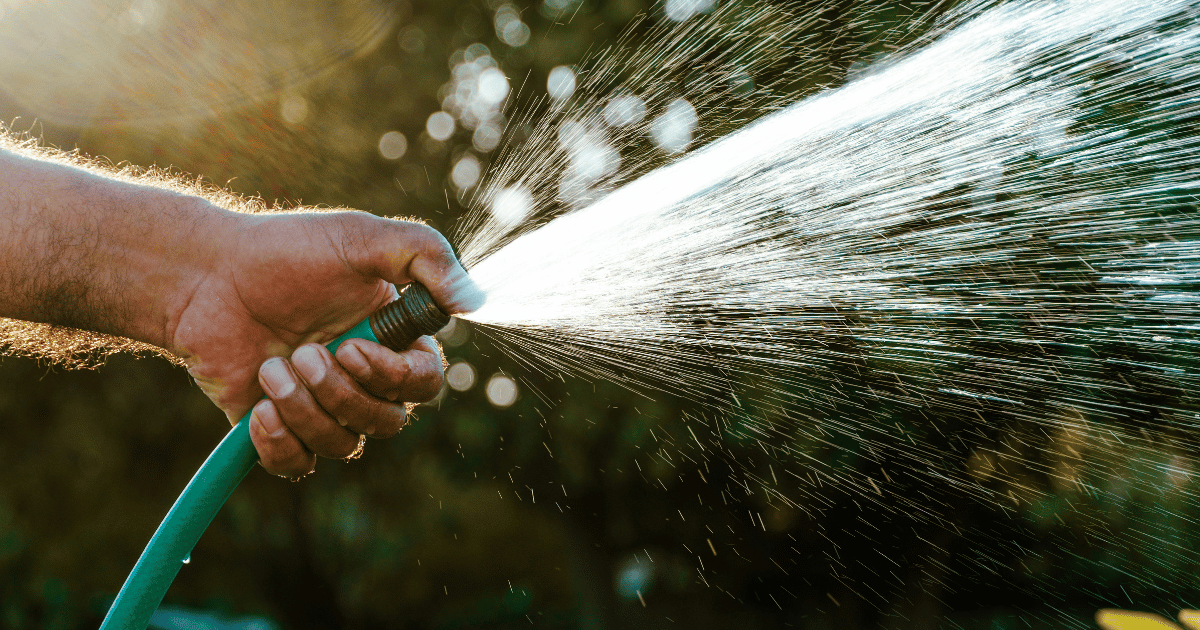
Best practice: water early in the morning, aimed at the base of the plant rather than the leaves, using a watering can rather than a hose where possible.
"Always water early in the morning when temperatures are cooler and plants can absorb moisture before the heat of the day."— Katie Driscoll, RHS
- Avoid spraying leaves — aim directly at the base, where water is actually needed.
- A watering can is often more water-efficient than a hose, especially under restrictions.
- Prioritise anything planted in the last 12 months — shallow roots make young trees, shrubs, and bedding plants most vulnerable.
Tip: Reuse bath or washing-up water (greywater) for ornamental plants — just avoid water containing harsh chemicals.
🍂 2. Mulch to lock in moisture
A thick layer of organic mulch — bark chips, straw, compost, or leaf mould — acts as a blanket for soil. It reduces evaporation, keeps roots cool, and improves soil health over time.
"It turns old stems and branches into useful mulch that would otherwise go to waste."— Max Letek, Hyundai Power Products
🌱 3. Hold off on new plants
Tempted by a garden centre run? Wait it out — planting during a heatwave stresses young plants further.
"Planting in a heatwave only stresses plants further. Stick to tending your existing garden — anything established for two years or more will likely cope well with less water."— Katie Driscoll, RHS
4. Move pots into shade
Group patio pots together in a shady spot to create a cooler microclimate and cut water loss. Move hanging baskets out of direct sun during peak heat hours too.
5. Harvest heat-sensitive veg early
Lettuce, pak choi, and other leafy veg can "bolt" (go to seed) in extreme heat. Picking them young avoids bitterness and waste.
"Create makeshift shade using garden furniture, old bed sheets, or shade cloth. Even partial shade can help protect crops."— Melissa Quinney, Grow-Your-Own Expert
🌾 6. Let the lawn go dormant
A brown, hay-like lawn looks alarming but is rarely dead — it's dormant, and it bounces back when rain returns.
"It's dormant, not dead. It will bounce back when the rain returns."— Peter Chaloner, Lawn Specialist
Avoid mowing, fertilising, or walking on stressed grass. The exception is newly laid turf, which still needs regular watering until it's established.
🛢️ 7. Use a water butt
Collecting rainwater is one of the most sustainable habits a gardener can build. A standard 100L butt can provide several days of watering during dry spells.
"Connect a butt to your downpipes and use a leaky hose or slow-release irrigation pipe under mulch to maximise water efficiency."— Nick Hamilton, Gardening Broadcaster
Best water butts for any garden
Best for small gardens
Slimline 100L Water Butt Kit
Compact, space-saving design with diverter and stand included.
£36.99
Amazon
Most decorative
165L Midi Metropolitan Planter
Doubles as a planter; colour options from pink to sky blue.
£205
Water Butts Direct
Classic style
210L Amphora Terracotta Butt
Urn-style design with an integrated flower pot on top.
£139.75
Amazon
Best for large gardens
330L Stone Column Tank
High-capacity tank for serious, regular waterers.
£269.99
Water Butts Direct
Climate change is changing how the UK gardens. By working with nature — smarter watering, mulching, and harvesting rainwater — you can keep a garden thriving even through the height of summer.
More for gardeners
Love this advice?
Join the Garden-Review community for weekly tips and inspiration straight to your inbox.
Sign up freeTags
Comments
Join the conversation
Create a free account to leave comments, share photos, and connect with other gardeners.
Related Articles
Beat the Hosepipe Ban: The Best Ban-Proof Garden Watering Kit (UK 2026)
Nine water companies now have hosepipe bans in force. Here's the ban-proof watering kit - butt pumps, drip kits, soaker hoses and more — that keeps your garden alive legally.

Thames Water Imposes Hosepipe Ban Amid Historic Drought
Thames Water announces a hosepipe ban from July 22 due to unprecedented dry conditions, affecting 1.1 million customers in southern England.

The Three Sisters: A Harmony of Growth in Vegetable Planting
In the ever-evolving world of allotment and vegetable growing, some methods stand the test of time. Among them is the ancient practice of Three Sisters planting, a technique rooted in Indigenous agricultural traditions of the Americas. This time-honoured method not only exemplifies the ingenuity of early growers but also offers a blueprint for sustainable, symbiotic […]
All-Season Care for Your Terracotta Planters
Terracotta pots are a classic addition to any garden, offering both aesthetic appeal and practical benefits. Their timeless design suits any garden setting and complements a wide variety of plants. The porous nature of terracotta clay allows for excellent drainage and root aeration, ensuring healthy plant growth. Whether you’re an experienced gardener or a novice, […]

7 Genius Urban Gardening Ideas for Small Spaces, Balconies & Indoors
Creative urban gardening ideas for small spaces—grow herbs, veg & flowers on balconies, windowsills & indoors with ease.

When should I prune back lavender?
This guide outlines lavender pruning for UK gardeners, highlighting optimal timing, techniques, and the importance of regular maintenance for robust growth.