
How to Improve Clay Soil: A Guide to Heavy Soil Drainage
Learn how to improve clay soil with our expert UK guide. Discover the best time to dig, which organic materials to add, and how to stop clay from cracking.
Key takeaways
- Clay soil is often labelled “heavy,” but it is one of the most nutrient-rich soil types available.
- Digging in autumn allows winter frost to naturally break up soil clods.
- UK clay is often neutral to slightly alkaline, especially in limestone areas such as the Cotswolds.
- Gypsum (calcium sulphate) is effective in sodic soils but most UK clay soils are not sodic.

To improve clay soil, incorporate generous amounts of organic matter such as well-rotted garden compost, manure, or leaf mould. The best time to do this in the UK is autumn (October to November), when soil is still workable and winter frosts can naturally break down heavy clods. Adding horticultural grit and avoiding compaction will further improve drainage and structure over time.
Quick guide to Improving Clay Soil
- Best Time to Dig: Late autumn (October–November).
- Key Materials: Well-rotted manure, garden compost, leaf mould, horticultural grit.
- What to Avoid: Never dig when soil is waterlogged or bone dry; avoid walking directly on beds.
- Recommended Plants: Roses, hydrangeas, elderberry.
- Maintenance: Mulch annually in spring to prevent cracking and surface plating.
What Are the Characteristics of Clay Soil?
Clay soil is often labelled “heavy,” but it is one of the most nutrient-rich soil types available. According to the Royal Horticultural Society (RHS), clay particles are extremely fine (less than 0.002mm in diameter) and pack together tightly, restricting air and water movement.
In the UK climate, this leads to two main issues:
- Waterlogging: Excess winter rainfall can cause root rot.
- Compaction: Summer heat bakes clay hard, preventing moisture penetration.
The advantage is fertility: clay holds essential nutrients such as calcium, magnesium, and potassium far better than sandy soils. Improve drainage, and you unlock exceptionally productive ground.
When Is the Best Time to Improve Clay Soil in the UK?
The Autumn Strategy (October–November)
Digging in autumn allows winter frost to naturally break up soil clods. Leaving soil in rough chunks enables frost weathering, where freezing water expands and shatters compacted clay.
The Spring Mulch (March–April)
Apply a thick mulch as soil begins to warm. This prevents crusting, regulates moisture, and protects soil structure during summer.
How to Improve Clay Soil Drainage: Step by Step
Improving clay soil takes time. Expect noticeable results over 2–3 growing seasons.
Step 1: Test Your Soil
Check soil pH before amending. UK clay is often neutral to slightly alkaline, especially in limestone areas such as the Cotswolds.
Step 2: Incorporate Organic Matter
Organic matter binds clay particles into larger aggregates, improving aeration and drainage.
- Amount: 5–10cm (2–4 inches) spread over the surface.
- Best materials: Well-rotted manure, composted bark, garden compost.
Step 3: Add Grit for Aeration
For heavy “greasy” clay, add horticultural grit or lime-free sharp sand. To be effective, grit should make up around 25% of the soil volume. Small quantities of sand alone can worsen clay, creating a concrete-like texture.
Step 4: No-Dig Method (Alternative)
The no-dig approach popularised by Charles Dowding works extremely well on clay soils. Apply 10–15cm of organic matter to the surface and allow worms to incorporate it naturally.
Comparison: Best Soil Conditioners for Clay
| Material | Pros | Cons | Best Used For |
|---|---|---|---|
| Well-rotted manure | High nutrients, fast structure improvement | May contain weed seeds | Vegetable beds, roses |
| Composted bark | Long-lasting, improves drainage | Low nutrients, temporary nitrogen lock-up | Shrubs and permanent borders |
| Leaf mould | Free, excellent texture improvement | Slow to produce, low nutrients | Seedbeds, woodland plants |
| Horticultural grit | Permanent drainage improvement | Costly and heavy | Bulbs, alpines, planting holes |
Can You Use Gypsum to Break Up Clay?
Gypsum (calcium sulphate) is effective in sodic soils but most UK clay soils are not sodic. While gypsum will not harm soil, the RHS advises that organic matter is far more effective for improving British clays such as London or Weald clay.
What Plants Grow Best in Clay Soil?
- Trees: Betula nigra, Amelanchier lamarckii.
- Shrubs: Roses, Viburnum opulus, Cornus alba.
- Perennials: Hostas, Geranium pratense, Persicaria amplexicaulis, Astrantia.
- Vegetables: Brassicas such as cabbage and broccoli.
Top Tips for Managing Clay Soils
- Stay Off Wet Soil: Use boards or paths to prevent compaction.
- Raised Beds: Ideal for severely compacted clay.
- Green Manures: Winter beans and rye break up clay and add organic matter.
Checklist for UK Gardeners
- Autumn: Dig and leave soil in rough clods.
- Winter: Allow frost to break down structure.
- Spring: Add 5cm of compost or manure.
- Year-round: Avoid treading directly on beds.
FAQs on 'How to Improve Clay Soil'
Does adding sand to clay soil make it worse?
How do I stop clay soil from cracking in summer?
Is clay soil acidic or alkaline?
Can I grow carrots in clay soil?
How long does it take to fix clay soil?
Tags
Comments
Join the conversation
Create a free account to leave comments, share photos, and connect with other gardeners.
Related Articles

Best Garden Lighting: The Ultimate UK Homeowner's Guide
Discover the best garden lighting options for UK homes. From solar DIY to professional mains systems, learn about IP ratings, wildlife safety, and more.

How to Create a Traditional English Garden: The Ultimate UK Guide
Transform your outdoor space with our guide to traditional English gardens. Learn design secrets, plant selection, and UK-specific maintenance tips now!

How to Install a Solar-Powered Garden Pond: UK Guide
Learn how to install and maintain a solar-powered garden pond in the UK. Discover expert tips on placement, plant selection, and the best solar pumps.

Best Plants for Shade UK: North Facing Garden Guide
Discover the best plants for shade UK gardens. Our guide covers north-facing garden ideas, ferns, hostas, and shrubs to transform your shady borders today.
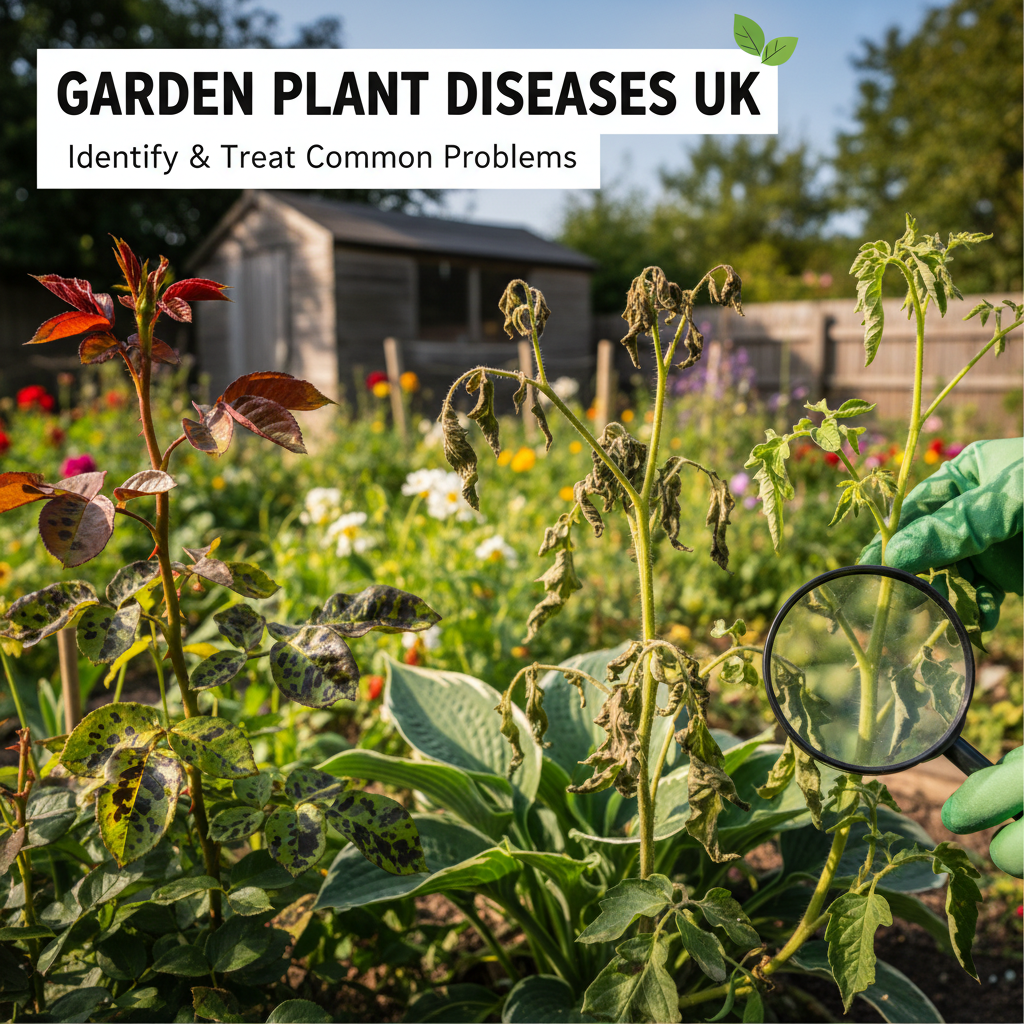
Garden Plant Diseases UK: Identify & Treat Common Problems
Identify and treat common UK garden plant diseases with our expert guide. Learn to spot fungal blights and bacterial cankers to keep your garden healthy.
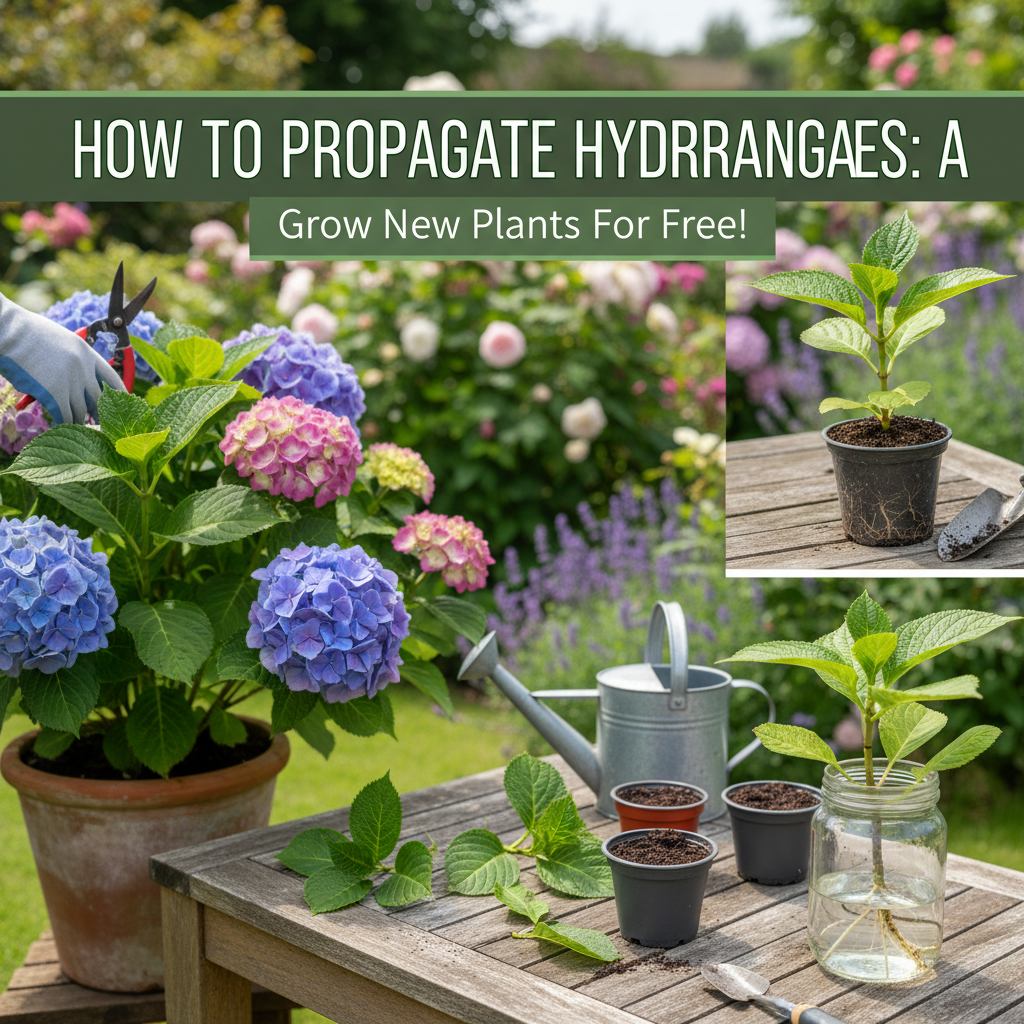
How to Propagate Hydrangeas: A Complete UK Guide
Learn how to propagate hydrangeas with our expert UK guide. Step-by-step instructions for softwood cuttings, timing, and care to grow new plants for free!