
How to Kill Weeds Without Killing Grass: Expert UK Guide
Learn how to kill weeds without killing your grass using selective herbicides and organic methods. Expert UK guide to a weed-free lawn. Read more!
Key takeaways
- Generally, lawn weeds fall into two categories: annuals and perennials.
- The most effective way to eliminate weeds while keeping your lawn green is through the use of selective herbicides .
- For weeds like dandelions and thistles, remove the entire taproot using a long-handled weeder or daisy grubber .
- Experts strongly advise against using vinegar or salt on lawns.
- Set mower blades to around 5cm (2 inches) to shade the soil.

=To kill weeds without killing your grass, you must use a selective herbicide containing ingredients like fluroxypyr or clopyralid, which target broadleaf plants while leaving turfgrass unharmed. Alternatively, manual removal with a dedicated weeding tool or improving lawn health through regular aeration and scarification can suppress weed growth naturally without chemicals.
Best Methods for UK Lawns
- Best Chemical Solution: Selective weedkillers (look for “Lawn Weedkiller” labels).
- Best Organic Approach: Manual extraction using a long-handled daisy grubber or knife.
- Optimal Timing: Late spring (May) or early autumn (September) when weeds are actively growing.
- Prevention: Maintain grass at 2–3 inches to shade out weed seeds.
- Top Tip: Never use glyphosate-based products (like Roundup) on lawns, as they kill everything they touch.
What Are the Most Common Lawn Weeds in the UK?
Before choosing a treatment, you must identify the culprit. Generally, lawn weeds fall into two categories: annuals and perennials.
| Weed Name | Growth Habit | Appearance | Best Treatment |
|---|---|---|---|
| Dandelion | Perennial | Yellow flower, deep taproot | Selective herbicide or deep extraction |
| White Clover | Perennial | Triple-leaf, white flowers | Spot treatment; often indicates low nitrogen |
| Creeping Buttercup | Perennial | Yellow flowers, runners | Improving drainage and selective spray |
| Common Daisy | Perennial | White petals, yellow centre | Manual removal or broadleaf weedkiller |
| Greater Plantain | Perennial | Broad, ribbed leaves | Manual removal; thrives in compacted soil |
How to Kill Weeds Without Killing Grass: The Selective Approach
The most effective way to eliminate weeds while keeping your lawn green is through the use of selective herbicides. Unlike non-selective weedkillers (like glyphosate), which kill all green plant tissue, selective products are formulated to identify the physiological differences between monocots (grasses) and dicots (broadleaf weeds).
How Selective Weedkillers Work
Most UK lawn weedkillers, such as those recommended by the Royal Horticultural Society (RHS), contain a cocktail of active ingredients like 2,4-D, Mecoprop-P, and Dicamba. These chemicals mimic plant growth hormones, causing broadleaf weeds to grow uncontrollably fast until they exhaust their nutrients and die, while the narrow leaves of the grass remain unaffected.
Step-by-Step: Applying Lawn Weedkiller
- Check the Weather: Apply on a calm, dry day when rain is not forecast for at least 6 hours.
- Wait to Mow: Do not mow for 3 days before application and 3 days after.
- Mix Accurately: If using a concentrate, follow the manufacturer’s dilution rates strictly.
- Target the Weeds: Use a pressure sprayer for large infestations or a ready-to-use spot spray for isolated patches.
- Be Patient: Results usually take 7–14 days. Twisting stems indicate the treatment is working.
When is the Best Time to Treat Lawn Weeds in the UK?
- Spring (Late April to June): The golden window for treatment.
- Summer (July to August): Avoid during droughts or heatwaves.
- Autumn (September to October): Ideal for targeting perennials.
- Winter (November to March): Generally ineffective below 10°C.
How to Remove Lawn Weeds Manually (The Organic Way)
1. The Taproot Extraction
For weeds like dandelions and thistles, remove the entire taproot using a long-handled weeder or daisy grubber.
2. Dealing with Creeping Weeds
Use a spring-tined rake or scarifier to lift runners before mowing.
3. The “Knife” Method
Flat-leaved weeds like plantain can be removed using a serrated garden knife to lift the crown.
Can You Use Household Items Like Vinegar or Salt?
Experts strongly advise against using vinegar or salt on lawns. Both are non-selective and will damage grass or poison the soil.
Preventing Weeds: The Best Offense is a Good Defense
1. Mow High
Set mower blades to around 5cm (2 inches) to shade the soil.
2. Feed the Turf
Apply a high-nitrogen fertiliser in spring or use an all-in-one feed, weed, and mosskiller.
3. Aerate and Scarify
Aerate every 2–3 years to relieve compaction and improve drainage.
4. Over-seeding
Fill bare patches with UK-appropriate grass seed like perennial ryegrass or fescue.
Recommended Products for UK Gardeners
- Selective Sprays: Westland Resolva Lawn Weedkiller, Weedol Gun! Lawn Weedkiller
- Granular Solutions: EverGreen Complete 4-in-1
- Organic Tools: Fiskars Xact Weed Puller
Killing weeds without harming your lawn is a balance of selective chemicals, manual persistence, and good lawn care. By treating in late spring and maintaining a 5cm cut height, you can enjoy a pristine, weed-free British lawn throughout the year.
Frequently Asked Questions
Will lawn weedkiller kill my flowers or hedges?
How soon can I let my dog on the lawn after weeding?
Why do I have more weeds after scarifying?
Does mowing more often reduce weeds?
Can I put weeds from my lawn in the compost bin?
Tags
Comments
Join the conversation
Create a free account to leave comments, share photos, and connect with other gardeners.
Related Articles

Winter Garden Tidying
Winter might seem like a quiet time in the garden, but it's crucial for laying the groundwork for a spectacular spring and summer. This guide provides UK gardeners with actionable advice on essential winter tidying tasks, from preparing your soil to maintaining tools and creating a pest-free environment.
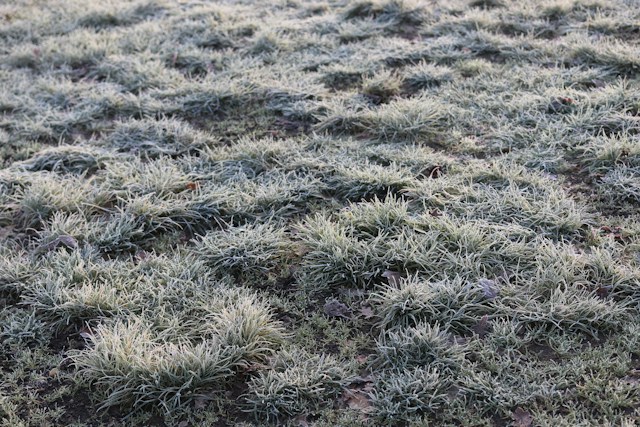
Winter Lawn Care UK: Your Essential Guide to a Resilient Lawn
Ensuring your lawn thrives through the UK's colder months requires specific preparation. This guide from Garden-Review provides essential, actionable advice to safeguard your lawn against winter stresses, from correct autumnal mowing to combating common issues like moss and fungal diseases, guaranteeing a vibrant return in spring.

How to Grow Perfect, Straight Carrots in UK Soils
Master the art of growing crunchy, straight carrots in your UK garden. From avoiding carrot fly to soil prep, here is everything you need for success.
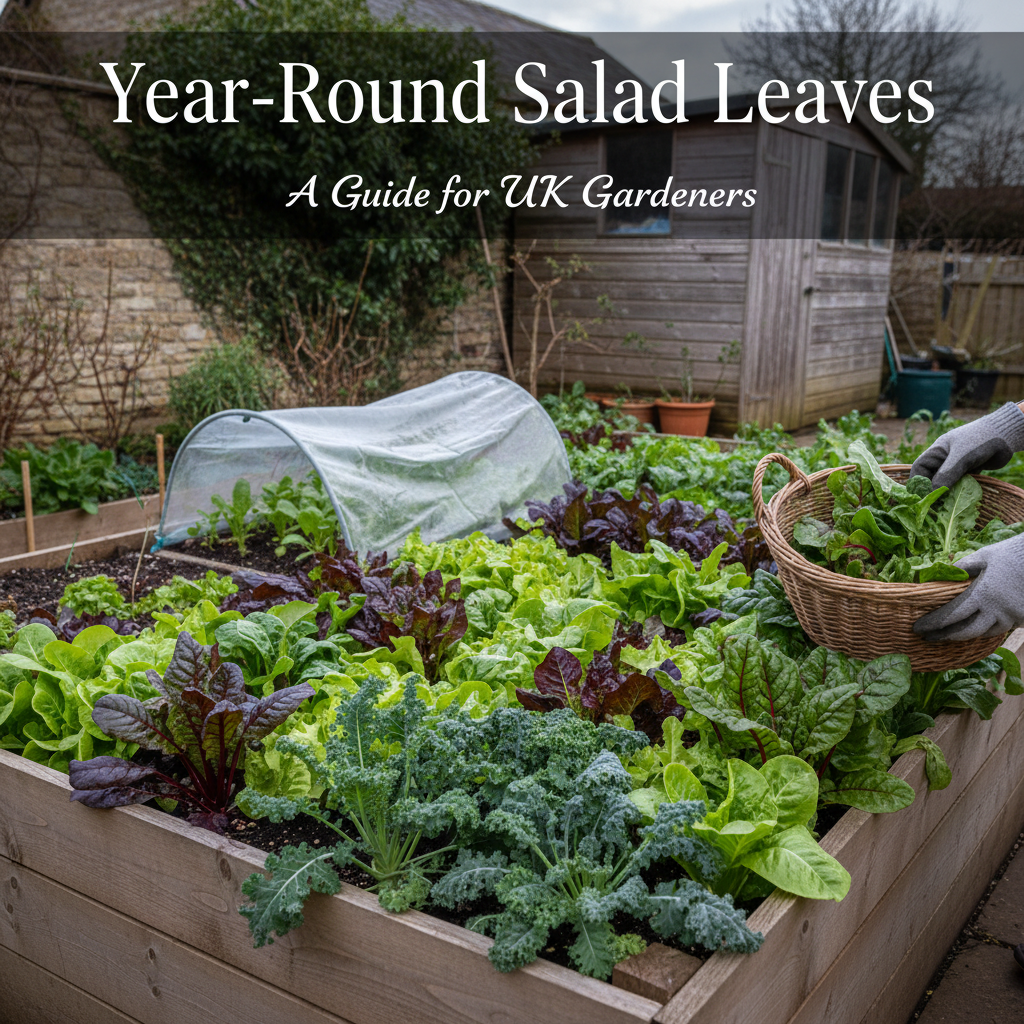
Year-Round Salad Leaves: A Guide for UK Gardeners
Discover how to grow fresh, organic salad leaves in your UK garden all year round. Expert tips on varieties, sowing schedules, and winter protection.

What to Plant in May: Your UK Garden Guide
May is a pivotal month in the UK gardening calendar, marking the true arrival of warmer weather and the departure of late frosts across much of the nation. This comprehensive guide from Garden-Review will help you get the most out of your garden, detailing exactly what vegetables, herbs, flowers, and fruits you can confidently sow and plant for a bountiful year.

Autumn Lawn Care
Autumn is a pivotal time for your lawn's health, laying the groundwork for a lush, disease-resistant turf next spring. This comprehensive guide covers all essential tasks for UK gardeners, from tailored feeding regimes to effective moss and weed control, ensuring your lawn thrives through the colder months.