
How to Grow Hostas: Complete UK Care Guide
Hostas are among the best foliage perennials for shady UK gardens, but slugs and snails mean choosing the right variety and site is essential for success.
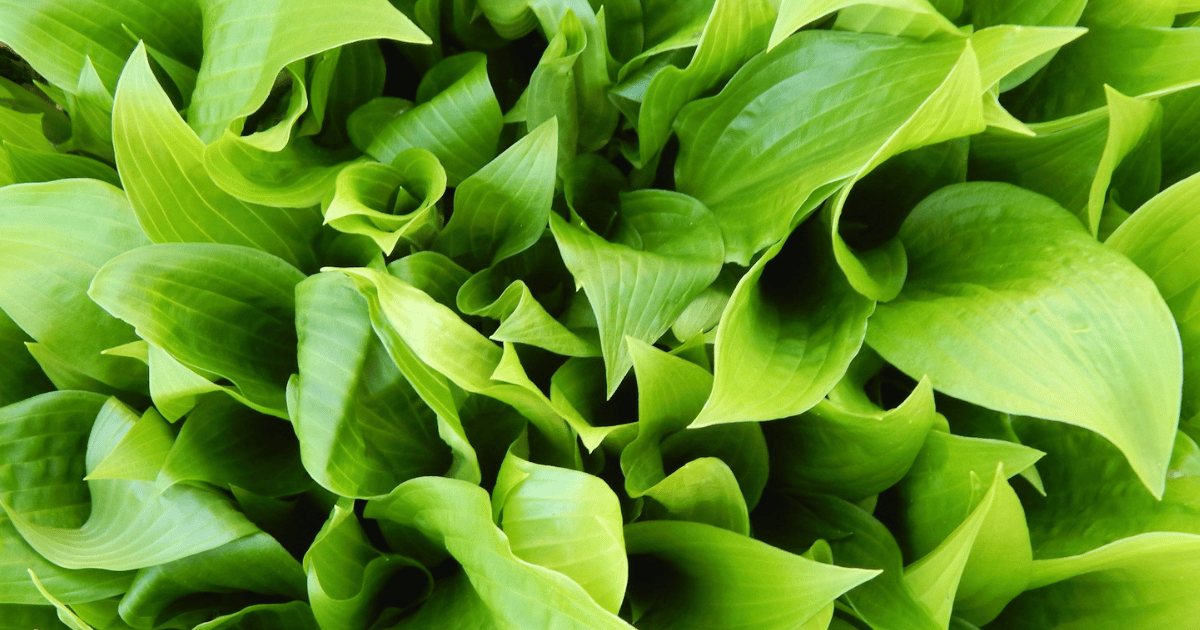
Hostas are grown for their bold, often variegated foliage and are among the most reliable perennials for shady UK borders and pots. Success depends on giving them moisture-retentive soil, protection from strong sun and, crucially, a strategy for keeping slugs and snails away from the tender new growth each spring.
Key takeaways
- Hostas thrive in partial shade with moist, humus-rich soil that never dries out completely.
- Slug and snail damage is the biggest challenge; thick-leaved cultivars and raised containers reduce losses.
- Plant or divide in spring or autumn, setting the crown at the same depth as it was growing.
- Feed in spring with a balanced fertiliser and mulch annually to conserve moisture.
- Growing hostas in pots is an easy way to protect them and show off their foliage on patios.
| Attribute | Detail |
|---|---|
| Botanical name | Hosta spp. and cultivars |
| Plant type | Herbaceous perennial, grown for foliage |
| Height & spread | 0.2–1m depending on variety |
| Hardiness | RHS H7 (fully hardy) |
| Position | Partial shade to full shade |
| Soil | Moist, fertile, well-drained |
| Flowering period | Summer (lily-like flower spikes) |
| Difficulty | Easy, though pest management is key |
Choosing varieties
There are thousands of hosta cultivars, ranging from tiny miniatures to huge architectural clumps. Thicker, more textured leaves generally shrug off slug damage better than thin, soft ones.
| Variety | Leaf colour | Size | Notes |
|---|---|---|---|
| 'Halcyon' | Blue-grey | Medium | Excellent slug resistance, reliable classic |
| 'Sum and Substance' | Chartreuse-yellow | Large | Tolerates more sun, thick leaves |
| 'Francee' | Green with white margin | Medium | Vigorous and widely available |
| 'Patriot' | Green with white edge | Medium | Good contrast, strong grower |
| 'Big Daddy' | Blue-green, puckered | Large | Thick leaves, good pest resistance |
Where and when to plant
Plant hostas in spring or early autumn into a shady or partially shaded spot with humus-rich, moisture-retentive soil. Avoid deep dry shade under conifers, and avoid full midday sun which scorches leaves, especially on thinner-leaved varieties. A woodland-edge position, or the shady side of a border, suits them well. For inspiration on combining shade-lovers, see our grow guides and plants sections.
How to plant
- Prepare the site by digging in well-rotted compost or leaf mould.
- Dig a hole twice the width of the root ball.
- Position the crown so it sits at the same depth as in its pot.
- Backfill and firm gently, then water thoroughly.
- Apply a mulch of bark chippings or compost, keeping it clear of the crown.
- Protect emerging shoots with slug deterrents immediately.
Watering and feeding
Hostas need consistently moist soil, particularly during dry spells in spring and summer; they are not drought-tolerant. Water at the base rather than overhead to reduce slug-friendly humidity around leaves. Feed in spring with a balanced general fertiliser or a top-dressing of well-rotted manure, and repeat with a liquid feed for potted specimens through the growing season.
Pruning, cutting back and deadheading
Hostas need little pruning. Remove flower spikes after blooming if you prefer to focus energy on foliage, or leave them for seed heads. Cut all foliage down to ground level in autumn once it has died back, which also removes overwintering sites for slug eggs.
Dividing and propagation
Divide congested clumps every three to five years in early spring or autumn. Lift the whole plant, then use a spade or two forks to split the crown into sections, each with roots and shoots attached. Replant divisions promptly at the same depth and water in well; this also rejuvenates older, less vigorous plants.
Growing in pots
Containers are an excellent way to grow hostas, lifting prized specimens away from ground-level slugs. Use a loam-based compost such as John Innes No. 3 for weight and moisture retention, choose a pot with drainage holes, and stand it on pot feet. Copper tape around the rim gives added slug protection. Repot or top-dress every couple of years as the clump fills the container.
Common problems
| Problem | Symptom | Fix |
|---|---|---|
| Slugs and snails | Holes in leaves, especially new shoots | Use nematodes, copper tape, wool pellets and torchlight patrols |
| Vine weevil | Wilting plant, notched leaf edges | Apply biological nematode drench in late summer |
| Sun scorch | Bleached or crispy leaf patches | Move to more shade or increase watering |
| Crown rot | Mushy, collapsing crown | Improve drainage, avoid waterlogging over winter |
Month-by-month care calendar
| Month | Task |
|---|---|
| March | Apply slug deterrents as shoots emerge; feed with balanced fertiliser |
| April | Divide clumps; mulch soil |
| May–June | Water regularly; monitor for slug damage |
| July–August | Deadhead flower spikes; keep watering in dry spells |
| September | Continue watering; plan autumn division |
| October–November | Cut back foliage after die-back; divide if needed |
| Winter | Protect pots from waterlogging and hard frost |
Hosta FAQs
Do hostas need shade or sun?
How do I stop slugs eating my hostas?
Can hostas be grown in pots?
When should hostas be divided?
Are hostas poisonous to pets?
Why has my hosta stopped coming back each year?
Tags
Comments
Join the conversation
Create a free account to leave comments, share photos, and connect with other gardeners.
Related Articles

How to Grow Astilbe: Complete UK Care Guide
Astilbe brings feathery plumes of colour to moist, shady borders in summer, but needs consistently damp soil to prevent scorched, crispy foliage.
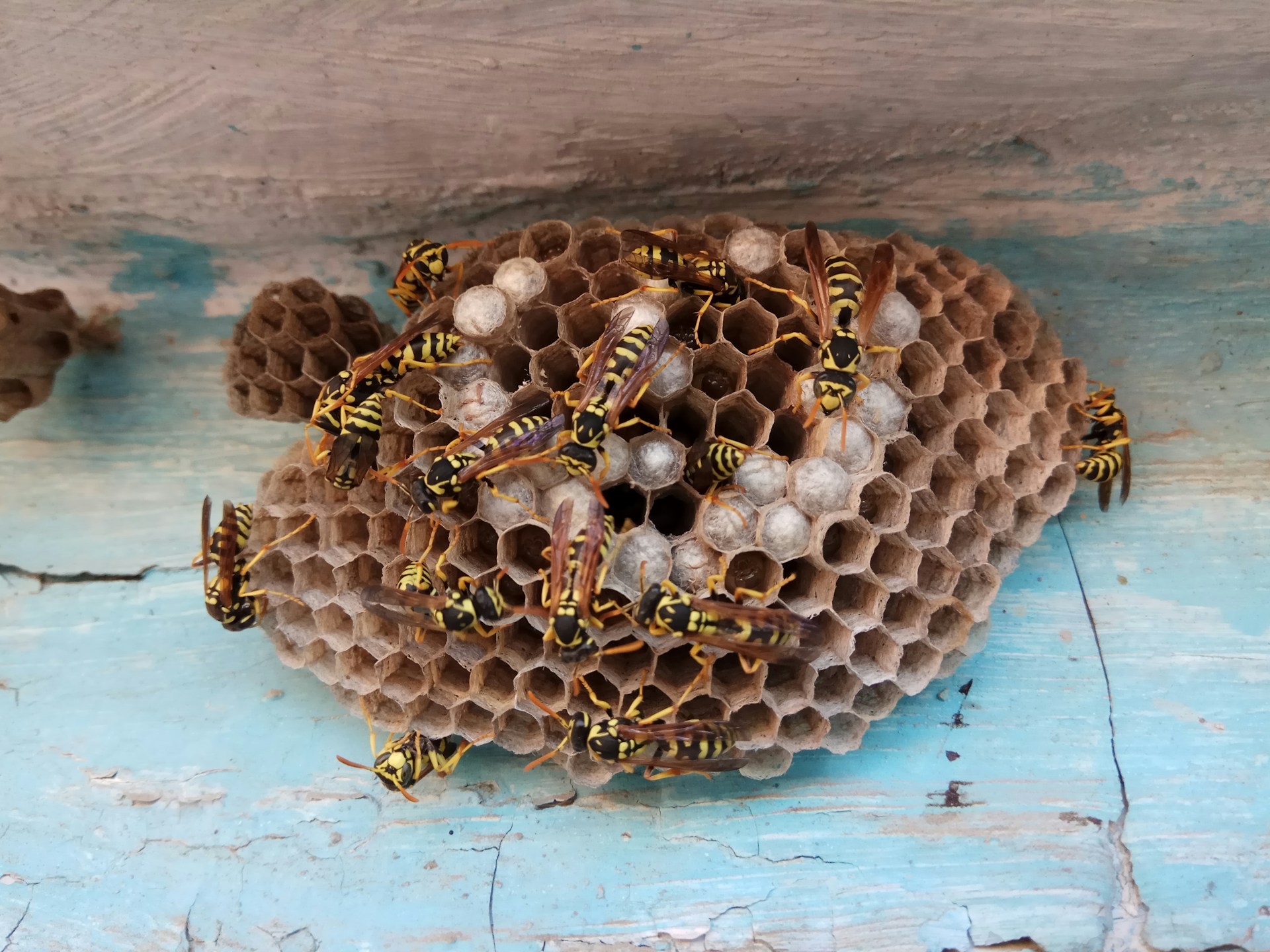
How to Get Rid of Flies and Wasps in Your Garden: UK Guide
Wasps peak in late summer as colonies max out and turn to scavenging, while flies breed fast around bins and fallen fruit all season - this guide covers prevention, physical control and when a chemical treatment is actually needed.

How to Care for a Snake Plant: Complete UK Guide
Snake plants are one of the toughest houseplants around, tolerating low light and irregular watering while purifying indoor air.
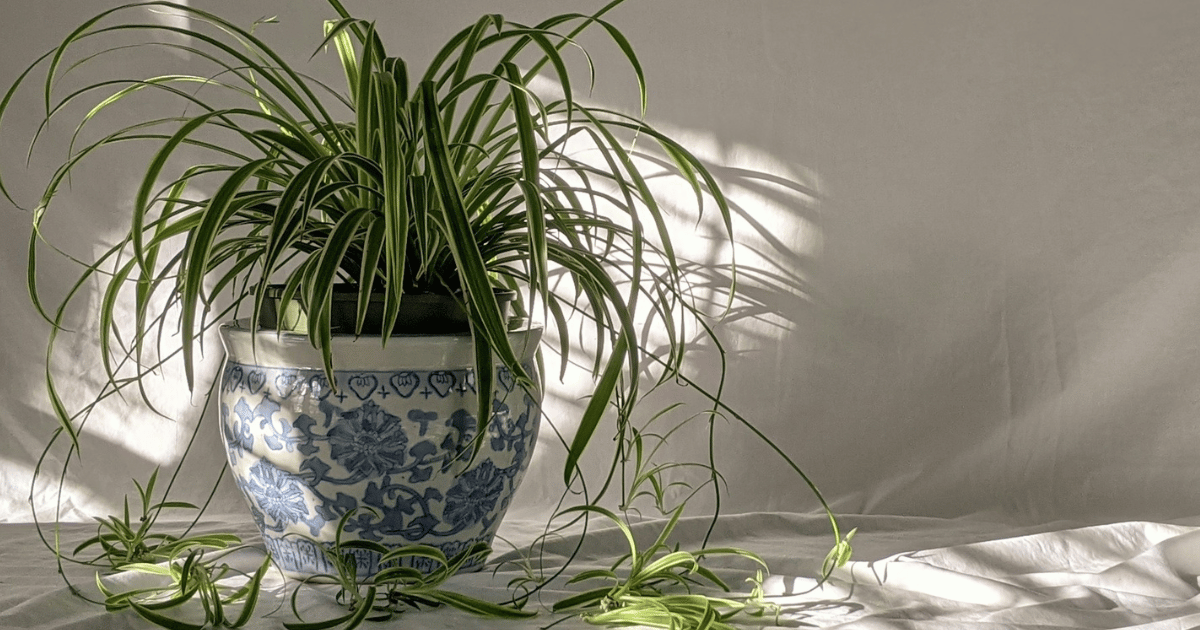
How to Care for a Spider Plant: Complete UK Guide
Spider plants are cheerful, resilient houseplants that produce cascades of plantlets, making them ideal for beginners and easy propagation.
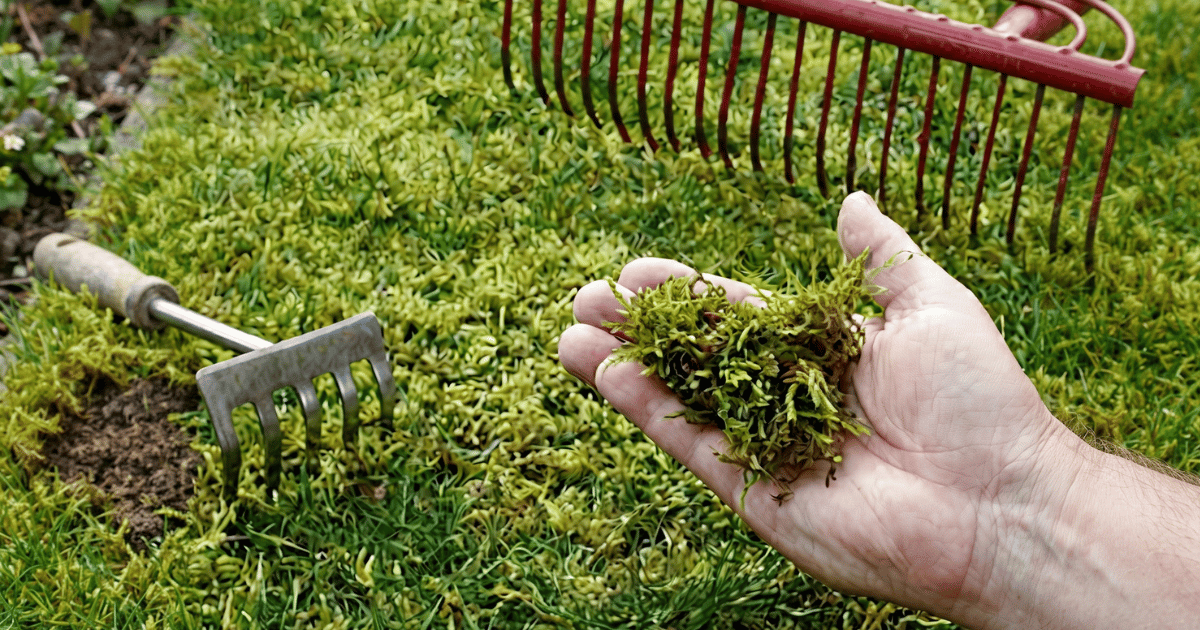
How to Get Rid of Moss in Your Lawn: UK Guide
Moss thrives in compacted, shaded or poorly drained UK lawns, and lasting control means combining scarifying and iron sulphate treatment with fixing the underlying drainage, shade and fertility issues.

How to Care for Orchids: Complete UK Guide
Moth orchids are elegant, long-flowering houseplants that thrive in bark mix and bright, indirect light, often reflowering for years.