
How to Care for Orchids: Complete UK Guide
Moth orchids are elegant, long-flowering houseplants that thrive in bark mix and bright, indirect light, often reflowering for years.
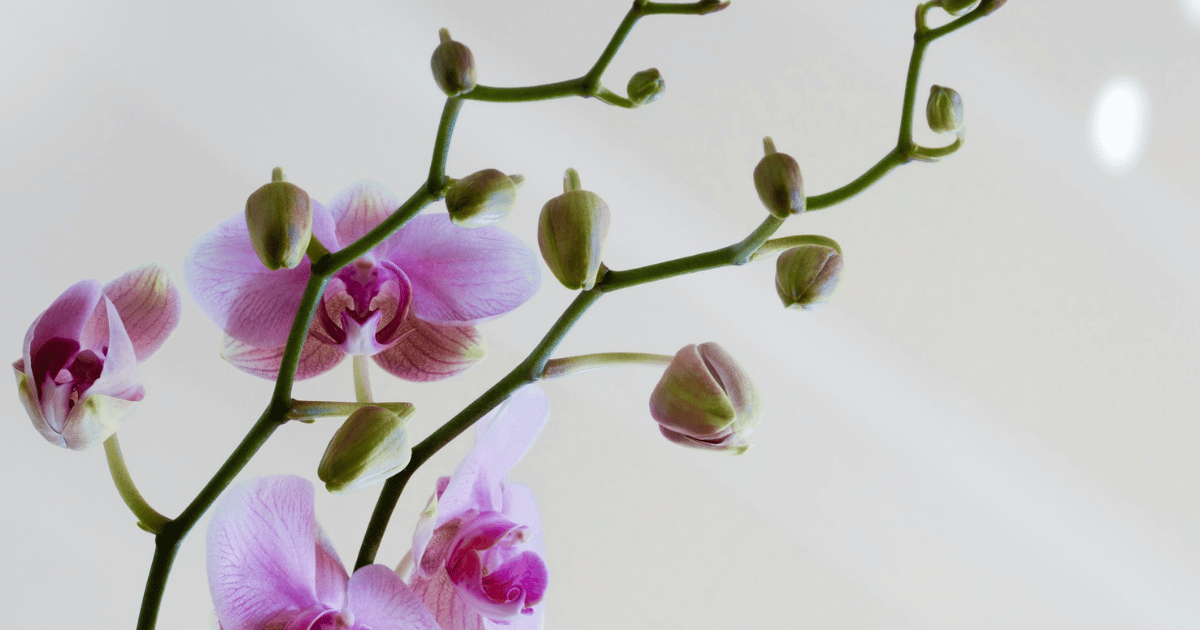
Moth orchids, Phalaenopsis, are among the most popular flowering houseplants in the UK, prized for their long-lasting blooms and elegant arching spikes. Grown in a specialist bark mix rather than compost, and given bright indirect light with weekly watering and good drainage, they can reflower reliably for many years with the right ongoing care.
Key takeaways
- Always grow orchids in a chunky bark mix, never ordinary compost.
- Healthy roots are firm and silvery-green, turning bright green when watered.
- Cut faded flower spikes back to a node to encourage reflowering.
- Water by soaking the pot weekly, then allow it to drain completely.
- Phalaenopsis orchids are considered non-toxic to cats and dogs.
| Attribute | Detail |
|---|---|
| Botanical name | Phalaenopsis hybrids |
| Plant type | Epiphytic flowering orchid |
| Mature size indoors | 30-60cm including flower spike |
| Light | Bright, indirect light |
| Watering | Weekly soak, allow to drain fully |
| Humidity | Moderate to high, 50-70% |
| Temperature range | 18-24°C |
| Toxic to pets | No, generally non-toxic to cats and dogs |
| Difficulty | Moderate |
Choosing a healthy plant and varieties
Look for firm, unwrinkled leaves, several visible silvery-green roots, and buds still to open on the flower spike so you get maximum flowering time at home. Avoid plants with yellowing leaves, black spots, or roots that appear mushy and brown through the clear pot.
| Variety | Flower appearance | Notes |
|---|---|---|
| Phalaenopsis amabilis | Classic white blooms | Parent species of many hybrids, elegant and easy |
| Phalaenopsis 'Multiflora' | Multiple smaller flowers per spike | Compact and free-flowering |
| Phalaenopsis schilleriana | Pink flowers, mottled leaves | Attractive foliage even when not in bloom |
| Phalaenopsis violacea | Fragrant purple-toned flowers | Needs slightly warmer, humid conditions |
| Doritaenopsis hybrids | Vivid pink and magenta tones | Cross with Doritis, vigorous bloomer |
Light and position
Orchids need bright, indirect light, such as an east-facing windowsill, to flower well; direct sun can scorch leaves while too little light prevents flowering altogether. In UK winters, a south-facing windowsill with sheer curtain protection or a spot a little further back from the glass works well to balance light and warmth.
Watering
The bark mix should almost dry out between waterings. Soak the pot in room-temperature water for 10-15 minutes once a week in summer, or every 10-14 days in winter, then allow it to drain thoroughly before returning it to its decorative cover pot. Never leave orchids standing in water, as this is the leading cause of root rot.
Humidity and temperature
Orchids appreciate humidity of 50-70%, which can be achieved with a pebble tray, regular misting of aerial roots, or a bathroom windowsill with good light. Maintain a stable temperature of 18-24°C, avoiding cold draughts and sudden temperature swings, both of which can cause buds to drop before opening.
Feeding
Feed every second or third watering during spring and summer with a specialist orchid feed diluted according to the packet, switching to a high-potassium bloom booster formula as flower spikes develop. Reduce feeding in autumn and winter to roughly once a month, matching the plant's slower growth.
Potting mix and repotting
Orchids need excellent airflow around their roots, which ordinary compost cannot provide.
- Choose a clear plastic pot with drainage holes to monitor root health.
- Use a specialist orchid bark mix, ideally with added sphagnum moss or perlite.
- Remove the plant and gently rinse old, degraded bark from the roots.
- Trim away any brown, mushy roots with clean scissors.
- Repot into fresh bark, positioning roots evenly, and water lightly after a few days.
Pruning, cleaning and support
Once a flower spike has completely faded and turned brown, cut it off near the base; if it is still green, cut just above a node to encourage a secondary spike. Wipe leaves gently with a damp cloth to remove dust, and use a slim stake and soft ties to support heavy flower spikes as they grow and arch.
Propagation
Phalaenopsis are usually propagated via keiki, small plantlets that occasionally form on the flower spike.
- Wait until a keiki has developed its own small roots, at least a few centimetres long.
- Using clean, sharp scissors, cut the spike a few centimetres either side of the keiki.
- Pot the keiki into a small container of fine orchid bark.
- Keep in warm, humid, bright indirect light while it establishes.
- Water lightly and treat as a young orchid once new growth appears.
Common problems
| Problem | Symptom | Fix |
|---|---|---|
| Overwatering | Yellowing leaves, mushy roots | Reduce watering frequency, check roots and repot if needed |
| Root rot | Brown, hollow or mushy roots | Trim rotten roots and repot into fresh bark mix |
| Brown leaf tips | Dry, browning leaf edges | Increase humidity and review watering consistency |
| Pests | Mealybugs or scale on leaves and spikes | Wipe with damp cloth, treat with insecticidal soap |
| No reflowering | Healthy leaves but no new spikes | Ensure enough light and feed with bloom booster in season |
Seasonal care calendar
| Season | Care focus |
|---|---|
| Spring | Repot if roots are overcrowded, resume regular feeding |
| Summer | Water weekly, maintain humidity, watch for new spikes |
| Autumn | Reduce feeding, watch for developing flower spikes |
| Winter | Water every 10-14 days, protect from cold windowsills |
Discover more flowering houseplants in our plants section, or browse our full plant directory for further growing advice.
Orchid FAQs
Why is my orchid's flower spike turning brown?
How do I get my orchid to reflower?
Why are my orchid's roots turning brown and mushy?
Can I use ordinary potting compost for orchids?
Are orchids toxic to cats and dogs?
How often should I water an orchid?
Tags
Comments
Join the conversation
Create a free account to leave comments, share photos, and connect with other gardeners.
Related Articles

How to Care for a Snake Plant: Complete UK Guide
Snake plants are one of the toughest houseplants around, tolerating low light and irregular watering while purifying indoor air.
How to Care for a Spider Plant: Complete UK Guide
Spider plants are cheerful, resilient houseplants that produce cascades of plantlets, making them ideal for beginners and easy propagation.
How to Care for a Peace Lily: Complete UK Guide
Peace lilies are elegant, forgiving houseplants that dramatically droop when thirsty, making them one of the easiest plants to read.
How to Get Rid of Flies and Wasps in Your Garden: UK Guide
Wasps peak in late summer as colonies max out and turn to scavenging, while flies breed fast around bins and fallen fruit all season - this guide covers prevention, physical control and when a chemical treatment is actually needed.

5 Bulbs you can grow in water in time for Christmas
Bringing indoor bulbs like hyacinth, paperwhite, and amaryllis in water enhances Christmas décor with fragrant and vibrant displays.

How to Grow Astilbe: Complete UK Care Guide
Astilbe brings feathery plumes of colour to moist, shady borders in summer, but needs consistently damp soil to prevent scorched, crispy foliage.