
How to Care for a Peace Lily: Complete UK Guide
Peace lilies are elegant, forgiving houseplants that dramatically droop when thirsty, making them one of the easiest plants to read.
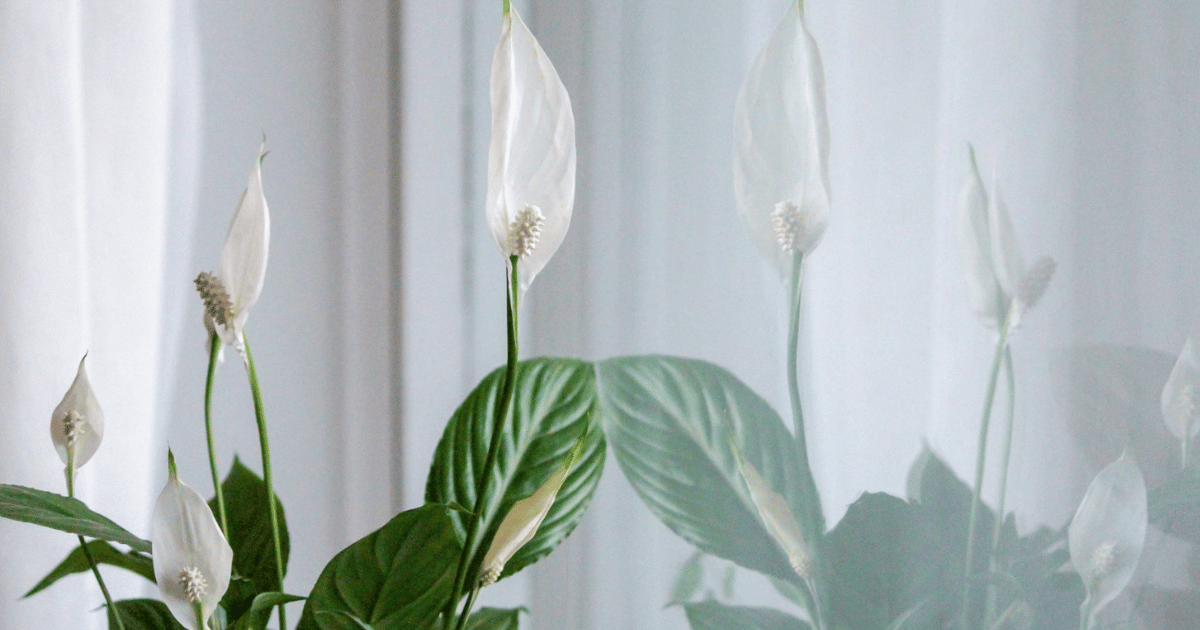
The peace lily, Spathiphyllum, is a graceful, low-maintenance houseplant well suited to UK homes, thriving in medium to bright indirect light with consistently moist, but not waterlogged, compost. Its leaves droop dramatically when thirsty, giving an unmistakable cue to water, and with enough light it rewards you with elegant white flower spathes through spring and summer.
Key takeaways
- Drooping leaves are a natural, reliable signal that it needs watering.
- Flowering requires brighter light than mere survival, so low light means fewer blooms.
- Keep compost consistently moist but never waterlogged to avoid root rot.
- Peace lilies are toxic to cats and dogs if chewed or eaten.
- Use rainwater or filtered water where possible to reduce brown tips.
| Attribute | Detail |
|---|---|
| Botanical name | Spathiphyllum wallisii (hybrids) |
| Plant type | Evergreen flowering perennial |
| Mature size indoors | 40-90cm depending on variety |
| Light | Medium to bright, indirect light |
| Watering | Weekly, keeping compost lightly moist |
| Humidity | High; benefits from misting or a pebble tray |
| Temperature range | 18-27°C |
| Toxic to pets | Yes, toxic to cats and dogs |
| Difficulty | Easy |
Choosing a healthy plant and varieties
Choose a plant with dark green, glossy leaves free from brown patches or yellowing, and check for any white flower spathes already forming, which indicate the plant is mature and in flowering condition. Avoid plants with limp, collapsed leaves or compost that smells sour, as these suggest root problems.
| Variety | Leaf and flower appearance | Notes |
|---|---|---|
| Spathiphyllum wallisii | Compact, classic white spathes | The most common variety for UK homes |
| Spathiphyllum 'Sensation' | Very large leaves and spathes | Needs more space and light to flower well |
| Spathiphyllum 'Domino' | Variegated white-and-green leaves | Needs slightly brighter light to maintain variegation |
| Spathiphyllum 'Mauna Loa' | Tall with large, ruffled spathes | Popular florist variety, vigorous grower |
| Spathiphyllum 'Petite' | Small, compact form | Suited to desks and small shelves |
Light and position
Peace lilies tolerate medium and even fairly low light, which is why they are popular for offices, but they only flower reliably in bright, indirect light, such as near an east-facing window. Avoid direct sun, which scorches the leaves, and in UK winters, move the plant closer to a light source to compensate for shorter days.
Watering
Water thoroughly once the compost surface feels just dry, roughly once a week in summer and every 10-14 days in winter, but let the leaves guide you. A slight droop means it is time to water; once watered, the leaves typically recover within a few hours. Avoid letting the plant sit in a saucer of standing water, as this leads to root rot over time.
Humidity and temperature
Peace lilies are native to tropical rainforests and appreciate high humidity, which can be provided through regular misting, a pebble tray, or grouping with other plants, particularly important in centrally heated UK homes over winter. Keep temperatures between 18-27°C and away from cold draughts or radiators, both of which cause brown, crispy patches.
Feeding
Feed every four to six weeks during spring and summer with a balanced liquid houseplant feed diluted to half strength, as peace lilies are sensitive to over-fertilising, which can cause brown leaf tips. Stop feeding entirely from autumn through winter while growth slows.
Potting mix and repotting
A rich, moisture-retentive but free-draining mix suits peace lilies best.
- Choose a pot only slightly larger than the current one, with drainage holes.
- Use a peat-free houseplant compost, adding a little perlite for drainage.
- Gently remove the plant and loosen any tightly bound roots.
- Position at the same depth as before and backfill with fresh compost.
- Water well and repot every one to two years in spring.
Pruning, cleaning and support
Remove yellow or damaged leaves at the base with clean scissors, and cut spent flower spathes off at their stem once they have turned green and faded. Wipe leaves regularly with a damp cloth to remove dust and help the plant photosynthesise efficiently. Peace lilies are self-supporting and rarely need staking.
Propagation
Peace lilies are easiest to propagate by division at repotting time.
- Remove the plant from its pot and gently shake off excess compost.
- Identify natural clumps, each with its own roots and leaves.
- Use your hands or a clean knife to separate sections carefully.
- Pot each division into fresh, moisture-retentive compost.
- Water well and keep in warm, indirect light until established.
Common problems
| Problem | Symptom | Fix |
|---|---|---|
| Underwatering | Drooping, limp leaves | Water thoroughly; leaves usually recover within hours |
| Overwatering | Yellowing leaves, soggy compost | Reduce watering and improve drainage |
| Root rot | Mushy, dark roots, foul smell | Remove rotten roots and repot into fresh, dry compost |
| Brown tips | Crispy, browning leaf edges | Use rainwater or filtered water and boost humidity |
| No flowers | Healthy leaves but no spathes | Increase light levels and feed during growing season |
Seasonal care calendar
| Season | Care focus |
|---|---|
| Spring | Repot if needed, resume feeding, watch for new flower spikes |
| Summer | Water regularly, maintain humidity, deadhead spent flowers |
| Autumn | Gradually reduce feeding and watering frequency |
| Winter | Water sparingly, keep warm and away from draughts |
For more flowering houseplant ideas, visit our plants section, or read our how-to guides for further seasonal care advice.
Peace Lily FAQs
Why does my peace lily droop?
Why has my peace lily stopped flowering?
Is a peace lily toxic to cats and dogs?
Why are the leaf tips turning brown?
How often should I water a peace lily?
Should I cut off the green flowers?
Tags
Comments
Join the conversation
Create a free account to leave comments, share photos, and connect with other gardeners.
Related Articles

How to Care for a Snake Plant: Complete UK Guide
Snake plants are one of the toughest houseplants around, tolerating low light and irregular watering while purifying indoor air.
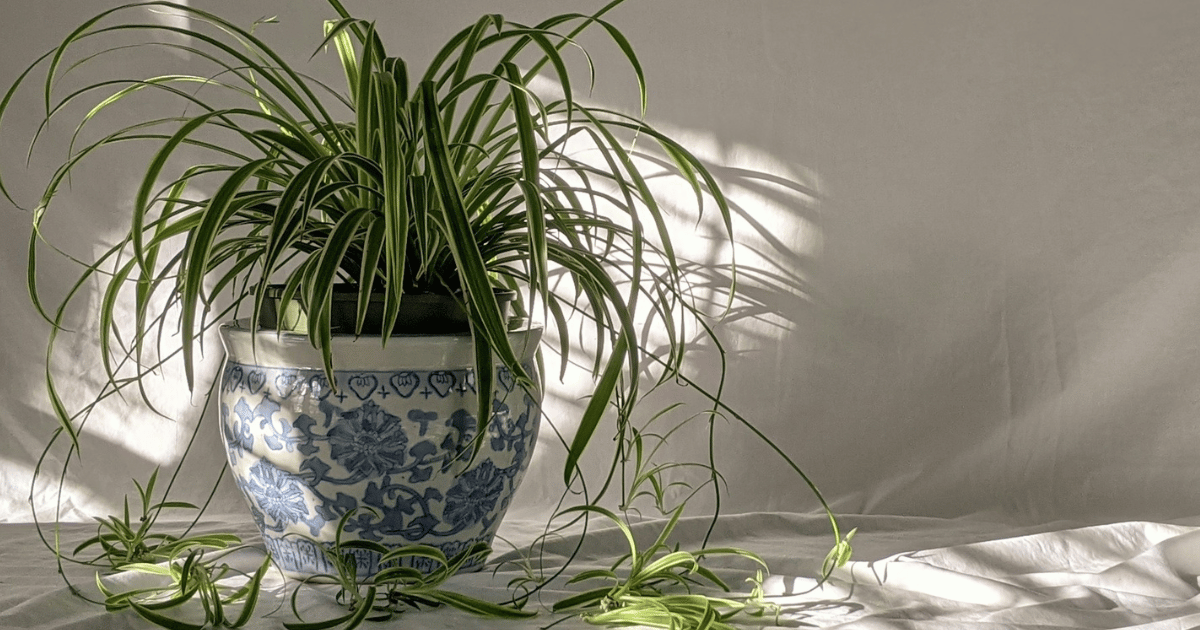
How to Care for a Spider Plant: Complete UK Guide
Spider plants are cheerful, resilient houseplants that produce cascades of plantlets, making them ideal for beginners and easy propagation.
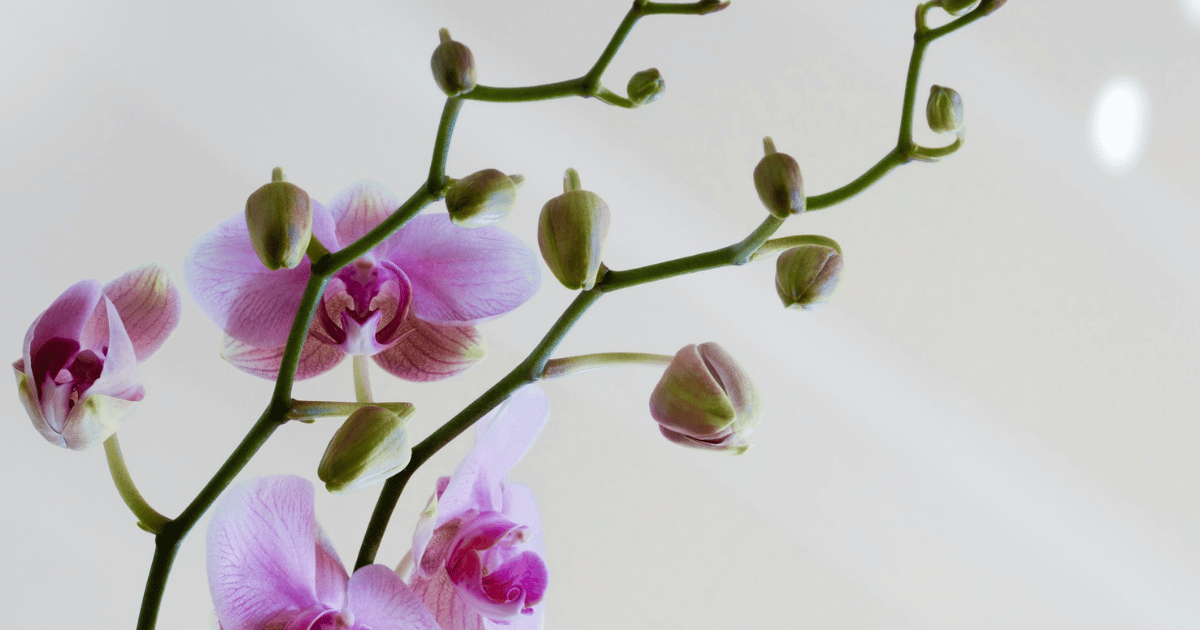
How to Care for Orchids: Complete UK Guide
Moth orchids are elegant, long-flowering houseplants that thrive in bark mix and bright, indirect light, often reflowering for years.
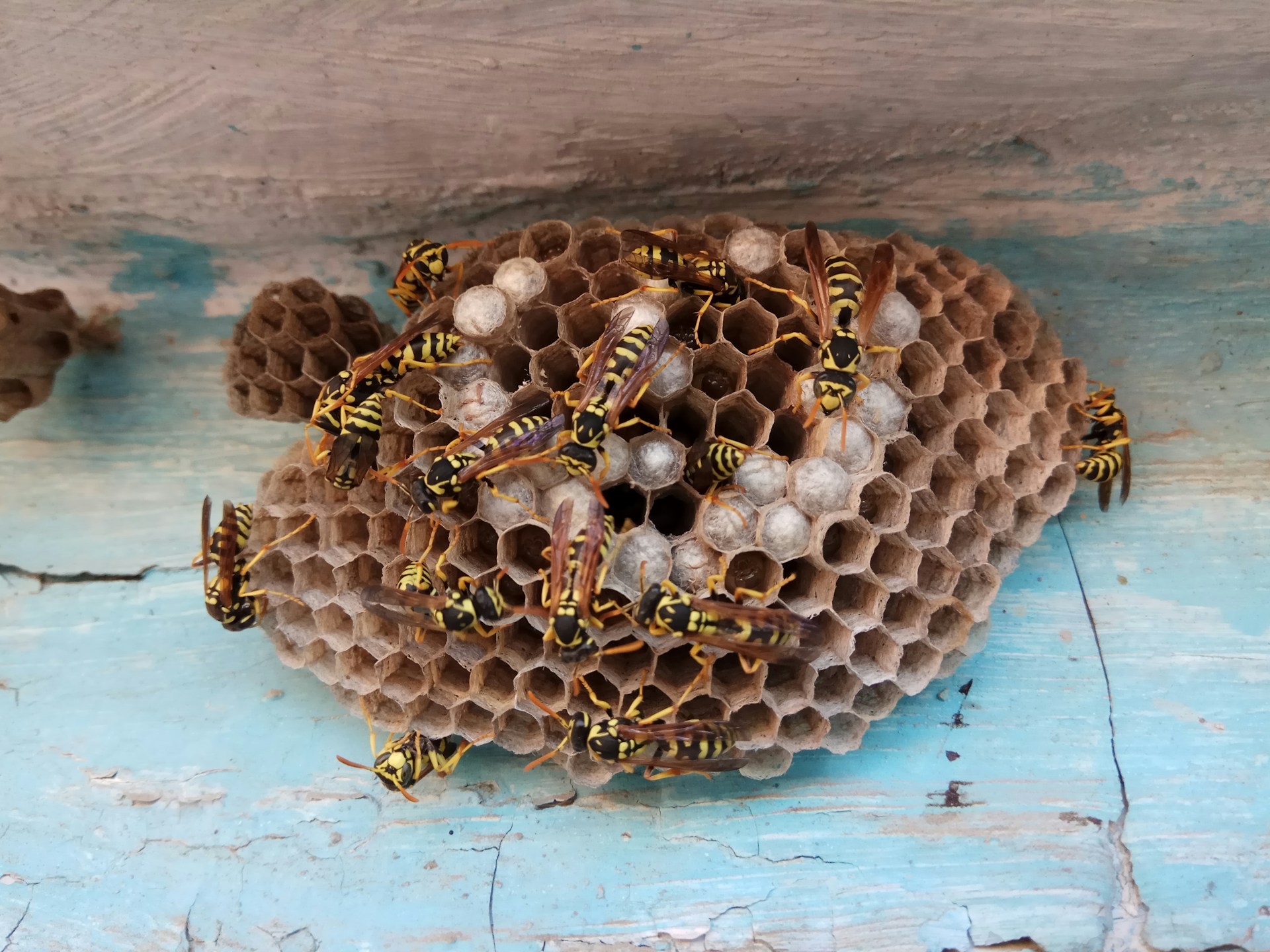
How to Get Rid of Flies and Wasps in Your Garden: UK Guide
Wasps peak in late summer as colonies max out and turn to scavenging, while flies breed fast around bins and fallen fruit all season - this guide covers prevention, physical control and when a chemical treatment is actually needed.

5 Bulbs you can grow in water in time for Christmas
Bringing indoor bulbs like hyacinth, paperwhite, and amaryllis in water enhances Christmas décor with fragrant and vibrant displays.
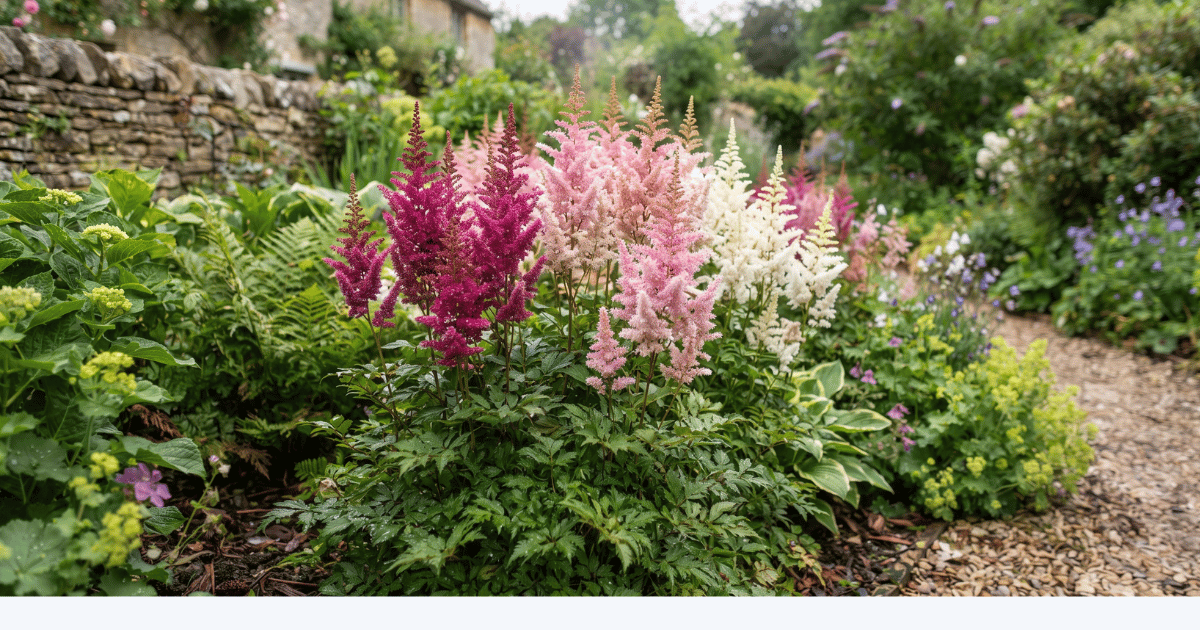
How to Grow Astilbe: Complete UK Care Guide
Astilbe brings feathery plumes of colour to moist, shady borders in summer, but needs consistently damp soil to prevent scorched, crispy foliage.