
How to Grow Aquilegia: Complete UK Care Guide
Aquilegia, or granny's bonnet, self-seeds freely to fill borders with delicate spring flowers, though watch for aquilegia downy mildew in damp seasons.
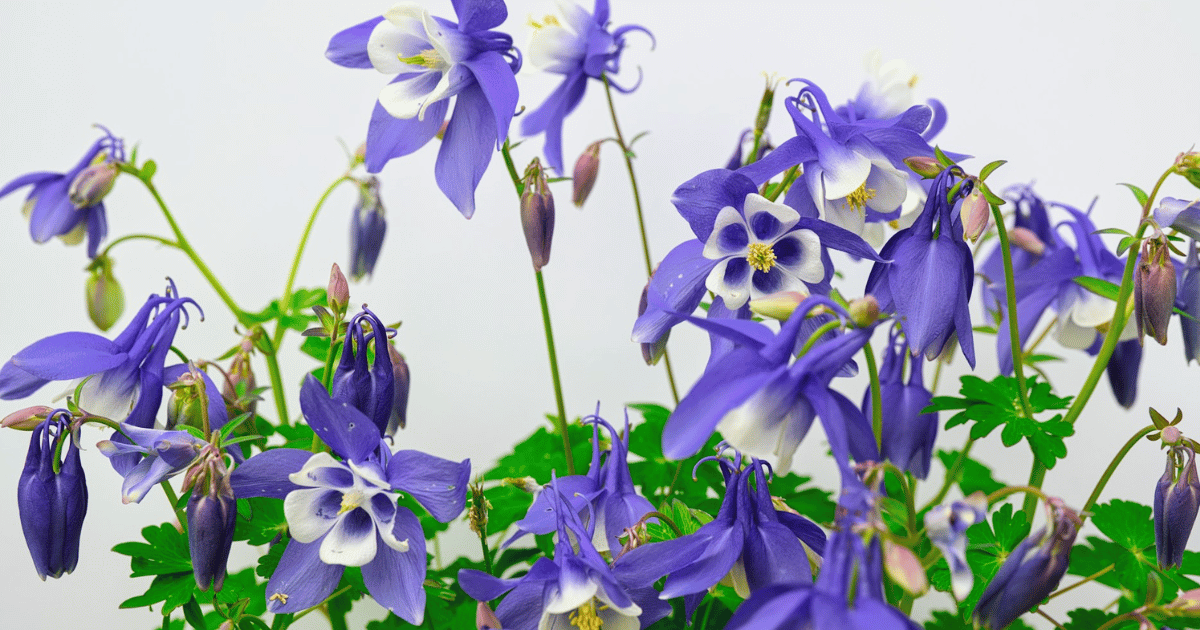
Aquilegia, also known as granny's bonnet or columbine, is a graceful cottage garden perennial with distinctive spurred flowers held above delicate, ferny foliage in late spring and early summer. It thrives in sun or partial shade and self-seeds so freely that, once established, it will happily fill gaps throughout a border. The main issue to watch for is aquilegia downy mildew, which can disfigure foliage in damp seasons.
Key takeaways
- Aquilegia grows easily in sun or partial shade and most garden soils.
- It self-seeds freely, so deadhead promptly if you want to limit spread.
- Seedlings often differ from parent plants due to easy cross-pollination.
- Watch for aquilegia downy mildew, especially in damp or humid summers.
- Cut tired foliage back hard after flowering to refresh the plant.
| Attribute | Detail |
|---|---|
| Botanical name | Aquilegia vulgaris and hybrids |
| Plant type | Herbaceous perennial |
| Height & spread | 45–90cm tall, 30–45cm spread |
| Hardiness | RHS H6 (fully hardy) |
| Position | Full sun to partial shade |
| Soil | Moist but well-drained, most soil types |
| Flowering period | May to June |
| Difficulty | Easy |
Choosing varieties
Named varieties offer more consistent colour and form than mixed self-sown seedlings, though all aquilegia hybridise readily in the garden.
| Variety | Flower colour | Height | Notes |
|---|---|---|---|
| Aquilegia vulgaris var. stellata 'Nora Barlow' | Pink and green pompom | 75cm | Double flowers, no spurs, cottage garden classic |
| Aquilegia 'Winky Double Blue and White' | Blue and white | 40cm | Compact, upward-facing double flowers |
| Aquilegia McKana Group | Mixed bright colours | 80cm | Long-spurred hybrids, easy from seed |
| Aquilegia 'William Guiness' | Deep purple and white | 70cm | Also sold as 'Magpie', striking bicolour |
| Aquilegia canadensis | Red and yellow | 60cm | Native to North America, good for wildlife |
Where and when to plant
Plant aquilegia in spring or autumn in sun or dappled shade, in soil that stays reasonably moist without becoming waterlogged. It is ideal beneath deciduous shrubs or at the front and middle of a cottage-style border. See our plants section for more perennial planting ideas.
How to plant aquilegia
- Choose a site in sun or partial shade with reasonably moist soil.
- Dig a hole a little larger than the root ball.
- Loosen the roots gently if pot-bound before planting.
- Plant at the same depth as in its original pot.
- Backfill, firm gently and water thoroughly.
- Space plants around 30–45cm apart to allow for spread.
Watering and feeding
Water regularly in the first season while plants establish, then only in extended dry spells once mature, as aquilegia is fairly drought tolerant once settled in. A light spring mulch of garden compost is usually all the feeding needed; overly rich soil is not required.
Cutting back and deadheading
Deadhead spent flower spikes promptly after flowering if you want to reduce self-seeding, cutting back to the base of the stem. If foliage looks tired, tatty or shows signs of downy mildew in summer, cut it back hard to encourage fresh new leaves to emerge.
Dividing and propagation
Aquilegia resents disturbance and is not easy to divide successfully, so propagation is best done from seed. Allow some seed pods to ripen and self-sow naturally, or collect seed and sow fresh in trays in summer or autumn. Remember that seedlings from named varieties may not come true due to cross-pollination.
Growing in pots
Compact varieties such as 'Winky Double Blue and White' grow well in containers of at least 25cm diameter using a peat-free, multipurpose compost. Keep compost consistently moist but not waterlogged, and top-dress with fresh compost each spring to replenish nutrients.
Common problems
| Problem | Symptom | Fix |
|---|---|---|
| Aquilegia downy mildew | Distorted, yellowing leaves with grey fuzz beneath | Remove affected foliage promptly, avoid overhead watering, improve air flow |
| Aquilegia sawfly | Leaves rapidly stripped to skeletons | Check leaves regularly and remove larvae by hand |
| Powdery mildew | White coating on leaves in dry summers | Water at the base and cut back affected foliage |
| Excessive self-seeding | Seedlings appearing throughout the border | Deadhead before pods split, or hoe out unwanted seedlings |
Month-by-month care calendar
| Month | Task |
|---|---|
| March | Tidy old foliage; prepare planting areas |
| April | Plant new aquilegia; watch for emerging seedlings |
| May | Enjoy early flowering; watch for sawfly |
| June | Peak flowering; deadhead to limit self-seeding |
| July | Cut back tired foliage; check for downy mildew |
| August | Collect ripe seed if desired |
| September | Sow fresh seed; thin unwanted seedlings |
| October | Plant new divisions or seedlings |
| November | Clear fallen leaves from crowns |
| December | Little maintenance needed; plan new varieties |
| January | Order seed for spring sowing |
| February | Prepare soil ready for spring planting |
Aquilegia FAQs
Why does my aquilegia self-seed so much?
How do I stop aquilegia self-seeding everywhere?
What is aquilegia downy mildew?
When should I cut back aquilegia?
Is aquilegia easy to grow in the UK?
Do aquilegia come true from seed?
Tags
Comments
Join the conversation
Create a free account to leave comments, share photos, and connect with other gardeners.
Related Articles
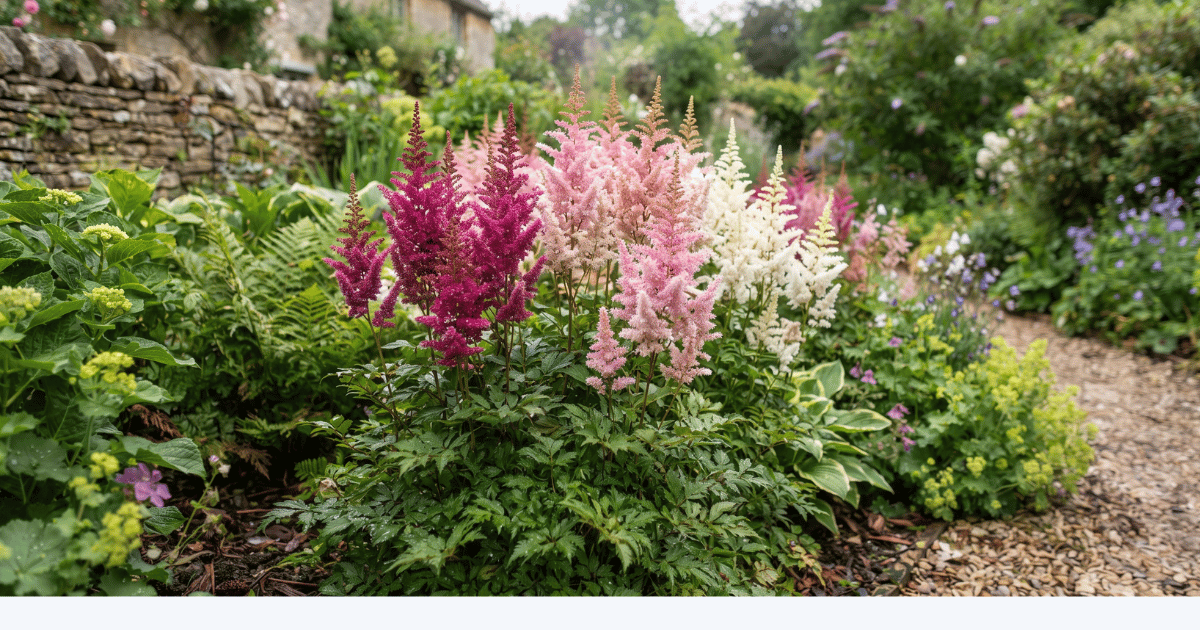
How to Grow Astilbe: Complete UK Care Guide
Astilbe brings feathery plumes of colour to moist, shady borders in summer, but needs consistently damp soil to prevent scorched, crispy foliage.
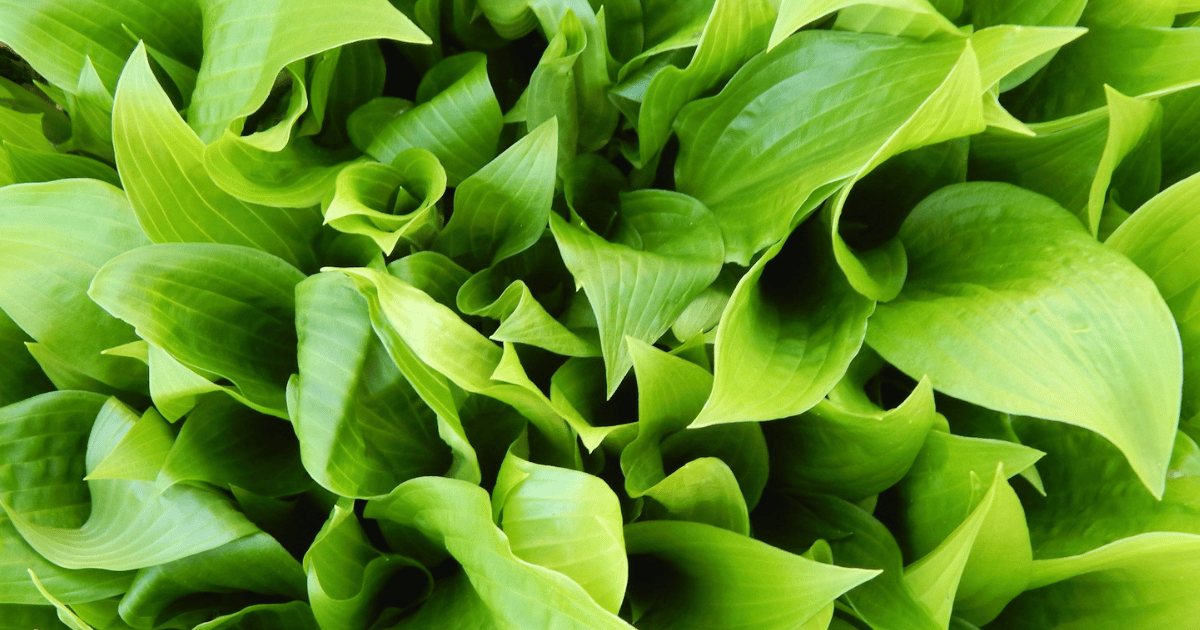
How to Grow Hostas: Complete UK Care Guide
Hostas are among the best foliage perennials for shady UK gardens, but slugs and snails mean choosing the right variety and site is essential for success.
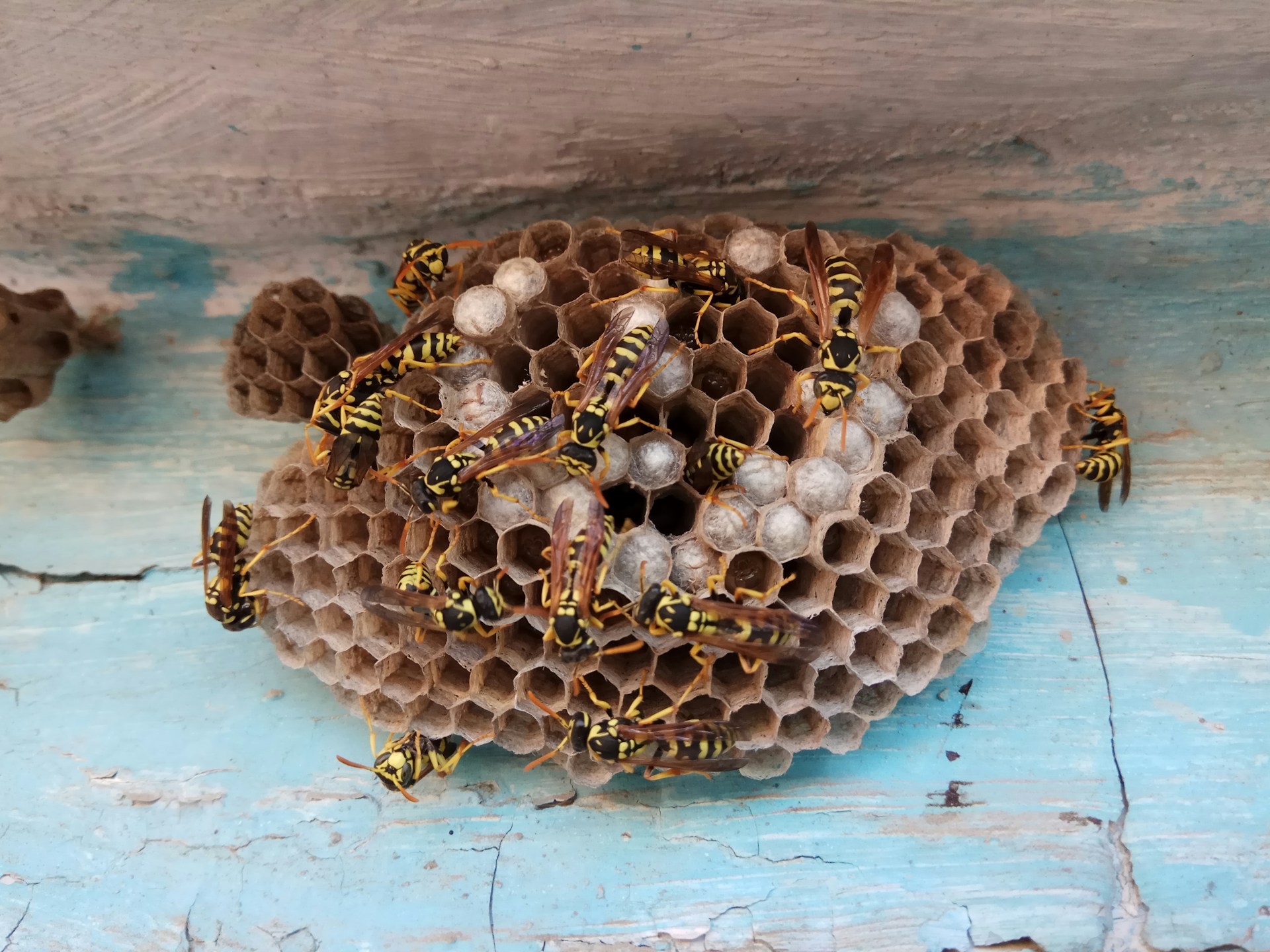
How to Get Rid of Flies and Wasps in Your Garden: UK Guide
Wasps peak in late summer as colonies max out and turn to scavenging, while flies breed fast around bins and fallen fruit all season - this guide covers prevention, physical control and when a chemical treatment is actually needed.

How to Care for a Snake Plant: Complete UK Guide
Snake plants are one of the toughest houseplants around, tolerating low light and irregular watering while purifying indoor air.
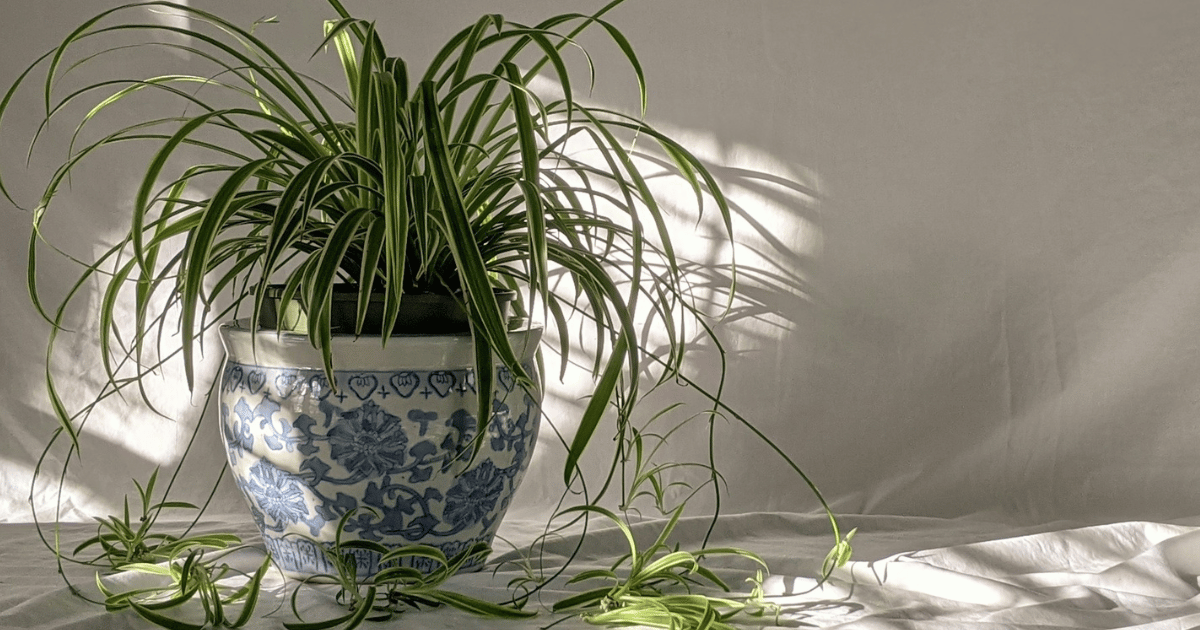
How to Care for a Spider Plant: Complete UK Guide
Spider plants are cheerful, resilient houseplants that produce cascades of plantlets, making them ideal for beginners and easy propagation.
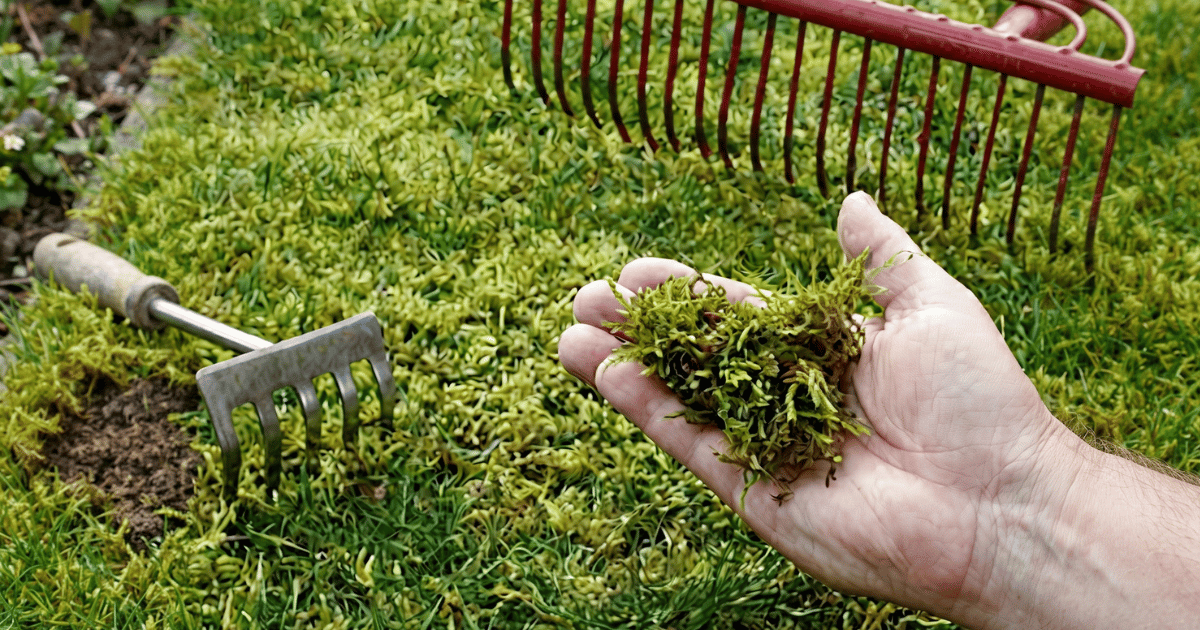
How to Get Rid of Moss in Your Lawn: UK Guide
Moss thrives in compacted, shaded or poorly drained UK lawns, and lasting control means combining scarifying and iron sulphate treatment with fixing the underlying drainage, shade and fertility issues.