
How to Grow Crocuses: Complete UK Care Guide
Crocuses are among the earliest bulbs to flower, providing vital nectar for pollinators and cheerful colour from late winter onwards.
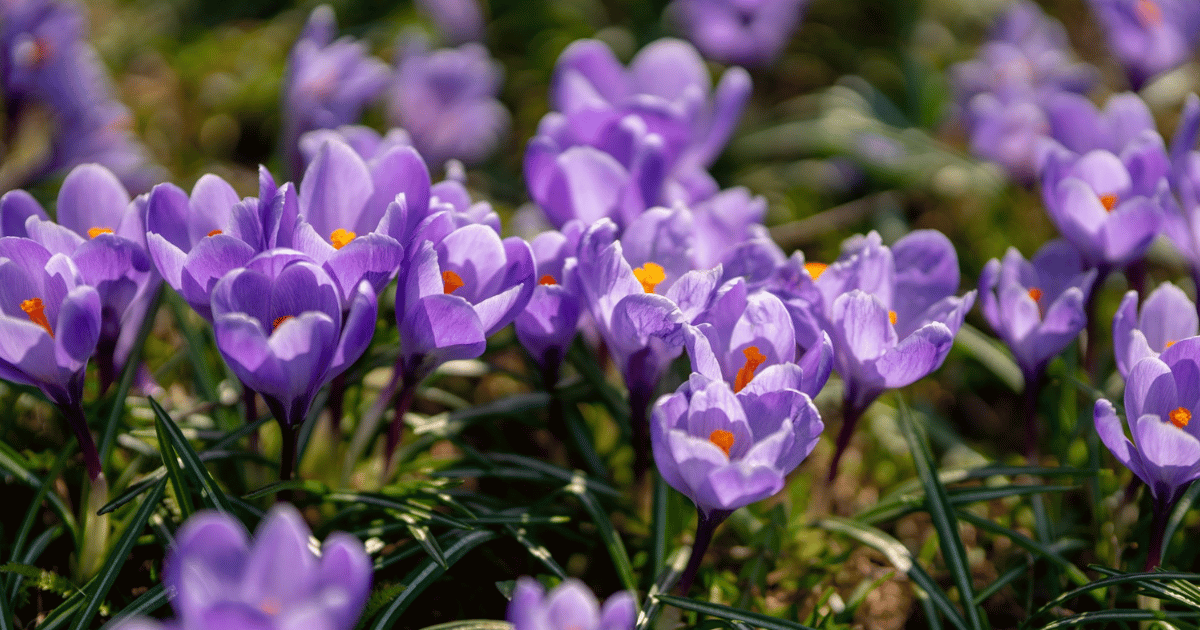
Crocuses are compact, early-flowering corms that bring welcome colour to UK gardens from January to March, often pushing through snow or frost. Easy to grow in sun and well-drained soil, they are ideal for naturalising in lawns, rockeries and pots, and provide an essential early nectar source for bees emerging from winter dormancy.
Key takeaways
- Plant corms in early autumn, from September to October, in a sunny, free-draining spot.
- Crocuses are a vital early nectar source for bees and other pollinators.
- Protect newly planted corms from squirrels with wire mesh or by planting slightly deeper.
- Crocuses naturalise beautifully in lawns; delay mowing until foliage has died back.
- Corms multiply readily and rarely need lifting or dividing.
| Attribute | Detail |
|---|---|
| Botanical name | Crocus spp. and cultivars |
| Plant type | Hardy corm |
| Height & spread | 8-12cm height; spread 5cm |
| Hardiness | RHS H6 (fully hardy) |
| Position | Full sun |
| Soil | Free-draining soil; tolerates poor, dry soils |
| Flowering period | January to March (spring types); September-October (autumn types) |
| Planting depth | 8-10cm |
| Difficulty | Easy |
Choosing varieties
Crocus varieties range from large Dutch hybrids ideal for bold drifts to smaller species crocuses that flower earlier and suit naturalising in short grass.
| Variety | Type | Flower colour | Flowering time |
|---|---|---|---|
| 'Pickwick' | Dutch hybrid | Lilac striped purple | March |
| Crocus tommasinianus 'Ruby Giant' | Species | Deep purple | February |
| 'Jeanne d'Arc' | Dutch hybrid | White | March |
| Crocus chrysanthus 'Cream Beauty' | Species | Cream yellow | February |
| 'Flower Record' | Dutch hybrid | Rich purple | March |
| Crocus sativus | Autumn-flowering (saffron) | Lilac | October |
When and where to plant
Plant spring-flowering crocus corms in early autumn, ideally September to October, choosing a sunny position with sharply drained soil. Autumn-flowering species such as Crocus sativus should be planted a little earlier, in July or August. Crocuses suit rockeries, border edges, gravel gardens and naturalised lawns; for further seasonal planting inspiration see our seasonal planting guide.
How to plant
- Choose firm, plump corms and discard any that are soft or showing mould.
- Plant at a depth of around 8-10cm, slightly deeper on light or sandy soils.
- Space corms 5-8cm apart, or scatter by hand for a naturalistic drift and plant where they land.
- Place corms with the pointed growth tip facing upwards where visible.
- Firm soil back over gently and water in if the ground is dry.
Naturalising in grass
Crocuses are among the best bulbs for naturalising in lawns, creating a carpet of early colour before the grass needs regular cutting. Scatter corms over the area and plant them where they fall using a bulb planter for an informal look. It's essential to leave the foliage to die back naturally for around six weeks after flowering before mowing, so plan your first cut accordingly; if you need a machine that copes well with early-season growth, see our lawn mower guide.
Aftercare and feeding
Crocuses need very little aftercare. A light application of a low-nitrogen, potassium-rich feed after flowering can help build up corms for the following year, particularly in grass where nutrients are more limited. Watering is rarely necessary except during unusually dry fine spells.
What to do after flowering
As with other spring bulbs, resist cutting back or tying up crocus foliage after flowering. The grass-like leaves continue photosynthesising and feeding the corm for several weeks, so leave them undisturbed until they yellow and die back naturally, usually by early summer.
Lifting, storing and dividing
Crocus corms multiply readily and rarely need lifting. If flowering becomes sparse due to overcrowding, lift clumps once foliage has died back in early summer, gently separate the small cormlets, and either replant immediately at the correct spacing or store in a cool, dry, airy place until autumn.
Protecting corms from squirrels
Squirrels and mice can dig up and eat newly planted crocus corms, particularly in autumn before shoots appear. Cover planted areas with chicken wire pegged firmly to the soil surface until growth is visible, or plant corms a little deeper than usual. Interplanting with daffodils, which rodents avoid, can also help deter digging in mixed plantings.
Common problems
| Problem | Symptom | Fix |
|---|---|---|
| Squirrel or mouse damage | Corms dug up after planting | Cover with wire mesh until shoots emerge |
| Corm rot | Soft, discoloured corms, no growth | Improve drainage; avoid waterlogged soil |
| Bird damage | Flowers pecked apart, especially by sparrows | Use humane deterrents such as netting in badly affected areas |
| Sparse flowering | Fewer flowers over time | Lift and divide congested corms |
Month-by-month care calendar
| Month | Task |
|---|---|
| July-August | Plant autumn-flowering species such as Crocus sativus |
| September-October | Plant spring-flowering corms; protect from squirrels |
| January-March | Flowering period; enjoy early nectar for pollinators |
| April-May | Leave foliage to die back naturally |
| June | Lift and divide congested clumps if needed |
Crocus FAQs
When should crocus corms be planted in the UK?
How do I stop squirrels digging up crocus corms?
Are crocuses good for wildlife?
Can crocuses be naturalised in a lawn?
Do crocuses need to be lifted each year?
What is the difference between autumn and spring-flowering crocuses?
Tags
Comments
Join the conversation
Create a free account to leave comments, share photos, and connect with other gardeners.
Related Articles

5 Bulbs you can grow in water in time for Christmas
Bringing indoor bulbs like hyacinth, paperwhite, and amaryllis in water enhances Christmas décor with fragrant and vibrant displays.
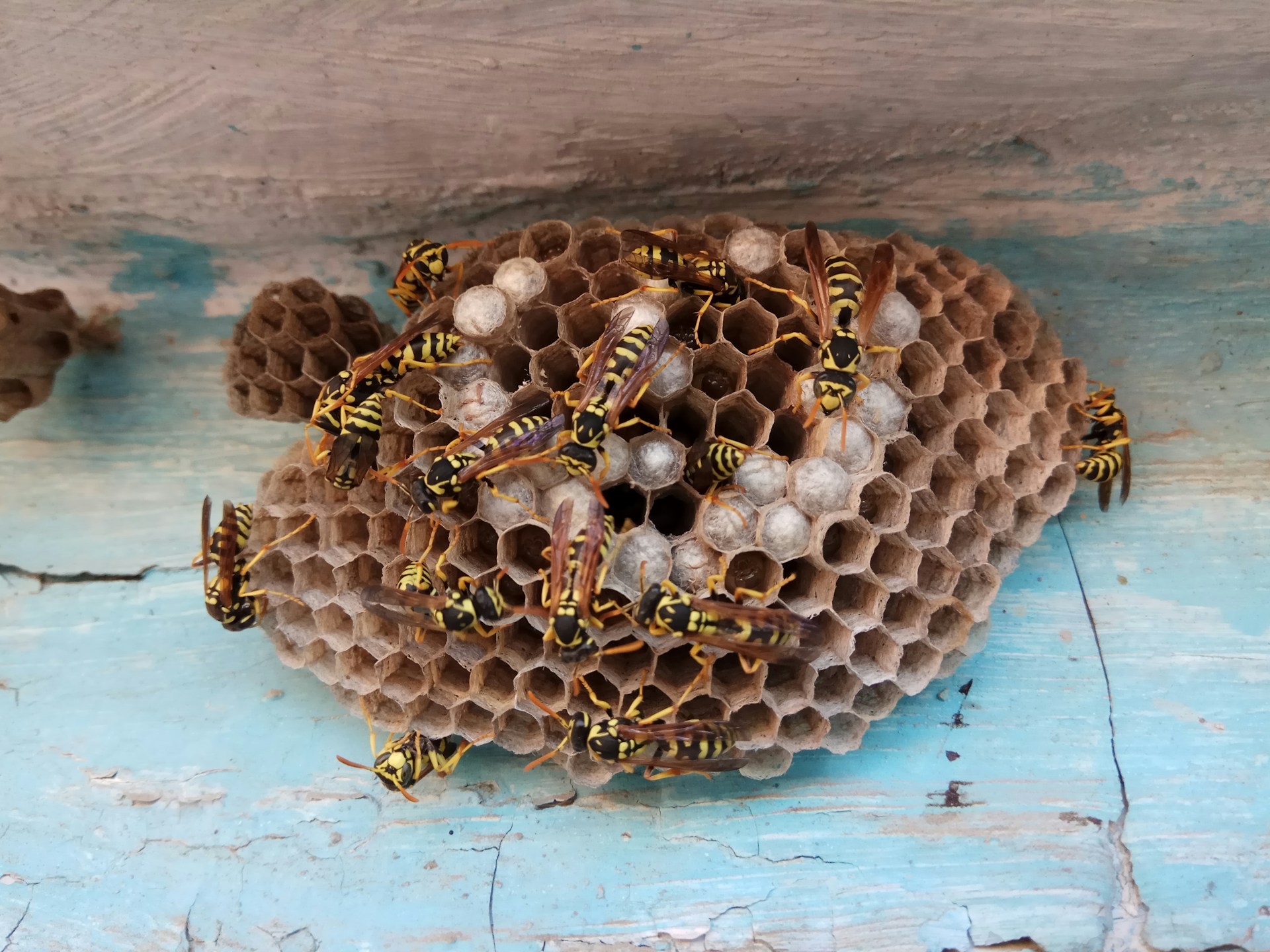
How to Get Rid of Flies and Wasps in Your Garden: UK Guide
Wasps peak in late summer as colonies max out and turn to scavenging, while flies breed fast around bins and fallen fruit all season - this guide covers prevention, physical control and when a chemical treatment is actually needed.

How to Care for a Snake Plant: Complete UK Guide
Snake plants are one of the toughest houseplants around, tolerating low light and irregular watering while purifying indoor air.

How to Grow Astilbe: Complete UK Care Guide
Astilbe brings feathery plumes of colour to moist, shady borders in summer, but needs consistently damp soil to prevent scorched, crispy foliage.
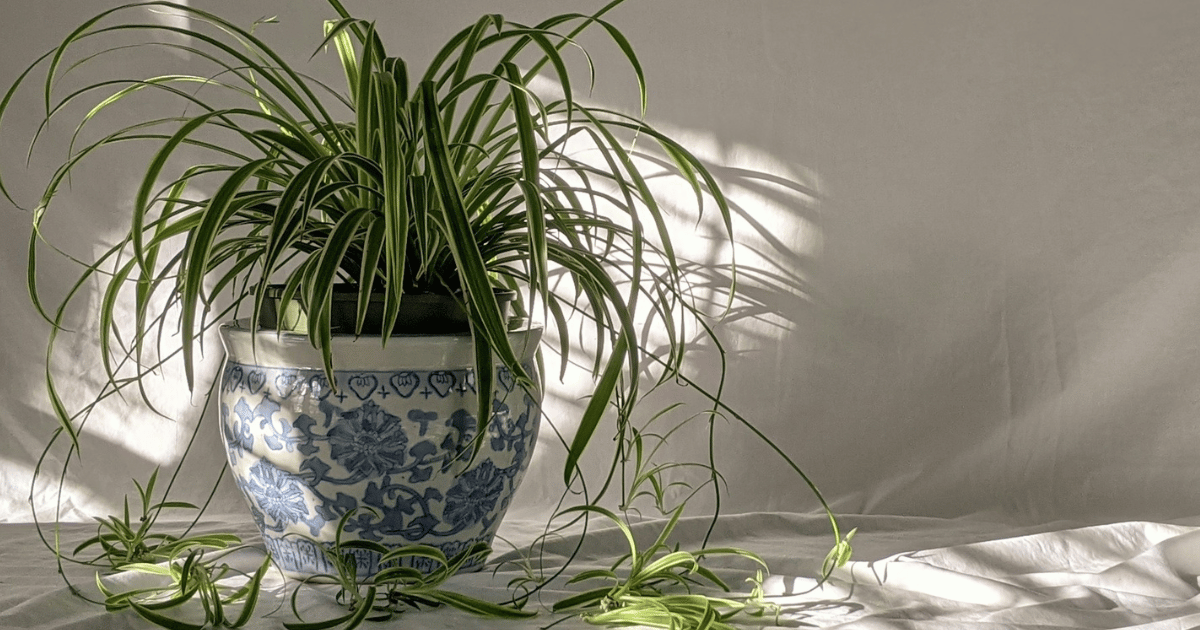
How to Care for a Spider Plant: Complete UK Guide
Spider plants are cheerful, resilient houseplants that produce cascades of plantlets, making them ideal for beginners and easy propagation.
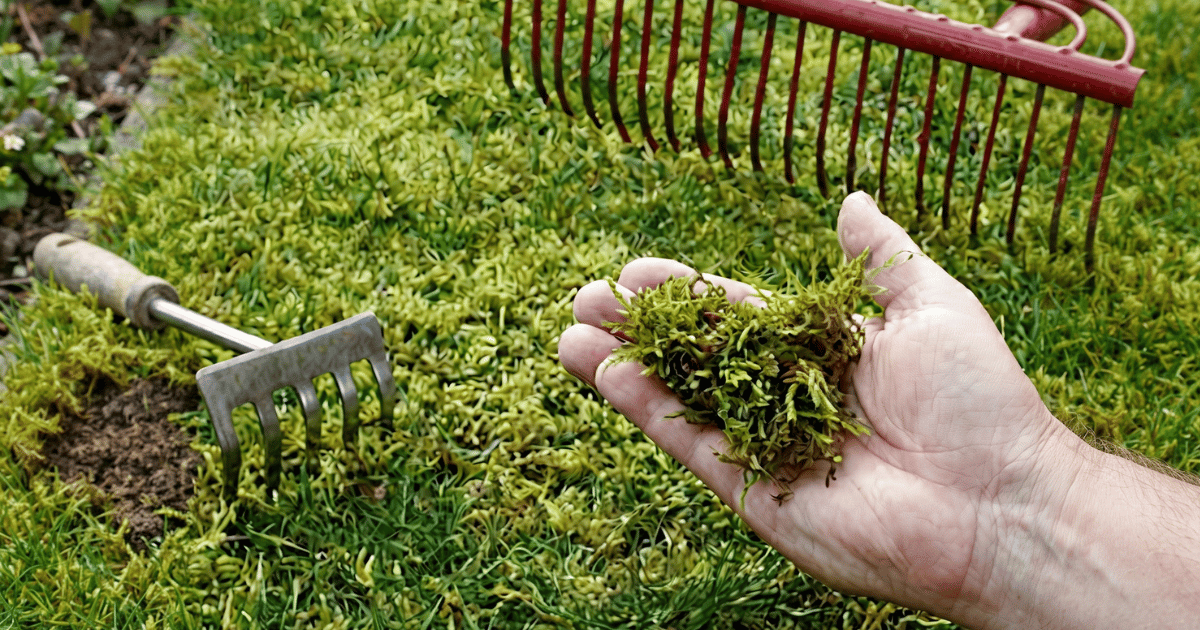
How to Get Rid of Moss in Your Lawn: UK Guide
Moss thrives in compacted, shaded or poorly drained UK lawns, and lasting control means combining scarifying and iron sulphate treatment with fixing the underlying drainage, shade and fertility issues.