
How to Grow Lavender: Complete UK Care Guide
A complete UK guide to growing lavender, covering English and French varieties, drainage, planting and the pruning routine that keeps plants compact.
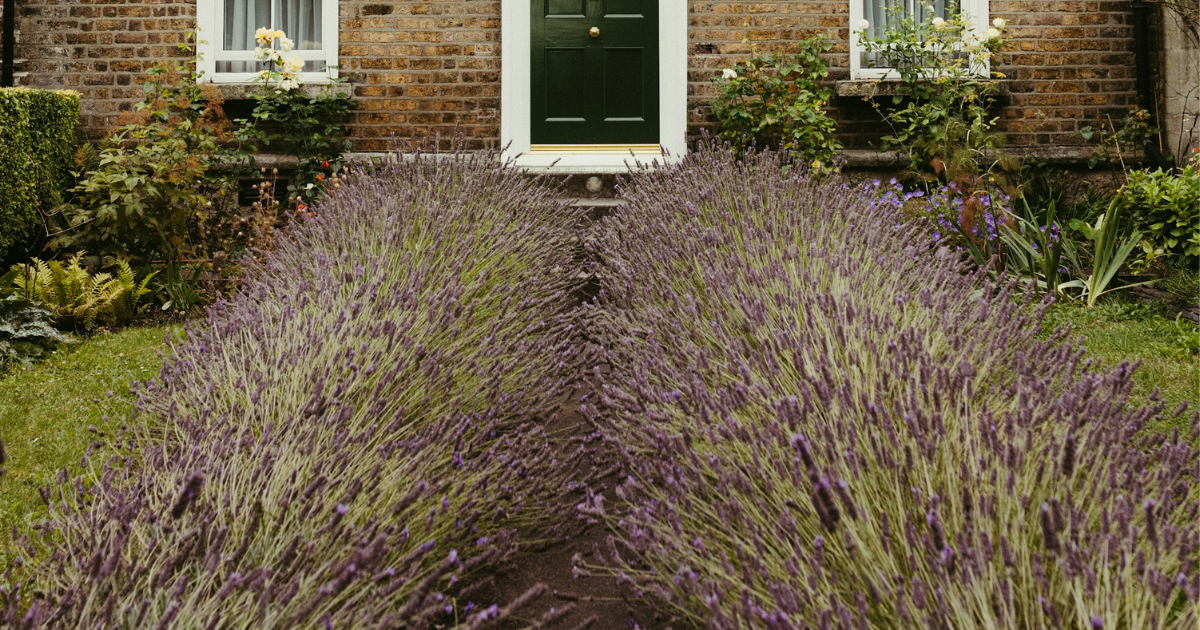
Lavender thrives in the UK when grown in full sun with sharply drained, poor to moderately fertile soil. Choose hardy English lavender for most gardens, plant in spring, avoid rich or waterlogged ground, and prune firmly every year after flowering to keep plants compact, since neglected lavender quickly turns woody and stops flowering well.
Key takeaways
- English lavender (Lavandula angustifolia) is fully hardy across the UK; French lavender (Lavandula stoechas) needs a sheltered spot or pot cultivation.
- Good drainage matters more than soil fertility; lavender dislikes heavy clay and winter wet far more than cold.
- Prune every year straight after flowering, trimming into green growth but never cutting back into old bare wood.
- Full sun for at least six hours a day is essential for compact growth and strong flowering.
- Avoid feeding lavender richly; lush, soft growth from over-fertile soil is more prone to collapse and disease.
| Attribute | Detail |
|---|---|
| Botanical name | Lavandula spp. |
| Plant type | Evergreen aromatic shrub |
| Height & spread | 30-80cm depending on variety |
| Hardiness | RHS H5-H6 (English); H3-H4 (French) |
| Position | Full sun, open and sheltered from winter wet |
| Soil | Free-draining, poor to moderately fertile, alkaline to neutral |
| Flowering/interest period | June to August (English); intermittent spring-summer (French) |
| Difficulty | Easy once drainage is right |
Choosing lavender varieties
English lavenders are the most reliable choice for UK borders, hedging and pots, being fully hardy and long-flowering. French lavender, with its distinctive rabbit-ear bracts, is less hardy and best grown in a pot that can be moved under cover in winter, or in a warm, sheltered spot in southern gardens.
| Variety | Type | Flower colour | Notes |
|---|---|---|---|
| Lavandula angustifolia 'Hidcote' | English | Deep violet-blue | Compact, excellent for low hedging |
| Lavandula angustifolia 'Munstead' | English | Lavender-blue | Early flowering, reliably hardy |
| Lavandula x intermedia 'Grosso' | Lavandin | Deep purple | Vigorous, highly fragrant, good for oil |
| Lavandula stoechas 'Papillon' | French | Purple with showy bracts | Less hardy, best in pots or mild areas |
| Lavandula angustifolia 'Nana Alba' | English | White | Very compact dwarf form |
Where and when to plant lavender
Plant lavender in April or May once soil has warmed and frost risk has passed, giving roots a full season to establish. Choose the sunniest, most open spot available; lavender planted against a warm south-facing wall or in a gravel garden will perform best. Avoid low-lying frost pockets and areas that stay damp over winter.
How to plant lavender
- Improve heavy or clay soil by digging in horticultural grit or coarse sand to aid drainage.
- Dig a hole slightly wider than the root ball; avoid enriching with rich compost.
- Tease out any circling roots before placing the plant in the hole.
- Set the plant at the same depth it was in its pot, not deeper.
- Backfill, firm lightly, and water in well to settle the soil.
- Space plants 30-45cm apart if planting a hedge, depending on variety vigour.
Watering and feeding
Water newly planted lavender regularly through its first summer to help establish roots, then reduce to occasional watering only in prolonged drought once established. Lavender is naturally drought-tolerant and adapted to poor soils, so avoid rich feeding; an annual light dressing of general-purpose fertiliser in spring is sufficient, and too much nitrogen produces soft, floppy growth prone to collapse.
Pruning lavender to prevent woodiness
The single most important task for long-lived lavender is annual pruning. As soon as flowers fade in late summer (typically August), trim the whole plant with shears or secateurs, removing the flower stems and around 2.5cm of the soft green foliage below, shaping into a neat dome. Never cut back into the old bare wood at the base, as English lavender rarely reshoots from it and the plant will develop permanent gaps. A second, lighter tidy in spring once new growth appears can help refine shape. Plants pruned this way every year stay compact and floriferous for many years; those left unpruned become leggy and woody within three or four seasons. For clean cuts on woody stems, sharp secateurs make a real difference; browse our pruning and garden how-to guides for technique tips.
Propagation
Lavender is easy to propagate from semi-ripe cuttings taken in July or August. Select a non-flowering side shoot around 8-10cm long, strip the lower leaves, and insert into a free-draining mix of compost and perlite. Keep in a cold frame or sheltered spot over winter; rooted cuttings can be potted on and planted out the following spring.
Growing lavender in pots
Lavender does very well in containers, particularly French and Italian types that need winter protection. Use a peat-free compost mixed generously with grit for sharp drainage, choose a pot with large drainage holes, and raise it on pot feet to prevent waterlogging. Water sparingly and move pots to a sheltered position, such as against a house wall, over winter.
Common problems
| Problem | Symptom | Fix |
|---|---|---|
| Root rot | Wilting, blackened base, sudden collapse | Improve drainage, avoid overwatering, remove affected plants |
| Woody, leggy growth | Bare stems, few flowers, gappy centre | Prune annually after flowering; replace very old plants |
| Shab disease (Phomopsis) | Sudden wilting and dieback of stems | Remove and destroy affected plants; avoid overhead watering |
| Frost damage (French lavender) | Blackened foliage after cold snaps | Grow in pots, move under cover, or fleece in winter |
| Aphids | Distorted new shoot tips | Encourage ladybirds, rinse off with water |
Month-by-month lavender care
| Month | Task |
|---|---|
| January-February | Avoid pruning; protect French lavender in pots from hard frost |
| March | Light tidy of winter-damaged growth once new shoots appear |
| April-May | Plant new lavender; improve drainage in beds if needed |
| June-July | Watch for aphids; take semi-ripe cuttings in July |
| August | Main prune straight after flowering finishes |
| September-October | Water sparingly; allow growth to harden before winter |
| November-December | Move pots to a sheltered spot; avoid winter watering |
Lavender pairs beautifully with roses and other sun-loving shrubs; see more planting ideas in our flowers hub and plant guides.
Lavender FAQs
Why has my lavender gone woody?
Is English or French lavender better for the UK?
Why is my lavender dying in winter?
Can lavender grow in shade?
How often should I water established lavender?
When should I plant lavender?
Tags
Comments
Join the conversation
Create a free account to leave comments, share photos, and connect with other gardeners.
Related Articles
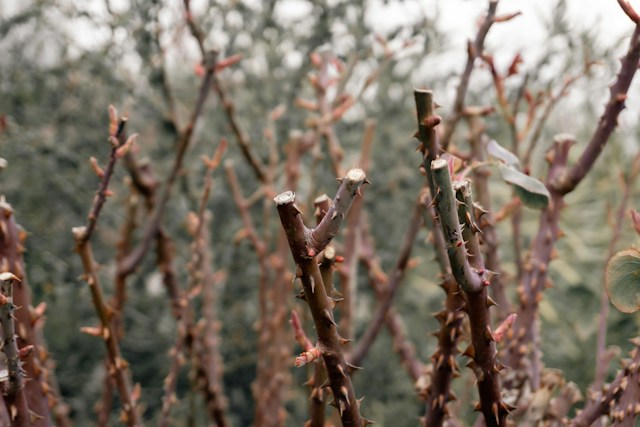
Essential Winter Pruning Guide for UK Gardens
Winter pruning is a vital task for many UK gardeners, ensuring plant health, vigour, and a bountiful display in the coming seasons. This comprehensive guide covers everything you need to know about pruning dormant plants for optimal results.
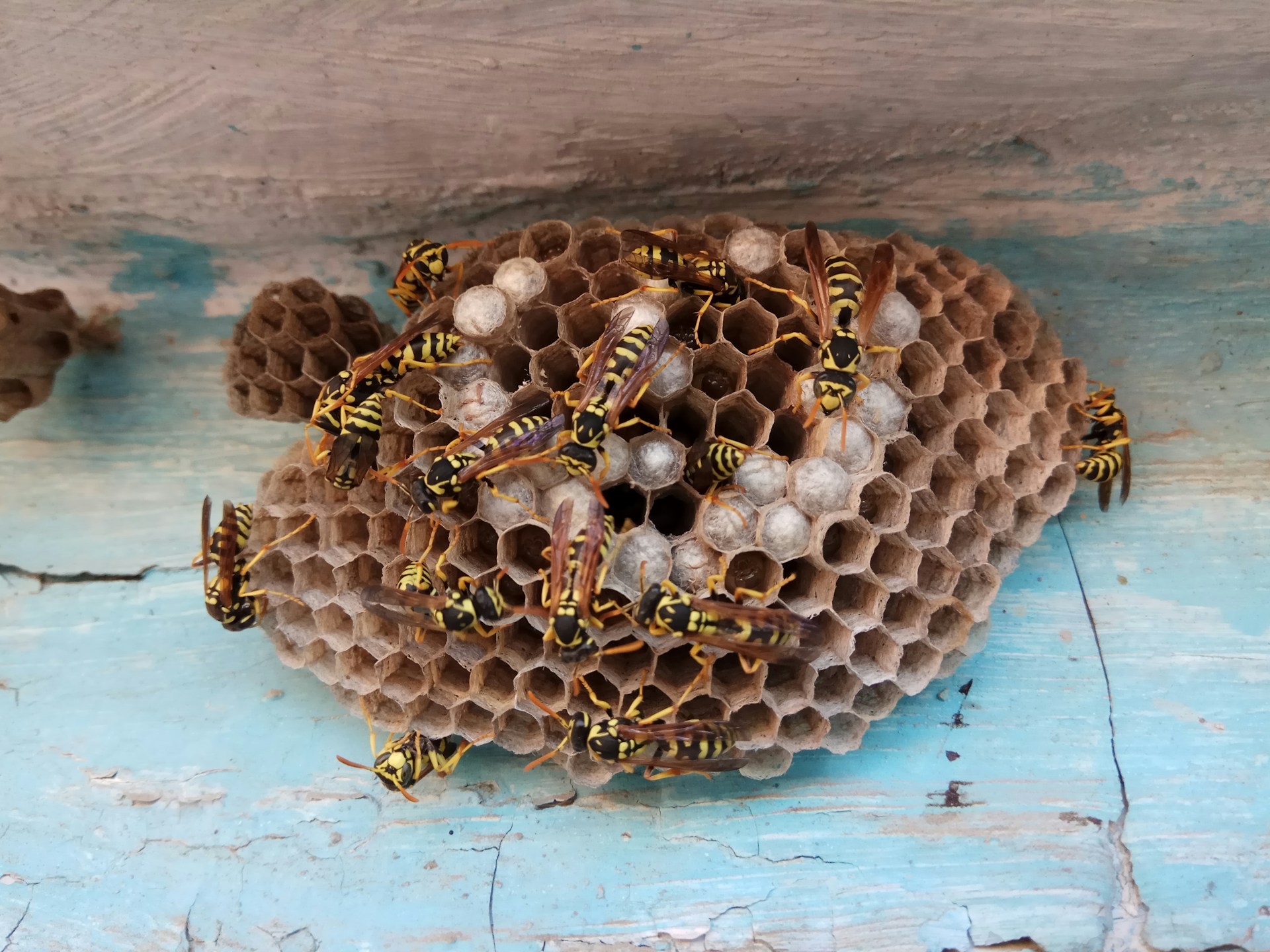
How to Get Rid of Flies and Wasps in Your Garden: UK Guide
Wasps peak in late summer as colonies max out and turn to scavenging, while flies breed fast around bins and fallen fruit all season - this guide covers prevention, physical control and when a chemical treatment is actually needed.

When should I prune back lavender?
This guide outlines lavender pruning for UK gardeners, highlighting optimal timing, techniques, and the importance of regular maintenance for robust growth.

How to Care for a Snake Plant: Complete UK Guide
Snake plants are one of the toughest houseplants around, tolerating low light and irregular watering while purifying indoor air.
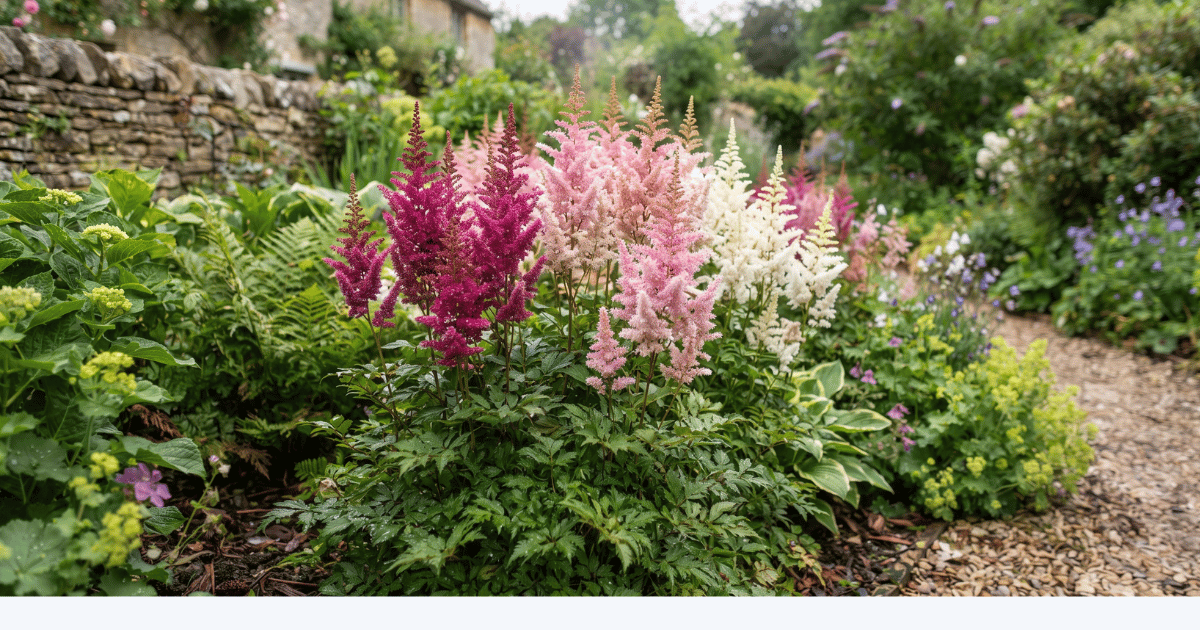
How to Grow Astilbe: Complete UK Care Guide
Astilbe brings feathery plumes of colour to moist, shady borders in summer, but needs consistently damp soil to prevent scorched, crispy foliage.
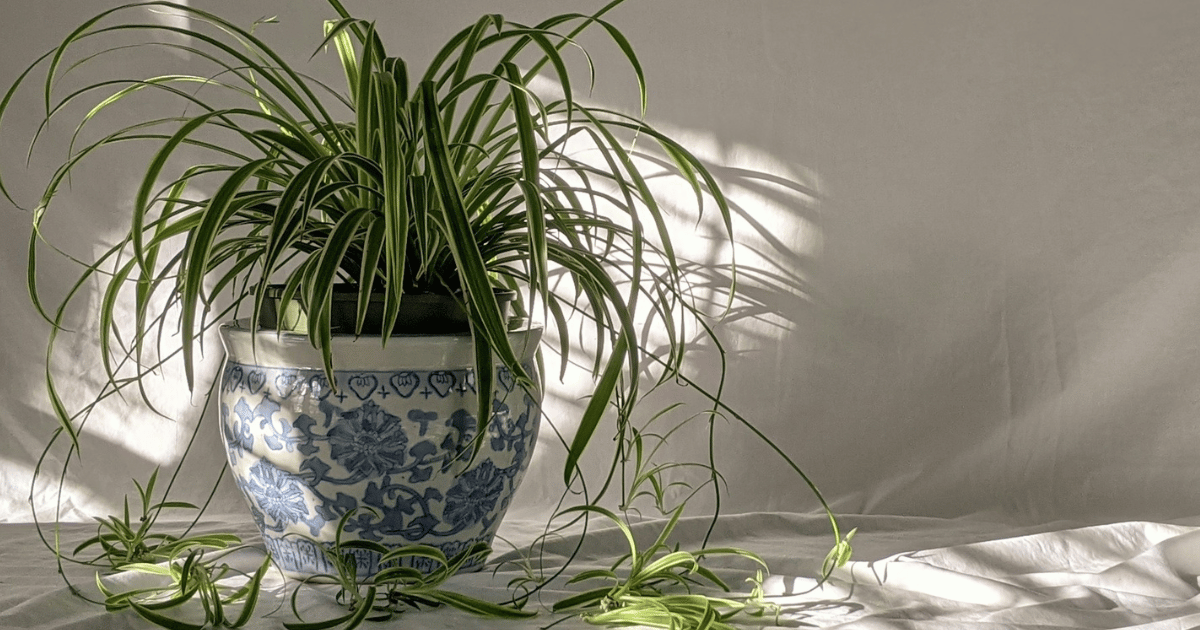
How to Care for a Spider Plant: Complete UK Guide
Spider plants are cheerful, resilient houseplants that produce cascades of plantlets, making them ideal for beginners and easy propagation.