
How to Grow Astilbe: Complete UK Care Guide
Astilbe brings feathery plumes of colour to moist, shady borders in summer, but needs consistently damp soil to prevent scorched, crispy foliage.

How to grow astilbe in the UK:
Astilbe is a moisture-loving perennial grown for its feathery plumes of flowers held above deeply cut, fern-like foliage from early to late summer. It is ideal for damp, partially shaded borders, pond margins and bog gardens, but struggles wherever soil dries out, quickly developing scorched, crispy leaves. Keep the soil consistently moist and divide clumps every few years to keep plants healthy and free-flowering.
Key takeaways
- Astilbe needs consistently moist soil; drying out causes crispy, scorched leaves.
- Partial shade suits it best, though it tolerates more sun in reliably damp ground.
- Mulch generously each spring to help retain soil moisture through summer.
- Divide congested clumps every three years in spring or autumn to renew vigour.
- Astilbe is well suited to bog gardens and pond-side planting.
| Attribute | Detail |
|---|---|
| Botanical name | Astilbe x arendsii and related hybrids |
| Plant type | Herbaceous perennial |
| Height & spread | 40–100cm tall, 30–50cm spread |
| Hardiness | RHS H6 (fully hardy) |
| Position | Partial shade (tolerates sun if soil stays moist) |
| Soil | Moist, humus-rich, does not tolerate drying out |
| Flowering period | June to August |
| Difficulty | Easy, provided soil stays moist |
Choosing varieties
Astilbe varieties range widely in height and plume colour, making it easy to find one suited to any damp shady spot.
| Variety | Flower colour | Height | Notes |
|---|---|---|---|
| Astilbe 'Fanal' | Deep red | 60cm | Bronze-tinted foliage, popular classic variety |
| Astilbe 'Bressingham Beauty' | Rich pink | 90cm | Vigorous and reliable |
| Astilbe 'Deutschland' | White | 60cm | Bright plumes, good for shady borders |
| Astilbe chinensis 'Visions' | Raspberry pink | 40cm | More drought tolerant than most astilbe |
| Astilbe 'Sprite' | Shell pink | 30cm | Compact, suits smaller borders and pots |
Where and when to plant
Plant astilbe in spring or autumn in partial shade, in soil that remains consistently moist, such as near a pond, water feature or in a naturally damp part of the garden. It combines well with hostas and ferns in a shaded border. For more shade planting ideas, see our grow guides.
How to plant astilbe
- Choose a partially shaded site with reliably moist, humus-rich soil.
- Dig in plenty of well-rotted organic matter before planting.
- Dig a hole slightly larger than the root ball.
- Plant at the same depth as in the original pot.
- Backfill, firm gently and water thoroughly.
- Apply a generous mulch to help lock in soil moisture.
Watering and feeding
Astilbe needs consistently moist soil throughout the growing season; never allow it to dry out completely, particularly in sun or during summer heat. Water deeply and regularly rather than little and often. Feed in spring with a balanced, general-purpose fertiliser and mulch annually with well-rotted compost.
Cutting back and deadheading
Faded flower plumes can be left in place over autumn and winter, providing attractive structure and catching frost. Cut all growth back to ground level in late winter or early spring, just before fresh new foliage begins to emerge from the crown.
Dividing and propagation
Astilbe forms a woody rootstock that becomes congested and less floriferous over time, so divide every three years or so in spring or autumn. Lift the whole clump and split it into sections with a sharp spade or knife, each retaining healthy buds and roots, then replant promptly into moist, enriched soil.
Growing in pots
Compact varieties such as 'Sprite' grow well in containers of at least 30cm diameter, using a peat-free, moisture-retentive compost. Stand pots in shade and check moisture levels daily in summer, as containers dry out far faster than open ground; consider standing pots in trays of water during hot spells.
Common problems
| Problem | Symptom | Fix |
|---|---|---|
| Leaf scorch | Crispy, brown leaf edges | Water deeply and regularly, mulch to retain soil moisture |
| Vine weevil | Notched leaf edges, collapsing plants | Check for larvae in soil, use biological nematode controls |
| Powdery mildew | White coating on leaves in dry spells | Keep soil consistently moist and improve air circulation |
| Slugs and snails | Holes in young foliage | Protect emerging shoots with barriers or torchlight checks |
Month-by-month care calendar
| Month | Task |
|---|---|
| March | Cut back old growth; divide congested clumps |
| April | Plant new astilbe; apply mulch |
| May | Water regularly as growth develops |
| June | Flowering begins; keep soil consistently moist |
| July | Peak flowering; water deeply in dry weather |
| August | Continue watering; deadhead if desired |
| September | Flowering fades; maintain soil moisture |
| October | Leave seedheads and plumes for structure |
| November | Top up mulch before winter |
| December | Little maintenance needed |
| January | Plan new plantings for damp areas |
| February | Prepare soil, adding organic matter |
How to Grow Astilbe FAQs
Why do my astilbe leaves go crispy and brown?
Can astilbe grow in full sun?
When should I divide astilbe?
Do I need to cut back astilbe in autumn?
Is astilbe good for a bog garden?
Why has my astilbe stopped flowering well?
Tags
Comments
Join the conversation
Create a free account to leave comments, share photos, and connect with other gardeners.
Related Articles

How to Grow Hostas: Complete UK Care Guide
Hostas are among the best foliage perennials for shady UK gardens, but slugs and snails mean choosing the right variety and site is essential for success.
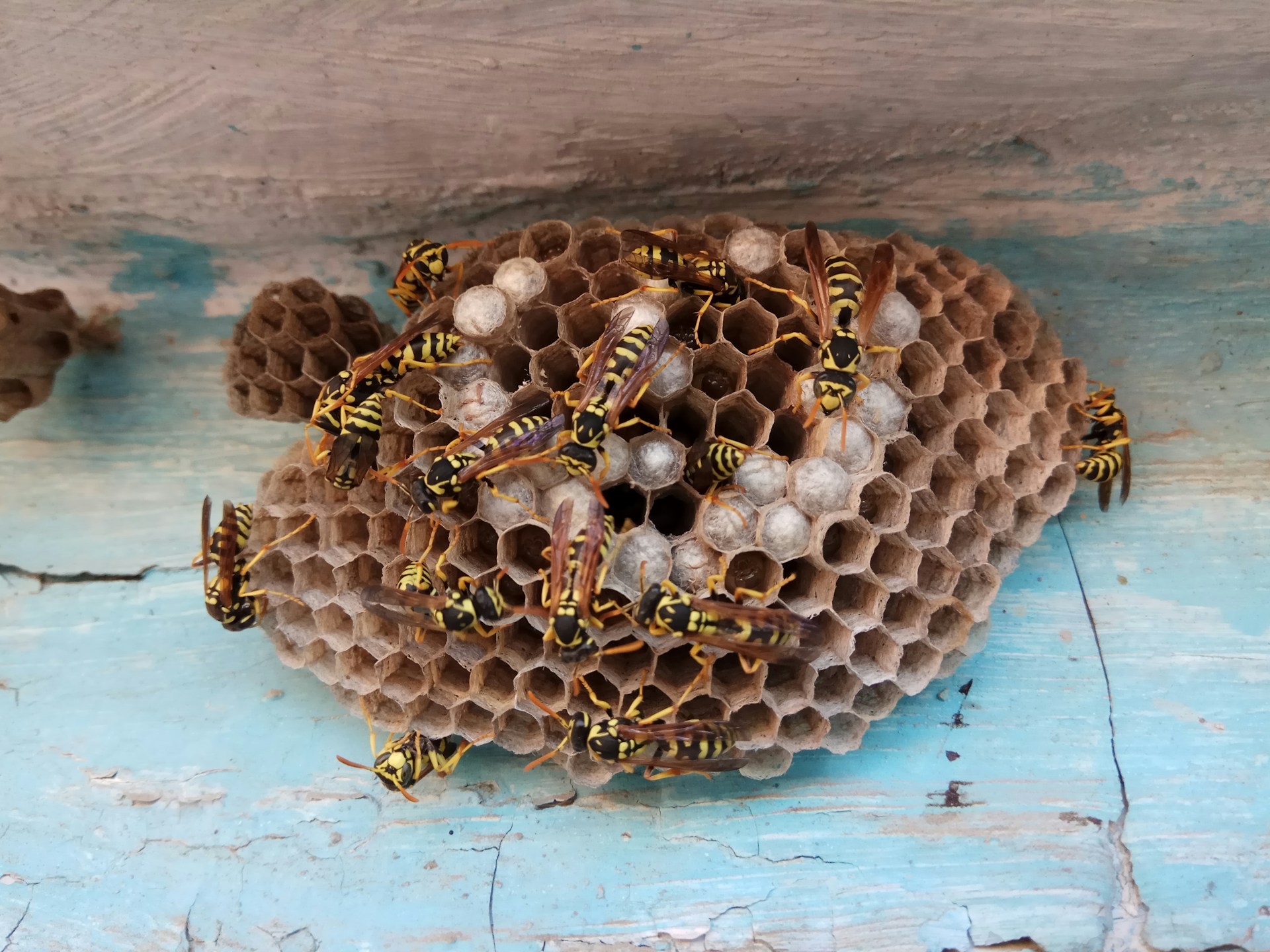
How to Get Rid of Flies and Wasps in Your Garden: UK Guide
Wasps peak in late summer as colonies max out and turn to scavenging, while flies breed fast around bins and fallen fruit all season - this guide covers prevention, physical control and when a chemical treatment is actually needed.

How to Care for a Snake Plant: Complete UK Guide
Snake plants are one of the toughest houseplants around, tolerating low light and irregular watering while purifying indoor air.

How to Care for a Spider Plant: Complete UK Guide
Spider plants are cheerful, resilient houseplants that produce cascades of plantlets, making them ideal for beginners and easy propagation.
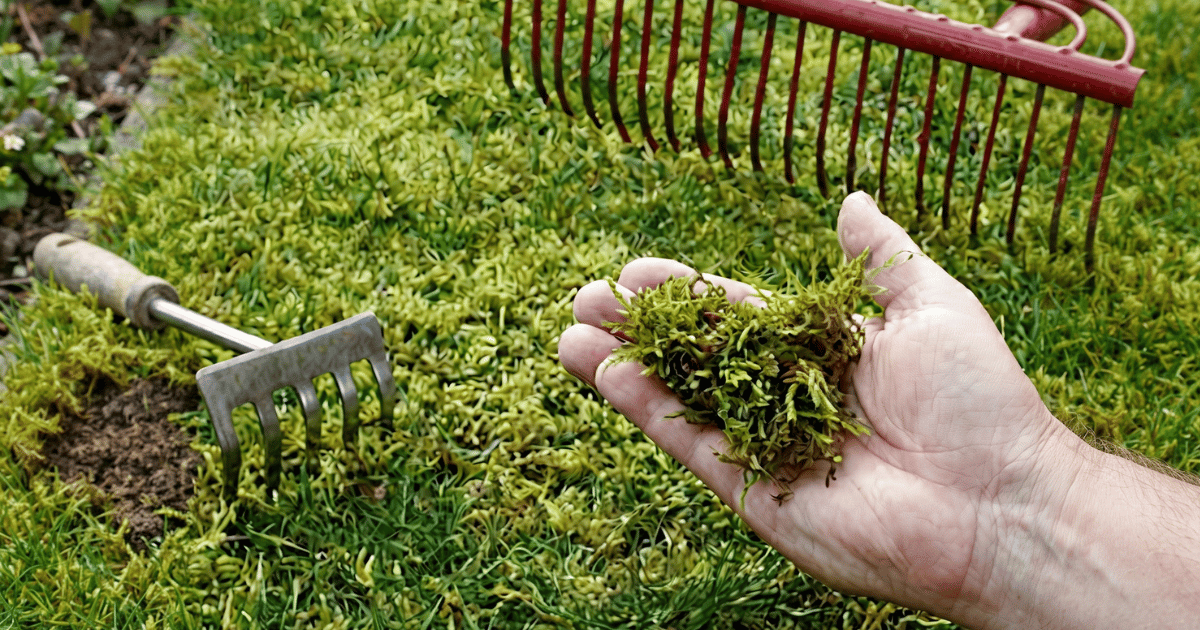
How to Get Rid of Moss in Your Lawn: UK Guide
Moss thrives in compacted, shaded or poorly drained UK lawns, and lasting control means combining scarifying and iron sulphate treatment with fixing the underlying drainage, shade and fertility issues.

How to Care for Orchids: Complete UK Guide
Moth orchids are elegant, long-flowering houseplants that thrive in bark mix and bright, indirect light, often reflowering for years.