
How to Grow a Laurel Hedge: Complete UK Care Guide
Laurel makes a dense, fast-growing evergreen hedge that offers year-round privacy when planted, spaced and pruned correctly.

A laurel hedge gives fast, dense, evergreen screening in almost any UK garden. Choosing between cherry laurel and Portuguese laurel, planting at the right spacing and time of year, and trimming with secateurs rather than shears all help create a healthy, tidy hedge that resists common problems such as shot hole and powdery mildew.
Key takeaways
- Cherry laurel grows quickly and suits tall hedges, while Portuguese laurel is slower and more compact.
- Space plants 45 to 90cm apart depending on species and desired speed of establishment.
- Plant bare-root laurel between November and March; pot-grown plants can go in year-round.
- Trim with secateurs, not shears, to avoid shredded, browning leaf edges.
- Overgrown laurel hedges can be renovated by hard pruning in mid-spring.
| Attribute | Detail |
|---|---|
| Botanical name | Prunus laurocerasus / Prunus lusitanica |
| Plant type | Evergreen shrub, grown as hedging |
| Height & spread | Up to 5m if unpruned; maintained at 1.5-3m as a hedge |
| Hardiness | RHS H5 |
| Position | Full sun to full shade |
| Soil | Any well-drained soil, including chalk |
| Flowering/interest period | White flower spikes in April-May; evergreen foliage year-round |
| Difficulty | Easy |
Choosing varieties
Both cherry and Portuguese laurel make excellent evergreen hedges, but they differ in growth rate, leaf size and ultimate footprint. Browse more hedging options in our plant guides.
| Cultivar | Type | Growth rate | Leaf size | Best for |
|---|---|---|---|---|
| Prunus laurocerasus 'Rotundifolia' | Cherry laurel | Fast | Large, rounded | Tall, quick-growing screens |
| Prunus laurocerasus 'Novita' | Cherry laurel | Fast | Long, narrow | Upright hedges in less space |
| Prunus lusitanica | Portuguese laurel | Moderate | Small, dark green | Formal, compact hedges |
| Prunus laurocerasus 'Etna' | Cherry laurel | Fast | Bronze-red new growth | Colourful, dense screening |
| Prunus laurocerasus 'Otto Luyken' | Cherry laurel | Slow | Small, narrow | Low hedges under 1.2m |
Where and when to plant
Laurel tolerates sun or shade and most well-drained soils, including chalk, making it a versatile choice for boundary hedges. Bare-root and root-balled plants establish best when planted between November and March while dormant, giving roots time to settle before spring growth. Pot-grown laurels can technically be planted at any time of year, but autumn or spring planting reduces the need for regular watering during establishment. Avoid planting during hard frost or when the ground is waterlogged.
How to plant
- Clear the planting line of weeds and grass, and dig a trench rather than individual holes for a more even hedge line.
- Space cherry laurel 60-90cm apart and Portuguese laurel 45-60cm apart along the row.
- Fork in well-rotted organic matter to improve soil structure.
- Set each plant at the same depth it was growing in its pot or nursery bed.
- Backfill, firm in gently and water thoroughly.
- Apply a mulch layer along the row, keeping it clear of the stems.
- Water regularly through the first summer, especially during dry spells.
Watering and feeding
Water newly planted laurel well for the first one to two growing seasons until established, as young plants are vulnerable to drought stress. Once settled, laurel is fairly drought-tolerant. Apply a balanced general-purpose fertiliser in spring to encourage strong new growth, and refresh the mulch annually to retain moisture and suppress weeds.
Pruning and trimming
Trim laurel hedges once or twice a year, typically in late spring and again in late summer, avoiding the bird nesting season. Use secateurs rather than shears wherever practical, as shears slice through the broad leaves and leave unsightly brown, shredded edges that take weeks to disappear. For larger hedges this is more time-consuming but gives a much neater finish. See our how-to guides for further seasonal pruning advice.
Propagation
Laurel is easily propagated from semi-ripe cuttings taken in late summer. Select healthy, non-flowering shoots around 15cm long, remove the lower leaves, dip the cut end in rooting hormone and insert into free-draining cutting compost. Keep in a sheltered cold frame or unheated greenhouse over winter, and pot on once well rooted the following spring.
Common problems
| Problem | Symptom | Fix |
|---|---|---|
| Shot hole disease | Small round holes in leaves | Improve air circulation, remove fallen leaves and avoid wetting foliage when watering |
| Powdery mildew | White powdery coating on leaves | Thin congested growth, water at the base and remove badly affected leaves |
| Yellowing leaves | Pale or yellow foliage, often on waterlogged soil | Improve drainage and avoid overwatering |
| Frost damage | Blackened or scorched leaf edges after cold snaps | Avoid trimming late in autumn so growth can harden before winter |
Month-by-month care calendar
| Month | Task |
|---|---|
| January-February | Plan new hedge lines; avoid planting in frozen or waterlogged ground |
| March | Bare-root planting window closes; apply spring fertiliser |
| April-May | Flowering occurs; check for shot hole symptoms as new growth emerges |
| June | First trim of the season using secateurs once nesting birds have fledged |
| July | Water during dry spells, especially newly planted hedges |
| August | Take semi-ripe cuttings for propagation |
| September | Second trim if needed to tidy summer growth |
| October | Refresh mulch and prepare for bare-root planting season |
| November-December | Ideal time for bare-root and root-balled planting; renovate overgrown hedges in mid-spring instead |
Laurel Hedge FAQs
What is the difference between cherry laurel and Portuguese laurel?
How far apart should I plant a laurel hedge?
Should I use shears or secateurs to trim laurel?
When is the best time to plant a laurel hedge?
Can an overgrown laurel hedge be cut back hard?
Why do my laurel leaves have holes in them?
Tags
Comments
Join the conversation
Create a free account to leave comments, share photos, and connect with other gardeners.
Related Articles
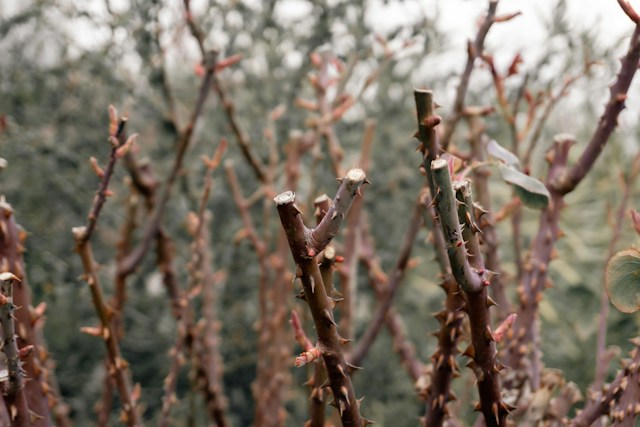
Essential Winter Pruning Guide for UK Gardens
Winter pruning is a vital task for many UK gardeners, ensuring plant health, vigour, and a bountiful display in the coming seasons. This comprehensive guide covers everything you need to know about pruning dormant plants for optimal results.
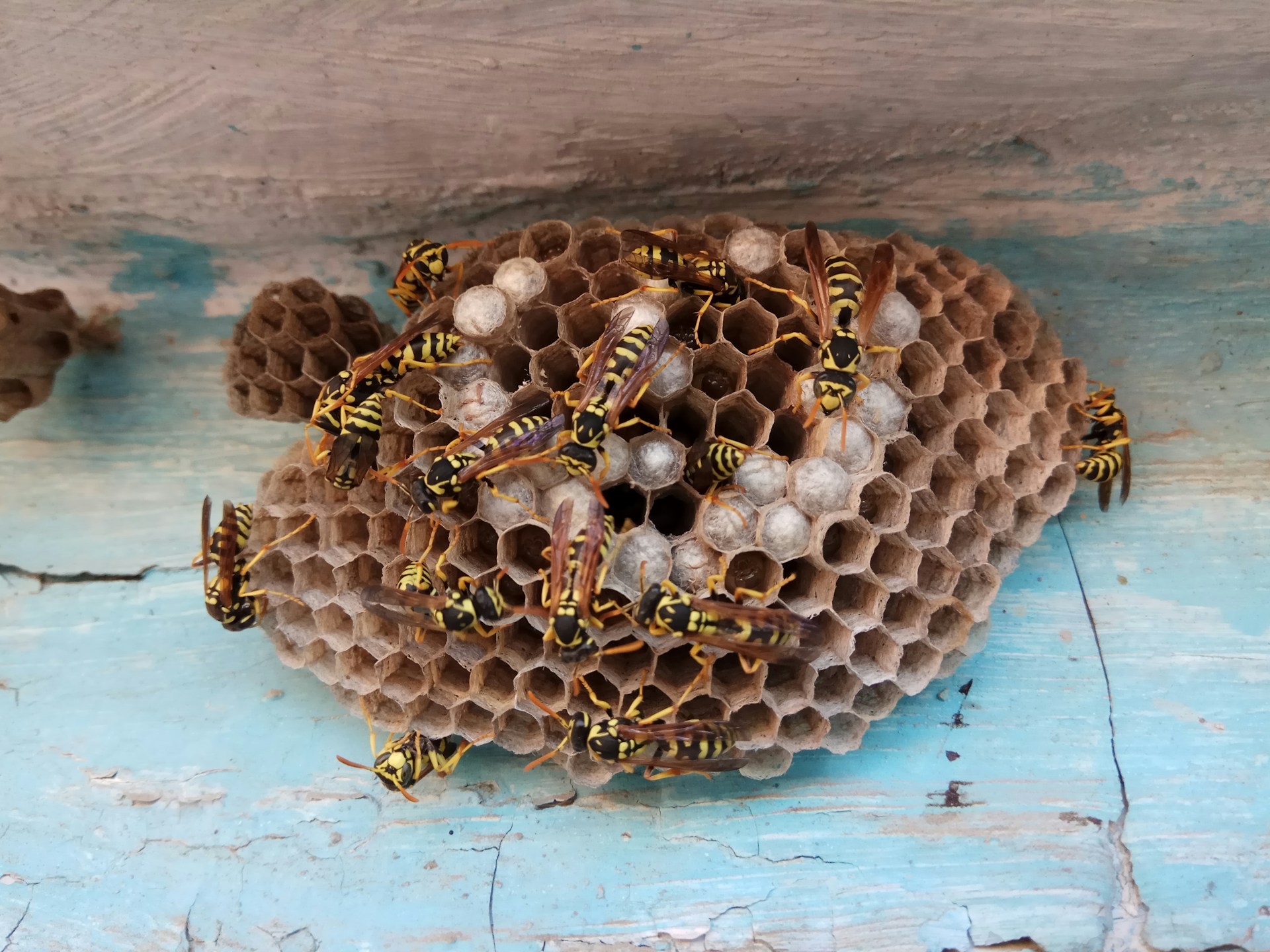
How to Get Rid of Flies and Wasps in Your Garden: UK Guide
Wasps peak in late summer as colonies max out and turn to scavenging, while flies breed fast around bins and fallen fruit all season - this guide covers prevention, physical control and when a chemical treatment is actually needed.

How to Care for a Snake Plant: Complete UK Guide
Snake plants are one of the toughest houseplants around, tolerating low light and irregular watering while purifying indoor air.
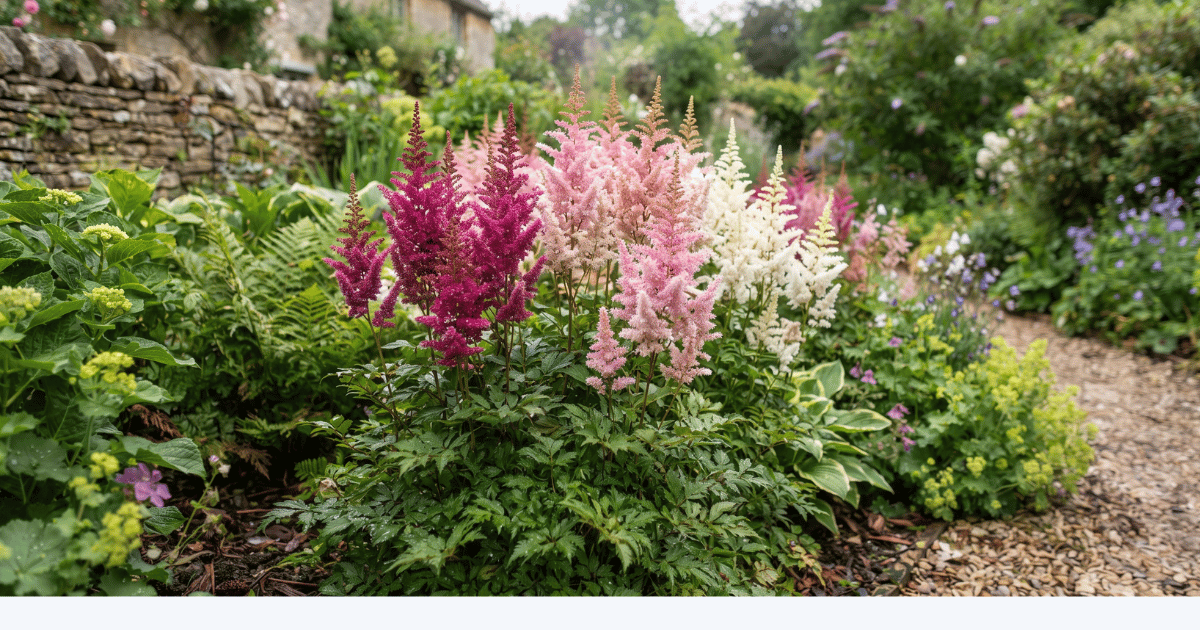
How to Grow Astilbe: Complete UK Care Guide
Astilbe brings feathery plumes of colour to moist, shady borders in summer, but needs consistently damp soil to prevent scorched, crispy foliage.

How to Care for a Spider Plant: Complete UK Guide
Spider plants are cheerful, resilient houseplants that produce cascades of plantlets, making them ideal for beginners and easy propagation.
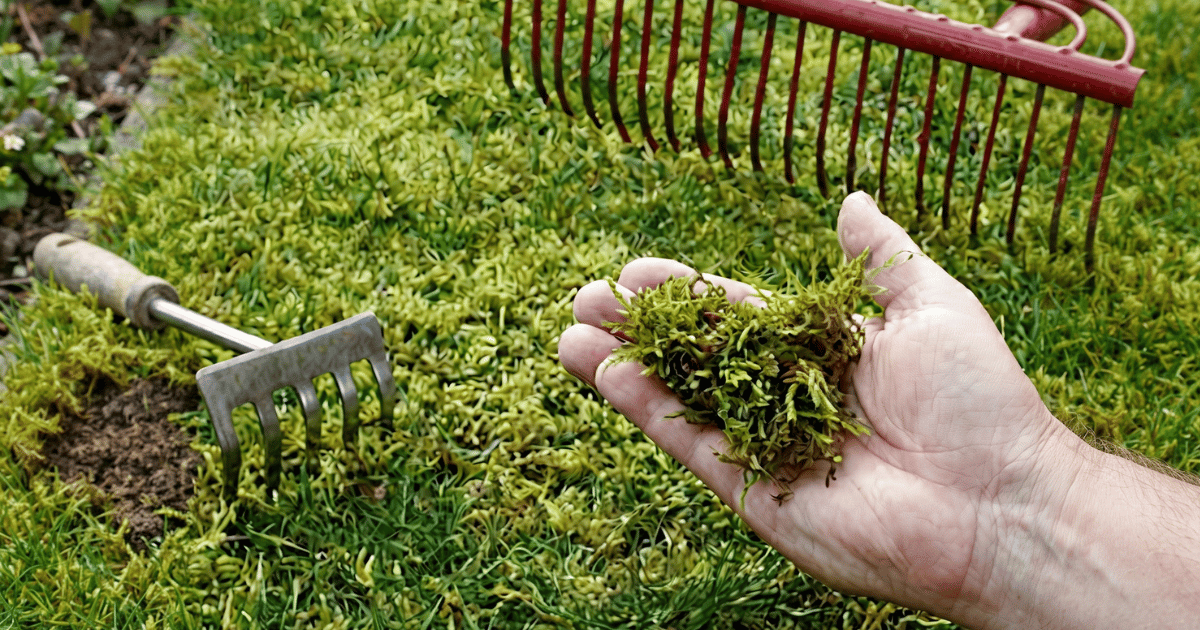
How to Get Rid of Moss in Your Lawn: UK Guide
Moss thrives in compacted, shaded or poorly drained UK lawns, and lasting control means combining scarifying and iron sulphate treatment with fixing the underlying drainage, shade and fertility issues.