
How to Care for Monstera: Complete UK Guide
Monstera deliciosa is a striking, easy-going houseplant that rewards bright, indirect light and consistent care with dramatic split leaves.
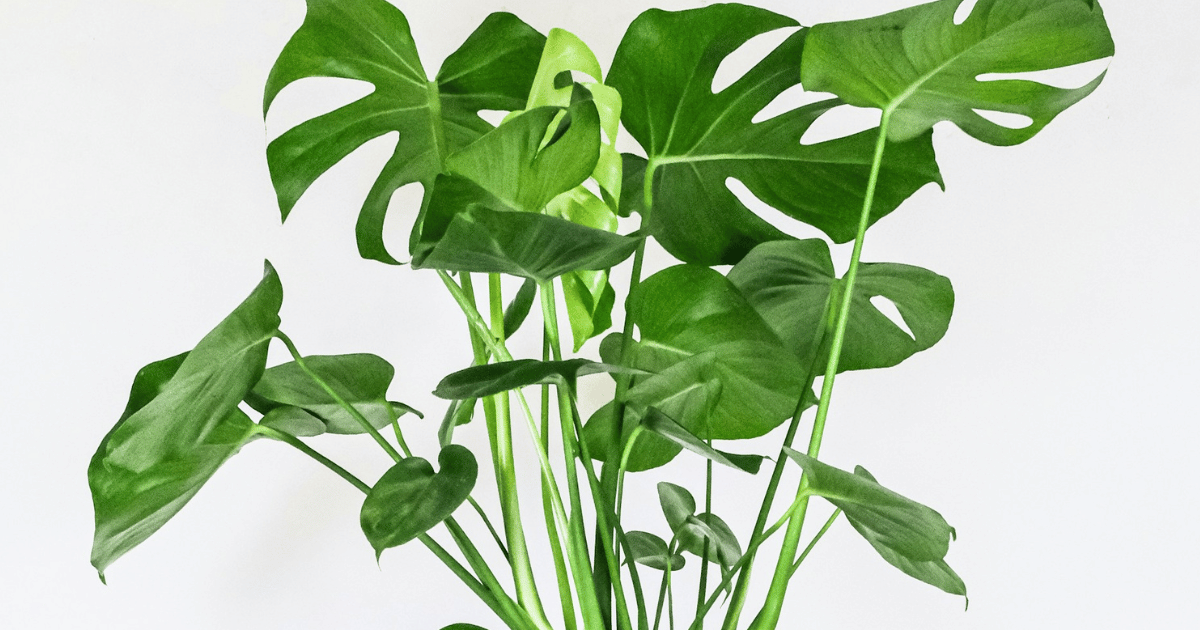
Monstera deliciosa, the Swiss cheese plant, thrives in UK homes when given bright, indirect light, weekly-ish watering that lets compost dry slightly between drinks, and a sturdy support such as a moss pole. Given warmth, humidity and regular feeding through spring and summer, it produces the large, glossy, fenestrated leaves it is prized for.
Key takeaways
- Bright, indirect light encourages the biggest, most deeply split leaves.
- Allow the top 5cm of compost to dry out before watering again.
- A moss pole supports climbing growth and larger fenestrations.
- Aerial roots are natural; guide them onto the pole rather than removing them.
- Monstera is toxic to cats and dogs, so position it carefully.
| Attribute | Detail |
|---|---|
| Botanical name | Monstera deliciosa |
| Plant type | Evergreen climbing aroid |
| Mature size indoors | Up to 2-3m with support |
| Light | Bright, indirect light |
| Watering | Every 7-10 days, when compost dries out |
| Humidity | Moderate to high, 50%+ preferred |
| Temperature range | 16-27°C |
| Toxic to pets | Yes, toxic to cats and dogs |
| Difficulty | Easy to moderate |
Choosing a healthy plant and varieties
When buying from a garden centre or online supplier, look for firm, upright stems, glossy leaves free of yellowing or brown patches, and no signs of pests such as spider mites or scale on the undersides of leaves. Check the compost is not sodden and that the roots are not circling tightly at the base of the pot, which suggests it is pot-bound.
| Variety | Leaf appearance | Notes |
|---|---|---|
| Monstera deliciosa | Large, deeply split glossy leaves | The classic, most widely available form |
| Monstera adansonii | Smaller leaves with oval holes | Trailing habit, great for shelves or hanging baskets |
| Monstera deliciosa 'Albo Variegata' | White and green variegation | Rare, slower growing, needs bright light to maintain variegation |
| Monstera dubia | Shingling juvenile leaves | Climbs flat against a surface when young |
| Monstera obliqua | Extremely thin, lacy leaves | Delicate and rare, best for experienced growers |
Light and position
Monstera does best in a spot with bright, indirect light, such as near an east- or west-facing window. Direct midday sun can scorch the leaves, while too little light leads to small, unsplit leaves and leggy growth. In UK winters, when daylight is weak, move the plant closer to a window to compensate, but keep it away from cold draughts and glass that gets very cold overnight.
Watering
Water thoroughly when the top 5cm of compost feels dry, allowing excess water to drain freely from the pot. In summer this might mean watering weekly, while in winter, when growth slows and central heating dries the air but light is low, watering every two to three weeks is often enough. Always check the compost with your finger rather than sticking to a fixed schedule, as overwatering is the most common cause of problems.
Humidity and temperature
Monstera enjoys moderate to high humidity, which can be boosted by grouping plants together, using a pebble tray, or running a humidifier, particularly in centrally heated rooms during winter. Aim for a steady room temperature between 16-27°C and avoid placing the plant near radiators or draughty windows, both of which cause stress and leaf browning.
Feeding
Feed monthly during the growing season, from around March to September, with a balanced liquid houseplant feed diluted according to the packet instructions. Stop feeding in autumn and winter when growth naturally slows, as fertiliser applied during dormancy can build up salts in the compost and damage roots.
Potting mix and repotting
Monstera needs a chunky, free-draining mix that mimics its natural habitat clinging to trees.
- Choose a pot one size larger with drainage holes.
- Mix a peat-free houseplant compost with perlite, orchid bark and a little charcoal for aeration.
- Gently loosen the roots and place the plant at the same depth as before.
- Backfill around the roots, firm lightly, and water well.
- Repot every one to two years in spring when roots fill the pot.
Pruning, cleaning and support
Trim any yellow, damaged or overly leggy stems back to a leaf node using clean secateurs to encourage bushier growth. Wipe leaves periodically with a damp cloth to remove dust, which improves the plant's ability to photosynthesise. Install a moss pole or coir pole when the plant is young so aerial roots can attach as it grows, supporting larger leaves and preventing top-heavy stems from toppling.
Propagation
Monstera is straightforward to propagate from stem cuttings.
- Select a healthy stem section with at least one leaf node and, ideally, an aerial root.
- Cut just below the node using a clean, sharp knife.
- Place the cutting in water or moist compost, ensuring the node is submerged or buried.
- Keep in bright, indirect light and change water weekly if rooting in water.
- Once roots are several centimetres long, pot into houseplant compost.
Common problems
| Problem | Symptom | Fix |
|---|---|---|
| Overwatering | Yellowing leaves, soft stems | Reduce watering frequency and check drainage |
| Brown crispy tips | Dry, browning leaf edges | Increase humidity and check for underwatering |
| Root rot | Mushy, dark roots, foul smell | Remove from pot, trim rotten roots, repot in fresh mix |
| Pests | Spider mites, scale, mealybugs | Wipe leaves, isolate plant, treat with insecticidal soap |
| No fenestration | Solid, unsplit leaves | Increase light levels and be patient as plant matures |
Seasonal care calendar
| Season | Care focus |
|---|---|
| Spring | Repot if needed, resume feeding, increase watering |
| Summer | Water regularly, maintain humidity, watch for pests |
| Autumn | Reduce feeding, gradually cut back watering |
| Winter | Water sparingly, keep away from cold draughts and radiators |
For more advice on growing houseplants successfully, browse our plants section or see our how-to guides for further tips.
Monstera FAQs
Why are my Monstera leaves not splitting?
Should I give my Monstera a moss pole?
What should I do with aerial roots?
Is Monstera toxic to cats and dogs?
Why are the leaves turning yellow?
How often should I repot my Monstera?
Tags
Comments
Join the conversation
Create a free account to leave comments, share photos, and connect with other gardeners.
Related Articles

How to Care for a Snake Plant: Complete UK Guide
Snake plants are one of the toughest houseplants around, tolerating low light and irregular watering while purifying indoor air.
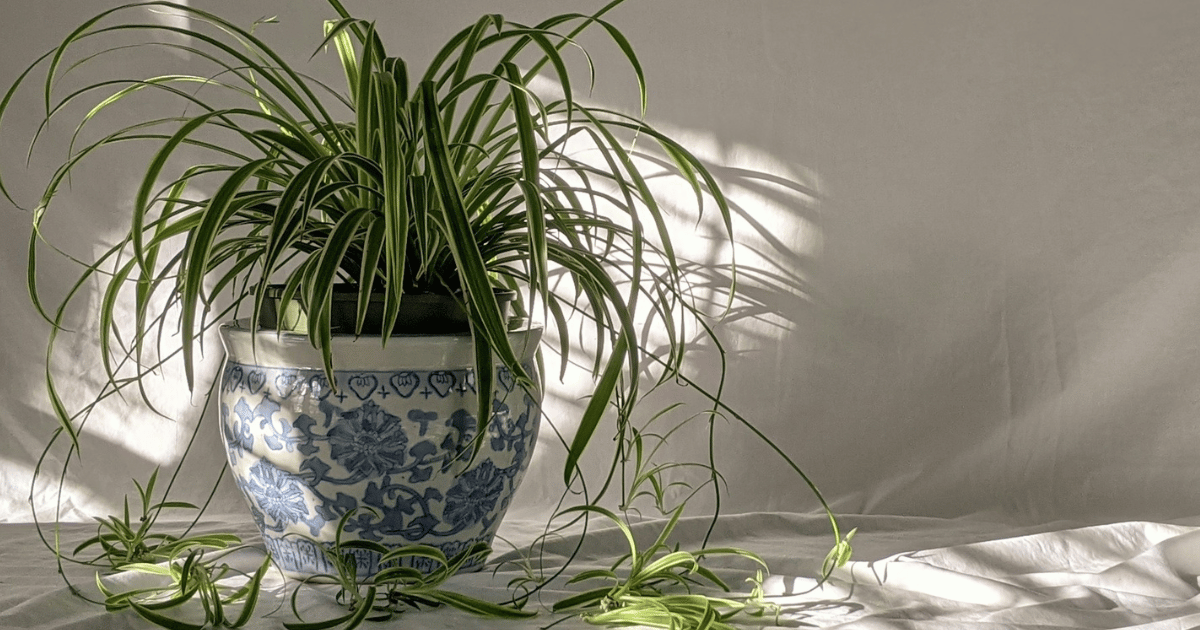
How to Care for a Spider Plant: Complete UK Guide
Spider plants are cheerful, resilient houseplants that produce cascades of plantlets, making them ideal for beginners and easy propagation.
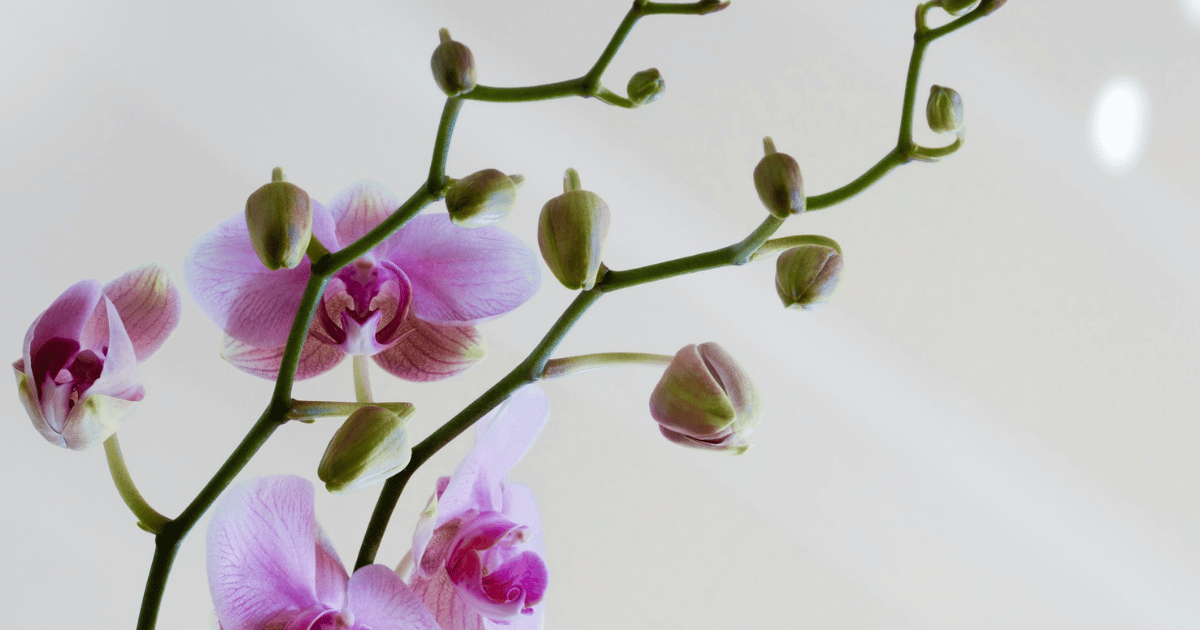
How to Care for Orchids: Complete UK Guide
Moth orchids are elegant, long-flowering houseplants that thrive in bark mix and bright, indirect light, often reflowering for years.
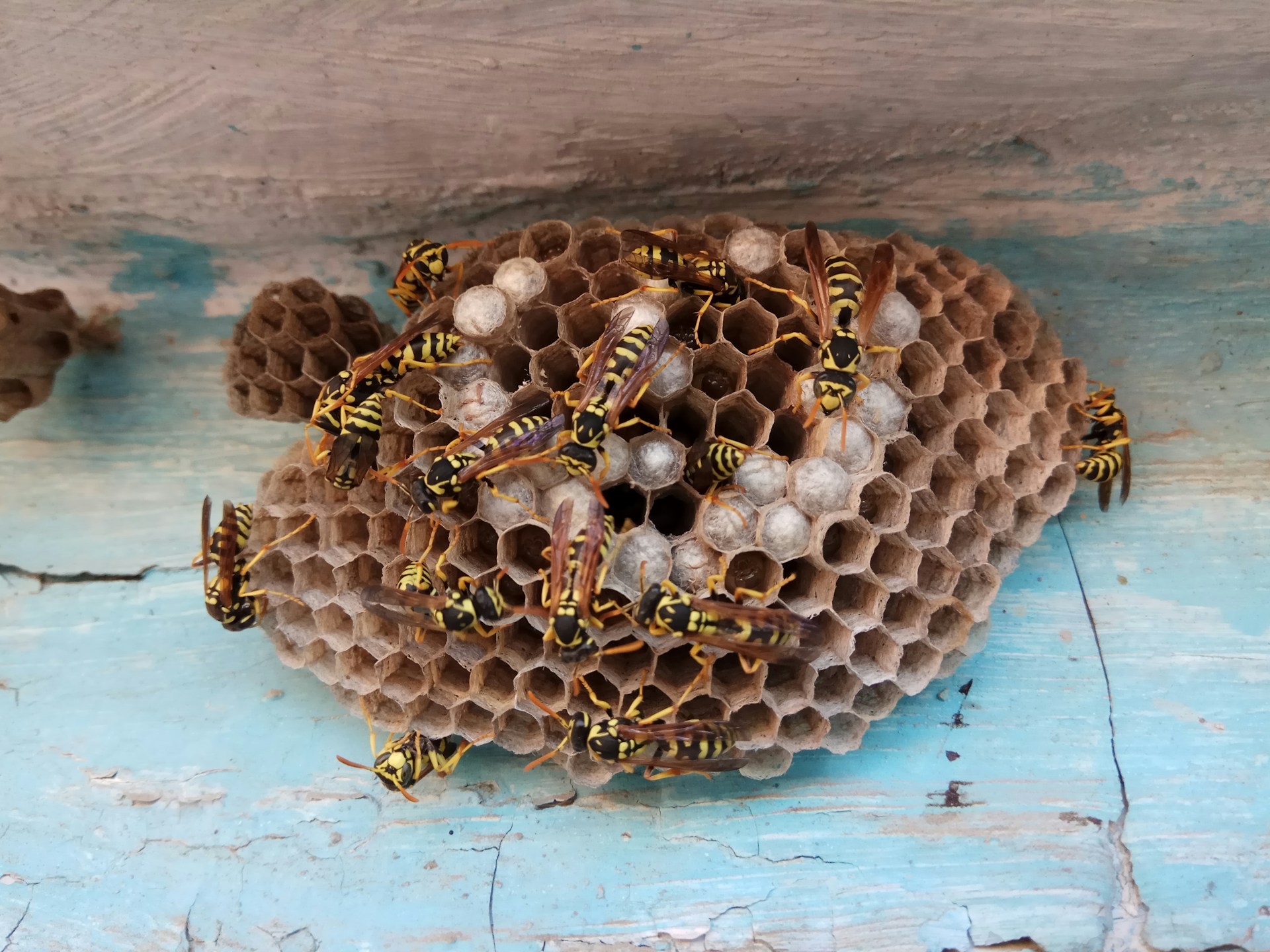
How to Get Rid of Flies and Wasps in Your Garden: UK Guide
Wasps peak in late summer as colonies max out and turn to scavenging, while flies breed fast around bins and fallen fruit all season - this guide covers prevention, physical control and when a chemical treatment is actually needed.

5 Bulbs you can grow in water in time for Christmas
Bringing indoor bulbs like hyacinth, paperwhite, and amaryllis in water enhances Christmas décor with fragrant and vibrant displays.
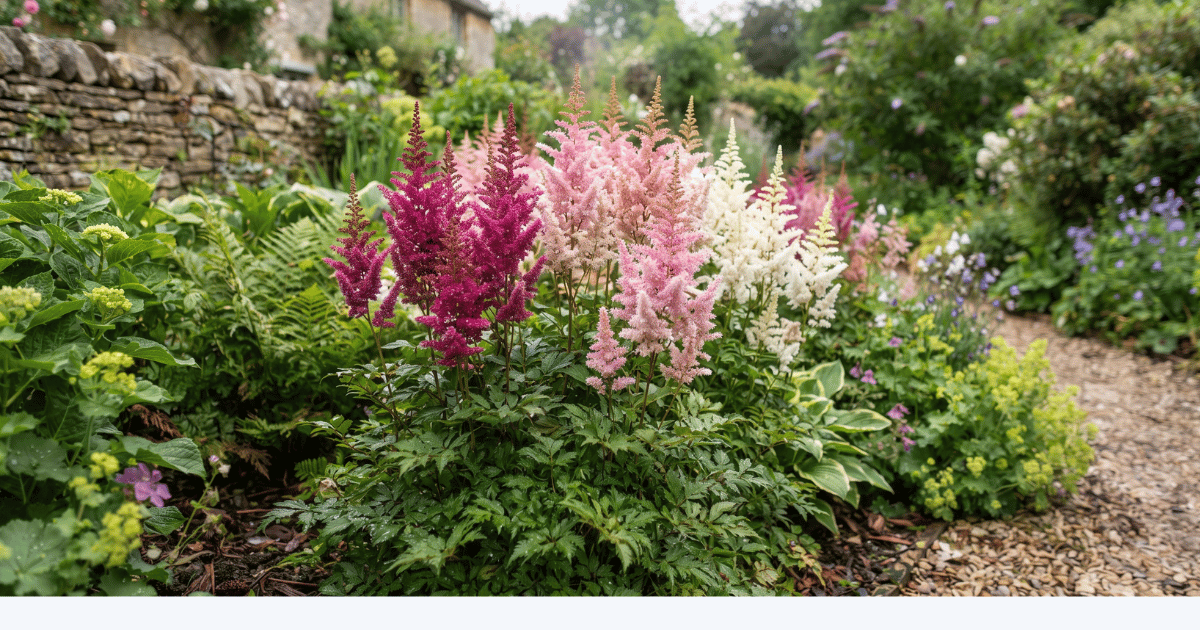
How to Grow Astilbe: Complete UK Care Guide
Astilbe brings feathery plumes of colour to moist, shady borders in summer, but needs consistently damp soil to prevent scorched, crispy foliage.