
Houseplant Care UK: The Ultimate Guide to Winter Survival
Discover how to keep your indoor plants thriving during British winters with our expert guide on light, humidity, and critical seasonal maintenance.
Key takeaways
- As winter tightens its grip across the UK, outdoor gardens fall dormant - but for indoor gardeners, the real challenge begins.
- UK winter days can offer as little as seven hours of weak, overcast daylight.
- Overwatering is the leading cause of houseplant failure in UK winters.
- While the UK climate is naturally humid outdoors, heated homes often fall below 20% humidity - far lower than most tropical plants require.
- Most houseplants thrive between 18°C and 24°C, but UK homes often experience sharp temperature fluctuations due to draughts and older construction.
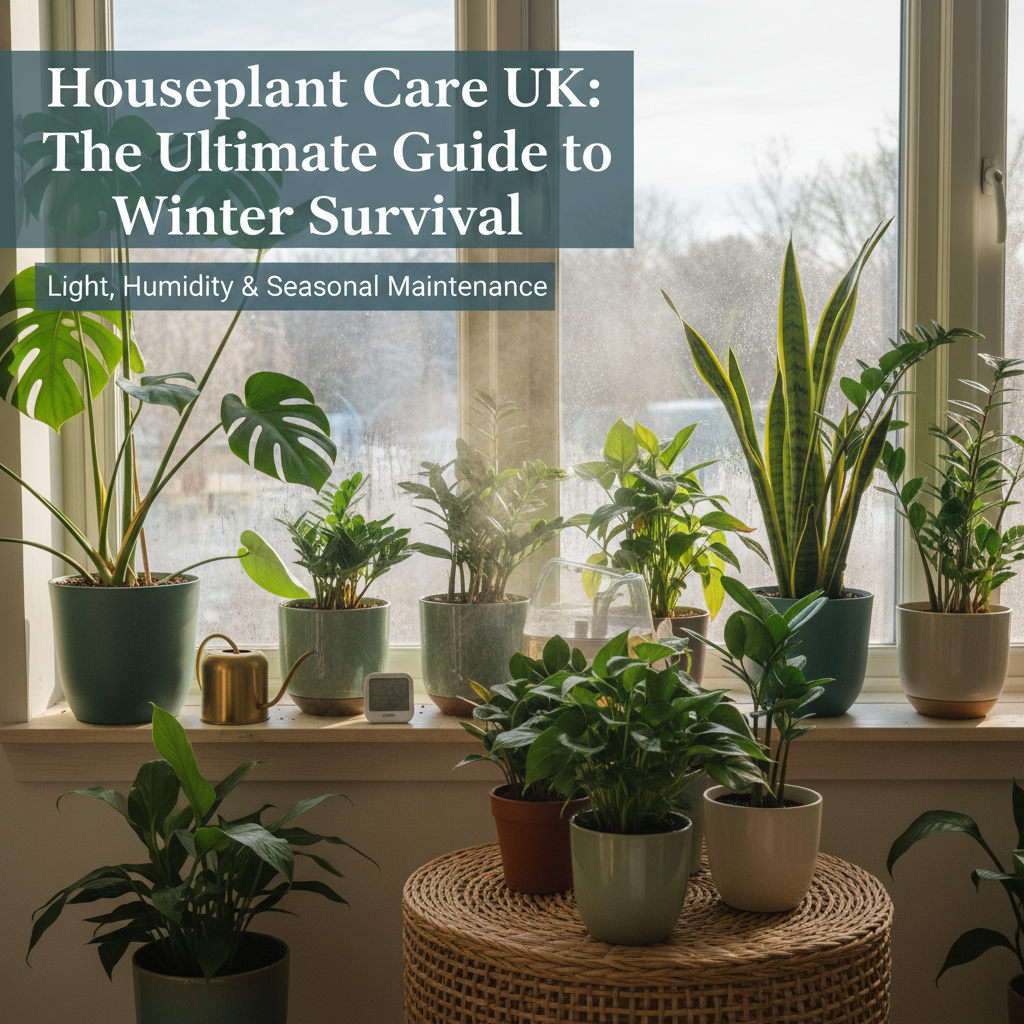
Navigating the Challenges of UK Winters Indoors
As winter tightens its grip across the UK, outdoor gardens fall dormant - but for indoor gardeners, the real challenge begins. British winters bring weak daylight, fluctuating temperatures from central heating, and the ever-present risk of overwatering during dormancy. Tropical houseplants, in particular, require thoughtful adjustments to survive and thrive indoors.
Maintaining a healthy indoor jungle throughout a grey January is entirely achievable with the right approach. This comprehensive guide explains how to adapt light, watering, humidity and temperature to ensure your houseplants remain stable through winter and burst into growth when spring returns.
The Winter Light Challenge: Maximising Every Ray
UK winter days can offer as little as seven hours of weak, overcast daylight. Plants accustomed to bright tropical conditions, such as Monstera deliciosa or Ficus lyrata, can quickly decline without intervention.
Relocate Plants for the Season
From late autumn through early spring, plant placement becomes critical. Plants that tolerate shade in summer may struggle in winter. Move houseplants closer to south-facing or west-facing windows wherever possible. Conservatories provide excellent daytime light, but plants must be protected from sharp overnight temperature drops.
Keep Foliage Clean
Dust reduces photosynthesis - a serious issue during low-light months. Wipe large-leaved plants regularly with a soft, damp cloth. Fine-leaved plants such as ferns benefit from an occasional lukewarm shower, which also helps raise humidity levels.
Use Supplemental Grow Lighting
For dark or north-facing homes, full-spectrum LED grow lights can make a significant difference. Modern grow bulbs fit standard lamps and provide balanced light without disrupting living spaces, making them ideal for winter plant care.
Mastering Winter Watering
Overwatering is the leading cause of houseplant failure in UK winters. Reduced growth, lower evaporation rates and cool compost create ideal conditions for root rot.
Trust the Finger Test
Avoid rigid watering schedules. Instead, insert your finger around 5cm into the compost. If it feels moist, delay watering. Succulents and cacti should dry out completely, while moisture-loving plants such as Calathea or peace lilies should be watered only once the surface compost has dried.
Use Room-Temperature Water
Cold tap water can shock tropical roots. During winter, allow water to stand overnight before use so it reaches room temperature.
Humidity: Beating Central Heating Dryness
While the UK climate is naturally humid outdoors, heated homes often fall below 20% humidity - far lower than most tropical plants require.
Group Plants Together
Grouping houseplants creates a localised humid microclimate through natural transpiration. This simple technique is highly effective and requires no additional equipment.
Pebble Trays and Humidifiers
Pebble trays filled with water increase humidity around plants without saturating roots. For larger collections or humidity-sensitive plants such as Alocasia or Philodendron, an ultrasonic humidifier provides the most consistent results.
Avoid Radiators
Never place plants near radiators or heat sources. Dry, rising heat causes leaf scorch and rapid dehydration, often doing more harm than cold conditions.
Temperature Stability and Draught Protection
Most houseplants thrive between 18°C and 24°C, but UK homes often experience sharp temperature fluctuations due to draughts and older construction.
Beware of Cold Window Sills
South-facing windows offer the best light but can become dangerously cold overnight. Prevent leaves from touching glass, and move plants slightly back from windows after sunset if temperatures drop sharply.
Maintain Consistent Conditions
Avoid hallways and doorways where plants experience sudden cold air blasts. Stability matters more than warmth during winter.
Feeding and Repotting: Pause for Winter
Most houseplants enter dormancy during winter and require minimal intervention.
Stop Feeding
Unless a plant is actively producing new growth, stop fertilising between November and February. Feeding dormant plants can lead to salt build-up and root damage.
Delay Repotting
Repotting should wait until late March when increasing daylight triggers growth. Roots recover slowly in winter, and unnecessary disturbance can cause decline.
Common Winter Pests Indoors
Dry indoor conditions encourage pests such as spider mites and fungus gnats.
Spider Mites
Spider mites thrive in warm, dry air. Look for fine webbing or speckled leaves. Increasing humidity is the most effective prevention, with insecticidal soap or neem oil used if infestations occur.
Fungus Gnats
Fungus gnats indicate excess moisture. Allow compost to dry more thoroughly and top pots with horticultural grit or sand to disrupt their breeding cycle.
Best Houseplants for UK Winter Conditions
- Aspidistra elatior (Cast Iron Plant): Tolerates low light, cold spells and neglect.
- Zamioculcas zamiifolia (ZZ Plant): Drought-tolerant and ideal for low-light homes.
- Chlorophytum comosum (Spider Plant): Hardy and excellent for improving indoor air quality.
- Epipremnum aureum (Pothos): Adaptable, forgiving and ideal for winter interiors.
Winter Checklist for UK Indoor Gardeners
October: Preparation
- Clean windows to maximise light levels
- Gradually reduce watering frequency
- Apply the final feed of the year
November to January: Maintenance
- Inspect plants weekly for pests
- Wipe leaves to improve photosynthesis
- Monitor humidity and temperature regularly
- Move plants away from cold spots
February to March: Reawakening
- Watch for signs of new growth
- Introduce light feeding gradually
- Plan repotting and propagation
Expert Tip: Learn to Observe
No two UK winters are the same. Yellowing leaves often signal excess water, while brown, crispy tips usually indicate low humidity. Observing subtle changes allows you to respond before serious damage occurs.
Winter indoor gardening in the UK is about protection, not growth. By carefully managing light, water and humidity, you can maintain healthy, resilient houseplants throughout the cold months. With patience and restraint, your indoor garden will be perfectly primed to flourish when the spring sun returns.
Tags
Comments
Join the conversation
Create a free account to leave comments, share photos, and connect with other gardeners.
Related Articles

Air Plants Guide: Growing Tillandsia in UK Homes
Master the art of growing air plants in the UK. Discover watering tips, lighting needs, and how to keep Tillandsia thriving through British winters.

How to Care for a Snake Plant: Complete UK Guide
Snake plants are one of the toughest houseplants around, tolerating low light and irregular watering while purifying indoor air.
How to Care for a Spider Plant: Complete UK Guide
Spider plants are cheerful, resilient houseplants that produce cascades of plantlets, making them ideal for beginners and easy propagation.
How to Care for Orchids: Complete UK Guide
Moth orchids are elegant, long-flowering houseplants that thrive in bark mix and bright, indirect light, often reflowering for years.
How to Care for a Peace Lily: Complete UK Guide
Peace lilies are elegant, forgiving houseplants that dramatically droop when thirsty, making them one of the easiest plants to read.
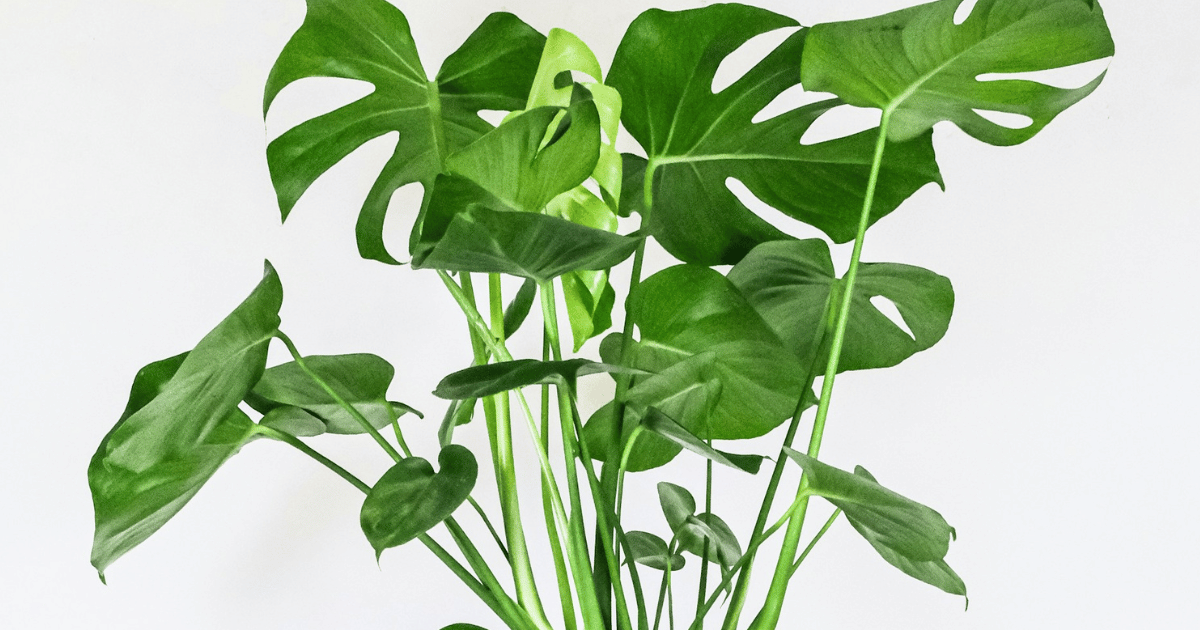
How to Care for Monstera: Complete UK Guide
Monstera deliciosa is a striking, easy-going houseplant that rewards bright, indirect light and consistent care with dramatic split leaves.