What Vegetables to Plant in Winter: The Ultimate UK Guide
Discover what vegetables to plant in winter in the UK. From garlic to broad beans, learn the best crops for cold weather and how to ensure a spring harvest.
Key takeaways
- Winter planting allows for earlier harvests—often three to four weeks ahead of spring-sown crops - while keeping beds productive during the quieter months.
- Garlic is one of the easiest and most reliable winter crops.
- In colder regions such as Northern England and Scotland, extra protection may be essential.
- On heavy clay soils, start onions and garlic in modules under cover, then transplant in February.
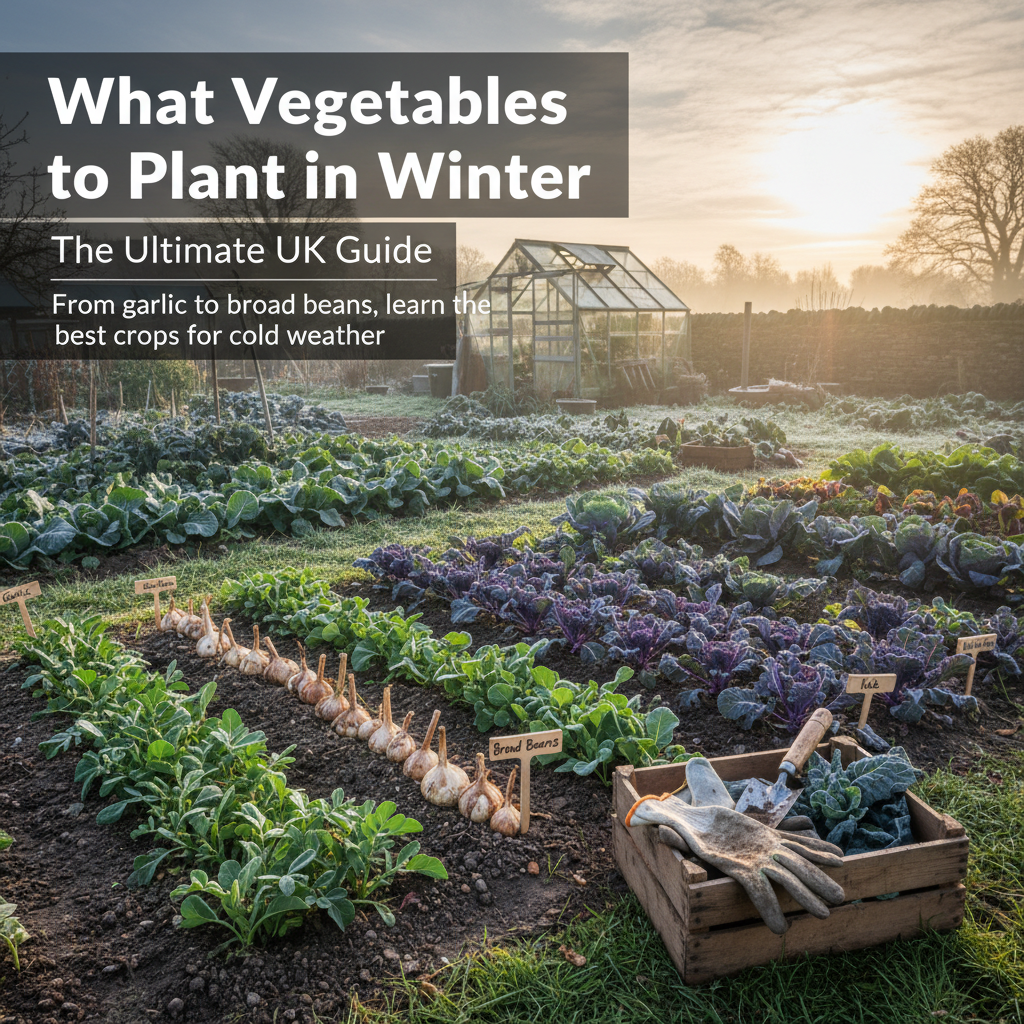
The best vegetables to plant in winter in the UK include garlic, broad beans (Aquadulce Claudia), shallots, and onions, all of which benefit from a period of cold dormancy. Between November and February, you can also sow hardy greens such as winter spinach and lamb’s lettuce under cover, or plant rhubarb and asparagus crowns while they are dormant.
Winter Planting at a Glance
- Best for direct sowing (Nov–Jan): Garlic, shallots, hardy broad beans.
- Best for under-cover sowing: Winter salads, spinach, kale.
- Best for perennial beds: Rhubarb, asparagus, fruit bushes.
- Key UK Timing: Plant before the ground freezes solid (late November) or during mild spells in early February.
- Soil Preparation: Ensure excellent drainage to prevent winter rot.
Why Should You Plant Vegetables in Winter?
Winter planting allows for earlier harvests—often three to four weeks ahead of spring-sown crops - while keeping beds productive during the quieter months. It also helps suppress weeds and maintain soil structure.
According to the Royal Horticultural Society (RHS), many hardy vegetables require vernalisation (a period of cold exposure) to form bulbs, split cloves, or flower successfully later in the season.
What Are the Best Vegetables to Plant in Winter in the UK?
1. Garlic (The Winter Must-Have)
Garlic is one of the easiest and most reliable winter crops. Plant between November and January to ensure proper bulb formation.
- Varieties: ‘Solent Wight’, ‘Picardy Wight’.
- Planting Tip: Space cloves 15cm apart and plant 2–5cm deep in free-draining soil.
2. Broad Beans
Hardy broad bean varieties can be sown in late autumn to overwinter, giving earlier harvests and reduced blackfly problems.
- Variety: ‘Aquadulce Claudia’.
- Timing: Sow in November for harvesting in May.
3. Shallots and Winter Onions
Autumn-planted onion and shallot sets are bred to tolerate frost and establish slowly over winter.
- Varieties: ‘Radar’ (onion), ‘Jermor’ (shallot).
- Tip: Plant firmly to prevent birds pulling out the shoots.
4. Asparagus and Rhubarb
Plant crowns during dormancy (November–March) to allow strong root establishment before spring growth.
- Asparagus: ‘Gijnlim’.
- Rhubarb: ‘Victoria’, ‘Timperley Early’.
Comparison: Indoor vs Outdoor Winter Sowing
| Vegetable | Sowing Location | Best Month (UK) | Harvest Time |
|---|---|---|---|
| Garlic | Outdoor | Nov–Jan | June–July |
| Broad Beans | Outdoor | Oct–Nov | May |
| Winter Spinach | Under cover | Oct–Feb | Mar–May |
| Lamb’s Lettuce | Under cover | Nov–Jan | Feb–April |
| Onion Sets | Outdoor | Oct–Nov | June |
How to Prepare Your Soil for Winter Planting
- Improve Drainage: Add organic matter or horticultural grit.
- Use Raised Beds: Faster drainage and earlier spring warming.
- Check pH: Aim for neutral soil (pH 6.0–7.0).
- Clear Debris: Remove old crops to reduce slug habitats.
When Should You Use Protection (Cloches and Cold Frames)?
In colder regions such as Northern England and Scotland, extra protection may be essential.
- Cloches: Raise temperatures by 2–5°C for salads and spinach.
- Horticultural Fleece: Double layers (17–30gsm) protect against severe cold snaps.
Step-by-Step Guide: Planting Garlic in December
- Select the sunniest available site.
- Split bulbs into cloves just before planting.
- Plant cloves point-up, about 10cm deep.
- Space 15cm apart with 30cm between rows.
- Mulch lightly with leaf mould or bark.
Common Challenges and How to Overcome Them
1. Waterlogging
On heavy clay soils, start onions and garlic in modules under cover, then transplant in February.
2. Pests (Pigeons and Slugs)
Use netting against birds and monitor winter salads during mild, damp spells for slug activity.
3. Frost Heave
After freezes, gently press exposed bulbs back into the soil.
Expert Tips for a Successful Winter Harvest
- Avoid Soil Compaction: Never walk on frozen or waterlogged beds.
- Choose the Right Varieties: Avoid supermarket garlic; use certified UK stock.
- Watering: Usually unnecessary outdoors, but check under cover weekly.
Key Winter Tasks
- December: Plant garlic and shallots; prune fruit trees.
- January: Sow winter salads under cover; plan crop rotation.
- February: Plant rhubarb and asparagus crowns; chit early potatoes.
By selecting suitable varieties and protecting soil from excess moisture, you can keep your garden productive throughout winter. The “plant in winter, eat in spring” approach is key to a successful UK kitchen garden.
Frequently Asked Questions
Can you plant vegetables in frozen ground?
What is the hardiest vegetable to grow in the UK?
Do I need a greenhouse for winter gardening?
When is the latest you can plant garlic in the UK?
Should I fertilise winter vegetables?
Tags
Comments
Join the conversation
Create a free account to leave comments, share photos, and connect with other gardeners.