
JCB Tools WP80T Trash Water Pump Review (JCB-WP80T)
JCB-WP80T review: 1000L/min 3" trash pump handling 25.4mm solids. The JCB pump for dirty water & floods. Full verdict: 4.6/5.
Key takeaways
- Quick Answer: The JCB-WP80T (£259.99) is a 3-inch/80mm petrol trash pump — the only pump in JCB's range designed for genuinely dirty water.
- The WP80T is the flagship of JCB's three-model petrol pump range , sold via jcb-tools.co.uk (JCB Tools equipment is produced under licence by Genpower Ltd of Pembroke Dock — see all our JCB Tools reviews ).
- Note: JCB's product page is inconsistent on head, quoting both 25m and 28m in different places; the specification table states 25m, which we use here.
- At 1,000 litres per minute the WP80T posts the highest flow figure in the JCB range - a full 60 cubic metres per hour at zero head.
- The component set is the range's familiar, reassuring one: cast iron impeller, aluminium housing, heavy-duty nylon braided recoil cord, low-oil warning system.
Our Rating
JCB Tools WP80T Trash Water Pump Review (JCB-WP80T)
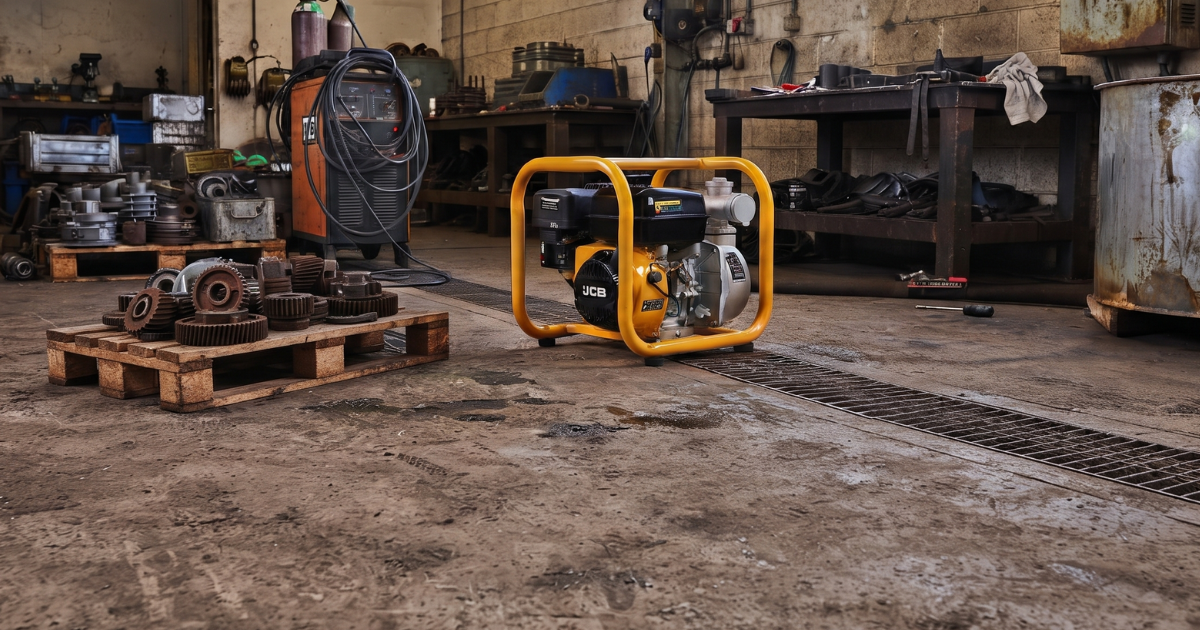
JCB-WP80T Review: The Petrol Trash Pump Built for Water You Can't See Through
Quick Answer: The JCB-WP80T (£259.99) is a 3-inch/80mm petrol trash pump — the only pump in JCB's range designed for genuinely dirty water. It moves up to 1,000 litres per minute (60 m³/h) and passes solids up to 25.4mm, making it the right tool for flooded excavations, storm debris, muddy site water and agricultural clean-up. Powered by the same 7.5hp 224cc 4-stroke engine as its siblings, it trades some head (25m total) and weight (35kg) for that debris tolerance. If your water might contain anything bigger than a pea, this is the JCB pump to buy. Our rating: 4.6/5.
What Is the JCB-WP80T - and What Makes a Trash Pump Different?
The WP80T is the flagship of JCB's three-model petrol pump range, sold via jcb-tools.co.uk (JCB Tools equipment is produced under licence by Genpower Ltd of Pembroke Dock — see all our JCB Tools reviews). Mechanically it is close kin to the clean water WP80 - same 224cc single-cylinder OHV air-cooled engine, same recoil start, same aluminium housing with cast iron impeller, same 32mm tubular steel open frame. The “T” is what you are paying £45 extra for.
A trash pump is built with wider internal clearances and a more open impeller design so that solids pass through rather than jamming or chewing up the works. Where the WP50 and WP80 choke on anything over 5mm, the WP80T swallows solids up to 25.4mm - a shade over an inch. That is the difference between a pump that handles “slightly cloudy” and one that handles the grey-brown soup that actually comes out of a flooded trench: gravel, twigs, leaf litter, lumps of mud. Real-world flood and site water is rarely clean, which is why for many buyers the trash pump is the sensible default rather than the specialist option.
Key Specifications
| Engine | JCB 224cc single-cylinder, 4-stroke, OHV, air-cooled, 7.5hp |
| Max flow rate | 1,000 L/min (60 m³/h) at zero head |
| Inlet / outlet | 3″ / 80mm |
| Total head / suction lift | 25m / 7m |
| Max solids | 25.4mm (trash / dirty water pump) |
| Impeller / housing | Cast iron / aluminium |
| Fuel / runtime | 3.6L unleaded (E10 95 RON), approx. 2 hours |
| Start method | Recoil, nylon braided cord |
| Net weight | 35kg (41kg gross) |
| Noise level | 104dB |
| Warranty | 3 years (JCB platinum, terms apply) |
| Price | £259.99 inc. VAT |
Note: JCB's product page is inconsistent on head, quoting both 25m and 28m in different places; the specification table states 25m, which we use here.
Performance: Maximum Flow, Maximum Forgiveness
At 1,000 litres per minute the WP80T posts the highest flow figure in the JCB range - a full 60 cubic metres per hour at zero head. For context, that is a tonne of water every minute. Flooded cellars, waterlogged excavations, overflowing lagoons and storm-hit yards are all firmly within its remit, and the ability to run mains-free for two hours per tank is exactly what flood response demands, since floods and power cuts tend to arrive together.
The 25.4mm solids rating is the real headline, though. It transforms the risk calculation on any job where you cannot guarantee water quality - which, on a working site or in a flood, is every job. Standard dewatering water laced with mud, silt, gravel and organic debris passes straight through where it would jam a clean water pump.
Two sensible caveats: a trash pump is not a slurry or sewage pump, and JCB still recommends a suction strainer to catch anything over the limit - 25.4mm is generous, but a fist-sized stone will still ruin your afternoon.
The compromises are modest. Total head drops to 25m (versus 28m on the WP80 and 32m on the WP50), a consequence of those open internal passages, and as ever quoted flow is at zero head with a 7m suction lift ceiling. For horizontal or gently lifted dewatering, the vast majority of trash pump work, the difference is academic.
Build, Portability and Living With It
At 35kg net the WP80T is comfortably the heaviest pump in the range — the beefed-up pump end accounts for the extra 8kg over the WP80, and while the tubular steel frame provides good handholds, this is realistically a two-person carry or a wheelbarrow job over any distance. The component set is the range's familiar, reassuring one: cast iron impeller, aluminium housing, heavy-duty nylon braided recoil cord, low-oil warning system.
Ownership admin is identical to its siblings. The sump ships empty, add 600ml of SAE30 or 15W40 before first start or void the warranty. Use fresh E10 (95 RON) with stabiliser, within 30 days, and never store fuel in the tank beyond four weeks; run the carb dry before it goes in the shed. And bring ear defenders: 104dB is chainsaw-loud.
Pros and Cons
✓ Pros
- Handles solids up to 25.4mm — the only true dirty water pump in the range
- Highest flow of the three at 1,000 L/min (60 m³/h)
- Ideal for flood response — petrol power needs no mains supply
- Cast iron impeller and heavy-duty steel frame
- 3-year platinum warranty and low-oil protection
- ~2-hour runtime from the 3.6L tank
✗ Cons
- Heaviest of the range at 35kg — awkward solo carry
- Lowest total head (25m) of the three pumps
- £45–£60 premium over the clean water models
- Very loud at 104dB
- 3″ hoses and strainer not included
Who Should Buy the JCB-WP80T?
Buy it if there is any realistic chance your water will carry debris: contractors dewatering excavations, farmers dealing with ditches and yards, property owners in flood-prone areas, hire-fleet buyers who cannot control what customers put through a pump. The £45 premium over the WP80 is cheap insurance against a wrecked impeller. Skip it only if you are certain your work is clean water - irrigation, tank transfer, pool draining - where the lighter, higher-head WP50 or higher-value WP80 fit better. Our JCB water pumps buying guide compares all three in detail.
Our Verdict: 4.6/5
The most capable and most forgiving pump JCB makes, and the one we would point most site and flood-response buyers towards. The weight and modest head are honest trash-pump trade-offs; the debris tolerance is what you are really buying, and at £259.99 it is keenly priced for a branded 3-inch trash pump with a 3-year warranty.
Price: £259.99 inc. VAT at jcb-tools.co.uk
Related reading: JCB Water Pumps Buying Guide · JCB-WP50 Review · JCB-WP80 Review · All Water Pump Reviews · All JCB Tools Reviews
By Jim Fellows, Garden Machinery Specialist · Updated July 2026
How we review: this review is based on detailed research of manufacturer specifications, the official product manual and owner feedback — and hands-on expert testing. Garden Review may earn a commission from links on this page, at no cost to you.
Frequently Asked Questions: JCB Tools WP80T Trash Water Pump Review (JCB-WP80T)
What size solids can the JCB-WP80T handle?
Is the JCB-WP80T worth £45 more than the WP80?
Can the JCB-WP80T be used for flood water?
How heavy is the JCB-WP80T?
Tags
Comments
Join the conversation
Create a free account to leave comments, share photos, and connect with other gardeners.
Related Articles
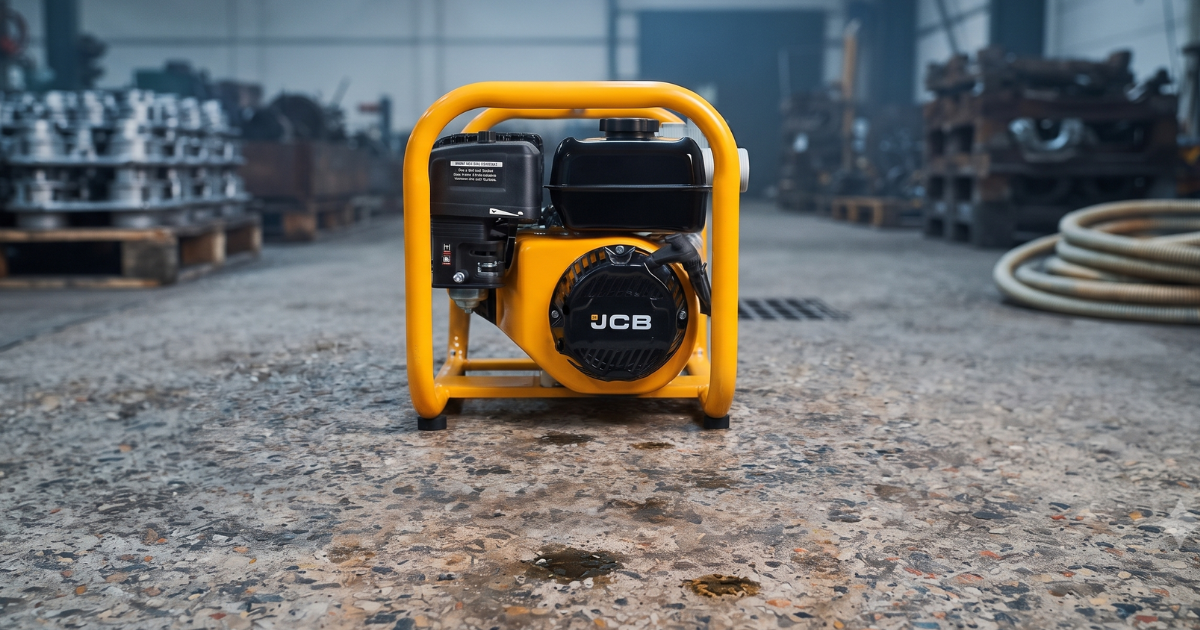
JCB Tools WP80 Petrol Water Pump Review 2026 (JCB-WP80)
JCB-WP80 review: 966L/min 3" petrol water pump, the value pick for site dewatering. Full specs, pros & cons and verdict. 4.5/5.

Limited Edition Aston Martin F1 and JCB Roller Tools Cabinet | British Engineering Excellence
In a world where craftsmanship and innovation go hand in hand, two of Britain’s most distinguished engineering giants, Aston Martin Formula One® Team and JCB Tools UK, have joined forces to create a tool storage solution that sets new standards in design, durability, and desirability. Launched in August 2024, the Limited Edition Aston Martin F1 […]
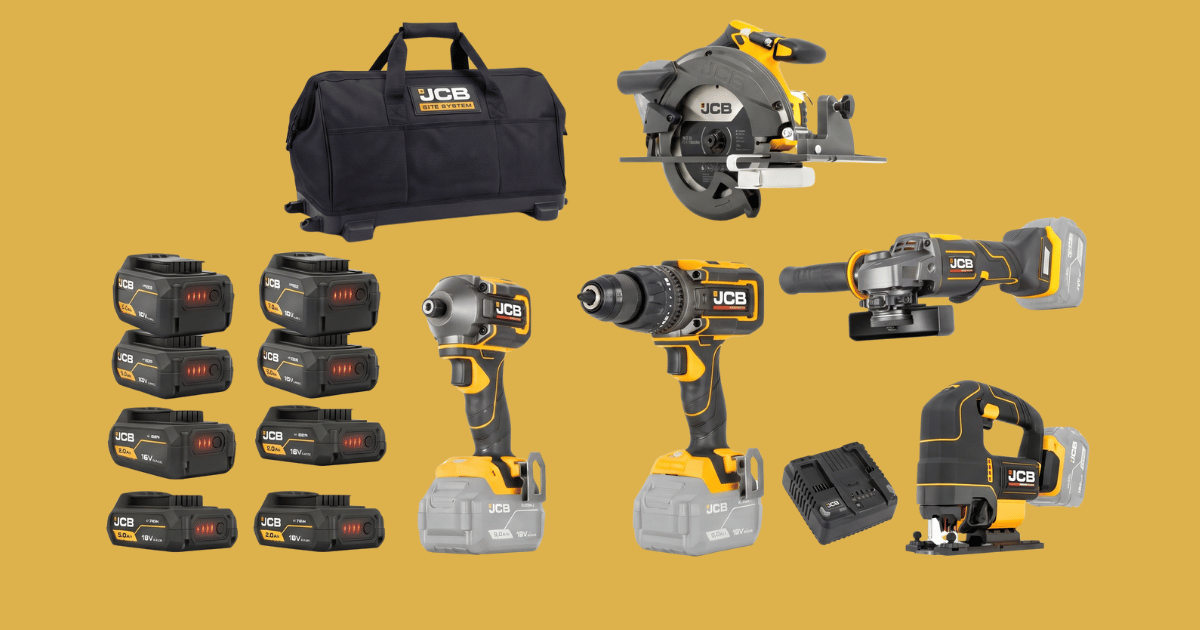
JCB 18V 5-Piece Pro Kit Review (JCB-18PKIT-8): Is £549.99 Good Value in 2026?
A detailed UK review of the JCB 18V 5-Piece Pro Kit (JCB-18PKIT-8) — five brushless tools, four E-TECH batteries and a dual fast charger for £549.99. We break down the cost per tool, the specs that matter, and who should buy it.
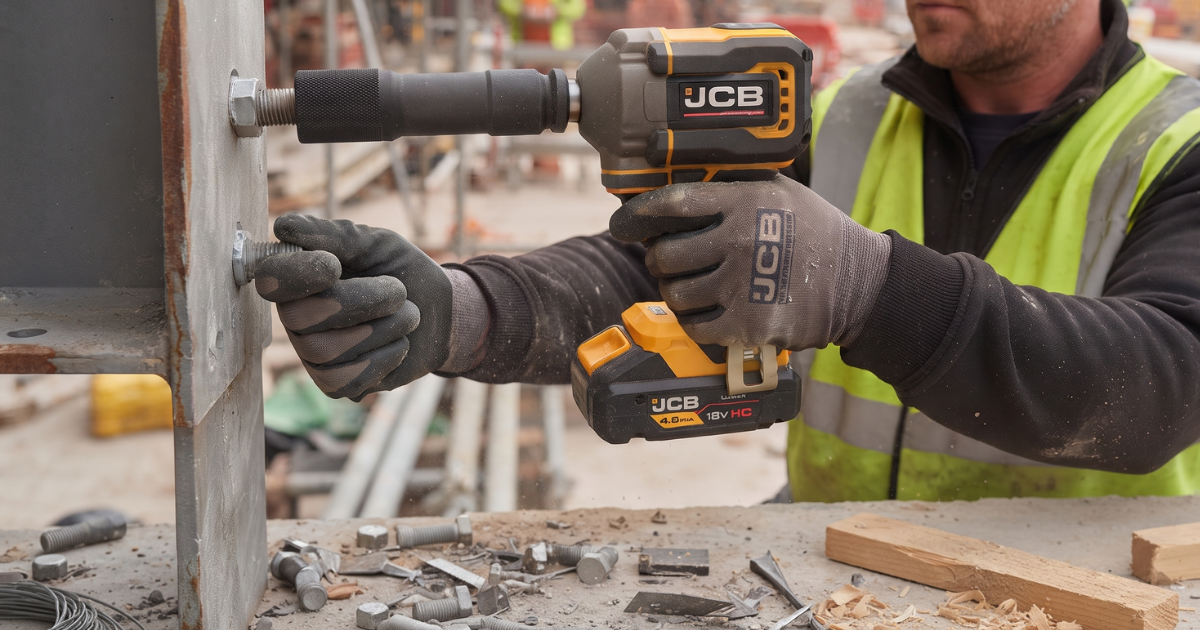
JCB Tools 18V 350nm Brushless Impact Wrench Review (JCB-18PIW-350) What's the verdict?
JCB 18V impact wrench review: 350Nm nut-busting torque, brushless motor, 3-year warranty for £89.99. Mark Moore rates the JCB-18PIW-350 4.4/5 for 2026.
JCB-IG2000 2kW Inverter Generator Review
The JCB-IG2000 is JCB Tools' entry-level 2kW inverter generator - £549, 18kg and rated at 58 dB(A). Is it worth it for camping and light caravan use?
JCB vs Altrad Belle: Which Cement Mixers Truly Deliver for Professional Site Use?
Compare JCB vs Altrad Belle cement mixers for pro sites — performance, durability and value insights to help contractors pick the right heavy-duty mixer.