
How to Grow Echinacea: Complete UK Care Guide
Echinacea, or coneflower, brings bold prairie colour to borders from midsummer into autumn, provided it has sun and sharply drained soil.
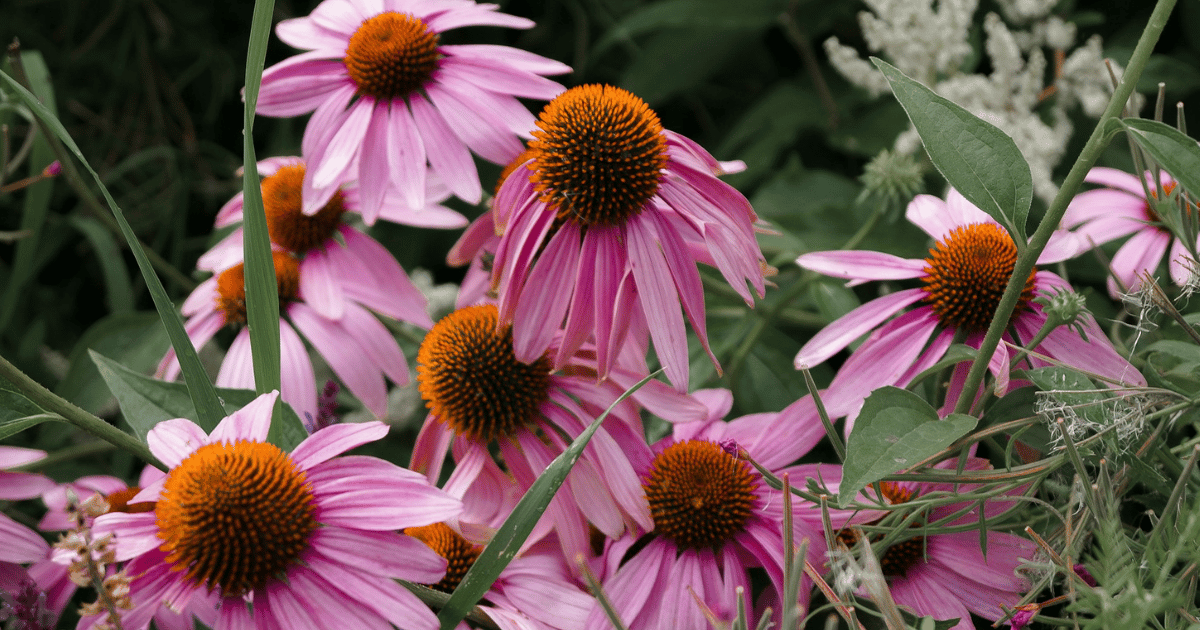
Echinacea, commonly known as coneflower, is a sun-loving prairie perennial prized for its daisy-like flowers with raised central cones, flowering from midsummer through to early autumn. Success in UK gardens depends on sharp drainage and full sun; the biggest cause of failure is wet winter soil rather than cold. Grown well among ornamental grasses in a prairie-style border, echinacea offers months of colour and valuable late-season nectar for pollinators.
Key takeaways
- Echinacea needs full sun and free-draining soil; winter wet, not cold, is the main killer.
- Improve heavy clay with grit or plant in raised beds to prevent crown rot.
- Leave seedheads over winter for structure and birds, then cut back in late winter.
- Divide congested clumps in spring every three to four years to keep plants vigorous.
- Combine with grasses such as Miscanthus or Stipa for an authentic prairie planting style.
| Attribute | Detail |
|---|---|
| Botanical name | Echinacea purpurea and hybrids |
| Plant type | Herbaceous perennial |
| Height & spread | 60cm–1.2m tall, 40–50cm spread |
| Hardiness | RHS H5 (hardy in most UK regions) |
| Position | Full sun |
| Soil | Free-draining, moderately fertile, neutral to slightly alkaline |
| Flowering period | July to September |
| Difficulty | Moderate |
Choosing varieties
Species Echinacea purpurea is the most reliably perennial choice, while some of the brightly coloured modern hybrids can be shorter-lived. Choose a mix for continuity of colour and resilience.
| Variety | Flower colour | Height | Notes |
|---|---|---|---|
| Echinacea purpurea 'Magnus' | Rich pink-purple | 90cm | Reliable, sturdy, good garden performer |
| Echinacea 'White Swan' | White with orange cone | 60cm | Compact, good for smaller borders |
| Echinacea 'Sunrise' | Pale yellow | 75cm | Softer prairie colour palette |
| Echinacea 'Rubinstern' (Ruby Star) | Deep red-pink | 80cm | Long flowering, popular with pollinators |
| Echinacea paradoxa | Yellow | 90cm | Species form, drought tolerant |
Where and when to plant
Plant echinacea in spring once the soil has warmed, giving roots the growing season to establish before winter. Choose an open, sunny site away from overhanging trees, ideally in a border inspired by prairie or naturalistic planting styles alongside grasses and other late-summer perennials. Avoid low-lying spots where water collects after rain. For more inspiration on combining perennials, see our guide to grow guides and flowers.
How to plant echinacea
- Dig a planting hole twice the width of the root ball, in a sunny, free-draining spot.
- Fork in horticultural grit or coarse sand if your soil is heavy clay.
- Add a little well-rotted compost, but avoid overly rich soil which encourages floppy growth.
- Position the plant so the crown sits level with the soil surface.
- Backfill, firm gently and water thoroughly to settle the roots.
- Space plants 40–50cm apart to allow good air circulation.
Watering and feeding
Water regularly during the first growing season to help plants establish, then only in prolonged dry spells once mature, as echinacea tolerates drought better than wet feet. Apply a light spring mulch of well-rotted compost rather than a rich feed; too much nitrogen produces soft, floppy stems and fewer flowers.
Cutting back and deadheading
Deadhead regularly through summer to encourage further flushes of flowers, cutting stems back to just above a leaf joint. In autumn, leave the last flowers to form seedheads, which provide winter structure and food for goldfinches. Cut old growth down to ground level in late winter, just before new shoots emerge.
Dividing and propagation
Divide congested clumps every three to four years in spring, lifting the plant and splitting the crown into sections with a spade or hand fork, each with healthy roots and shoots. Replant divisions promptly at the same depth. Echinacea can also be raised from seed sown in spring; many varieties germinate better after a few weeks of cold stratification in the fridge.
Growing in pots
Echinacea can be grown in large containers of at least 30cm diameter, using a peat-free, loam-based compost with added grit for extra drainage. Raise pots on feet in winter to stop the compost becoming waterlogged, and move to a sheltered spot in hard frosts, since container-grown roots are more exposed to cold.
Common problems
| Problem | Symptom | Fix |
|---|---|---|
| Crown rot | Blackened, mushy base in winter | Improve drainage, avoid winter waterlogging, raise beds if necessary |
| Powdery mildew | White powdery coating on leaves | Improve air circulation, avoid overhead watering, remove affected leaves |
| Slugs and snails | Ragged holes in young leaves | Protect young plants, use barriers or torchlight removal at night |
| Aphids | Clusters on new shoots and buds | Encourage ladybirds, wash off with water, avoid excess nitrogen feed |
Month-by-month care calendar
| Month | Task |
|---|---|
| March | Cut back old stems if not already done; divide congested clumps |
| April | Plant new echinacea; sow seed under cover |
| May | Water new plantings; watch for slug damage |
| June | Support tall varieties if needed; begin deadheading |
| July | Peak flowering; deadhead regularly |
| August | Continue deadheading; water in dry spells |
| September | Allow late flowers to set seed for birds |
| October | Leave seedheads standing for winter interest |
| November | Improve drainage on wet sites ahead of winter |
| December | Avoid treading on dormant crowns |
| January | Plan new plantings and order varieties |
| February | Prepare beds; add grit to heavy soil |
Echinacea FAQs
Why does my echinacea keep dying over winter?
Is echinacea a perennial in the UK?
Should I cut echinacea back in autumn?
Can echinacea be grown from seed?
Why is my echinacea flopping over?
Do echinacea attract pollinators?
Tags
Comments
Join the conversation
Create a free account to leave comments, share photos, and connect with other gardeners.
Related Articles
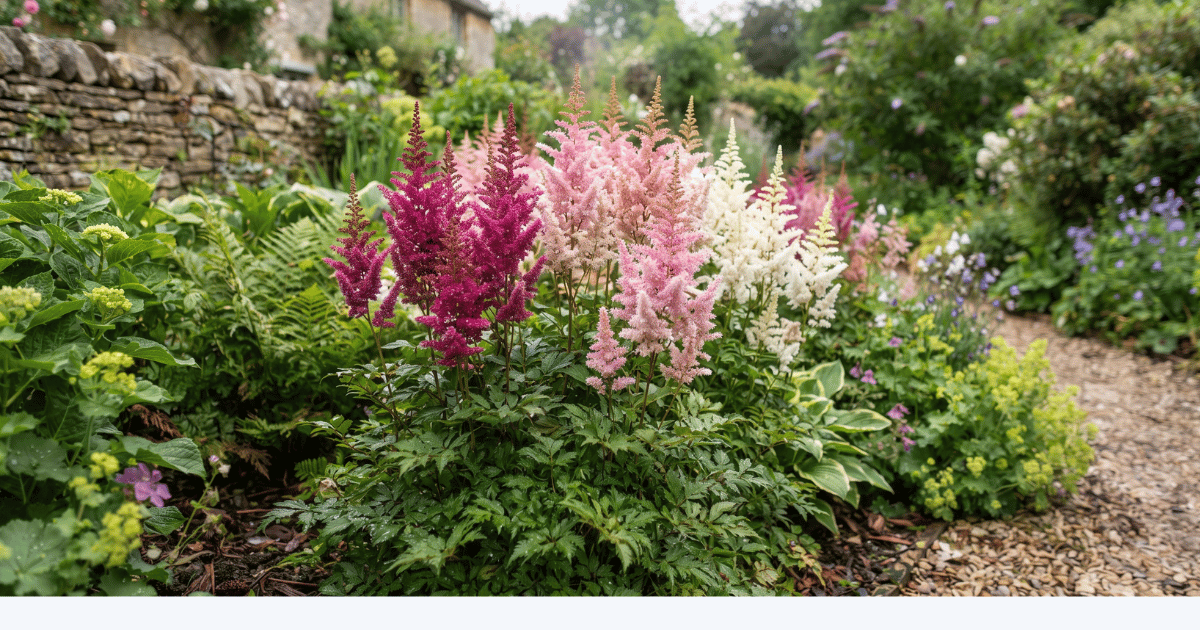
How to Grow Astilbe: Complete UK Care Guide
Astilbe brings feathery plumes of colour to moist, shady borders in summer, but needs consistently damp soil to prevent scorched, crispy foliage.
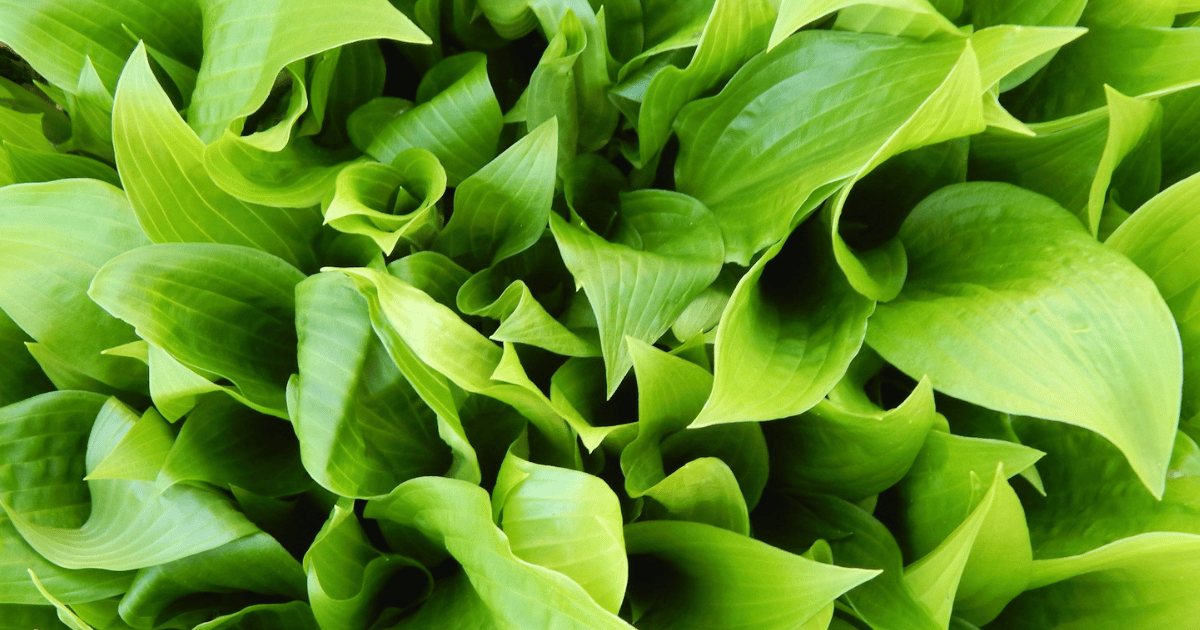
How to Grow Hostas: Complete UK Care Guide
Hostas are among the best foliage perennials for shady UK gardens, but slugs and snails mean choosing the right variety and site is essential for success.
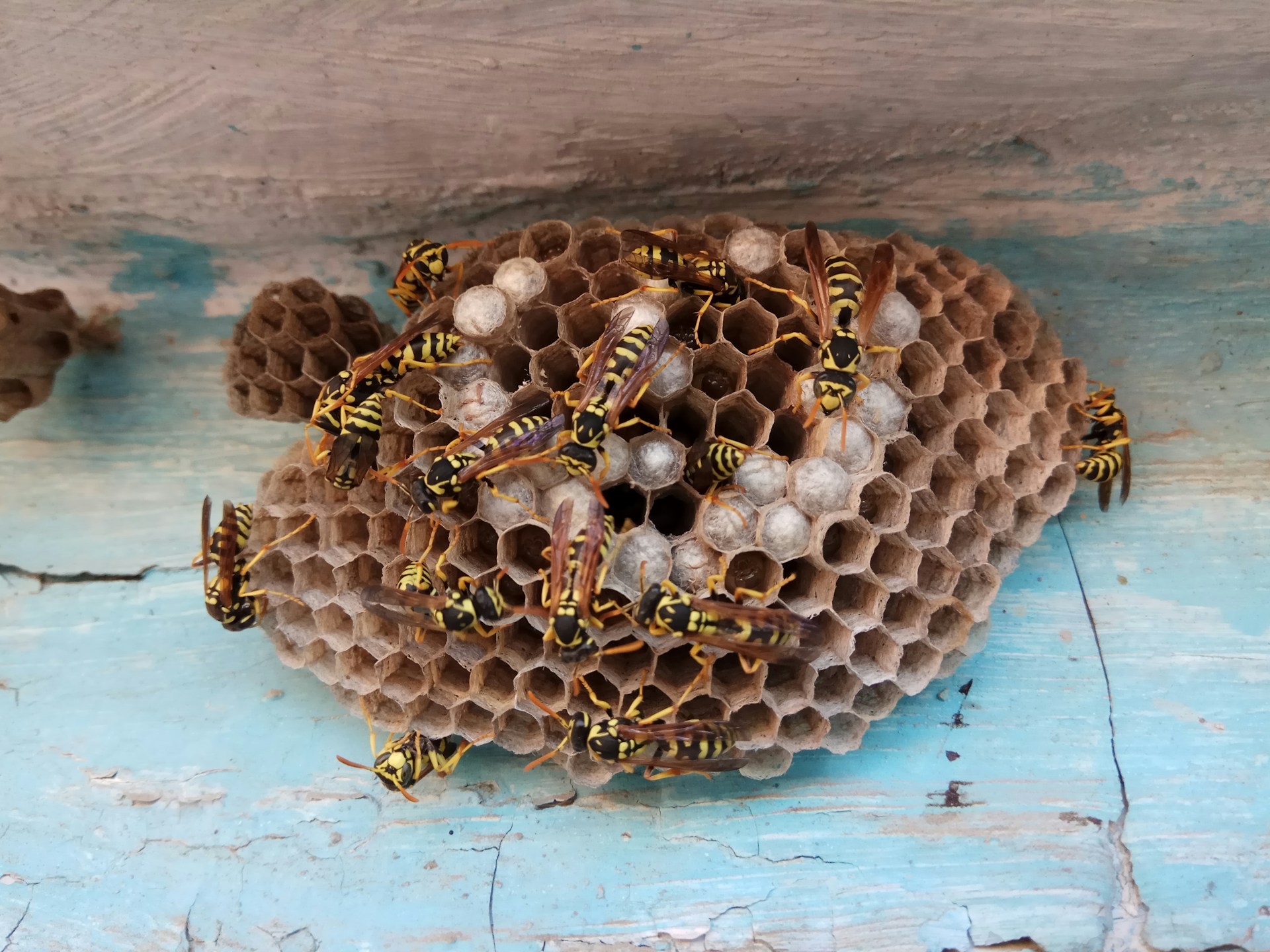
How to Get Rid of Flies and Wasps in Your Garden: UK Guide
Wasps peak in late summer as colonies max out and turn to scavenging, while flies breed fast around bins and fallen fruit all season - this guide covers prevention, physical control and when a chemical treatment is actually needed.

How to Care for a Snake Plant: Complete UK Guide
Snake plants are one of the toughest houseplants around, tolerating low light and irregular watering while purifying indoor air.
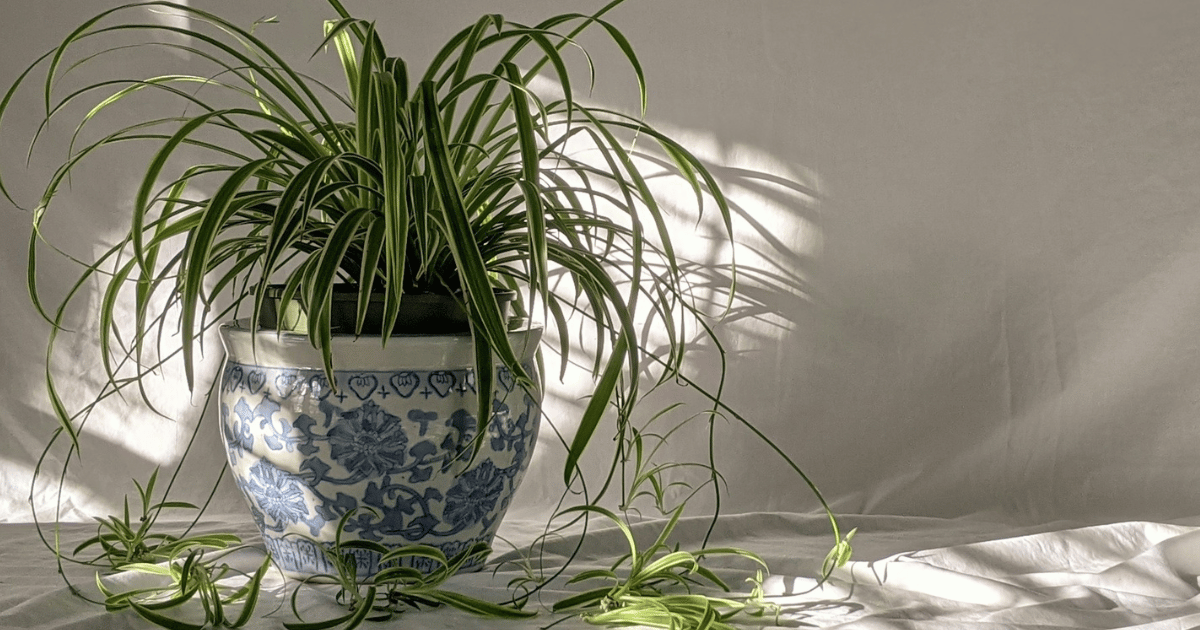
How to Care for a Spider Plant: Complete UK Guide
Spider plants are cheerful, resilient houseplants that produce cascades of plantlets, making them ideal for beginners and easy propagation.
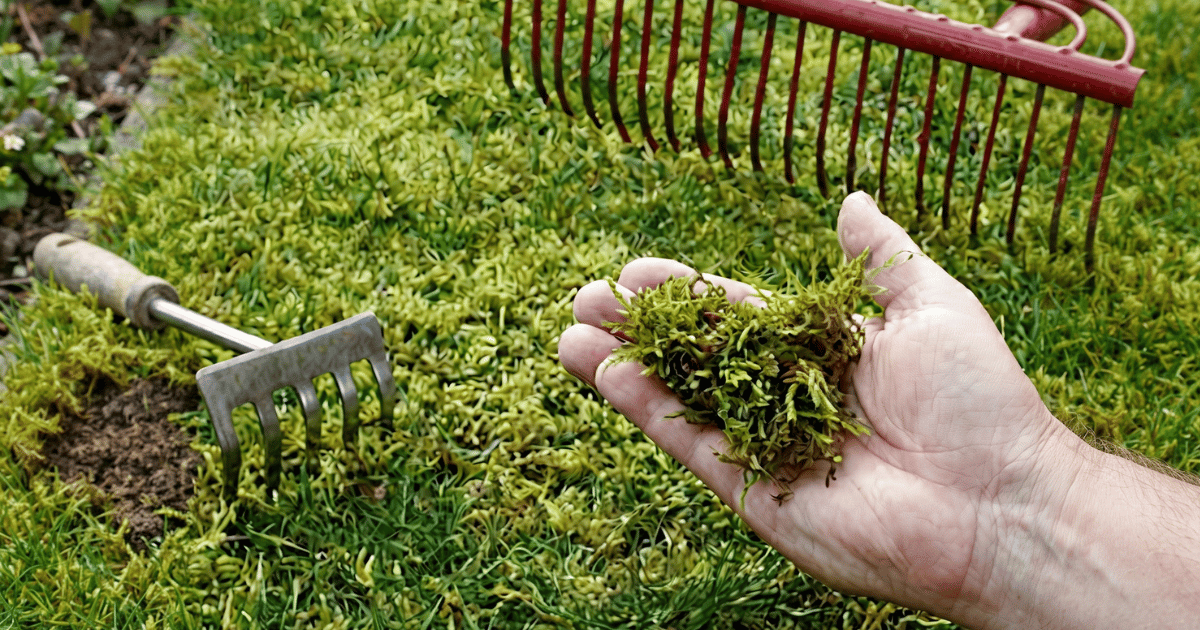
How to Get Rid of Moss in Your Lawn: UK Guide
Moss thrives in compacted, shaded or poorly drained UK lawns, and lasting control means combining scarifying and iron sulphate treatment with fixing the underlying drainage, shade and fertility issues.