
Mastering Runner Beans: Grow a Bumper Crop in the UK
Learn how to grow heavy crops of runner beans in your UK garden with our expert guide on sowing, support structures, and maximizing your summer harvest.
Key takeaways
- Runner beans thrive in the cooler, damper summers typical of Britain.
- Timing is crucial, as runner beans are highly sensitive to frost.
- Runner beans thrive in nutrient-rich, moisture-retentive soil.
- Runner beans can grow over 2.5 metres tall, so sturdy supports are essential: Strong and ideal for windy allotments using bamboo canes and a crossbar.
- Protect young plants from slugs using organic methods such as pellets or beer traps.
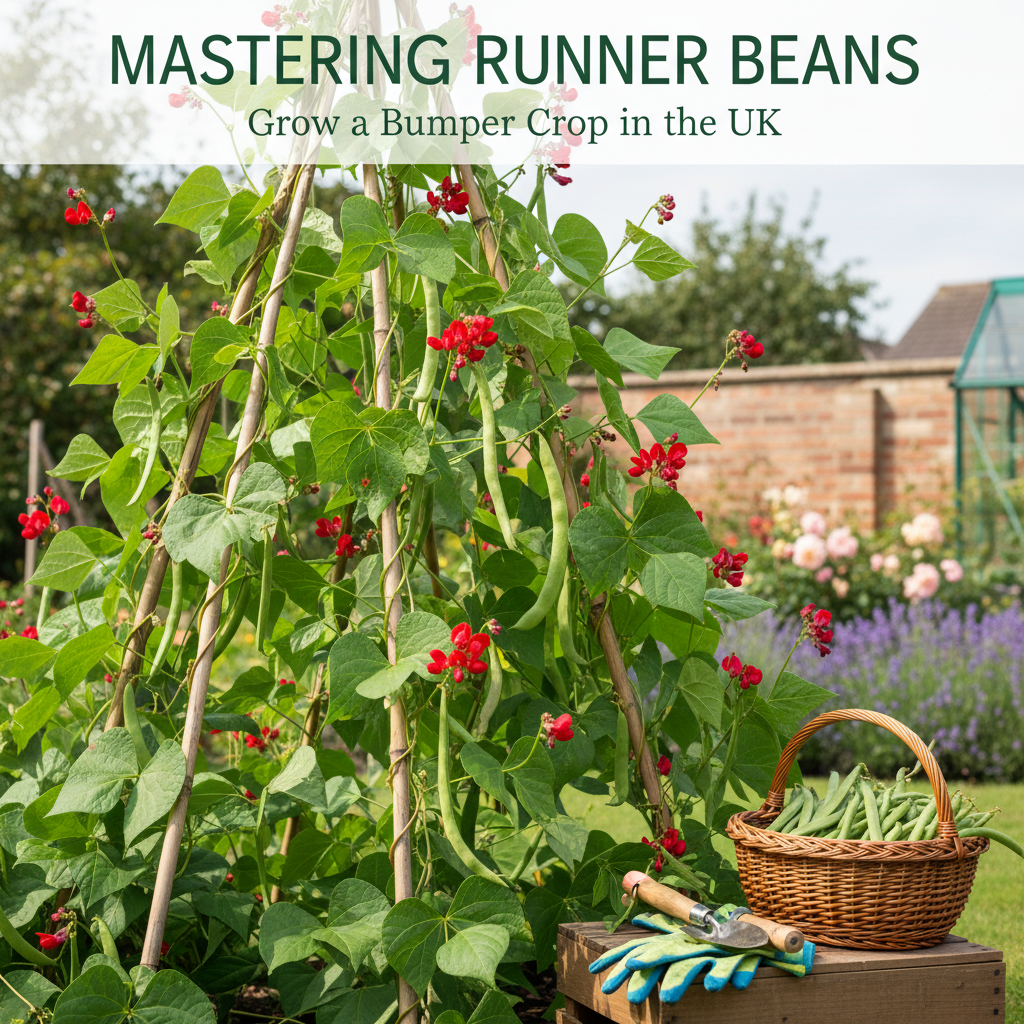
Runner beans (Phaseolus coccineus) are a staple of the British kitchen garden, offering both beauty and productivity.
Not only are runner beans prolific producers of delicious, crunchy pods, but their vibrant scarlet or white flowers also add ornamental value to any vegetable patch or allotment.
In the UK, the temperate yet unpredictable climate is ideal for growing runner beans—provided you wait for the soil to warm. Whether you're a seasoned allotment gardener or a beginner with limited space, this guide covers everything you need to grow a prize-winning crop.
Why Grow Runner Beans in the UK?
Runner beans thrive in the cooler, damper summers typical of Britain. As vertical growers, they are perfect for small gardens, patios, and raised beds.
- ✅ Excellent for small spaces due to vertical growth
- ✅ High-yielding and easy to grow
- ✅ More tender and flavourful than supermarket varieties
- ✅ Rich in nutrients and fibre
Best Runner Bean Varieties for UK Gardens
Choosing the right variety can make a significant difference in your harvest:
- Scarlet Emperor – Traditional variety with red flowers and heavy yields
- Enorma – Produces exceptionally long pods, ideal for shows
- White Lady – White flowers, often better pollinated in hot weather
- Hestia – Dwarf variety perfect for containers
- Moonlight – Self-fertile and reliable in poor weather
When to Plant Runner Beans in the UK
Timing is crucial, as runner beans are highly sensitive to frost.
Sowing Indoors (Late April to Mid-May)
Start seeds indoors using deep pots or root trainers. Place on a sunny windowsill or in a greenhouse to protect from slugs and cold weather.
Sowing Outdoors (Late May to June)
Only plant outside once frost risk has passed and soil temperatures reach at least 12°C. This is typically mid-May in southern England and early June in northern regions.
Preparing the Soil: The Bean Trench Method
Runner beans thrive in nutrient-rich, moisture-retentive soil. Preparing a trench improves yields significantly.
- Dig a trench 30–40cm deep
- Fill with compost, manure, or damp newspaper
- Cover with topsoil
This method creates a moisture reservoir essential for summer growth.
Building Supports for Runner Beans
Runner beans can grow over 2.5 metres tall, so sturdy supports are essential:
A-Frame Structure
Strong and ideal for windy allotments using bamboo canes and a crossbar.
Wigwam Supports
Decorative and suitable for garden borders or containers.
Netting
Useful against fences but can make harvesting more difficult.
Planting and Early Care
Harden off indoor plants before transplanting. Plant one seedling per cane and water thoroughly.
Protect young plants from slugs using organic methods such as pellets or beer traps.
Pinching Out Tips
Once plants reach the top of supports, pinch out the growing tips to encourage bushier growth and higher yields.
Runner Bean Care in Summer
Watering
Water consistently to prevent flower drop. Aim for at least half a watering can per plant daily during dry periods.
Mulching
Apply mulch in June to retain moisture and suppress weeds.
Pollination Tips
Encourage bees or lightly mist flowers during warm evenings to improve pod setting.
Harvesting Runner Beans
Harvest from July through October. Pick pods when they are 15–20cm long and still tender.
Tip: Regular picking encourages continuous production.
Common Problems and Solutions
- Black Bean Aphid: Remove with water spray or organic insecticide
- Slugs and Snails: Use barriers or nematodes
- Halo Blight: Remove affected plants immediately
Saving Runner Bean Seeds
Allow a few pods to mature and dry on the plant. Once brown and crisp, remove beans and dry indoors before storing in a cool, dry place.
Growing runner beans in the UK is both rewarding and productive. With proper soil preparation, correct timing, and consistent care, you can enjoy a plentiful harvest throughout the summer.
Prepare your supports, enrich your soil, and get ready for a season of vibrant growth and delicious home-grown produce.
Tags
Comments
Join the conversation
Create a free account to leave comments, share photos, and connect with other gardeners.
Related Articles

Choosing and Growing the Best Clematis for UK Gardens
Discover how to grow beautiful Clematis in the UK. This guide covers pruning groups, seasonal care, and the best varieties for vertical interest in your garden.
Discovering the Fig Leaf Gourd (Cucurbita ficifolia): Growing, Harvesting, and Culinary Uses in the UK
Learn how to grow, harvest, and cook Fig Leaf Gourds in the UK. Explore its global names and versatile culinary uses, from soups to preserves and desserts.

A Guide to Pruning Apple and Pear Trees for UK Gardens
Master the art of winter and summer pruning for apple and pear trees. Our guide covers timing, techniques, and tool care for a bumper British fruit harvest.

The Three Sisters: A Harmony of Growth in Vegetable Planting
In the ever-evolving world of allotment and vegetable growing, some methods stand the test of time. Among them is the ancient practice of Three Sisters planting, a technique rooted in Indigenous agricultural traditions of the Americas. This time-honoured method not only exemplifies the ingenuity of early growers but also offers a blueprint for sustainable, symbiotic […]

Choosing and Planting Ornamental Trees for Small Gardens
Transform your outdoor space with the best ornamental trees for small gardens. Expert advice on UK varieties, planting techniques, and seasonal care.

Cobra MX534SPH Review: UK Gardener's Guide
The Cobra MX534SPH is a popular petrol lawnmower among UK gardeners, boasting a powerful Honda GCVX170 engine and versatile 4-in-1 cutting options. Our in-depth review explores its suitability for various British lawn types, from suburban plots to expansive country gardens, providing specific insights, practical advice, and comparisons to help you make an informed decision.