
Discovering the Fig Leaf Gourd (Cucurbita ficifolia): Growing, Harvesting, and Culinary Uses in the UK
Learn how to grow, harvest, and cook Fig Leaf Gourds in the UK. Explore its global names and versatile culinary uses, from soups to preserves and desserts.
Key takeaways
- The fig leaf gourd’s many names reflect its global popularity and wide range of uses.
- Although native to warmer regions, fig leaf gourds can be grown successfully in the UK with a little planning.
- Harvest when the skin has hardened and colour begins to change.
- When cooked, the flesh becomes soft and fibrous, absorbing surrounding flavours easily.
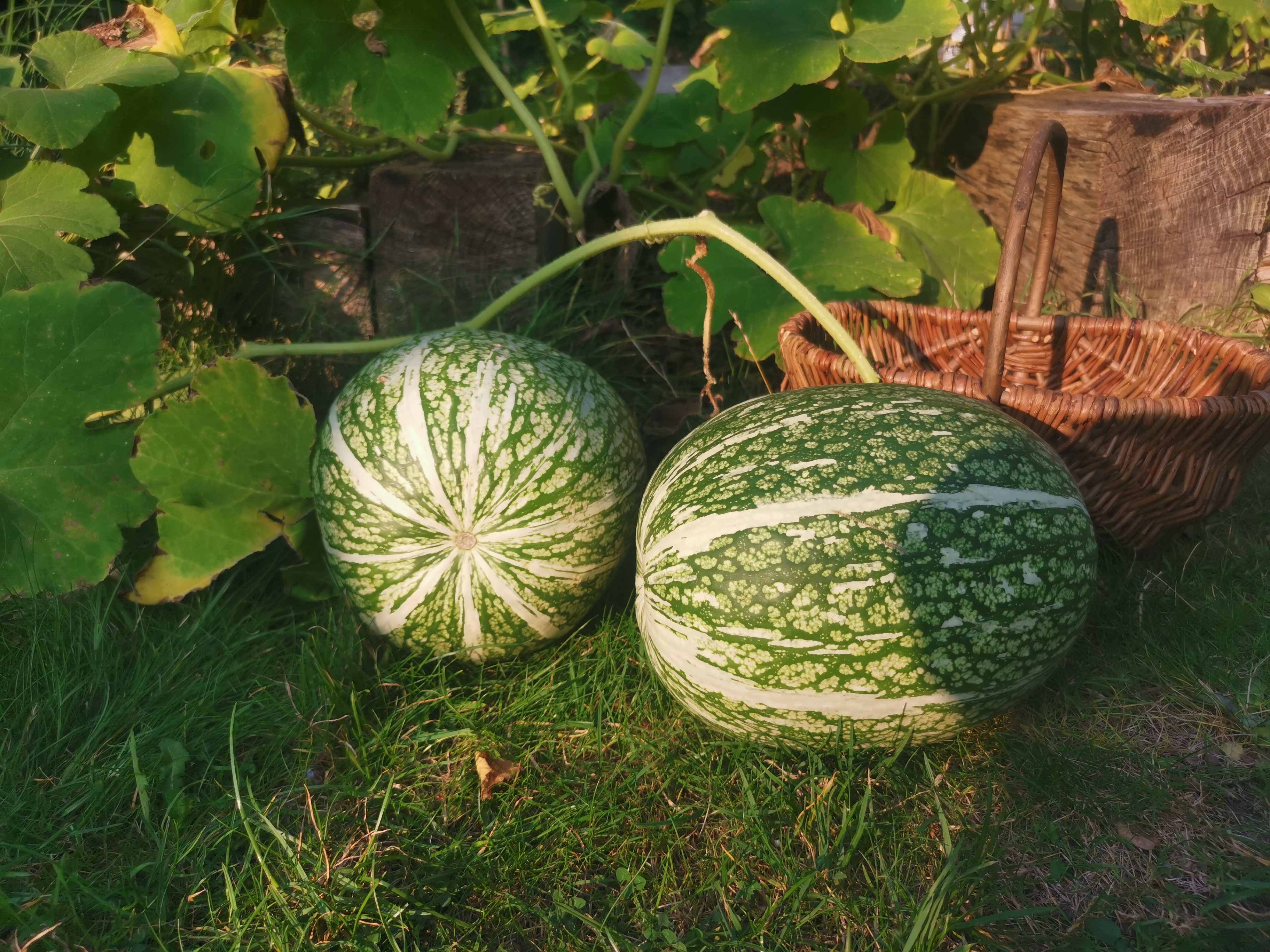
The Fig Leaf Gourd (Cucurbita ficifolia) is a hardy, versatile vegetable that deserves more attention from UK gardeners. Known for its resilience and impressive storage life, this unusual gourd is grown worldwide and valued for both savoury and sweet dishes. Unlike many tender squash varieties, the fig leaf gourd adapts well to the UK climate when grown correctly.
Also referred to as chilacayote, shark fin melon, or seven year melon, this plant is prized for its vigorous growth, edible flesh, and nutritious seeds. If you’re looking for a productive, low-maintenance crop that offers culinary flexibility, the fig leaf gourd is an excellent choice.
Alternative Names for the Fig Leaf Gourd
The fig leaf gourd’s many names reflect its global popularity and wide range of uses. You may encounter it under the following names:
- Chilacayote – Commonly used in Mexican and Central American cooking, especially in desserts and preserves.
- Shark Fin Melon – Popular in Asian cuisine as a plant-based alternative in soups.
- Malabar Gourd – A name used in parts of Southern Europe.
- Seven Year Melon – Refers to its exceptional keeping qualities.
- Black Seed Squash – Named after its distinctive black seeds.
How to Grow Fig Leaf Gourds in the UK
Although native to warmer regions, fig leaf gourds can be grown successfully in the UK with a little planning.
Planting Time
Start seeds indoors in April or May. Sow one seed per biodegradable pot to minimise root disturbance when transplanting outdoors after the last frost.
Soil and Position
Choose a sunny, sheltered position with fertile, free-draining soil. Enrich the planting area with well-rotted compost or manure. Fig leaf gourds are vigorous climbers and benefit from strong supports or plenty of ground space.
Transplanting Outdoors
Once temperatures are consistently warm, plant seedlings outside, spacing them approximately 1.5–2 metres apart. In cooler parts of the UK, a greenhouse or polytunnel will significantly improve yields.
Watering and Feeding
Water regularly during dry spells, keeping the soil moist but not waterlogged. Feed every two to three weeks with a balanced fertiliser throughout the growing season.
Pollination
Fig leaf gourds produce separate male and female flowers. In greenhouses or areas with limited pollinators, hand-pollination may be necessary to ensure good fruit set.
When to Harvest Fig Leaf Gourds
Fruits typically mature by October or November. Harvest when the skin has hardened and colour begins to change. Always pick before the first frost. Stored in a cool, dry place, fig leaf gourds can keep for several months, making them ideal for winter use.
Culinary Uses of Fig Leaf Gourds
Fig leaf gourds have a mild, slightly sweet flavour. When cooked, the flesh becomes soft and fibrous, absorbing surrounding flavours easily.
- Soups and stews: Widely used in Asian cooking as a shark fin alternative, perfect for clear broths.
- Jams and preserves: Traditionally cooked with sugar and spices in Mexican cuisine.
- Savoury dishes: Young fruits can be roasted or grilled, while mature gourds are excellent for stuffing.
- Desserts and smoothies: The flesh can be puréed for puddings, cakes, or blended drinks.
- Edible seeds: Roast like pumpkin seeds or grind into flour for baking.
With its hardiness, long storage life, and culinary versatility, the fig leaf gourd is a valuable addition to UK vegetable gardens. Whether you’re experimenting with global recipes or simply want a reliable crop for unpredictable weather, this unique gourd is well worth growing.
Tags
Comments
Join the conversation
Create a free account to leave comments, share photos, and connect with other gardeners.
Related Articles

The Three Sisters: A Harmony of Growth in Vegetable Planting
In the ever-evolving world of allotment and vegetable growing, some methods stand the test of time. Among them is the ancient practice of Three Sisters planting, a technique rooted in Indigenous agricultural traditions of the Americas. This time-honoured method not only exemplifies the ingenuity of early growers but also offers a blueprint for sustainable, symbiotic […]

Can you use tomato feed on other plants?
Tomato feed is suitable for many flowering and fruiting plants due to its high potassium content, with specific precautions.

Anemone Growing Guide
Anemones are vibrant, hardy perennials ideal for gardens, thriving in various conditions. This guide covers types, planting, care, and blooming tips.

How to grow Dalmatian Bellflowers in your garden?
Dalmatian Bellflowers (Campanula portenschlagiana) are beautiful flowering plants that can add color and charm to your garden. Here’s a step-by-step guide on how to grow Dalmatian Bellflowers:

Can You Grow Pomegranate Trees in the UK?
Pomegranate trees can grow in the UK, particularly in warmer, sheltered areas, but fruiting is inconsistent and depends on climate.

A Guide to Growing Hibiscus and Enjoying These Beautiful Blooms in the UK
Hibiscus flowers are renowned for their vibrant colors and large, showy blossoms. With over 200 species, these tropical beauties can transform any garden into a paradise. If you’re a gardener in the UK, you might wonder if these exotic plants can thrive in your climate. The answer is yes! With the right care and conditions, […]