
Guide to Growing Busy Lizzies (Impatiens) in the UK
Discover how to grow Busy Lizzies in the UK with top varieties, care tips & expert advice.
Key takeaways
- Busy Lizzie is the common name for Impatiens walleriana and related species.
- Choosing the right variety makes all the difference, especially with the UK’s variable weather.
- Sow seeds indoors: February to March Plant out young plants: Late May to early June Only plant outside once all risk of frost has passed Busy Lizzies hate cold soil, so patience pays off.
- Prepare soil with compost Space plants 20–30cm apart Plant at the same depth as the pot Water thoroughly after planting Mulch lightly to retain moisture They establish quickly if kept consistently moist.
- Water regularly, especially in dry spells Containers may need daily watering in summer Feed every 10–14 days with a liquid flowering feed Avoid letting pots dry out completely – they’ll sulk fast.
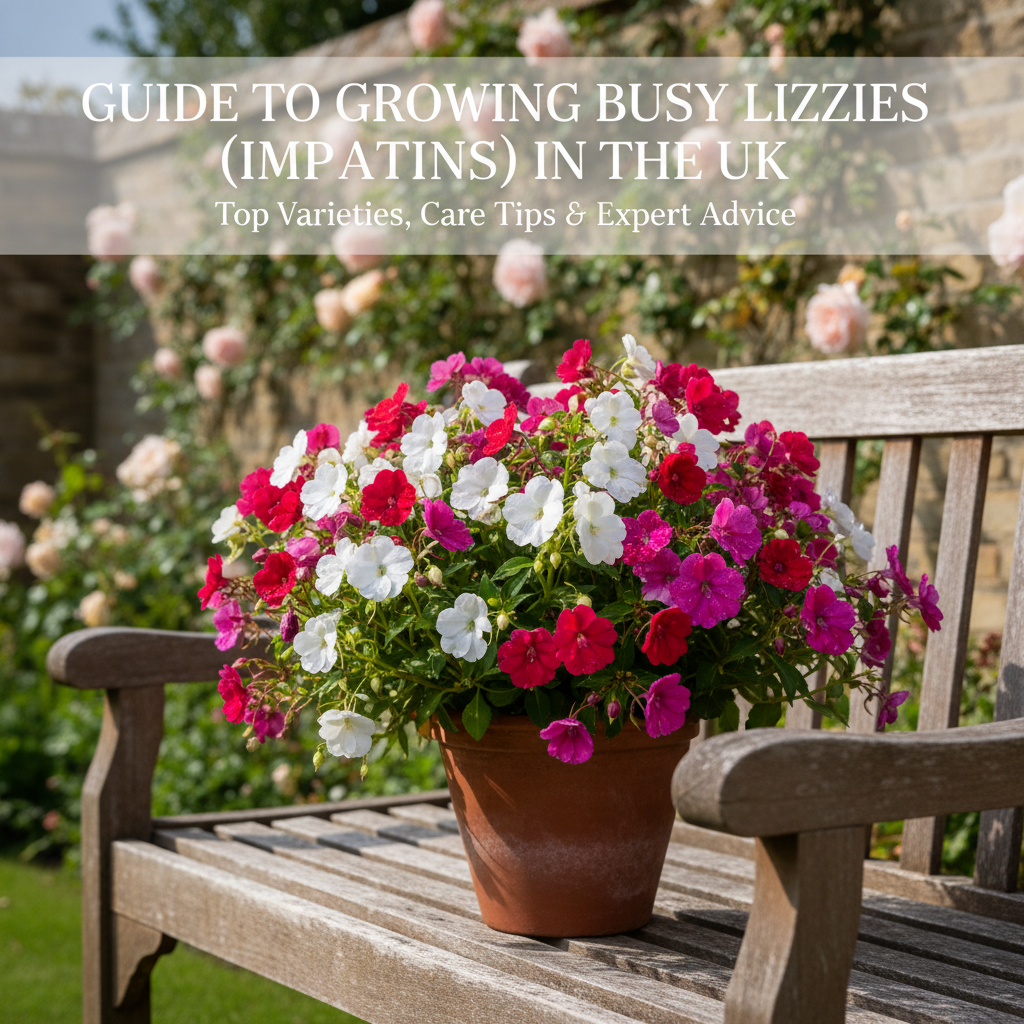
Busy Lizzies – also known as Impatiens - are one of the UK’s most reliable, colourful and easy-going bedding plants. Loved for their long flowering season, shade tolerance and low-maintenance nature, they’re a staple in British gardens, patios and window boxes.
In this guide, I’ll walk you through how to grow Busy Lizzies successfully in the UK, including the best varieties, planting tips, aftercare advice, and answers to the most common questions gardeners ask.
What Are Busy Lizzies?
Busy Lizzie is the common name for Impatiens walleriana and related species. They’re tender perennials, usually grown as annual bedding plants in the UK due to their sensitivity to frost.
They’re best known for:
Bright, non-stop summer flowers
Thriving in shade or partial shade
Compact, bushy growth
Excellent performance in pots, hanging baskets and borders
Best Busy Lizzie Varieties for UK Gardens
Choosing the right variety makes all the difference, especially with the UK’s variable weather.
1. Impatiens walleriana (Classic Busy Lizzie)
Best for: Shaded borders, containers, window boxes
Height: 20–30cm
Traditional variety found in most garden centres
Huge colour range: red, pink, white, orange, purple
Ideal for sheltered gardens
2. New Guinea Impatiens (Impatiens hawkeri)
Best for: Sunny patios, larger pots
Height: 30–45cm
Larger flowers and glossier foliage
More tolerant of sun than standard Busy Lizzies
Excellent disease resistance
3. SunPatiens
Best for: Full sun to partial shade
Height: Up to 60cm
Hybrid variety bred for UK summers
Handles heat, rain and sun far better
Great choice for exposed gardens
4. Double Busy Lizzies
Best for: Decorative containers
Height: 25–30cm
Rose-like, double blooms
Slightly more sheltered conditions needed
Perfect for statement pots
When to Plant Busy Lizzies in the UK
Timing is key.
Sow seeds indoors: February to March
Plant out young plants: Late May to early June
Only plant outside once all risk of frost has passed
Busy Lizzies hate cold soil, so patience pays off.
Where to Grow Busy Lizzies
Light Requirements
Best in partial shade or bright indirect light
Morning sun with afternoon shade is ideal
New Guinea varieties tolerate more sun
Soil Conditions
Moist but well-draining soil
Enrich with compost or well-rotted manure
Avoid waterlogged areas
How to Plant Busy Lizzies
Prepare soil with compost
Space plants 20–30cm apart
Plant at the same depth as the pot
Water thoroughly after planting
Mulch lightly to retain moisture
They establish quickly if kept consistently moist.
Watering & Feeding Tips
Busy Lizzies are thirsty plants.
Water regularly, especially in dry spells
Containers may need daily watering in summer
Feed every 10–14 days with a liquid flowering feed
Avoid letting pots dry out completely – they’ll sulk fast.
Deadheading & Maintenance
Good news: Busy Lizzies are largely self-cleaning.
No need for constant deadheading
Pinch back leggy growth to keep plants bushy
Remove any diseased or damaged foliage promptly
Common Problems & How to Avoid Them
Downy Mildew
Affects traditional Impatiens walleriana
Causes leaf drop and stunted growth
Choose resistant varieties like New Guinea or SunPatiens
Wilting
Usually caused by dry soil
Water deeply and consistently
Slugs & Snails
Young plants are vulnerable
Use barriers or wildlife-friendly controls
Can Busy Lizzies Be Grown Indoors?
Yes - they make excellent houseplants in bright, indirect light.
Keep soil evenly moist
Avoid cold draughts
Will flower for months indoors
If you want reliable colour, minimal fuss and excellent results, Busy Lizzies are hard to beat. Whether you’re filling shady borders or brightening up patio pots, there’s a variety perfectly suited to UK gardens.
For more practical growing guides, plant reviews and seasonal gardening advice, explore the latest content here on Garden-Review.
Frequently Asked Questions
Do Busy Lizzies come back every year?
Are Busy Lizzies good for shade?
How long do Busy Lizzies flower?
Can Busy Lizzies grow in full sun?
Why are my Busy Lizzies wilting even though the soil is wet?
Tags
Comments
Join the conversation
Create a free account to leave comments, share photos, and connect with other gardeners.
Related Articles

Flowers: a complete guide for UK garden enthusiasts
Discover the ultimate guide to flowers in your UK garden. Learn types, care techniques, and arrangement tips to grow and display blooms confidently.
Surfinia Petunia: The Complete Guide to Growing & Caring for Cascading Colour
Discover how to grow Surfinia petunias for stunning hanging baskets and containers. Expert UK guide covering planting, feeding, care tips & best varieties.

Should You Deadhead Cosmos Flowers?
Deadheading cosmos enhances blooming, keeps gardens tidy, and improves plant health, significantly extending the flowering season with minimal effort.

Anemone Growing Guide
Anemones are vibrant, hardy perennials ideal for gardens, thriving in various conditions. This guide covers types, planting, care, and blooming tips.

When should I prune back lavender?
This guide outlines lavender pruning for UK gardeners, highlighting optimal timing, techniques, and the importance of regular maintenance for robust growth.

Hunting for Britain's Lost Daffodils: A Blooming Treasure Hunt
by Garden-Review Daffodils, with their cheery golden faces, are a quintessential symbol of spring, gracing gardens, parks, and countryside verges across the UK. However, among the familiar trumpet-shaped blooms, a handful of rare and historic varieties may be quietly slipping into obscurity and extinction. The RHS with plant conservationists and gardening experts are on a […]