
Choosing Gardening Tools: Digging & Cultivating Essentials
Choosing the right digging and cultivating tools made easy. Expert advice on spades, forks, hoes and hand tools.
Key takeaways
- A good spade is one of the most important tools in any garden shed.
- Handle length: Tall gardeners should choose a long handle to reduce bending.
- Garden forks are essential for working heavy soils and handling organic matter.
- Hoes: Keeping Weeds Under Control Hoes are indispensable for maintaining beds and vegetable plots.
- Rakes are most useful when: Levelling soil before planting Preparing seedbeds Clearing debris from beds Kitchen gardens benefit most from regular raking, especially during planting season.
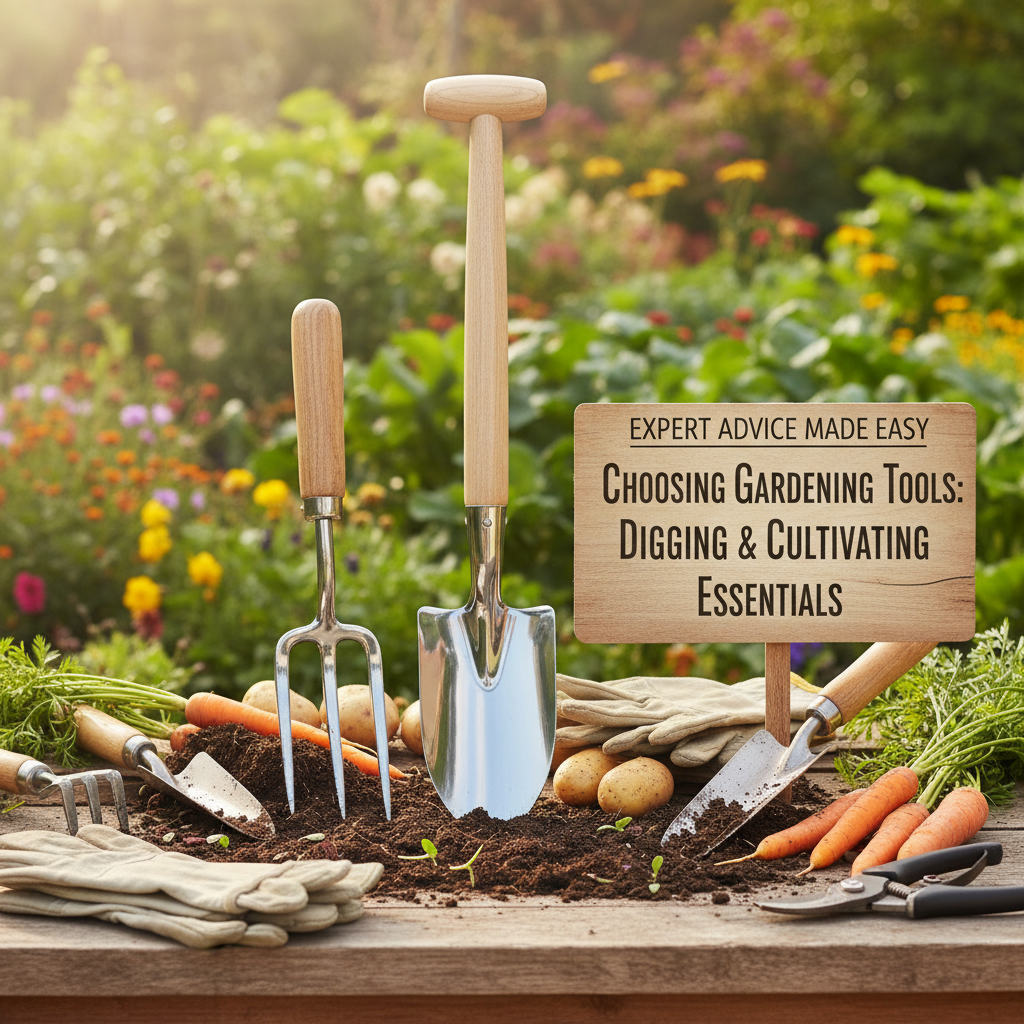
Choosing the right digging and cultivating tools makes gardening easier, faster, and far less tiring. High-quality tools improve soil structure, protect plant roots, and help you work efficiently - whether you’re maintaining borders, growing vegetables, or starting a new garden from scratch.
This guide covers the essential digging and cultivating tools every gardener should own, how to choose them, and when to use each one.
Spades: The Foundation of Garden Digging
A good spade is one of the most important tools in any garden shed.
What to Look For
Handle length: Tall gardeners should choose a long handle to reduce bending.
Blade material: Stainless steel blades slide through soil more easily and resist rust.
Grip shape: A D-shaped handle offers better control and comfort, especially when wearing gloves.
Blade size: Full-sized blades are ideal for heavy digging and soil turning
Border spades (around 23 × 15 cm) are better for tight spaces and established beds
Foot tread: A treaded blade allows you to apply pressure safely with your foot.
💡 Wooden shafts feel warmer and more traditional, while metal shafts offer extra durability.
Garden Forks: Breaking Soil & Lifting Material
Garden forks are essential for working heavy soils and handling organic matter.
Best Uses
Breaking up compacted or clay soil
Lifting manure, compost, and mulch
Turning soil without slicing through plant roots
Choosing the Right Fork
Head shape: D-shaped handles are stronger and more durable than Y-shaped designs
Tines: Square, thick tines are best for hard or stony ground
Size: Full-size forks are ideal for digging and lifting; smaller forks suit lighter work
Hoes & Rakes: Weed Control and Soil Preparation
Hoes: Keeping Weeds Under Control
Hoes are indispensable for maintaining beds and vegetable plots.
Draw hoe: Ideal for chopping weeds and pulling soil into drills
Dutch hoe: Excellent for slicing weeds just below the soil surface with minimal effort
Head size: Smaller heads are better for tight spaces between plants
💡 Choose a long handle to reduce back strain.
Rakes: Levelling and Finishing Soil
Rakes are most useful when:
Levelling soil before planting
Preparing seedbeds
Clearing debris from beds
Kitchen gardens benefit most from regular raking, especially during planting season.
Hand Cultivators & Weeders: Precision Tools
Hand tools are perfect for detailed work where full-size tools are too clumsy.
Hand Cultivators
Loosen soil after digging
Improve aeration around plants
Break up surface crusting
Wider heads cover ground quickly, while narrow cultivators are better around established plants.
Hand Weeders
Designed to remove weeds with minimal root disturbance
Particularly useful in borders, containers, and paved areas
Look for removable or interchangeable heads for added versatility.
Hand Forks & Trowels: Everyday Garden Staples
Trowels
Trowels are essential for planting, potting, and container gardening.
Wide blades: Best for planting and general soil movement
Narrow blades: Ideal for confined spaces and rock gardens
Material: Stainless steel offers longevity and easier cleaning
Hand Forks
Hand forks are excellent for:
Loosening soil around plants
Removing weeds without cutting roots
Mixing compost into containers
Always check that the prongs are strong and securely fixed to the handle.
Choosing the Right Handle & Head Design
When selecting any garden tool:
Choose long handles to reduce bending
Look for riveted or welded heads rather than glued joins
Balance head width against tool weight
Prioritise comfort - ergonomic handles reduce fatigue
Specialist tools (such as daisy grubbers or pavement weeders) are useful but only worth buying if you’ll use them regularly.
Buy Once, Buy Well
Investing in quality gardening tools saves time, effort, and money in the long run. A small collection of well-chosen digging and cultivating tools will handle almost every garden task - from soil preparation to weed control and planting.
Start with the essentials, upgrade gradually, and choose tools that suit your soil, garden size, and working style
Gardening FAQs: Digging & Cultivating Tools
What are the most essential digging tools for a garden?
What’s the difference between a spade and a garden fork?
Are stainless steel gardening tools worth buying?
Which gardening tools are best for clay soil?
What is the best tool for removing weeds without damaging plants?
How do I choose the right handle length for gardening tools?
Are wooden or metal garden tool handles better?
Tags
Comments
Join the conversation
Create a free account to leave comments, share photos, and connect with other gardeners.