
Flowers: a complete guide for UK garden enthusiasts
Discover the ultimate guide to flowers in your UK garden. Learn types, care techniques, and arrangement tips to grow and display blooms confidently.
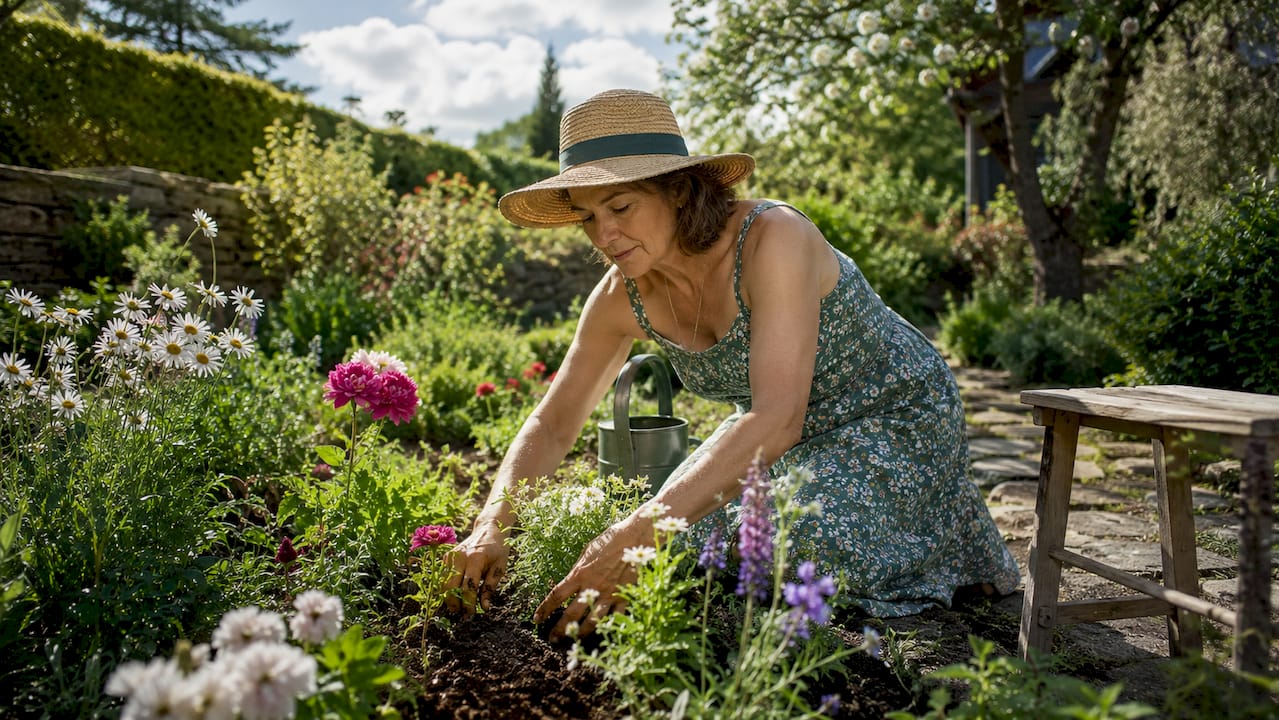
TL;DR:
- Flowers are versatile reproductive structures that help gardeners create beautiful borders and arrangements.
- Knowing the differences between flower types and proper care techniques can extend their freshness and enhance garden design.
- Careful selection, consistent maintenance, and thoughtful arrangement allow for more confident and impressive floral displays.
Flowers are the reproductive structures of flowering plants, and they are among the most versatile tools a gardener has. Whether you grow them in borders, cut them for the kitchen table, or study them to understand your garden better, knowing the difference between a ranunculus and a lisianthus changes how you shop, plant, and arrange. This guide covers the main types of flowers, proven care techniques, and professional arrangement principles that work for beginners and experienced growers alike. You will leave with a clear framework for choosing, growing, and displaying blooms with confidence.
What are the main types of flowers and how are they categorised?
The twelve primary cut flower types are roses, lilies, orchids, tulips, peonies, sunflowers, carnations, hydrangeas, ranunculus, gerberas, chrysanthemums, and lisianthus. Each group behaves differently in the vase and in the border, so knowing which category a bloom falls into helps you plan your garden and your arrangements more effectively.
Florists and botanists organise blooms using four main methods: botanical family, colour, season, and lifecycle. Botanical family determines shape, scent, and how long a stem will last once cut. Colour carries the primary emotional message of a floral gift, while the botanical variety defines its shape and care requirements. Season tells you when a bloom is at its best and most affordable. Lifecycle tells you whether to replant every year or simply wait for the plant to return.
The lifecycle distinction matters most for long-term garden planning. Annuals such as cosmos and sunflowers complete their full cycle in one growing season. Perennials like peonies and chrysanthemums die back in winter and return each spring. Bulb-grown varieties such as tulips and ranunculus need a cold period underground before they flower. Choosing a mix of all three gives you blooms across multiple seasons without starting from scratch each year.
| Classification method | What it determines | Example flowers |
|---|---|---|
| Botanical family | Shape, scent, vase longevity | Roses (Rosaceae), Lilies (Liliaceae) |
| Colour | Emotional message, design mood | Red roses (love), white lilies (purity) |
| Season | Peak availability and freshness | Tulips (spring), sunflowers (summer) |
| Lifecycle | Replanting needs and bloom continuity | Annuals, perennials, bulbs |
Understanding these four categories gives you a reliable framework for selecting blooms. A gardener who knows that hydrangeas are summer perennials and lisianthus are warm-season annuals can plan a border that delivers colour from april through to october without gaps.
How to care for flowers to maximise freshness and longevity
Professional cut flower arrangements last 7–10 days with proper hydration and placement. That lifespan drops sharply when basic care steps are skipped, so the habits you build in the first hour after cutting or buying make the biggest difference.
Water is the single most critical factor. Check vase water levels daily and top up with fresh, cool water whenever the level drops. Stems absorb water fastest when they are cut cleanly at an angle, which increases the surface area at the base. Re-cut stems every two to three days to remove any sealed tissue that blocks uptake.
Placement is equally important. Keep arrangements away from direct sunlight, radiators, and fruit bowls. Ripening fruit releases ethylene gas, which accelerates petal drop in roses, carnations, and lilies. A cool spot on a north-facing windowsill or a kitchen counter away from the hob extends vase life noticeably.
Adding flower food or a drop of bleach to vase water every 2–3 days prevents bacterial growth that clouds the water and blocks stems. Flower food sachets, available from most supermarkets and florists, contain a sugar source, an acidifier, and a biocide. They are not optional extras. They are the most cost-effective way to extend the life of any cut arrangement.
Do's and don'ts for cut flower care:
- Do re-cut stems at a 45-degree angle before placing them in water
- Do remove any leaves that sit below the waterline to prevent rot
- Do change the water completely every two to three days
- Do keep arrangements in a cool room, ideally below 18°C
- Don't place blooms near a sunny windowsill or on top of a radiator
- Don't leave stems in cloudy water, as bacteria will block uptake
- Don't crowd too many stems into a narrow-necked vase, as restricted stems wilt faster
Pro Tip: Dissolve one teaspoon of sugar and two drops of household bleach in a litre of water as a free alternative to commercial flower food. The sugar feeds the blooms and the bleach controls bacteria.
What are professional techniques for arranging flowers?
Professional florists draw a clear line between an assembled bouquet and a designed arrangement. An assembled bouquet groups stems together by type or colour. A designed arrangement uses silhouette, texture, spacing, and colour discipline to create a specific mood. Great arrangements rely on these design principles rather than on the number of blooms used.
Cutting stems at varied lengths
The most effective single technique for home arrangers is the different lengths method. Place shorter blooms around the outer edges of the vase and taller stems in the centre. This creates a natural, multi-level effect that mirrors how flowers grow in a garden rather than looking like a flat disc of colour. Professional florists use this approach on every arrangement, regardless of size or budget.
Removing the floral binding
Removing the floral tie after placing stems in the vase is a step most beginners skip. The binding holds stems in a fixed position that was designed for transport, not display. Once you release it, stems spread naturally, negative space opens up between blooms, and each flower's individual character becomes visible. This single action transforms a tight, shop-bought bunch into something that looks considered and deliberate.Colour discipline and texture contrast
Unique arrangements use texture contrasts and colour restraint rather than packing in as many varieties as possible. A strong rule of thumb is to limit your palette to two or three colours and introduce variety through texture instead. Pair the smooth, round heads of hydrangeas with the ruffled petals of ranunculus and the spiky form of lisianthus. The contrast in texture keeps the eye moving without the arrangement feeling chaotic.
Step-by-step guide to arranging flowers at home:
- Fill a clean vase with cool water and add flower food or a drop of bleach
- Remove all leaves that would sit below the waterline
- Cut every stem at a 45-degree angle, trimming them to different lengths
- Place the tallest stems in the centre of the vase first
- Add medium-height blooms around the central stems, angling them outward slightly
- Fill the outer edges with shorter blooms and any foliage
- Remove the floral tie or binding once all stems are positioned
- Step back and adjust any stems that are hidden or crowded
Pro Tip: Odd numbers of blooms almost always look more natural than even numbers. Three peonies and five ranunculus will look more balanced than four of each.
How can flower selection enhance your garden's aesthetics?
Colour is the first thing visitors notice in a garden, and it carries a clear emotional message. Red and orange blooms create energy and warmth. Blue and purple varieties such as lavender and agapanthus read as calm and structured. White flowers, including white hydrangeas and lisianthus, add a sense of space and formality to any planting scheme. Choosing colours deliberately rather than planting whatever is available at the garden centre produces a more coherent result.
Many common blooms that appear to be single flowers are actually inflorescences. A sunflower or daisy head is a dense cluster of small individual flowers called florets, not a single bloom. Recognising this changes how you care for them and how you use them in arrangements. Gerberas and chrysanthemums share this structure, which is why they last so well once cut. Each floret continues to develop independently, extending the overall display.
Pairing blooms by season and lifecycle creates a garden that always has something in flower. A well-planned border might include tulips and alliums for spring, roses and peonies for early summer, sunflowers and dahlias for late summer, and chrysanthemums and cosmos for autumn. Layering annuals over a base of perennials and bulbs means you fill gaps without replanting the entire bed each year.
| Season | Recommended blooms | Colour options |
|---|---|---|
| Spring | Tulips, alliums, ranunculus | Pink, purple, white, yellow |
| Early summer | Roses, peonies, lisianthus | Red, pink, cream, white |
| Late summer | Sunflowers, dahlias, gerberas | Yellow, orange, deep red |
| Autumn | Chrysanthemums, cosmos, hydrangeas | Bronze, lilac, white, pink |
Texture contrast works in the garden just as it does in a vase. Pair the bold, flat heads of hydrangeas with the feathery stems of cosmos or the vertical spikes of salvia. The contrast in plant form creates visual interest even when the colour palette is restrained. For container gardening, the same principle applies. You can find practical advice on seasonal planter care to keep your displays looking their best through every season.
Knowing when to deadhead is equally part of good garden aesthetics. Removing spent blooms from cosmos, for example, encourages the plant to produce more flowers rather than setting seed. Garden-review covers this in detail in its guide on deadheading cosmos, which is worth reading before the summer season begins.
Key takeaways
Successful flower growing and arranging depends on understanding variety classification, consistent care habits, and deliberate design choices rather than luck or instinct.
| Point | Details |
|---|---|
| Know your flower types | The twelve main cut flower varieties group by family, colour, season, and lifecycle for better selection. |
| Extend vase life with water care | Change water every 2–3 days, re-cut stems, and add flower food or bleach to prevent bacteria. |
| Use the different lengths technique | Vary stem heights with shorter blooms at the edges and taller ones in the centre for a natural look. |
| Remove the floral binding | Releasing the tie after arranging allows stems to spread and creates professional negative space. |
| Plan by season and lifecycle | Combining annuals, perennials, and bulbs gives continuous colour from spring through to autumn. |
What I have learnt from years of growing and arranging
The most common mistake I see beginners make is treating flower care as an afterthought. They spend time and money choosing the right varieties, then place them in a warm room in stale water and wonder why the blooms collapse within three days. The care routine is not complicated, but it has to be consistent.
The second mistake is buying too many varieties at once. A beginner who tries to combine roses, lilies, sunflowers, and orchids in one arrangement usually ends up with something that looks confused. Start with two varieties and one type of foliage. Master the different lengths technique with those three elements before adding more. The restraint feels uncomfortable at first, but the results are noticeably better.
What I find genuinely rewarding about understanding flower classification is that it removes the guesswork from the garden centre. Once you know that lisianthus is a warm-season annual and ranunculus is a cool-season bulb, you stop buying them at the wrong time of year and wondering why they fail. Knowledge of lifecycle and season is the single biggest upgrade a gardener can make, regardless of experience level.
Experimentation matters too. Try cutting a stem shorter than you planned. Try placing a single bold bloom in a small vase rather than a crowded arrangement. Some of the most striking displays come from constraints, not abundance. Patience and observation, watching how a peony opens over three days or how a hydrangea head changes colour as it dries, build the kind of instinct that no guide can fully replace.
— Jim Fellows
Garden-review: your next steps in flower care and gardening
Garden-review is a trusted resource for UK gardeners at every level, from first-time growers to experienced enthusiasts managing complex borders and cutting gardens.
The site offers practical seasonal guides, detailed care articles, and honest product reviews to help you make better decisions in the garden. If you want to extend your knowledge beyond cut flower care, the winter flower varieties guide covers the best blooms for UK gardens through the colder months. For year-round plant care advice, the full range of articles at Garden-review covers everything from soil preparation to pest control, giving you reliable guidance whenever you need it.
Recommended
Frequently Asked Questions
Tags
Comments
Join the conversation
Create a free account to leave comments, share photos, and connect with other gardeners.