
A Slugglish Year: A Challenging Year for UK Gardeners
This year has been particularly tough for UK gardeners due to an unprecedented surge in slug and snail populations. The combination of a mild, moist spring and a cool start to summer has created the perfect environment for these slimy pests to thrive. Unprecedented Slug Activity With hundreds of slugs species in the UK, not […]

This year has been particularly tough for UK gardeners due to an unprecedented surge in slug and snail populations. The combination of a mild, moist spring and a cool start to summer has created the perfect environment for these slimy pests to thrive.
Unprecedented Slug Activity
With hundreds of slugs species in the UK, not all are plant eaters. However, the wet weather has led to a dramatic increase in slug activity, causing significant damage to gardens, balconies, and fields. Social media is flooded with complaints and cries for help as gardeners seek effective ways to combat these persistent pests. One user lamented, “They’ve decimated my tomatoes and peppers. Hate the slimy demons.” Slugs and snails are particularly active when it’s mild and damp and the very wet summer has created optimal conditions for hem.
Overwhelmed Garden Advice Services
The RHS’s garden advice service has been inundated with inquiries about slugs. “We saw a huge peak in slug inquiries in March, April, and May,” Salisbury notes. Many gardeners are initially unaware that slugs are the culprits behind the damage and seek guidance on prevention and control.
Lewis Normand, president of the Royal Caledonian Horticultural Society, highlights the impact on vegetable growers, mentioning that “courgettes, squash, and young tomato plants have been particularly affected.”
Slug Damage on Balconies and Farms
Slugs are not limited to ground-level gardens. “It’s amazing how high they can actually climb,” Salisbury observes. Slugs leave telltale slime trails even on walls, sometimes reaching rooftops.
In agriculture, slugs are a major pest, particularly the grey field slug (Deroceras agreste), which targets young crops. Tom Allen-Stevens, founder of the British On-Farm Innovation Network (Bofin), states, “The damage that slugs do is very, very early on in the crop’s life. They’re actually a nightmare.”
Sustainable Control Measures
While some gardeners turn to traditional methods like eggshells, grit, and pellets, these are often not scientifically proven to be effective. Salisbury advises against using salt due to its cruelty and potential soil damage. Instead, natural solutions such as ponds, which attract slug-eating amphibians, and introducing leaf litter to encourage predators like hedgehogs, can be effective.
Farmers consolidate soil to eliminate slug hiding spots, a method that may not be as effective in smaller garden spaces. Normand suggests trapping slugs in jam or beer in half-buried jars and warns against using toxic slug and snail killers. For those with ducks or chickens, these animals can significantly reduce slug populations.
Embracing a Balanced Approach
Ultimately we should allow some tolerance and acceptance of some slug damage and balance in the garden ecosystem. Normand agrees, preferring to pick slugs and snails off plants by hand, embodying a pragmatic approach to dealing with these persistent pests.
Gardening can be a game of win or lose when it comes to dealing with slugs. By adopting a mix of traditional, natural, and innovative methods, gardeners can mitigate the impact of these slimy invaders while maintaining a healthy and balanced garden ecosystem.


Tags
Comments
Join the conversation
Create a free account to leave comments, share photos, and connect with other gardeners.
Related Articles

How to Deter Grey Squirrels in Your Garden
Grey squirrels might look charming at first glance, but for gardeners, they can be one of the most frustrating and persistent pests. From stripping bark off young trees to stealing bird food and digging up bulbs, they can cause serious damage. If you’re looking for humane grey squirrel deterrents in the UK, there are plenty […]
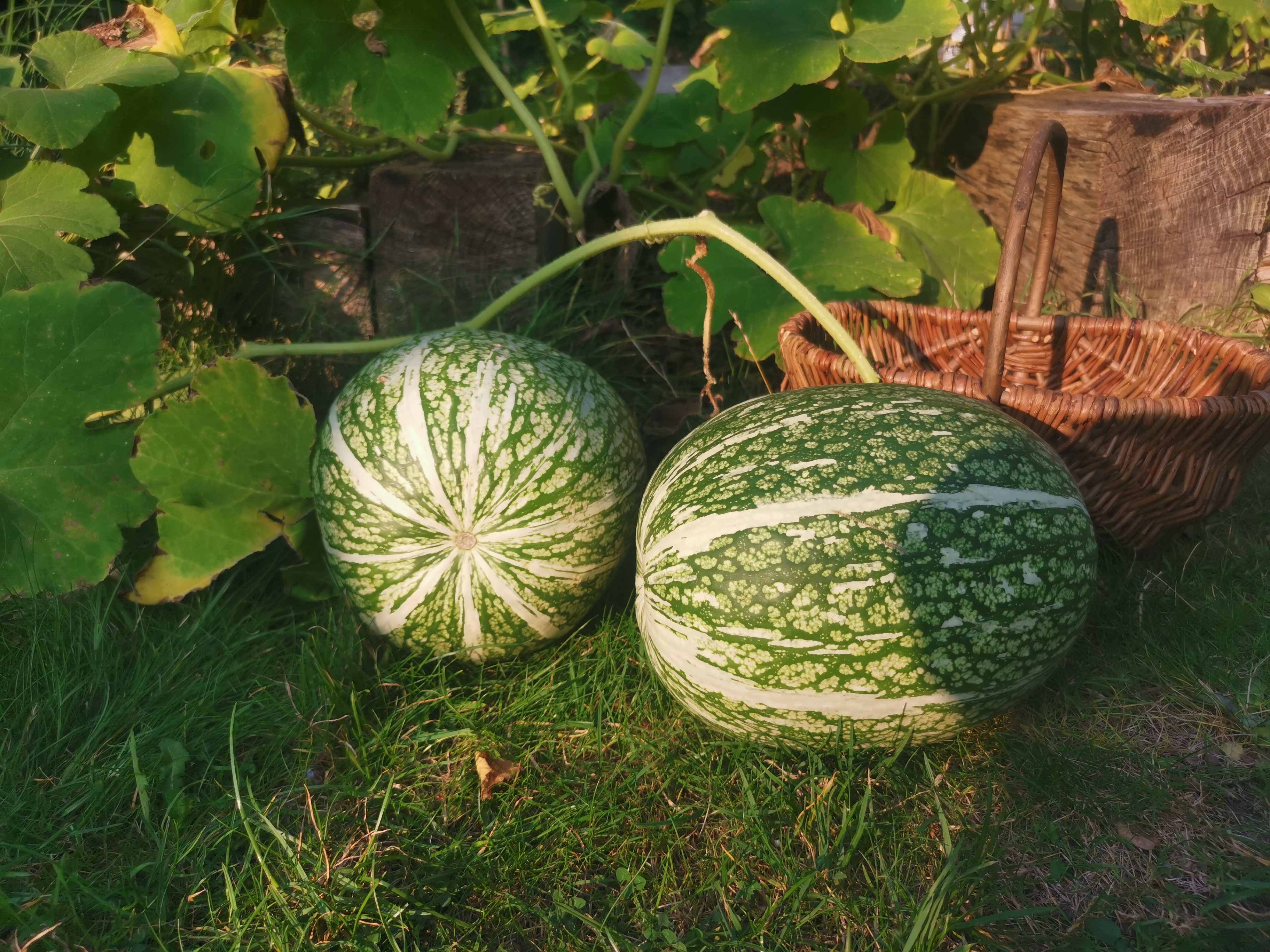
Discovering the Fig Leaf Gourd (Cucurbita ficifolia): Growing, Harvesting, and Culinary Uses in the UK
Learn how to grow, harvest, and cook Fig Leaf Gourds in the UK. Explore its global names and versatile culinary uses, from soups to preserves and desserts.

The Three Sisters: A Harmony of Growth in Vegetable Planting
In the ever-evolving world of allotment and vegetable growing, some methods stand the test of time. Among them is the ancient practice of Three Sisters planting, a technique rooted in Indigenous agricultural traditions of the Americas. This time-honoured method not only exemplifies the ingenuity of early growers but also offers a blueprint for sustainable, symbiotic […]
Coir Compost: The Sustainable Alternative to Peat Compost
As gardeners and environmental enthusiasts, we constantly seek ways to cultivate our gardens while also nurturing the planet. One of the most significant shifts in recent years has been the movement away from peat compost towards more sustainable alternatives. Among these, coir compost stands out as a particularly promising option. In this Garden-Review article we […]

Cold vs Hot Composting
Which Is Right for Your Garden? Composting is one of the most effective — and satisfying — ways to reduce garden and kitchen waste while giving your plants a boost. But when it comes to getting started, one big question often arises: Should you go with cold composting or hot composting? Both methods turn organic […]

Can you use tomato feed on other plants?
Tomato feed is suitable for many flowering and fruiting plants due to its high potassium content, with specific precautions.