
All-Season Care for Your Terracotta Planters
Terracotta pots are a classic addition to any garden, offering both aesthetic appeal and practical benefits. Their timeless design suits any garden setting and complements a wide variety of plants. The porous nature of terracotta clay allows for excellent drainage and root aeration, ensuring healthy plant growth. Whether you’re an experienced gardener or a novice, […]
Key takeaways
- Select terracotta pots with drainage holes to prevent waterlogging and root rot.
- During warm summer months, terracotta pots dry out more quickly.
- Place hardier plants on the outside and more delicate ones in the center to create a protective barrier against cold winds.
- Properly cleaning terracotta pots extends their lifespan and keeps plants healthy by preventing pest and disease buildup.
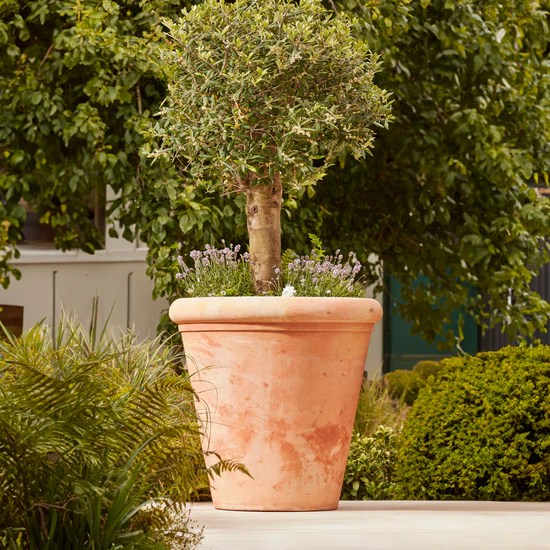
Terracotta pots are a classic addition to any garden, offering both aesthetic appeal and practical benefits. Their timeless design suits any garden setting and complements a wide variety of plants. The porous nature of terracotta clay allows for excellent drainage and root aeration, ensuring healthy plant growth.
Whether you’re an experienced gardener or a novice, preparing and maintaining your terracotta planters for every season is straightforward. Here’s a comprehensive guide to help you through the process:
Planting
Choosing the Right Pot
Select terracotta pots with drainage holes to prevent waterlogging and root rot. All Gardenesque terracotta garden pots are designed with these essential drainage holes.
Prepping the Pot
Before planting, soak new terracotta pots overnight in water. This step is crucial as it saturates the porous clay, preventing it from drawing moisture away from the soil and plants initially.
Planting Tips
- Soil Level: Avoid overfilling the pot with soil. Leave space for the soil to expand when watered to prevent cracking.
- Root Space: Ensure the pot is large enough to accommodate the plant’s root system.
Summer Care
Watering
During warm summer months, terracotta pots dry out more quickly. Water plants in the evening or early morning when temperatures are cooler to minimize evaporation. A consistent watering schedule is essential for container plants as they need more water than those planted directly in the ground.
Feeding
Apply a balanced liquid fertilizer weekly to provide necessary nutrients during the growing season.
Mulching
Add a layer of mulch to the soil surface after watering to retain moisture and reduce evaporation. Placing a saucer under the pot can also help by catching excess water.
Sun Protection
Move pots to shaded areas during the hottest parts of the day to protect plants from extreme heat.
Winter Care

Grouping and Shelter
Cluster pots together near a wall for added insulation. Place hardier plants on the outside and more delicate ones in the center to create a protective barrier against cold winds.
Elevation
Use pot feet to elevate containers off the ground, allowing excess water to drain away. This prevents water from freezing inside the pot, which can cause cracking.
Insulation
Wrap larger pots that can’t be moved with hessian, fleece, or bubble wrap to insulate and protect the root ball from freezing temperatures.
Cleaning Terracotta Pots
Properly cleaning terracotta pots extends their lifespan and keeps plants healthy by preventing pest and disease buildup.
Cleaning Process
- Remove Old Plants: Once plants have died off, empty the pot of any remaining compost.
- Scrub the Pot: Use a stiff brush and clean water to remove debris from the pot’s interior.
- Disinfect: Soak pots in a solution of one part bleach to nine parts water, or use a mixture of baking soda and water or one part white vinegar to four or five parts hot water. Let them soak for half an hour to eliminate any lingering bacteria.
- Rinse and Dry: Rinse thoroughly and scrub any stubborn stains. Leave the pots to air dry in a sunny spot.
By following these guidelines, you can ensure that your terracotta planters remain in excellent condition throughout the year, providing a beautiful and functional home for your plants in every season.


Tags
Comments
Join the conversation
Create a free account to leave comments, share photos, and connect with other gardeners.
Related Articles

7 Genius Urban Gardening Ideas for Small Spaces, Balconies & Indoors
Creative urban gardening ideas for small spaces—grow herbs, veg & flowers on balconies, windowsills & indoors with ease.

When should I prune back lavender?
This guide outlines lavender pruning for UK gardeners, highlighting optimal timing, techniques, and the importance of regular maintenance for robust growth.

The Three Sisters: A Harmony of Growth in Vegetable Planting
In the ever-evolving world of allotment and vegetable growing, some methods stand the test of time. Among them is the ancient practice of Three Sisters planting, a technique rooted in Indigenous agricultural traditions of the Americas. This time-honoured method not only exemplifies the ingenuity of early growers but also offers a blueprint for sustainable, symbiotic […]

Anemone Growing Guide
Anemones are vibrant, hardy perennials ideal for gardens, thriving in various conditions. This guide covers types, planting, care, and blooming tips.

Are Lithium-Ion Batteries in Your Garden a Cause for Concern?
Lithium-ion batteries have revolutionised garden equipment and power tools. They offer cordless freedom, lighter weight, and longer run times compared to traditional NiMH batteries and offer advantages over messy, noisy and more polluting petrol machinery. But with this convenience comes a question: are people worried about the safety of lithium-ion batteries in their gardens and […]

Should I Vacuum Artificial Grass?
Discover Cleva’s award-winning Vacmaster & LawnMaster tools—top-rated vacuums, mowers & garden gear praised by expert reviewers.