
How to Prune Trees, Shrubs and Climbers in February
Learn how to prune trees, shrubs and climbers in February with step-by-step techniques for healthy spring growth.
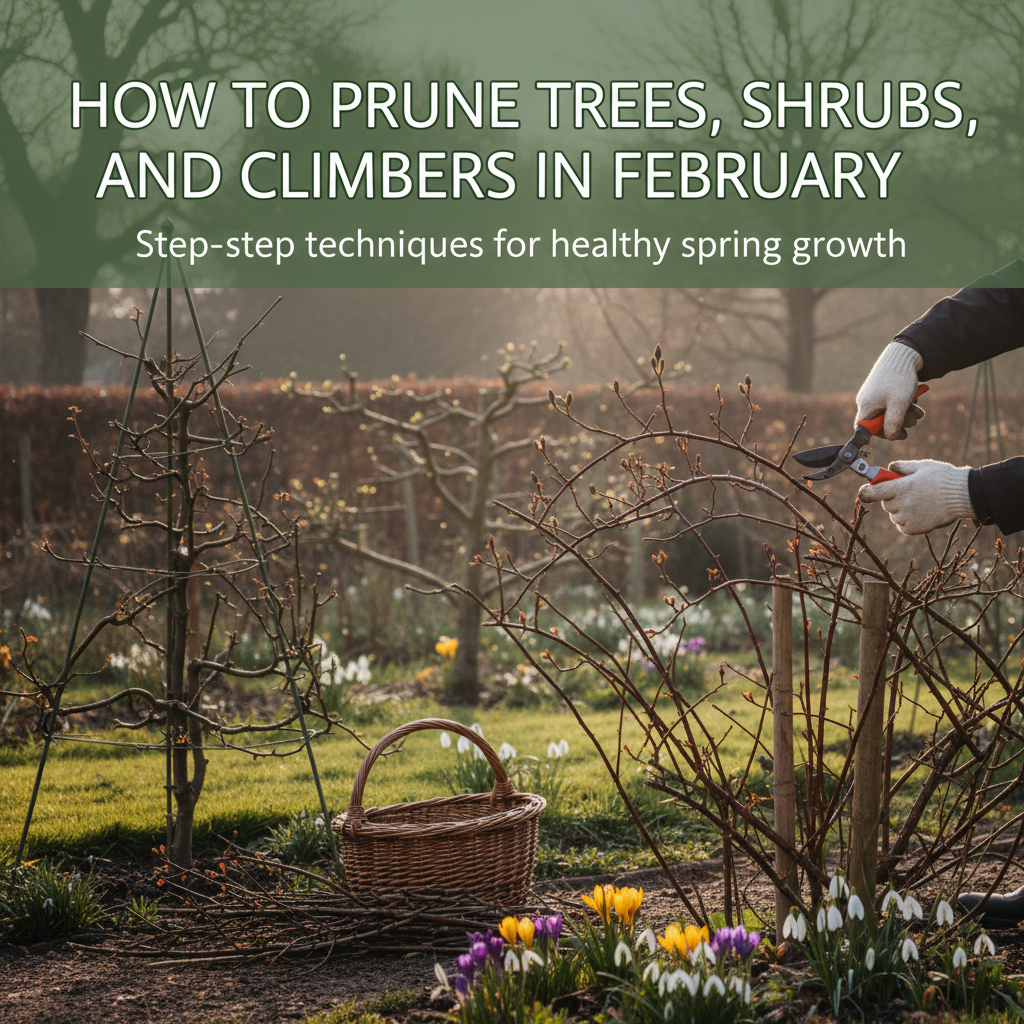
February is one of the most important months for pruning in the UK garden. With many plants still dormant and nesting season yet to begin, winter pruning encourages strong, healthy growth and better flowering later in the year.
This guide explains how to prune trees, shrubs and climbers in February, including step-by-step techniques and timing for popular garden plants.
✂️ Why February Is Ideal for Pruning
Pruning in late winter allows you to clearly see plant structure while minimising stress and sap loss. Cuts made now heal quickly once growth resumes in spring, and shaping plants early helps prevent overcrowding and disease.
🌳 Trees to Prune in February
Fruit Trees (Apples & Pears)
February is the last opportunity to prune apple and pear trees before bud break.
How to Prune:
- Remove dead, diseased or damaged branches.
- Cut out crossing or inward-growing shoots.
- Thin the crown to improve airflow and light.
Avoid: Pruning stone fruits such as plums and cherries, which should be pruned in summer.
🌿 Shrubs to Prune in February
Hydrangeas (Macrophylla & Paniculata)
How to Prune:
- Remove dead stems and spent flower heads.
- Cut back to a healthy pair of buds.
- For paniculata types, prune harder to encourage large blooms.
Buddleia (Butterfly Bush)
How to Prune:
- Cut all stems back to around 30–45cm from ground level.
- Remove weak or dead growth completely.
This encourages strong new shoots that will flower in summer.
Evergreen Hedges
How to Prune:
- Lightly trim to maintain shape.
- Avoid heavy pruning once birds begin nesting (usually from March).
🌼 Climbers to Prune in February
Wisteria
February is the key time for winter wisteria pruning.
How to Prune:
- Identify long whippy shoots from last summer.
- Cut these back to 2–3 buds from the main framework.
This focuses energy into flowering spurs.
Clematis
Pruning depends on the clematis group:
- Group 1 (spring flowering): Do not prune in February.
- Group 2 (large-flowered): Light prune, removing weak or dead growth.
- Group 3 (summer flowering): Cut back hard to 20–30cm above ground.
🛠️ Pruning Tools & Technique Tips
- Use sharp, clean secateurs for precise cuts.
- Cut just above outward-facing buds.
- Disinfect tools between plants to prevent disease spread.
- Avoid pruning during hard frost.
⏱️ Timing & Wildlife Considerations
Finish major pruning by late February to avoid disturbing nesting birds. Always check hedges and dense shrubs before cutting.
Pruning in February sets the foundation for healthy growth, improved flowering and strong garden structure. By following correct techniques and timing for each plant type, you’ll get the best results throughout the growing season.
📌 FAQs – February Pruning
What should not be pruned in February?
Can pruning in February damage plants?
Do I need to seal pruning cuts?
Tags
Comments
Join the conversation
Create a free account to leave comments, share photos, and connect with other gardeners.
Related Articles

Choosing and Growing the Best Clematis for UK Gardens
Discover how to grow beautiful Clematis in the UK. This guide covers pruning groups, seasonal care, and the best varieties for vertical interest in your garden.

A Guide to Pruning Apple and Pear Trees for UK Gardens
Master the art of winter and summer pruning for apple and pear trees. Our guide covers timing, techniques, and tool care for a bumper British fruit harvest.

Lawn & Soil Care in Late Winter: Get Ready for Spring Growth
Learn how to care for lawns and soil in late winter, from clearing worm casts to turfing and soil improvement.

Prepping Your Vegetable Plot in February: Tips for a Productive Veg Garden
repping Your Vegetable Plot in February: Tips for a Productive Veg Garden
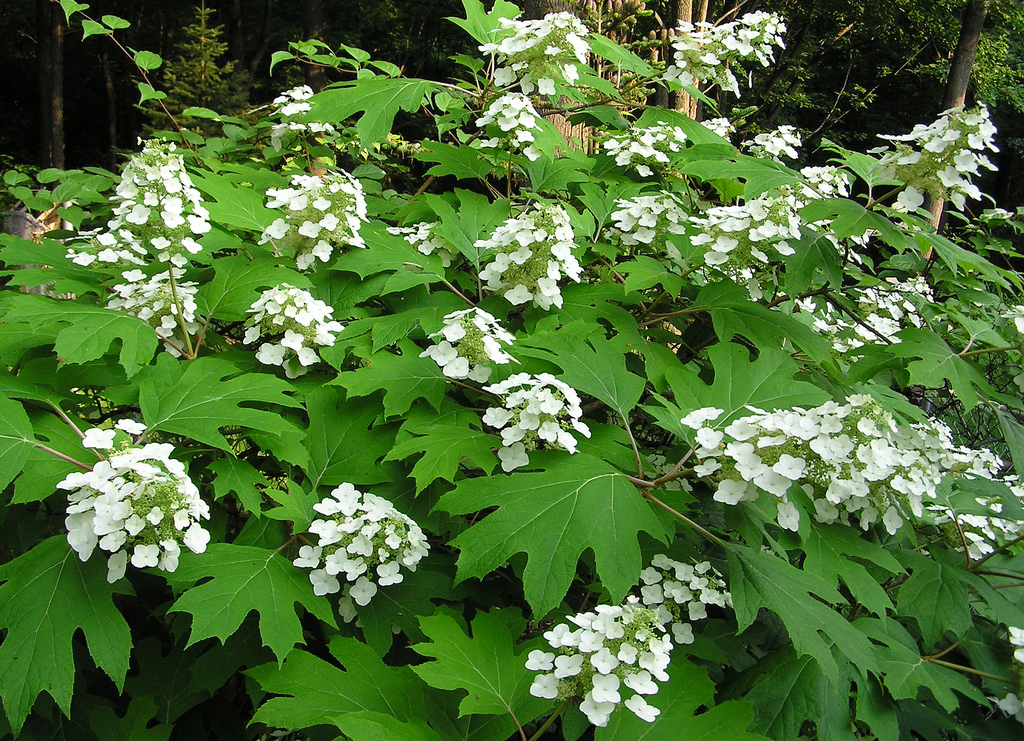
When to Prune Hydrangeas in the UK: A Complete Guide
Prune your UK hydrangeas at the right time for healthy growth and bigger blooms. Learn when and how for each type.