
Lawn & Soil Care in Late Winter: Get Ready for Spring Growth
Learn how to care for lawns and soil in late winter, from clearing worm casts to turfing and soil improvement.
Key takeaways
- Winter weather compacts soil, weakens grass roots and leaves debris sitting on the surface.
- Worm casts are actually a sign of healthy, biologically active soil, so there's no need to treat them chemically.
- February is a month for inspection rather than intervention.
- Standing water after rain is one of the clearest signs a lawn needs help.
- Aeration relieves compaction and lets air, water and nutrients reach the roots — but it works best once the soil is drying out and growth is picking up, typically early spring rather than February.

Late Winter Lawn & Soil Care: Your February Prep Guide for UK Gardens
In February, UK lawns need observation and light tidying rather than heavy treatment. Brush off dried worm casts, clear leaves and debris, check for compaction or waterlogging, and prepare (but don't yet start) aeration, scarifying and feeding. Turf can be laid this month if the ground isn't frozen or waterlogged. Grass growth stays largely dormant below around 5°C, so the priority is getting soil and lawns into good shape before active growth resumes in spring.
Quick-Reference: Do & Don't in Late Winter
| Do now | Wait until spring |
|---|---|
| Brush off dry worm casts | Applying fertiliser |
| Clear leaves, twigs and debris | Scarifying or heavy raking |
| Spike waterlogged patches with a fork | Full lawn aeration programme |
| Lay turf on frost-free, workable soil | Regular mowing (below 7°C, hold off) |
| Mulch borders and dig in compost | Applying moss killer or weedkiller |
Why Late Winter Lawn & Soil Care Matters
Winter weather compacts soil, weakens grass roots and leaves debris sitting on the surface. Left unaddressed, this slows lawns down just as they're trying to recover in spring, and it leaves borders short of the open, well-structured soil that new plants need. February's job is to clear the ground and take stock, so that when temperatures rise, your lawn and beds can respond immediately instead of playing catch-up. For the rest of the month's jobs beyond the lawn, see our full February Garden To-Do List.
1. Clear Debris & Worm Casts
Remove Leaves and Garden Debris
- Gently rake leaves, twigs and moss off the lawn surface
- Clear borders and beds to reduce overwintering pests and disease
- Avoid aggressive raking on wet or frozen ground, which can tear the turf
Manage Worm Casts Properly
Worm casts are actually a sign of healthy, biologically active soil, so there's no need to treat them chemically. If they're making the lawn slippery or smearing under the mower, let them dry out fully, then brush them off with a stiff broom or a light rake. Wet casts just spread into a muddy paste, so timing matters more than effort here.
2. Assess Lawn Condition
February is a month for inspection rather than intervention.
- Check for compaction and pooling water after rain
- Identify bare patches, thinning areas or edges that have crept out of shape
- Note moss coverage so you know whether it's worth treating in spring
- Watch for molehills — activity peaks in January and February; firm the soil back down once mounds appear
3. Tackle Drainage & Waterlogging
Standing water after rain is one of the clearest signs a lawn needs help. Spike badly waterlogged patches with a garden fork, working it in every 10–15cm, then brush a sand-loam mix into the holes to improve drainage over time. Shaded, poorly draining areas are also where moss and algae take hold fastest, so improving drainage now does double duty against both problems.
4. Plan (Don't Rush) Lawn Aeration
Aeration relieves compaction and lets air, water and nutrients reach the roots — but it works best once the soil is drying out and growth is picking up, typically early spring rather than February.
- Mark or note compacted areas now while they're easy to spot
- Schedule full aeration for early spring, once soil isn't waterlogged
- Use a garden fork for small lawns, or a hollow-tine aerator for larger areas
Scarifying follows the same rule — hold off until spring. If you're shopping ahead, our guide to the best lawn scarifiers for 2026 covers electric and petrol options for when the time comes.
5. Can You Lay Turf in February?
Yes — turf can be laid in late winter provided the soil is workable, not frozen and not waterlogged. Cold, moist (but not sodden) conditions are actually kind to new turf, since it isn't competing with weeds or drying out in the sun.
- Level the ground and remove weeds and debris before laying
- Work from boards or planks rather than walking directly on prepared soil, to avoid compacting it
- Lay turf promptly after delivery and water it well, even in cool weather
- Keep off newly laid turf until it has rooted in, usually a few weeks
6. Improve Soil in Borders & Beds
Soil improvement now pays off when spring planting begins.
- Dig in compost or well-rotted manure to improve structure and fertility
- Mulch around trees, shrubs and borders to lock in moisture and suppress weeds
- Focus on improving structure rather than deep digging, which can damage soil biology in cold, wet conditions
Not sure what to add? Our beginner's guide to cold composting covers turning garden and kitchen waste into usable compost, and our piece on why a mulch plug is your lawn's best friend is worth a read if you're mulching around the lawn edge too.
7. Mind Fusarium Patch and Mole Activity
Two problems tend to surface in late winter. Fusarium patch — a fungal disease that shows up as orange-brown patches, especially on overfed or poorly drained lawns — is more likely in mild, damp conditions, so keep mowing (when you do mow) light and regular rather than letting growth get long and lush. Mole activity also peaks around now; remove molehills and firm the soil back down so it doesn't leave lumps for spring reseeding.
What to Avoid in Late Winter
- Walking on frozen or waterlogged lawns — this compacts soil and can kill grass where feet have been
- Applying fertiliser too early — grass isn't actively growing below around 5°C, so early feed is wasted and can even scorch
- Scarifying or heavy raking while the lawn is dormant and soft
- Mowing below around 7°C, or when the grass is wet — if you do mow on a mild, dry day, set the blades to their highest setting
Curious exactly when grass starts growing again? Our guide to the temperature at which UK grass stops (and starts) growing explains the thresholds in more detail.
Next Steps: Moving Into Spring
Late winter lawn and soil care is about observation, preparation and restraint: clear debris, deal with drainage and worm casts, get soil ready for planting, and hold off on feeding, scarifying and heavy aeration until growth properly resumes. Once temperatures lift and the grass starts growing in earnest, our full Spring Lawn Care UK guide walks through the clean-up, feeding and repair jobs that turn this groundwork into a lush, healthy lawn.
FAQs – Late Winter Lawn & Soil Care
Should I mow my lawn in February?
Can I lay turf in winter?
When should I aerate my lawn?
Do lawns need feeding in late winter?
What are worm casts and should I remove them?
Why do I have molehills in my lawn in February?
Tags
Comments
Join the conversation
Create a free account to leave comments, share photos, and connect with other gardeners.
Related Articles
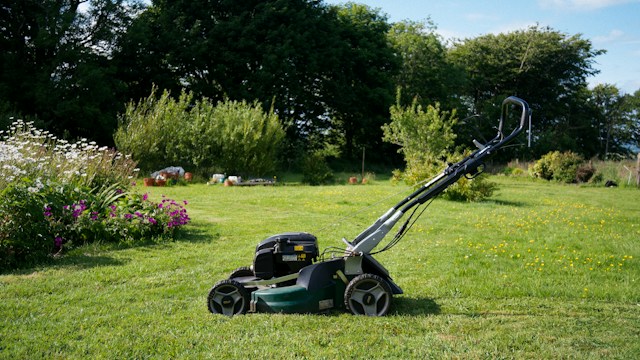
September Lawn Care UK: 8 Jobs to Do for a Healthier Lawn
September is the best month of the year to fix a tired lawn. Here are the eight jobs to do now, from scarifying and aerating to overseeding and autumn feeding, so your grass is thicker and greener by spring.

Prepping Your Vegetable Plot in February: Tips for a Productive Veg Garden
repping Your Vegetable Plot in February: Tips for a Productive Veg Garden

How to Keep Your Lawn Green in Summer
Maintain a healthy lawn during summer heat with proper care.
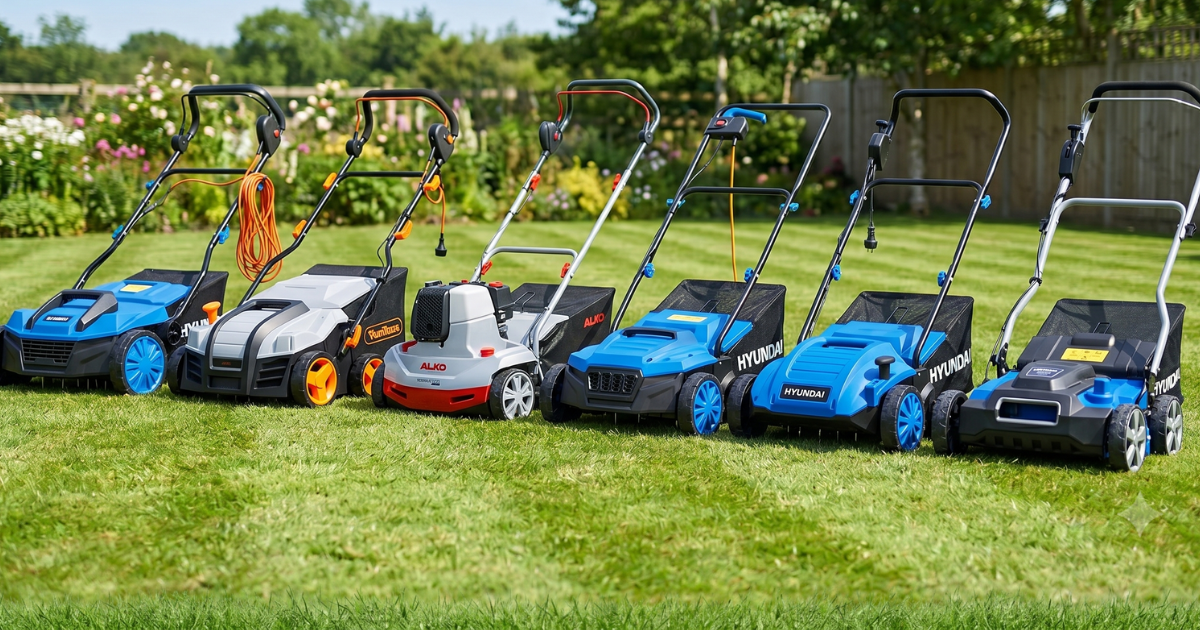
Best Lawn Scarifiers UK 2026: Tested & Compared
The best lawn scarifiers to buy in the UK in 2026. Electric and petrol picks from Hyundai, AL-KO and VonHaus reviewed, with prices, pros and cons.
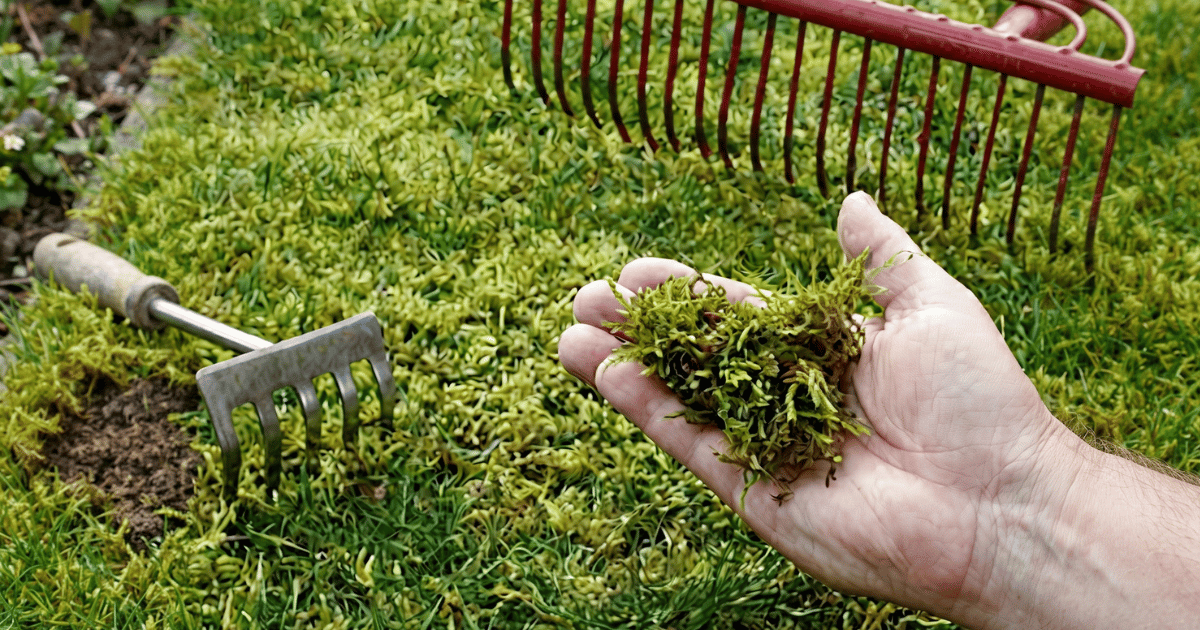
How to Get Rid of Moss in Your Lawn: UK Guide
Moss thrives in compacted, shaded or poorly drained UK lawns, and lasting control means combining scarifying and iron sulphate treatment with fixing the underlying drainage, shade and fertility issues.
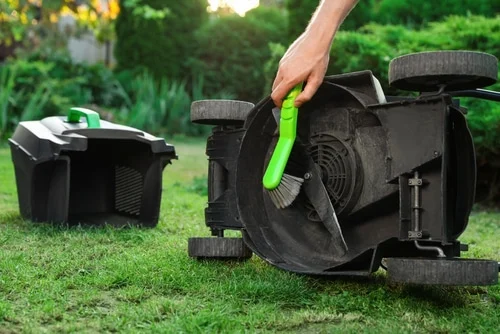
How to Maintain Your Lawn Mower
Learn how to maintain your lawn mower with our complete UK guide. Step-by-step mower maintenance tips, seasonal care, and FAQs to keep your mower running smoothly.