
How to Get Rid of Moss in Your Lawn: UK Guide
Moss thrives in compacted, shaded or poorly drained UK lawns, and lasting control means combining scarifying and iron sulphate treatment with fixing the underlying drainage, shade and fertility issues.
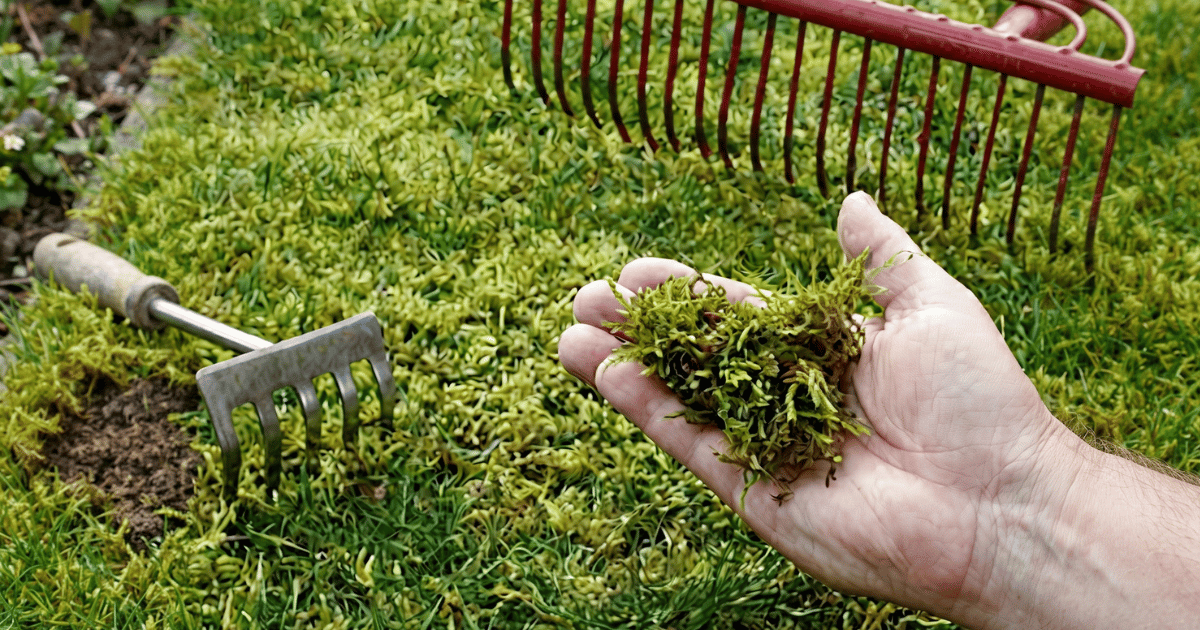
Moss takes hold in UK lawns wherever grass is thin, shaded, compacted or sitting in poorly drained, acidic soil, since it can tolerate conditions grass cannot. Lasting control means killing existing moss with scarifying or iron sulphate, then correcting drainage, shade and fertility so grass can properly compete and moss cannot easily return.
Key takeaways
- Moss is a symptom of underlying lawn problems, not just a surface nuisance to be sprayed away.
- Iron sulphate kills moss quickly but must be followed by scarifying and overseeding for lasting results.
- Compacted soil and poor drainage are common root causes and can be improved by aerating and topdressing.
- Shaded lawns will always favour moss to some degree; thinning nearby trees or choosing shade-tolerant grass seed helps.
- Autumn is generally the best season for a full renovation combining scarifying, aeration, feeding and overseeding.
| Problem | Affects | Peak season | Severity | Organic control | Chemical control availability | Prevention |
|---|---|---|---|---|---|---|
| Lawn moss | Thin, shaded, compacted or damp lawn areas | Autumn and winter, worst in wet mild spells | Moderate; competes with grass rather than killing it directly | Scarifying, aeration, improved drainage and light | Iron sulphate widely approved for amateur use | Good drainage, regular feeding, reducing shade and compaction |
How to identify a moss problem
Moss forms a low, dense green or yellow-green mat that feels spongy underfoot and often becomes especially visible in autumn and winter when grass growth slows but moss keeps spreading. It tends to concentrate in shaded areas under trees or fences, low-lying spots that stay damp, and heavily walked areas where soil has become compacted.
| Symptom | Likely cause | Key difference |
|---|---|---|
| Spongy green mat, worse in shade or damp patches | Moss | Distinct low, dense texture different from grass blades |
| Yellow patches with visible fungal threads | Lawn fungal disease | Often circular patterns, may show mushrooms or mould |
| Bare, hard, compacted soil with thin grass | Soil compaction (without much moss yet) | Soil feels very hard when probed; water pools on surface |
| General thinning across a sunny, well-drained area | Poor mowing or feeding regime | Occurs without shade, damp or compaction present |
Life cycle and why moss establishes
Moss spreads via spores that establish readily wherever grass cover is thin and conditions are consistently damp, shaded, acidic or compacted, since these are conditions grass tolerates poorly but moss thrives in. UK winters, with their combination of low light, frequent rain and cool soil, create ideal conditions for moss to spread even as lawn grass growth slows right down, which is why moss often appears to explode in extent between autumn and early spring.
Cultural and preventative control
Improving drainage by aerating compacted areas with a fork or hollow-tine aerator lets air and water reach grass roots and discourages moss. Raise mowing height slightly in shaded or stressed areas, avoid scalping the lawn, and feed with an appropriate lawn fertiliser through the growing season to keep grass dense and competitive. Where trees overhang the lawn, thinning some branches to let in more light can make a significant long-term difference. Our seasonal guides and lawn mower reviews can help with wider lawn maintenance choices.
Organic and biological controls compared
| Method | Effectiveness | Effort |
|---|---|---|
| Scarifying (manual or machine) | High for removing existing moss and thatch | High; physically demanding |
| Aeration (spiking or hollow-tining) | High for improving drainage long-term | Moderate to high |
| Overseeding after scarifying | High for thickening grass cover | Moderate |
| Improving light by pruning trees | High in shaded lawns | Variable depending on access |
| Topdressing with sandy compost | Moderate, improves drainage over time | Moderate, done gradually |
Chemical controls and their limits
Iron sulphate-based lawn moss treatments remain widely approved for UK amateur use and are effective at blackening and killing existing moss within a week or two of application. However, they do nothing to address shade, compaction or drainage, so without scarifying out the dead moss and improving underlying conditions, regrowth is likely within a season or two. Always check the current product label for application rates, as concentrations vary between combined feed-and-moss-killer products and standalone treatments.
What does not work
Simply raking moss out without treating it first can spread viable moss fragments elsewhere in the lawn rather than removing the problem. Feeding a shaded, poorly drained lawn heavily, without tackling shade or drainage, tends to feed the moss as much as the grass and rarely solves persistent problems. Mowing very short to make moss look tidier weakens grass further and generally makes conditions more favourable for moss, not less.
Shade and moss-tolerant approaches
In deep shade under mature trees, no amount of feeding or moss killer will let ordinary lawn grass thrive long-term; choosing shade-tolerant grass seed mixes, thinning branches for more light, or replacing very shaded lawn patches with shade-loving ground cover planting are more realistic long-term solutions. See our plants section for shade-tolerant planting ideas.
Month-by-month action calendar
| Month | Action |
|---|---|
| March-April | Apply spring lawn feed; light scarify if moss is heavy |
| May-August | Mow regularly at correct height; monitor damp shaded patches |
| September | Main scarifying and aeration window |
| October | Overseed bare patches; apply autumn feed |
| November-December | Apply iron sulphate treatment if moss persists |
| January-February | Avoid walking on frosted or waterlogged lawn; plan renovation |
Lawn Moss FAQs
What is the best time of year to treat moss in a UK lawn?
Does iron sulphate kill moss permanently?
How often should I scarify my lawn to control moss?
Why does moss keep coming back after I've treated it?
Can grass ever fully outcompete moss in a shaded lawn?
Is raking enough, or do I need a scarifier?
Tags
Comments
Join the conversation
Create a free account to leave comments, share photos, and connect with other gardeners.
Related Articles

How to Keep Your Lawn Green in Summer
Maintain a healthy lawn during summer heat with proper care.
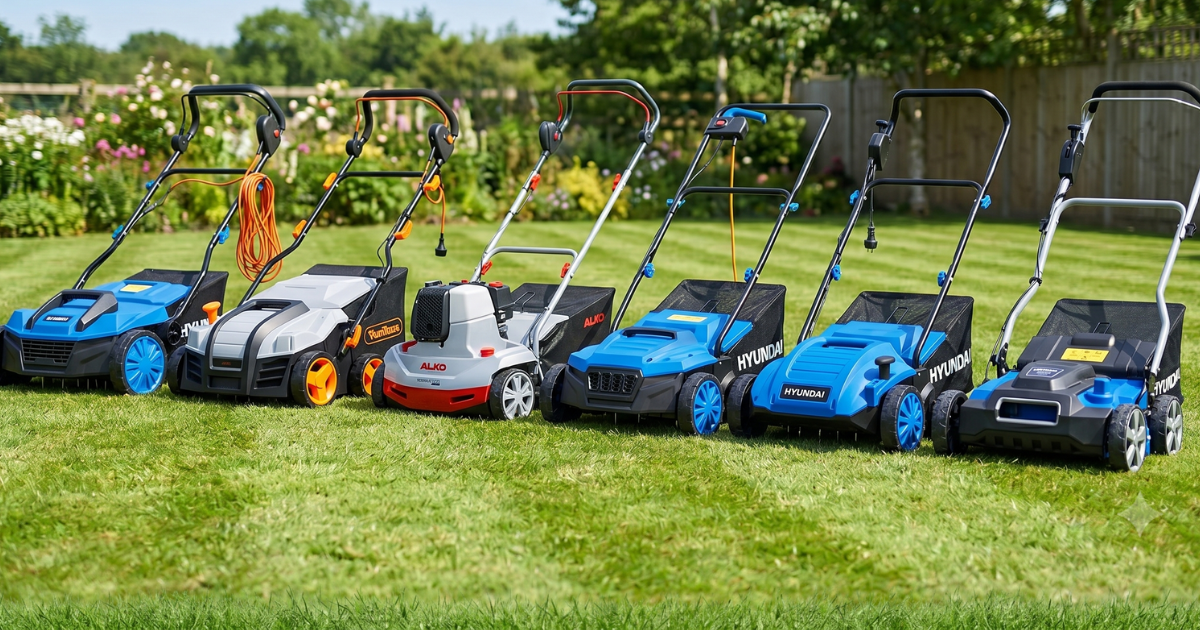
Best Lawn Scarifiers UK 2026: Tested & Compared
The best lawn scarifiers to buy in the UK in 2026. Electric and petrol picks from Hyundai, AL-KO and VonHaus reviewed, with prices, pros and cons.
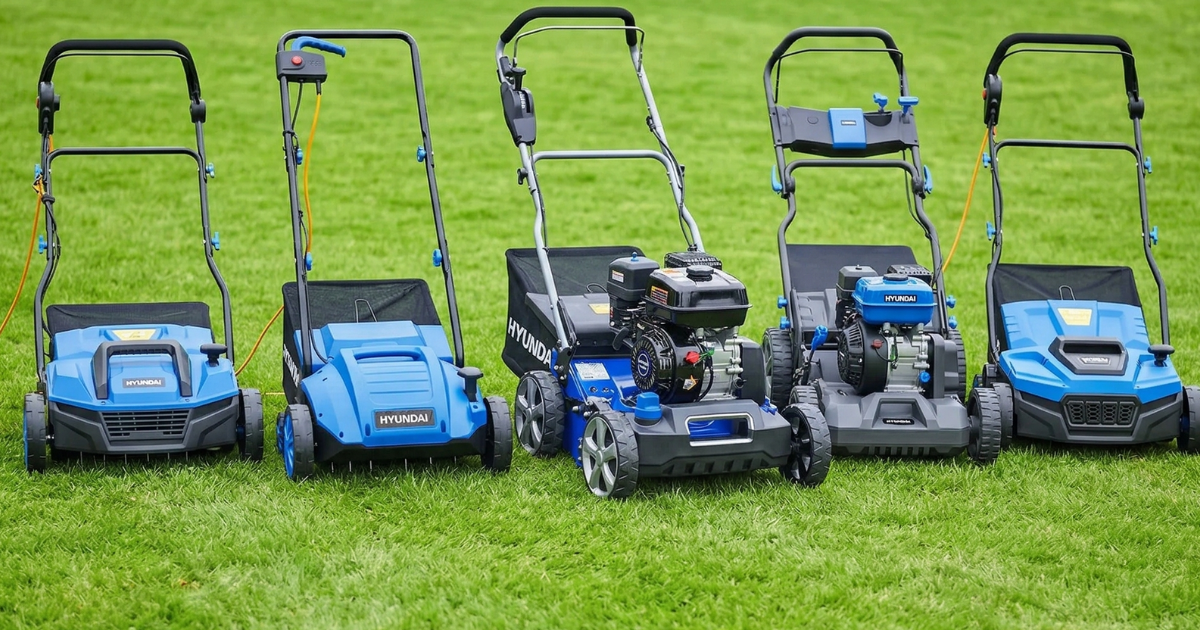
Hyundai Scarifier and Aerator Buying Guide (2026)
Revitalise your lawn with our Hyundai scarifier and aeraror buying guide. Compare top petrol and electric models to remove thatch and improve grass health.

Should I Vacuum Artificial Grass?
Discover Cleva’s award-winning Vacmaster & LawnMaster tools—top-rated vacuums, mowers & garden gear praised by expert reviewers.
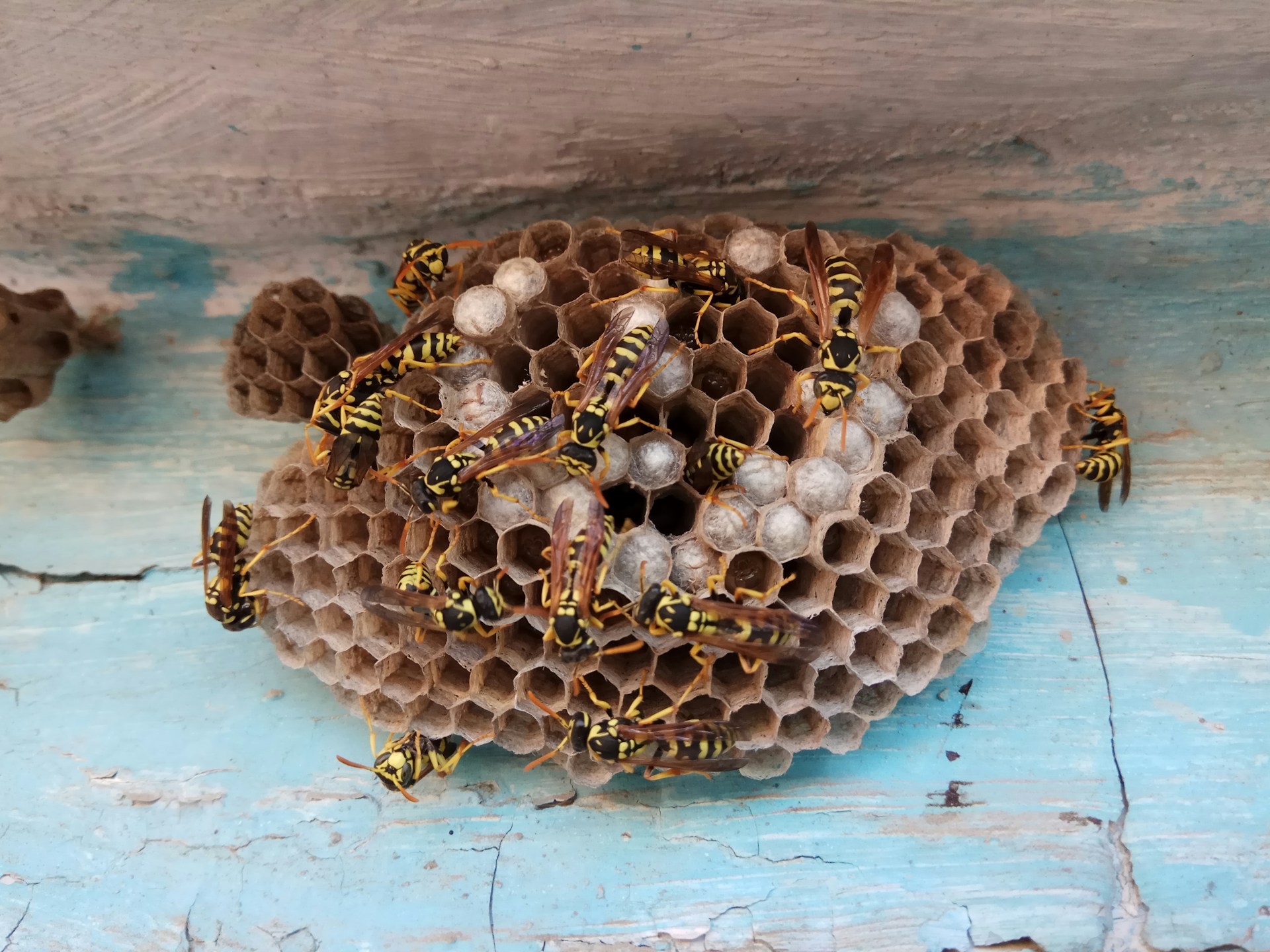
How to Get Rid of Flies and Wasps in Your Garden: UK Guide
Wasps peak in late summer as colonies max out and turn to scavenging, while flies breed fast around bins and fallen fruit all season - this guide covers prevention, physical control and when a chemical treatment is actually needed.

Top 5 Robot Lawn Mowers for Effortless Lawn Care in 2026
Top 5 robot lawn mowers keep your grass perfectly trimmed, doing the hard work for you so you can relax and enjoy your garden all summer.