
Winter Colour & Wildlife: Plants That Shine in January
Create a vibrant winter garden in January with early flowers, berry shrubs & scented climbers that support wildlife and colour.
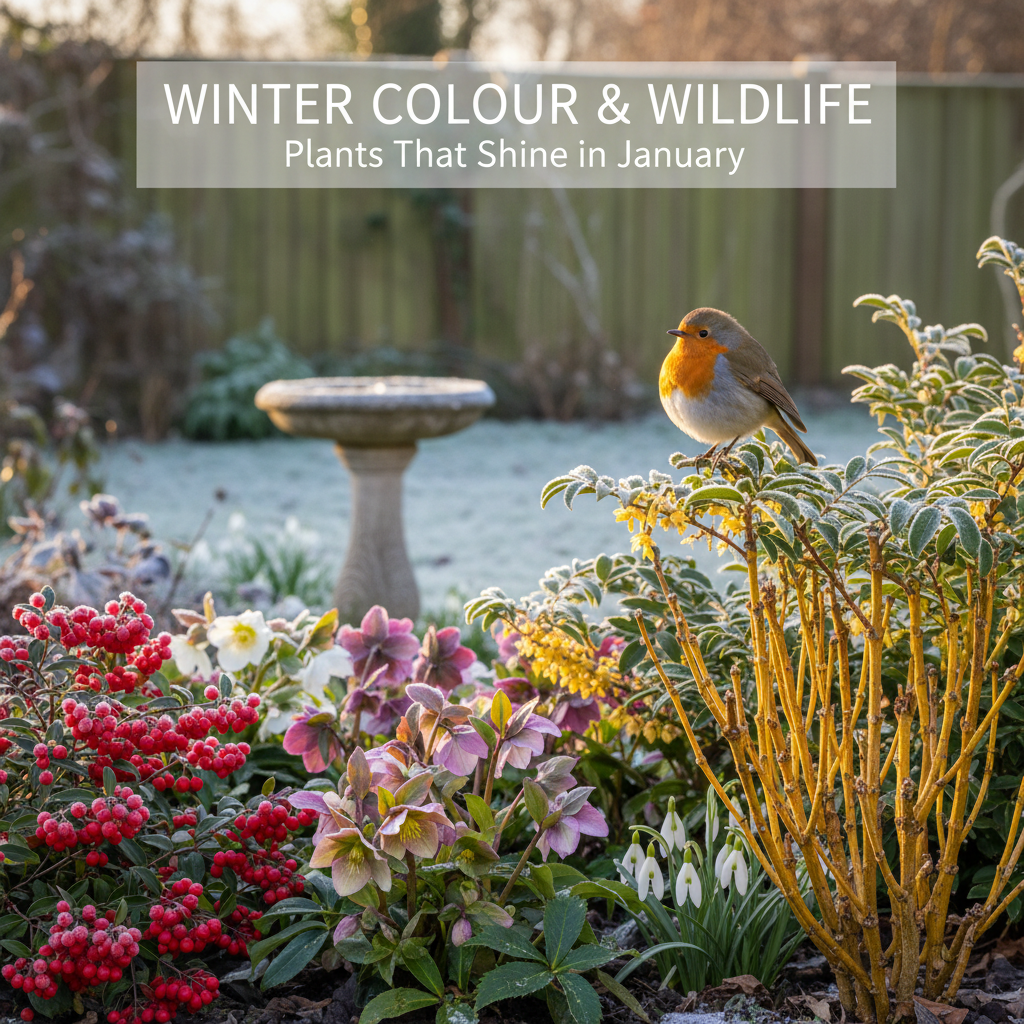
Even in the heart of winter, gardens can be full of life and colour. January may seem bleak, but careful planting ensures vibrant flowers, berries and foliage while supporting wildlife during the cold months. Early-flowering perennials, berry-bearing shrubs, and scented climbers provide both aesthetic appeal and essential food for birds and pollinators.
Early Flowering Plants for Winter Colour
Brighten the winter garden with plants that thrive in cold conditions.
- Hellebores – Also called Christmas or Lenten roses, these hardy perennials bloom from December to February, offering a range of pink, white and deep purple flowers.
- Snowdrops (Galanthus) – Iconic early bloomers, perfect for naturalising under trees or in borders.
- Winter Aconites (Eranthis hyemalis) – Bright yellow flowers that emerge through snow, ideal for woodland-style planting.
- Winter-flowering Pansies & Violas – Hardy, low-growing blooms perfect for containers and borders.
- Berry-Bearing Shrubs to Feed Wildlife
Berries provide a vital food source for birds during winter.
- Holly (Ilex aquifolium) – Glossy leaves and bright red berries; excellent for hedging and wildlife.
- Skimmia japonica – Evergreen shrub with fragrant winter flowers and red berries.
- Cotoneaster – Compact, deciduous or semi-evergreen shrubs producing abundant berries for birds.
- Viburnum tinus – Long-lasting dark green foliage with white flowers and dark berries that last into spring.
Scented Climbers & Winter Foliage
Adding structure, fragrance, and wildlife interest, evergreen climbers can brighten winter walls and fences.
- Winter Honeysuckle (Lonicera fragrantissima) – Sweetly scented flowers attract early pollinators.
Winter Colour & Wildlife: Plants That Shine in January
- Mahonia – Architectural foliage and yellow blooms that support early bees.
- Skimmia & Sarcococca – Low-maintenance evergreens providing scent and berries through winter.
Tips for Maintaining Winter Colour & Supporting Wildlife
- Plant in sunny or partially shaded spots to maximise flowering.
- Mulch around the base to retain moisture and protect roots from frost.
- Leave seed heads and berries on some plants to feed birds and small mammals.
- Water evergreens and newly planted shrubs during dry spells to prevent winter stress.
Winter colour doesn’t have to be limited to evergreens. With the right selection of early-flowering perennials, berry-bearing shrubs, and scented climbers, January gardens can be both visually appealing and a haven for wildlife. Planning and planting now ensures your garden thrives long before spring arrives.
📌 FAQs – Winter Colour & Wildlife in January
Which plants are best for winter flowering?
What shrubs provide food for birds in winter?
Can I plant in January?
How do I protect plants from frost?
Tags
Comments
Join the conversation
Create a free account to leave comments, share photos, and connect with other gardeners.
Related Articles

Top 10 Gardening Jobs to Tackle in January (UK Guide)
Maximise your January garden: prune, protect, plan & prep for spring with essential jobs for soil, plants, seeds & wildlife.

What to Plant in January – UK Gardening Guide
What to plant in January in the UK, from vegetables to flowers, plus indoor sowing and winter garden tips.

Garden Tool Maintenance & Cleaning in January

What to Do in the Garden in January
Your complete guide to January gardening tasks. From planting bare-root roses to pruning fruit trees, discover everything you need to do in the garden this winter month.
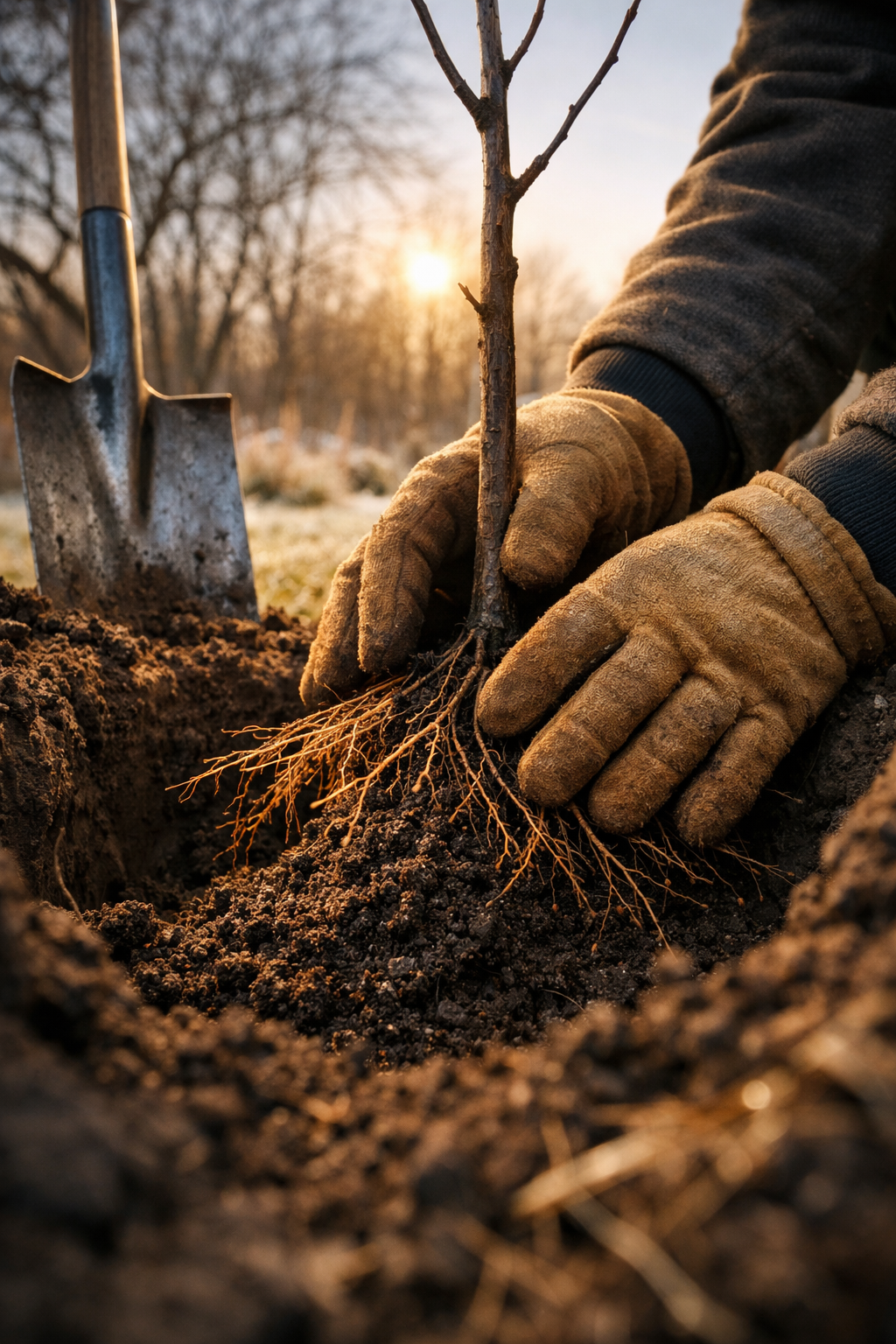
Bare-Root Planting: Why January Is Perfect for Trees & Shrubs
Discover why January is ideal for bare-root planting trees & shrubs for stronger roots, reduced shock, and long-term garden success