
Bare-Root Planting: Why January Is Perfect for Trees & Shrubs
Discover why January is ideal for bare-root planting trees & shrubs for stronger roots, reduced shock, and long-term garden success
Key takeaways
- Bare-root plants are supplied without soil around their roots, usually lifted directly from the ground while dormant.
- January offers a unique window of opportunity for bare-root planting in the UK climate.
- Most bare-root planting focuses on deciduous species, but some evergreen options are also suitable if planted carefully.
- The bare-root season typically runs from November to March, but January sits at the sweet spot - after leaf fall and before spring growth.
- Dig planting holes wide rather than deep, loosening soil to allow roots to spread naturally.
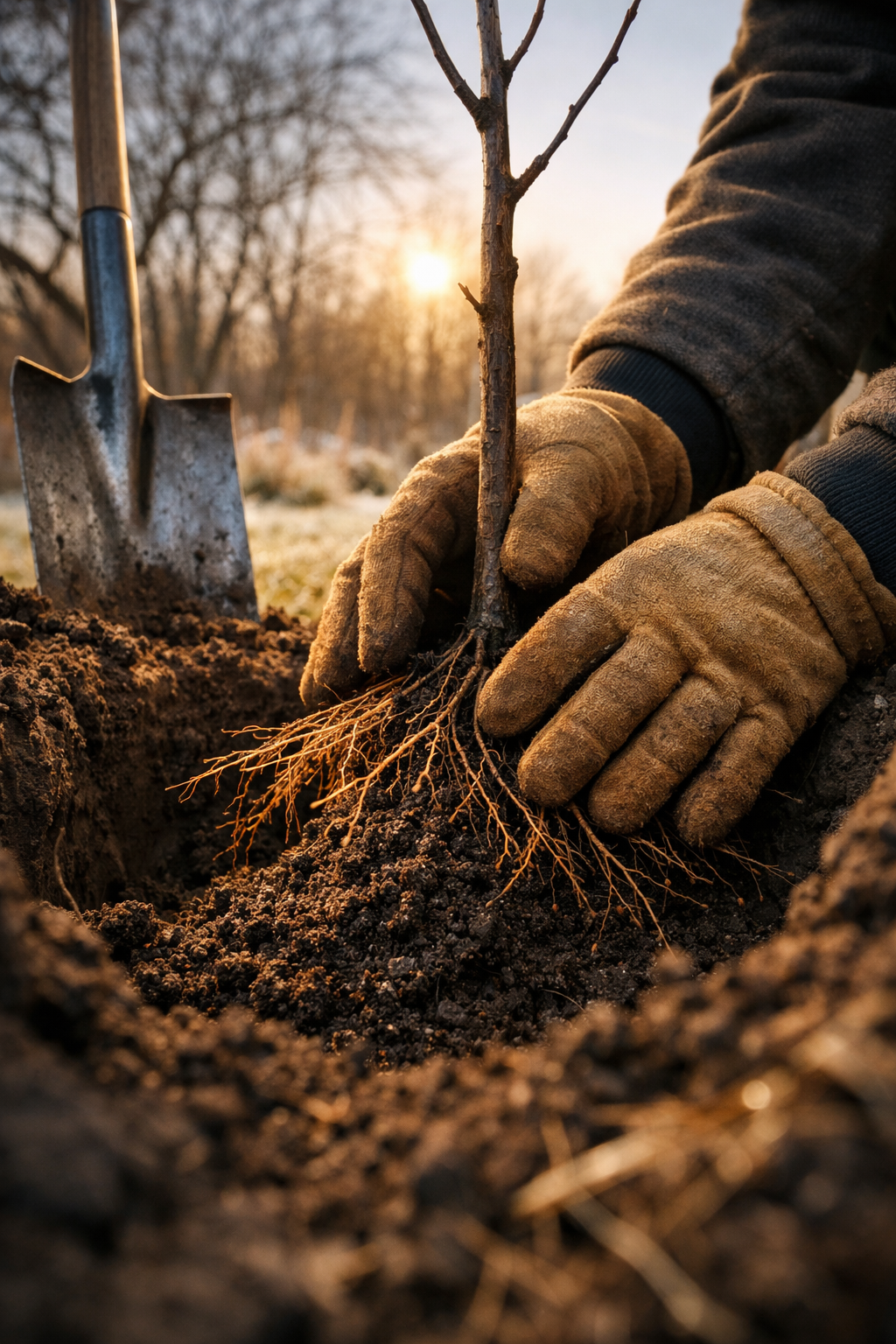
Bare-root planting is one of the most cost-effective and reliable ways to establish trees, shrubs and hedging - and January is one of the best months to do it. While plants appear dormant above ground, they are actively developing roots below the soil surface, allowing them to settle in before spring growth begins.
Whether you’re planting fruit trees, ornamental shrubs or evergreen structure plants, winter bare-root planting gives you stronger root systems, better establishment and healthier long-term growth.
What Is Bare-Root Planting?
Bare-root plants are supplied without soil around their roots, usually lifted directly from the ground while dormant. This method is commonly used for deciduous trees, fruit bushes, roses and hedging plants during late autumn and winter.
Because the plant isn’t expending energy on leaves or flowers, it can focus entirely on root establishment once planted.
Why January Is Ideal for Bare-Root Trees & Shrubs
January offers a unique window of opportunity for bare-root planting in the UK climate. When soil conditions are workable - not frozen or waterlogged - planting now delivers several advantages.
1. Strong Early Root Establishment
With cooler temperatures and higher soil moisture, roots can grow steadily without stress. By spring, plants are already anchored and ready to push out new growth.
2. Reduced Transplant Shock
Dormant plants experience far less shock than container-grown plants planted during active growth. This leads to higher survival rates and more consistent establishment.
3. Better Value & Plant Availability
Bare-root trees and shrubs are often significantly cheaper than potted alternatives, allowing gardeners to plant more for less — ideal for hedging, orchards and large borders.
4. Improved Long-Term Structure
Winter planting supports balanced growth, encouraging strong frameworks in trees and shrubs that define garden structure for years to come.
What Can You Plant Bare-Root in January?
Most bare-root planting focuses on deciduous species, but some evergreen options are also suitable if planted carefully.
Deciduous Trees & Shrubs
- Fruit trees – apple, pear, plum, cherry
- Roses – bush, climbing and rambling types
- Flowering shrubs – dogwood, viburnum, spirea
- Native trees – oak, birch, rowan, beech
Fruit Bushes & Cane Fruits
- Currants (red, black and white)
- Gooseberries
- Raspberries and blackberries
Hedges & Structural Plants
- Hawthorn, hornbeam and beech
- Privet (semi-evergreen)
- Yew (evergreen, best planted during milder spells)
⏱️ Timing: When to Plant Bare-Root Stock
The bare-root season typically runs from November to March, but January sits at the sweet spot - after leaf fall and before spring growth. Always avoid planting during hard frosts or when soil is saturated.
If conditions aren’t suitable, heel plants temporarily into loose soil or compost until planting is possible.
How to Prepare the Site for Bare-Root Planting
1. Prepare the Ground in Advance
Dig planting holes wide rather than deep, loosening soil to allow roots to spread naturally. Improve heavy soils with organic matter such as well-rotted compost.
2. Keep Roots Moist
Never allow bare roots to dry out. Soak roots in water for 30–60 minutes before planting if they appear dry.
3. Plant at the Correct Dept
Use the soil mark on the stem as a guide. Planting too deep can restrict growth, while planting too shallow risks root exposure.
4. Firm In and Water Well
Gently firm soil around the roots to remove air pockets and water thoroughly, even in winter, to settle the soil.
❄️ Caring for Bare-Root Plants After Planting
- Apply a thick mulch to protect roots and retain moisture
- Stake young trees to prevent wind rock
- Check periodically for frost heave and re-firm soil if needed
- Water during prolonged dry winter spells
January bare-root planting is one of the smartest moves you can make for long-term garden success. By working with the plant’s natural dormant cycle, you’ll establish healthier trees, stronger shrubs and more resilient garden structure — all before the growing season even begins.
📌 FAQs – Bare-Root Planting in Winter
Can you plant bare-root trees in frozen soil?
Are bare-root plants better than container-grown?
Can evergreen shrubs be planted bare-root?
Do bare-root plants need feeding?
Comments
Join the conversation
Create a free account to leave comments, share photos, and connect with other gardeners.